

Dr. Charles Freeman – San Diego Insomnia and Sleep Problems Treatment – San Diego Trauma and PTSD Treatment

April 2026

A calm adult in a therapy office learning how CBT-I treats chronic insomnia and sleep anxiety

Why Insomnia Often Becomes a Habit

Why Insomnia Often Becomes a Habit By Dr. Charles R. Freeman, Ph.D. Insomnia often becomes a habit because the brain and body can learn to associate bedtime, the bed, or nighttime waking with alertness instead of sleep. After enough nights of frustration, clock watching, worry, or fear, the nervous system begins preparing for another bad night before sleep even has a chance to happen. This does not mean the person is weak or doing something wrong on purpose. Most people with chronic insomnia are trying very hard to sleep. The problem is that trying harder often makes sleep worse. Sleep does not respond well to pressure. When bedtime becomes a performance test, the body tends to become more alert, not less. In my practice, insomnia is often the symptom, not the root cause. The visible problem may be lying awake, waking at 3 A.M., or feeling exhausted in the morning. Underneath may be anxiety, trauma, PTSD, grief, depression, chronic pain, medication reliance, alcohol use, or a nervous system that has not learned how to stand down. How Does Insomnia Become a Learned Pattern? The brain learns by repetition. If you repeatedly get into bed and fall asleep easily, the bed becomes associated with rest. If you repeatedly get into bed and spend hours awake, frustrated, worried, or afraid, the bed can become associated with alertness. This is why many people with insomnia feel sleepy on the couch but wide awake when they get into bed. That pattern can be confusing and discouraging. It does not mean the person is broken. It means the nervous system has learned an association. Learned associations can be unlearned, but usually not by forcing sleep. Over time, the person may begin expecting insomnia. They may start thinking about sleep earlier in the evening. They may worry about whether tonight will be another bad night. That expectation alone can activate the body’s threat system. What Is Conditioned Arousal? Conditioned arousal means the body has learned to become alert in situations where it should be relaxed. With insomnia, the bed, bedroom, darkness, silence, or clock can become cues for wakefulness. A person may turn off the light and immediately feel the mind speed up. They may check the clock and feel a surge of anxiety. They may wake during the night and instantly think, “Here we go again.” These reactions are not random. They are part of the insomnia habit loop. One of the central goals of treatment is to break that association. The bed needs to become a cue for sleep again, not a cue for worry, effort, calculation, and defeat. What Role Does Sleep Anxiety Play? Sleep anxiety is the fear of not sleeping. It often develops after repeated bad nights. The person starts monitoring sleep, predicting failure, and treating wakefulness as proof that something is wrong. This is one of the most common patterns I see in chronic insomnia. A person wakes up during the night and immediately begins calculating: “How many hours do I have left? How bad will tomorrow be? What if I cannot function?” Those thoughts are understandable, but they send a threat signal to the nervous system. For many patients, being awake is not the main problem. Panic about being awake is the problem. Recovery often begins when wakefulness stops feeling like an emergency. Why Is Sleep Hygiene Usually Not Enough? Sleep hygiene can help, but it is rarely enough for chronic insomnia by itself. Many patients already know the basics. They keep the room dark, avoid caffeine late in the day, limit screens, and try to keep a consistent routine. Those habits are useful, but they do not necessarily treat conditioned arousal, trauma activation, pain, depression, anxiety, or fear of wakefulness. If the nervous system has learned that bed means danger or failure, a darker room will not fully solve the problem. Good insomnia treatment looks at the whole pattern. What is the person doing before bed? How do they respond when they wake up? Are they checking the clock? Are they spending long periods awake in bed? Are they using alcohol, medication, or supplements out of desperation? These details matter because they can reinforce the habit. Can Medication Keep the Insomnia Habit Going? Medication may be appropriate in some situations, especially during acute grief, medical crisis, or severe short-term distress. Medication decisions should always be coordinated with the prescribing physician. The concern is long-term reliance when the underlying insomnia pattern remains untreated. Medication may sedate the body without retraining the nervous system. Some patients sleep but do not feel restored. Others develop tolerance, rebound insomnia, dependence, or fear that they cannot sleep naturally. The goal is not to shame medication. The goal is to help patients develop skills so sleep does not depend entirely on an external substance. Sustainable improvement usually comes from addressing the causes and the learned patterns that keep insomnia alive. How Does CBT-I Break the Insomnia Habit? CBT-I, or Cognitive Behavioral Therapy for Insomnia, is the gold-standard behavioral treatment for chronic insomnia. It helps change the thoughts, behaviors, schedules, and conditioned responses that keep the insomnia habit going. CBT-I may include stimulus control, sleep scheduling, reducing time awake in bed, changing catastrophic thoughts about sleep, decreasing clock watching, and improving the way the patient responds to nighttime wakefulness. This is practical work. It is not just talking about sleep. My approach is directive, collaborative, practical, and solution-focused. We identify what is maintaining the insomnia, create a plan, assign homework, review what happened, and fine-tune the tools. You are driving the car with your therapeutic goals, and I am the passenger helping guide the route. What I Often See in Practice I often meet people who are very capable during the day and discouraged at night. They work, parent, lead, solve problems, and care for others. Then they get into bed and feel helpless. Functioning is not the same as wellness. Many patients have turned sleep into a nightly contest. They try to win
Why Insomnia Often Becomes a Habit Read More »

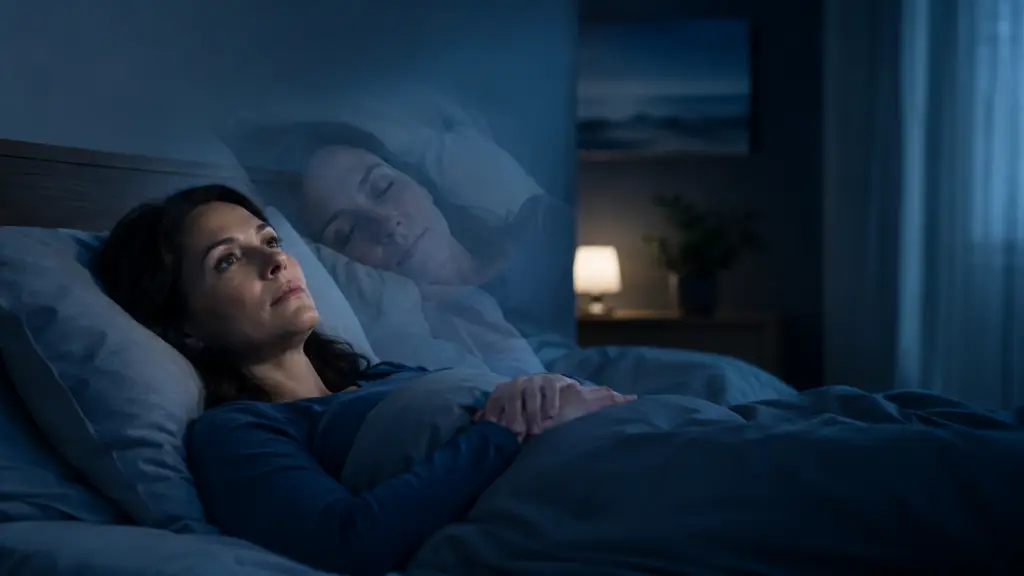
Person lying awake in bed at night, representing paradoxical insomnia and sleep state misperception

Paradoxical Insomnia (Sleep State Misperception): Symptoms, Causes, and Treatment

Paradoxical Insomnia (Sleep State Misperception): Symptoms, Causes, and Treatment By Dr. Charles R. Freeman, Ph. D. Many people wonder, what is paradoxical insomnia? Paradoxical insomnia, also known as sleep state misperception, sleep misperception, or subjective insomnia, is a sleep disorder in which people believe they are awake for much of the night even though they may actually be sleeping more than they realize. Many people with paradoxical insomnia feel convinced they are getting little or no sleep. They may report being awake for hours or even the entire night. However, sleep studies sometimes show that they are sleeping significantly more than they perceive. This disconnect between perceived sleep and actual sleep is what makes paradoxical insomnia unique. The experience is real. The frustration is real. The exhaustion is real. The problem is not that someone is imagining their symptoms. The problem is that the brain has become unusually focused on monitoring sleep and wakefulness. As a behavioral medicine psychologist specializing in insomnia, I frequently work with individuals who have spent years trying to figure out why they feel awake all night. Many are relieved to discover that their body has not lost the ability to sleep. Instead, the issue often involves anxiety, hypervigilance, trauma, and distorted sleep perception. Why Do I Feel Awake All Night Even When I Sleep? This is one of the most common questions I hear. People often tell me: “I know I was awake all night.” Yet after carefully reviewing sleep patterns, sleep logs, or sleep studies, we sometimes discover that sleep occurred much more frequently than they realized. Why does this happen? The answer lies in how the brain processes attention and awareness. People with chronic insomnia often become highly focused on sleep. They monitor it, evaluate it, worry about it, and try to control it. Unfortunately, the more attention we direct toward sleep, the more difficult it becomes to accurately perceive it. The brain remembers periods of wakefulness extremely well. It often does not remember periods of light sleep.As a result, someone may feel awake for six or seven hours while actually sleeping intermittently throughout the night. What Is the Difference Between Paradoxical Insomnia and Sleep State Misperception? There is essentially no difference between paradoxical insomnia and sleep state misperception. Sleep state misperception is the older clinical term, while paradoxical insomnia is the more commonly used modern term. Both describe the same phenomenon in which a person perceives significantly less sleep than objective measurements indicate. You may also encounter terms such as sleep misperception, subjective insomnia, and subjective sleep complaints. These terms describe similar experiences involving distorted sleep perception. What Causes Paradoxical Insomnia? Paradoxical insomnia rarely develops from a single cause. Most people have several contributing factors. Anxiety is one of the most common causes. The anxious brain is designed to scan for problems. At bedtime, sleep itself can become the problem. People begin worrying about how long it will take to fall asleep, how they will function tomorrow, and whether they will ever sleep normally again. The more they worry, the more alert they become. The more they worry, the more alert they become. Sleep Performance Anxiety Many individuals develop anxiety specifically about sleep. They begin treating sleep like a performance task. Every night becomes a test. The harder they try to sleep, the more frustrated they become when sleep does not happen immediately. Ironically, trying harder often makes sleep more difficult. Hypervigilance is a state of excessive alertness. Some people become aware of every sound, movement, thought, and awakening during the night. The brain remains in monitoring mode rather than allowing sleep to unfold naturally. The brain remains in monitoring mode rather than allowing sleep to unfold naturally. Trauma and PTSD Trauma is one of the most overlooked causes of chronic insomnia.  Many trauma survivors develop nervous systems that remain on alert even when no danger exists. This pattern is common among veterans, first responders, survivors of abuse, individuals with childhood trauma, and people who have experienced significant loss. Sleep requires a degree of surrender. Trauma teaches the brain to remain vigilant. Those two processes often conflict. Chronic Stress Long-term stress can keep the nervous system activated long after the stressful event has passed. Financial concerns, caregiving responsibilities, relationship difficulties, work stress, and health problems can all contribute to sleep misperception. Learned Insomnia One of the most important concepts in sleep psychology is conditioning. After enough nights of struggling with sleep, the bed itself can become associated with frustration and wakefulness. Instead of becoming a cue for sleep, it becomes a cue for alertness. This pattern often continues long after the original trigger has resolved. What Are the Symptoms of Paradoxical Insomnia? Paradoxical insomnia symptoms commonly include: Feeling awake most of the night Believing you sleep far less than you actually do Lying awake for hours Constantly checking the clock Anxiety about sleep Racing thoughts at bedtime Difficulty trusting your body’s ability to sleep Obsessive monitoring of sleep Frustration around bedtime Many people also experience: Generalized anxiety PTSD Depression Perfectionism Chronic stress Is Paradoxical Insomnia Dangerous? Paradoxical insomnia is generally not dangerous in the same way that untreated sleep apnea can be dangerous. The condition can, however, have a significant impact on quality of life. Many people experience increased anxiety, irritability, difficulty concentrating, reduced confidence, depression, relationship strain, and reduced work performance. The longer the problem continues, the more people may begin fearing bedtime itself. Some become preoccupied with sleep and structure their entire lives around trying to sleep better. In many cases, the anxiety surrounding sleep becomes more impairing than the sleep problem itself. How Is Paradoxical Insomnia Diagnosed? Diagnosis typically involves a comprehensive evaluation. A sleep specialist may review sleep habits, sleep diaries, medical conditions, medications, mental health history, and sleep study results when appropriate. Sleep studies are not always necessary, but they can sometimes reveal that a person is obtaining considerably more sleep than they realize. For many patients, this information is surprisingly reassuring. It demonstrates that the sleep system is functioning better than they thought. What Is the Best Treatment for Sleep State Misperception? The most effective treatment for paradoxical insomnia is usually Cognitive Behavioral Therapy

Paradoxical Insomnia (Sleep State Misperception): Symptoms, Causes, and Treatment Read More »