
About Dr. Freeman
About Dr. Charles R. Freeman, Ph.D.
If insomnia, trauma, anxiety or chronic pain is interfering with your life, you may want more than a list of credentials. You may want to know whether the psychologist you contact understands complex, overlapping problems and can offer a clear path forward.
Dr. Freeman is a California-licensed psychologist in San Diego with over 35 years of clinical experience. His work includes insomnia and sleep problems, trauma and Post-Traumatic Stress Disorder (PTSD), chronic pain and behavioral medicine, anxiety, Cognitive Behavioral Therapy (CBT), Cognitive Behavioral Therapy for Insomnia (CBT-I), Eye Movement Desensitization and Reprocessing (EMDR), clinical hypnosis, and care for active-duty military personnel and dependents. He offers in-person services in San Diego and teletherapy throughout California when clinically appropriate.
View Dr. Freeman’s California psychologist license details through the California Department of Consumer Affairs.
View Dr. Freeman’s public Psychology Today professional profile.

Professional Information at a Glance
- 1. Profession: California-licensed psychologist.
- 2. License: PSY #25414.
- 3. Clinical experience: Over 35 years.
- 4. Major specialty: Insomnia and sleep problems.
- 5. Additional focus areas: Anxiety, trauma and PTSD, chronic pain and behavioral medicine, CBT, CBT-I, EMDR, clinical hypnosis, and care for active-duty military personnel and dependents.
- 6. Appointments: In person in San Diego and by teletherapy throughout California when clinically appropriate.
- 7. Patients: Teens, adults and older adults; individuals and couples when clinically appropriate.

Why Dr. Freeman Continues to Value Clinical Work
Dr. Freeman remains passionate about helping people understand patterns that have limited their sleep, health, relationships or daily functioning. What keeps the work meaningful for him is seeing a person develop useful skills, regain confidence and participate more fully in life.
Decades of experience can provide perspective, but experience matters only when it remains active and responsive. Dr. Freeman continues to approach each patient with curiosity. He wants to understand what is happening now, what has already been tried and what kind of change would be meaningful to the patient.
Experience That Supports Your Care
Dr. Freeman’s professional background spans sleep research, hospital-based sleep and behavioral medicine, community mental health and private practice. His private practice has focused on sleep disorders, trauma, anxiety, chronic pain and behavioral medicine since 2007, including practice in San Diego since December 2012.
Education and Specialized Training
Dr. Freeman earned a Ph.D. in Counseling Psychology from the University of Miami in an APA-approved program in 1999. He earned a B.A. in Psychology, cum laude and with distinction in Psychology, from San Diego State University in 1987. His specialized education also includes early training in Ericksonian hypnosis, hypnosis and psychotherapy, and Rorschach assessment.
Sleep and Behavioral Medicine Experience
His sleep-focused experience began with research at the Balboa Naval Hospital Sleep Disorders Center from 1985 to 1988. He later worked in sleep research and as a sleep technician at Mount Sinai Medical Center and served there as clinical coordinator in pulmonary and sleep-disorders care. He subsequently held sleep psychology roles at Park Nicollet’s Meadowbrook Sleep Disorders Center and the HealthPartners Maplewood Sleep Disorders Center.
Current Practice and Clinical Collaboration
In current practice, Dr. Freeman uses CBT, CBT-I, EMDR, clinical hypnosis, mindfulness, relaxation and individualized behavioral strategies. He routinely coordinates with primary-care clinicians, sleep physicians, psychiatrists and other specialists when collaboration supports the patient’s care.
Sleep, Behavioral Medicine and the Whole Person
Sleep became an important area of Dr. Freeman’s work because sleep problems often sit at the intersection of health, behavior and emotion. Insomnia may be connected with anxiety, trauma, pain, grief, medical stress or habits that developed while a person was trying to cope.
Behavioral medicine helps Dr. Freeman consider those connections without treating physical symptoms as imaginary. Pain is real. Sleep disruption is real. Psychological treatment can complement medical care by addressing stress, behavior, coping, arousal and the patterns that affect function.
Areas of Clinical Focus
Insomnia and Sleep Problems
Dr. Freeman works with people who have difficulty falling asleep, wake frequently, awaken too early, fear another bad night or have tried generic sleep advice without enough improvement. CBT-I and other individualized strategies may be part of care.
Trauma, Post-Traumatic Stress Disorder (PTSD) and EMDR
Trauma can affect sleep, mood, concentration, relationships and the body. Treatment may include Cognitive Behavioral Therapy (CBT) work, skills for managing arousal, sleep-focused care and EMDR when it fits the patient’s needs and readiness.
Chronic Pain and Behavioral Medicine
Chronic pain can affect activity, sleep, mood and quality of life. Treatment addresses the interaction among body, behavior, stress and emotion while respecting the reality of the pain and the role of ongoing medical care.
Anxiety, Cognitive Behavioral Therapy (CBT) and Practical Skills
Dr. Freeman uses a practical, collaborative style to help patients identify cycles of worry, avoidance, arousal and unhelpful habits. Treatment can include clear education, structured exercises and skills to practice between sessions.
Services for Active-Duty Military Personnel and Dependents
Dr. Freeman has extensive experience treating active-duty military personnel and their dependents and has worked with this population for approximately seven years. Patients may seek help for insomnia, nightmares, trauma, chronic pain, anxiety, stress or adjustment concerns. Treatment does not assume that every military patient has PTSD or that military service defines the whole person.

Patients, Relationships and Cultural Context
Dr. Freeman works with teens, adults and older adults. Treatment is most often individual, and couples may be included when the presenting concern and treatment plan make that format appropriate.
The practice welcomes LGBTQ+ patients and people from varied cultural, relationship and spiritual backgrounds. Dr. Freeman considers identity, family, community, humor, beliefs and personal values when those factors matter to the patient, without assuming that one perspective fits everyone.
Meaning, Resilience and the Whole Person
Dr. Freeman’s clinical perspective has been shaped by professional work and by personal experiences of grief, illness, loss and major life disruption. He does not assume that adversity automatically makes a person stronger. He recognizes that recovery, when supported, can deepen resilience, empathy, compassion and understanding.
His approach distinguishes momentary relief from durable well-being. Sleep, movement, nutrition, relationships, service to others, learning, growth, meaning, purpose, spirituality or personal values can all support psychological health. These areas are not moral tests, and they do not replace psychological or medical treatment when treatment is needed.
Dr. Freeman’s professional thinking also reflects a long-standing interest in Carl Jung’s attention to meaning, dreams, symbolism, archetypes and personal transformation. These interests may help him understand the individual more fully, but they are not imposed on every patient and do not replace structured, evidence-based treatment.


A Collaborative and Individualized Approach
Dr. Freeman listens carefully, provides direct feedback and connects treatment to the concerns that brought the patient in. He selects methods according to the patient’s needs rather than assuming that one protocol fits everyone.
Learn more about assessment, treatment methods, behavioral medicine, coordination with medical care and what to expect from Dr. Freeman’s clinical approach.
Dr. Freeman’s San Diego Office and California Telehealth
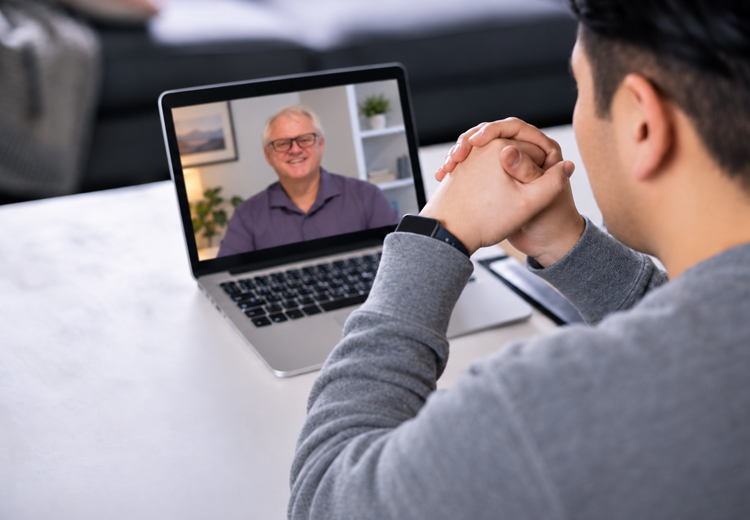
Dr. Freeman provides in-person therapy at 2801 Camino Del Rio South, Suite 313, San Diego, California 92108. Teletherapy is available throughout California when clinically appropriate, including for patients in other California cities, traveling within the state, managing local traffic or temporarily unable to attend in person because of mild or moderate illness.
Frequently Asked Questions
Is Therapy With Dr. Freeman Mainly Talk Therapy?
No. Conversation is important, but sessions may also include education, cognitive behavioral strategies, guided exercises, trauma-focused work and practical tools to use between appointments.
Does Treatment Include Practice Between Sessions?
Often. Patients may try a sleep strategy, observe a pattern, complete a brief exercise or use a coping tool. Dr. Freeman and the patient review the result together rather than grading performance.
Does Dr. Freeman Treat Sleep Problems Only?
No. Insomnia is a major specialty, but Dr. Freeman’s practice also includes trauma and PTSD, chronic pain, behavioral medicine, anxiety, EMDR, CBT, children and adolescents, and active-duty military personnel and dependents.
Who May Be a Good Fit for Dr. Freeman’s Approach?
Dr. Freeman’s approach is often a good fit for people who want clear feedback, an individualized plan and practical skills. A consultation can help determine whether his experience and style match the patient’s needs.
Is Treatment a Rigid Program?
No. Some treatments are structured, especially CBT-I, but the plan should fit the patient’s health, history, circumstances and goals. Strategies are adjusted when they do not fit or do not help.
Does Dr. Freeman Offer Online Therapy?
Telehealth is available throughout California when it is clinically appropriate and consistent with current licensure requirements.
Clinical Content Information
Clinical content by Dr. Charles R. Freeman, Ph.D., a California-licensed psychologist with over 35 years of clinical experience. View California psychology license PSY #25414.
Learn more about Dr. Freeman’s professional background and clinical approach.
Discuss What You Need
Patients do not need to decide which treatment method they need before contacting Dr. Freeman. A brief conversation can begin with what is happening and whether his experience may be useful.