
Active Duty Military and Dependents
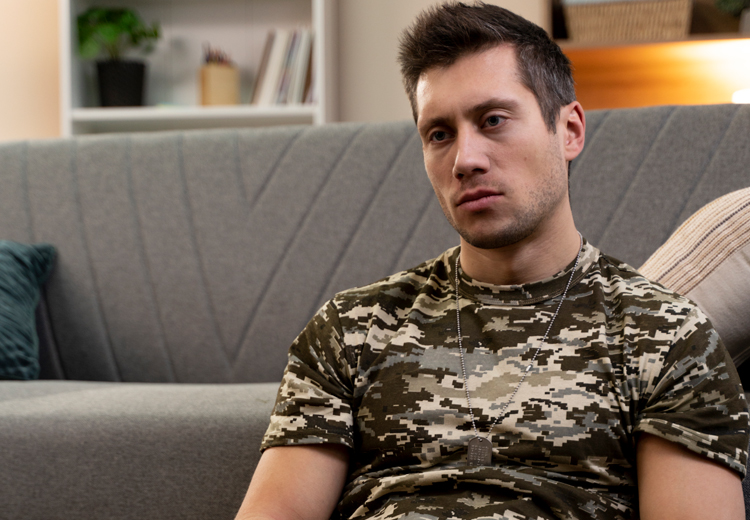
Psychological Services for Active-Duty Military and Dependents in San Diego
Active-duty military personnel and their dependents seek psychological care for many reasons. Some want help with trauma or Post-Traumatic Stress Disorder (PTSD). Others are primarily struggling with insomnia, nightmares, chronic pain, anxiety, medical stress, relationship strain, relocation or adjustment to changing responsibilities.
Dr. Freeman has substantial experience treating active-duty military personnel and dependents. He approaches each patient as an individual rather than assuming that military service, a diagnosis or one stressful experience explains the whole person.
Treatment at a Glance
- Who may benefit: Active-duty military personnel and dependents seeking care for insomnia, nightmares, anxiety, trauma, chronic pain, medical stress, relationship strain, relocation or adjustment.
- Treatment focus: The individual concern and its effect on sleep, health, family life, work and functioning without assuming that every military patient has PTSD.
- Approaches: Cognitive Behavioral Therapy (CBT), Cognitive Behavioral Therapy for Insomnia (CBT-I), Eye Movement Desensitization and Reprocessing (EMDR), behavioral medicine and individualized skills when appropriate.
- Appointments: In person in San Diego and by teletherapy throughout California when clinically appropriate.
- Coverage: Dr. Freeman accepts TRICARE West. Review the practice’s insurance information and contact options.
Care Is Not Limited to PTSD
PTSD is important, but it is not the only reason a military patient or dependent may seek help. Sleep loss, pain, anxiety, health concerns and adjustment can affect work, family relationships, mood, concentration and confidence even when trauma is not the primary concern.
Common concerns may include:
- Difficulty falling asleep, staying asleep or returning to sleep
- Nightmares, hypervigilance or fear of sleep
- Trauma or PTSD symptoms
- Chronic pain, medical stress or changes in physical function
- Anxiety, depression, irritability or persistent worry
- Deployment, relocation, reintegration or family adjustment
- Relationship strain, caregiving demands or role changes
An Individualized Treatment Plan
Dr. Freeman and the patient review what is happening now, what has already been tried, current medical care and medications, sleep, coping, strengths and treatment goals. The plan reflects the patient’s current life, family context and relevant service experiences without reducing the patient to a military identity.
Treatment is practical and collaborative. Dr. Freeman explains his recommendations, invites questions and helps patients practice strategies outside appointments. He and the patient review what helped, what was difficult and what should be adjusted.

Treatment Options
Insomnia and Sleep Problems
CBT-I is a multi-pronged treatment for chronic insomnia. Depending on the patient, Dr. Freeman may use sleep restriction, stimulus control, cognitive restructuring, clinical hypnosis, sleep hygiene and individualized behavioral strategies. Detailed sleep diaries are generally avoided when they would increase obsession or catastrophic thinking; simplified broad estimates may be used when helpful.
Trauma, PTSD and EMDR
Trauma-focused care may include education, stabilization, Cognitive Behavioral Therapy (CBT) strategies, EMDR and Ericksonian hypnosis with scaling. EMDR is one option rather than an automatic recommendation. Treatment is paced according to readiness, stability and goals.
Chronic Pain and Behavioral Medicine
CBT, clinical hypnosis, mindfulness and relaxation can address pain-related distress, sleep disruption, avoidance, tension and changes in daily function. These methods complement appropriate medical care; they do not deny that pain is real or promise that pain will disappear.
Anxiety, Stress and Adjustment
Cognitive and behavioral strategies can help with cycles of worry, avoidance, arousal, anger or self-criticism. Treatment may also address adjustment to relocation, changing duties, family responsibilities, medical concerns or other transitions.
Coordination With Medical and Prescribing Clinicians
Clinical coordination is routine when relevant and authorized. Dr. Freeman communicates with primary-care clinicians, sleep physicians, psychiatrists and other specialists so behavioral and medical care can support one another. He does not prescribe medication. Medication changes, including any reduction of benzodiazepines or sedative-hypnotics, remain coordinated with the prescribing clinician.
In-Person Care and California Teletherapy
In-person appointments are available at Dr. Freeman’s San Diego office. Teletherapy is available throughout California when clinically appropriate, including for patients in other California cities, traveling within the state, managing local traffic or temporarily unable to attend because of mild or moderate illness.
TRICARE and Other Insurance
Dr. Freeman accepts TRICARE West. For other insurance plans, sessions are fee-for-service. As a courtesy, his office submits claims directly to the patient’s insurance company to determine whether the patient qualifies for out-of-network reimbursement. Some PPO plans reimburse a portion of the fee. Coverage varies by plan. Medicare does not reimburse for Dr. Freeman’s services.

Dr. Freeman's Clinical Perspective
Military context can shape a patient’s schedule, responsibilities, family life and access to care, but it does not define the whole person. Dr. Freeman begins with the concern that is affecting the patient now rather than assuming that trauma or PTSD must be the central issue.
For some patients, the most useful starting point is insomnia, chronic pain, anxiety, adjustment or a combination of concerns. Treatment remains practical and individualized, with coordination with medical or prescribing clinicians when appropriate and authorized.
Resilience does not mean ignoring strain or handling every problem alone. Treatment can help active-duty personnel and dependents reconnect with relationships, service, meaning, purpose and personal values while building concrete skills for sleep, stress, health and daily functioning.
When Medical or Additional Care May Be Needed
Outpatient psychotherapy may work alongside military, medical, prescribing or other support systems when appropriate and authorized. Benefits, referral requirements, authorizations and emergency procedures depend on the patient’s plan and circumstances.
The practice website and consultation request are not emergency services. In a life-threatening emergency, call 911. For immediate emotional support or a suicidal crisis, call or text 988 or visit the 988 Suicide & Crisis Lifeline.
Frequently Asked Questions
Is PTSD required to receive care?
No. Active-duty personnel and dependents may seek help for sleep, pain, anxiety, health concerns, adjustment, relationships, stress or trauma from many kinds of experiences.
Can insomnia be treated even when trauma is not the main concern?
Yes. Insomnia is a major specialty in Dr. Freeman’s practice and can be addressed directly. Treatment still considers medical, emotional and environmental factors that may affect sleep.
Does Dr. Freeman use EMDR for every patient with trauma symptoms?
No. EMDR is one option. The recommendation depends on symptoms, readiness, stability and treatment goals.
Does Dr. Freeman accept TRICARE?
Yes. Dr. Freeman accepts TRICARE West. Patients should confirm their current benefits directly with their plan.
How long does treatment take?
Many focused courses of treatment fall within approximately 8 to 12 sessions. More time may be appropriate when concerns occur with complex psychiatric or medical conditions. Duration and outcomes cannot be guaranteed.
Related Articles
These articles provide additional background on sleep, trauma and treatment methods that may be relevant to active-duty military personnel and dependents. They do not assume that every patient has PTSD or needs the same treatment.
Why Insomnia Is Common in the Military
Schedules, stress, alertness and changing environments can all affect sleep.
What Is EMDR Therapy?
Learn about EMDR, preparation, pacing and the role of bilateral stimulation.
EMDR and PTSD Recovery
Learn how EMDR may be used within structured trauma-focused care without assuming it is right for every patient.
Related Services

Insomnia and Sleep Problems Treatment
Learn how specialized psychological treatment addresses chronic insomnia, nighttime arousal and sleep-related habits.

Anxiety Treatment
Explore practical treatment for worry, avoidance, physical arousal and anxiety that affects daily life.

Trauma and Post-Traumatic Stress Disorder (PTSD) Treatment
Learn about paced treatment for trauma reactions, nightmares, hypervigilance and PTSD symptoms.

Chronic Pain and Behavioral Medicine
See how behavioral medicine can complement medical care for chronic pain, sleep disruption and daily functioning.
Related Reading From Dr. Freeman’s Blog
For a deeper explanation of insomnia patterns and treatment, these articles provide practical background before or between appointments.
- Active Duty Military and Dependents

What Causes Chronic Insomnia? By Dr. Charles R. Freeman, Ph.D. Chronic insomnia is usually caused by more than one issue....

How Hypervigilance Causes Sleep Problems and Insomnia By Dr. Charles R. Freeman, Ph.D. Hypervigilance can cause sleep problems and insomnia...

EMDR may support PTSD recovery for some patients by helping them process traumatic memories that continue to trigger fear, shame,...
Authoritative Information
Patients can review official TRICARE information about mental-health care and confirm their current benefits directly with their plan.
Review the 2025 VA/DoD clinical guidance for chronic insomnia and obstructive sleep apnea. This evidence-based guidance is relevant when sleep concerns are part of the treatment picture.
About Dr. Charles R. Freeman, Ph.D.
Dr. Freeman is a California-licensed psychologist in San Diego with over 35 years of clinical experience. His practice specializes particularly in insomnia and sleep problems and also includes anxiety, trauma and PTSD, chronic pain and behavioral medicine, CBT, CBT-I and EMDR. Appointments are available in person in San Diego and by teletherapy throughout California when clinically appropriate.
View California psychology license PSY #25414 or learn more about Dr. Freeman’s background and clinical approach.
Clinical Content Information
Clinical content by Dr. Charles R. Freeman, Ph.D., a California-licensed psychologist with over 35 years of clinical experience. View California psychology license PSY #25414.
Learn more about Dr. Freeman’s professional background and clinical approach.
Discuss Whether Dr. Freeman’s Approach Is a Fit
Patients do not need to decide which diagnosis or treatment method applies before reaching out. A consultation can begin with the concerns affecting the patient and whether Dr. Freeman’s experience and approach may be a fit.