Dr. Charles Freeman – San Diego Insomnia and Sleep Problems Treatment – San Diego Trauma and PTSD Treatment

Anxiety Treatment

Anxiety Treatment in San Diego
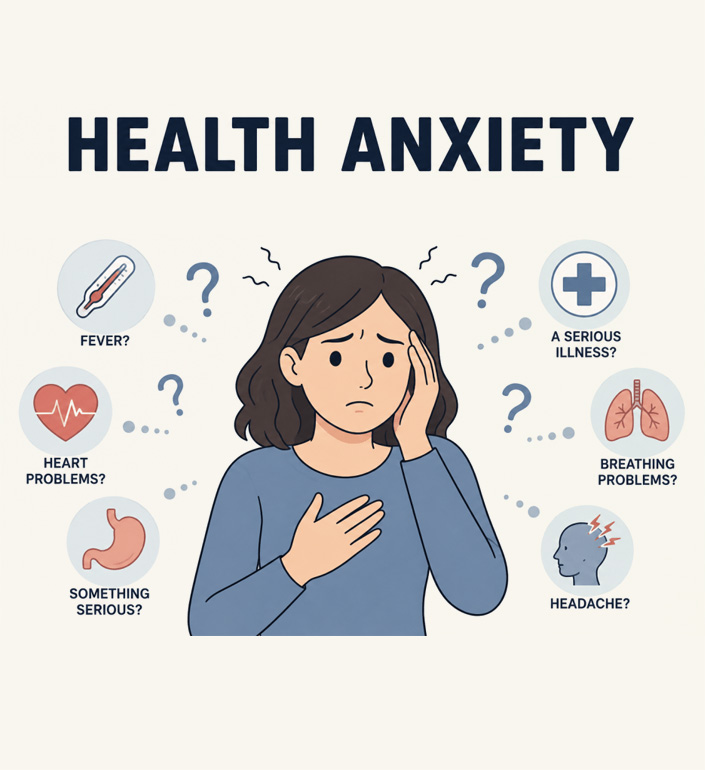
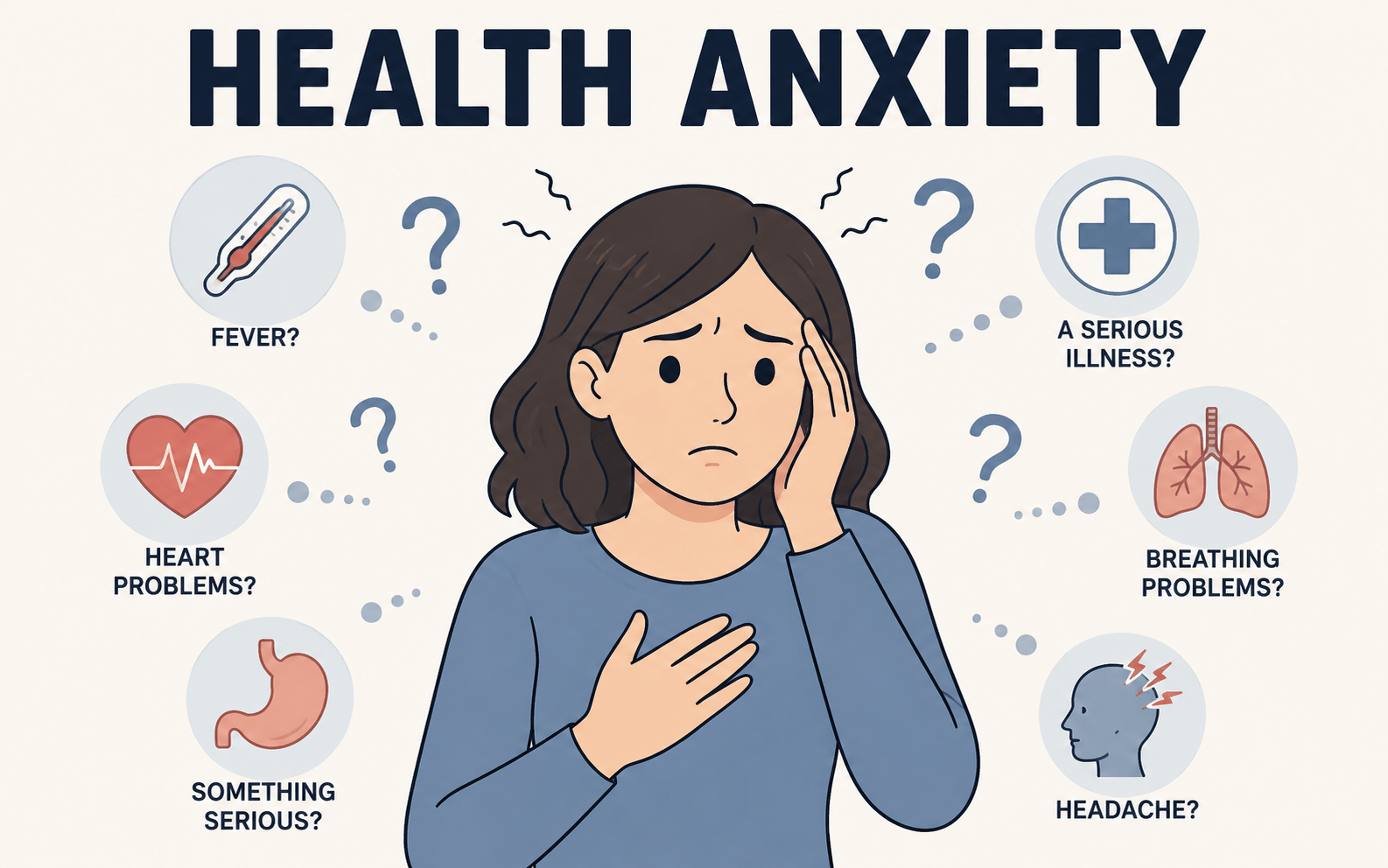
Anxiety can make the mind feel constantly occupied and the body feel unable to settle. Worry, tension, irritability, avoidance or fear may begin to affect sleep, health, relationships, concentration and everyday decisions.
Dr. Charles Freeman is a California-licensed psychologist with over 35 years of clinical experience. He provides practical, individualized anxiety treatment that helps patients understand the patterns keeping anxiety active and develop more useful ways to respond.
Anxiety often overlaps with insomnia, trauma, chronic pain, medical concerns or major life changes. Treatment therefore considers the whole pattern rather than forcing every patient into one diagnosis or one standardized plan. Appointments are available in person in San Diego and by teletherapy throughout California when clinically appropriate.
San Diego anxiety treatment with a licensed psychologist

Treatment at a Glance

When Anxiety Begins to Take Over

Anxiety is part of normal life, but it can become exhausting when the mind and body remain prepared for a threat that is uncertain, distant or no longer present. The person may know that a fear is unlikely while still feeling unable to stop the reaction.

Patients may seek help for concerns such as:
CRF logo of Dr. Charles R. Freeman with a sun over layered purple and blue hills

Why Anxiety Can Become Self-Reinforcing

A person may try to reduce anxiety by avoiding a feared situation, repeatedly checking for reassurance, trying to control every possible outcome or mentally reviewing the same concern. These responses can bring short-term relief, which makes them understandable. Over time, however, they may teach the mind that uncertainty is dangerous and that anxiety cannot be tolerated.
Anxiety can also affect the body. Muscle tension, rapid breathing, disrupted sleep, pain and fatigue may make a person feel that something is wrong, which can lead to more monitoring and worry. Treatment helps identify the cycle and choose a useful place to interrupt it.

How Dr. Freeman Treats Anxiety

Treatment begins with a careful review of the patient’s symptoms, history, health, sleep, current stressors, strengths and goals. Dr. Freeman explains what he believes may be maintaining the anxiety and collaborates with the patient on a focused plan. Not every patient receives every method.
Anxiety page icon

Anxiety Connected With Trauma

When anxiety is connected with trauma or distressing memories, treatment may also include Eye Movement Desensitization and Reprocessing (EMDR), Ericksonian hypnosis with scaling, stabilization skills or direct trauma-focused work. EMDR is one option and is not automatically recommended for every patient with anxiety or trauma symptoms.
Anxiety page icon

Cognitive Behavioral Therapy

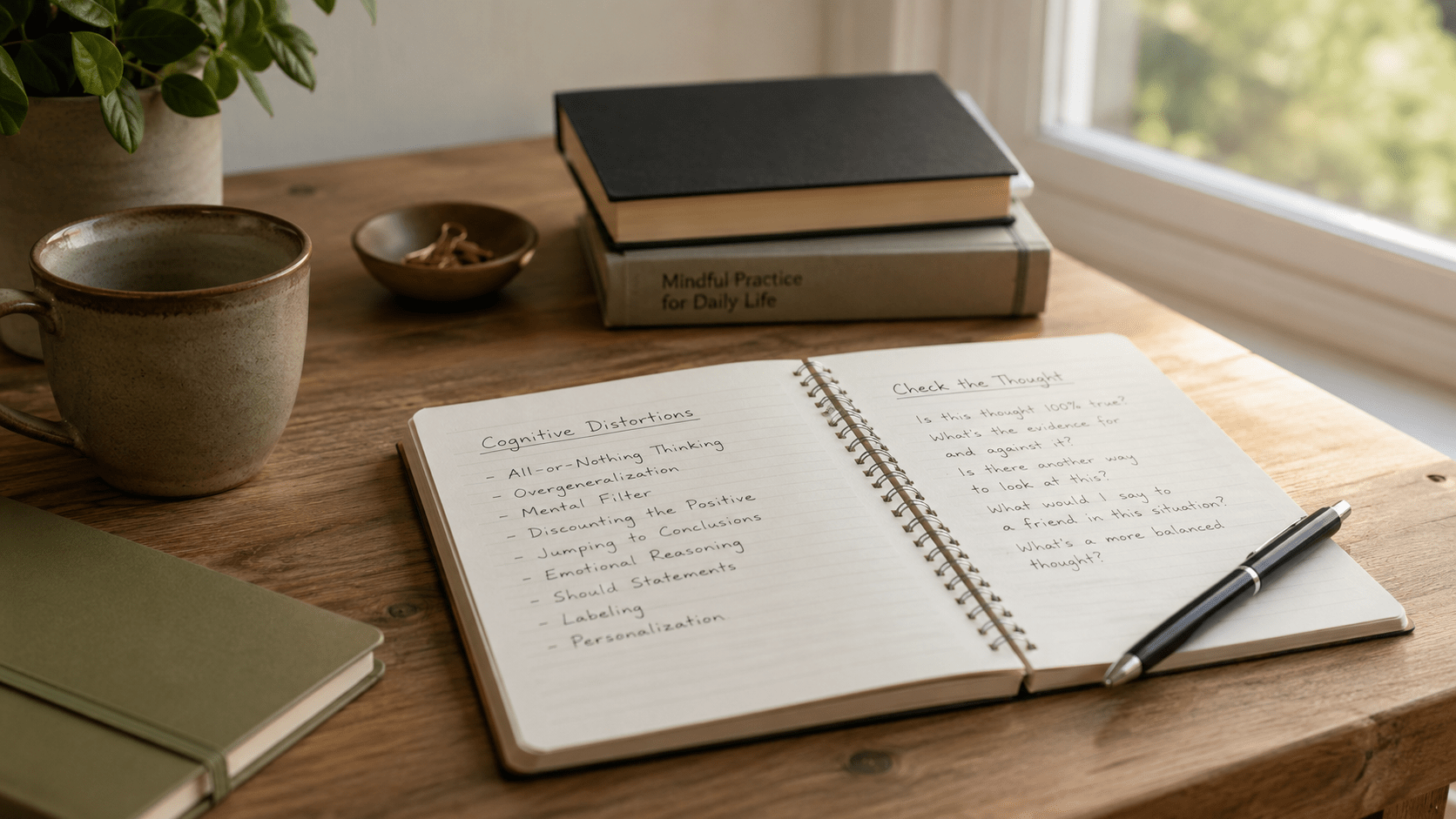
Cognitive Behavioral Therapy (CBT) helps patients identify connections among thoughts, behaviors, emotions and physical reactions. Dr. Freeman uses cognitive restructuring to examine conclusions that intensify negative emotional activation, develop more rational alternatives and support a more functional understanding of the situation.
This is not positive thinking or an instruction to ignore real problems. The purpose is to respond to uncertainty, mistakes, physical sensations and difficult situations with a more accurate and useful perspective.
Anxiety page icon

Behavioral Change and Reducing Avoidance

Behavioral strategies help patients test what happens when they respond differently. Depending on the concern, that may involve approaching a situation gradually, changing a reassurance habit, practicing assertive communication, scheduling meaningful activity or tolerating a manageable amount of uncertainty.
Dr. Freeman and the patient review the results together. A strategy that does not help provides information for adjusting the treatment plan rather than representing failure.
Anxiety page icon

Clinical Hypnosis, Mindfulness and Relaxation

Clinical hypnosis, mindfulness and relaxation are current parts of Dr. Freeman’s practice. They may be used to reduce arousal, increase awareness of automatic reactions and help patients practice a steadier response to anxious thoughts or physical sensations. These approaches are individualized rather than presented as universal solutions.
Anxiety page icon

Anxiety and Sleep

Anxiety can make bedtime feel like a performance test. A person may monitor the clock, predict a disastrous next day or try so hard to force sleep that the nervous system becomes more alert. When insomnia has become a separate, self-maintaining problem, Dr. Freeman may combine anxiety treatment with Cognitive Behavioral Therapy for Insomnia (CBT-I) and direct sleep-focused strategies.

Medication and Coordination With Medical Care
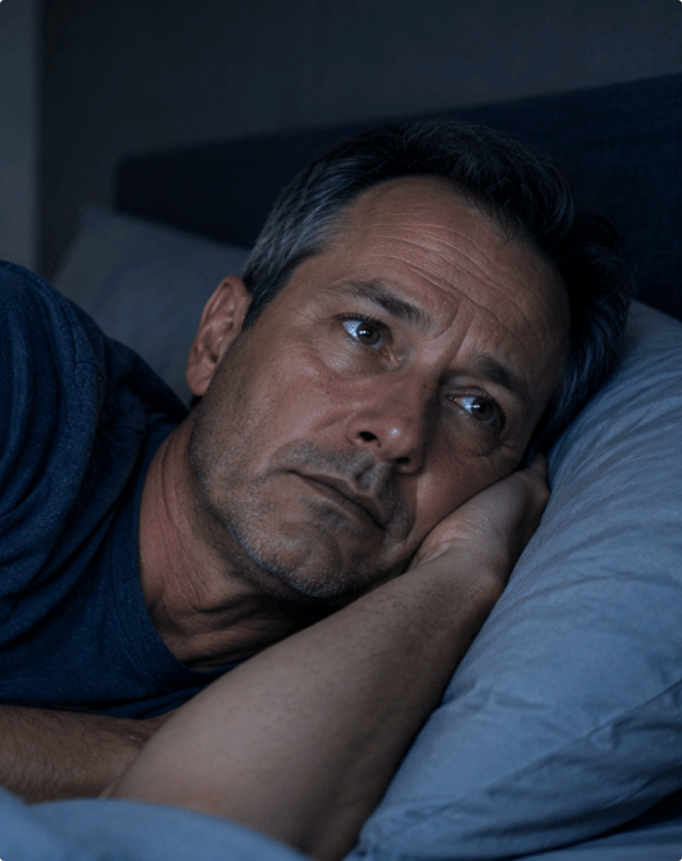
Dr. Freeman does not prescribe medication. He supports appropriate psychiatric medication, including SSRIs, mood stabilizers and other medication when it contributes to coordinated care. Any medication decision remains with the prescribing clinician.
Coordination with primary-care clinicians, psychiatrists, sleep physicians and other specialists is routine when relevant and authorized. New, severe or unexplained physical symptoms should receive appropriate medical evaluation rather than being assumed to result from anxiety.
Man lying awake in bed at night with a worried expression, illustrating anxiety and insomnia

What to Expect From Anxiety Treatment

Therapy with Dr. Freeman is active and collaborative. Sessions may include education, direct feedback, cognitive work, behavioral planning, guided exercises and skills to practice between appointments. The patient and Dr. Freeman review what helped, what was difficult and what should change.

Many focused courses of treatment fall within approximately 8 to 12 sessions when that range fits the concern and the patient’s goals. More time may be appropriate when anxiety occurs with complex trauma, severe sleep disruption, chronic pain, medical conditions or other psychiatric concerns. No duration or result is guaranteed.

In-person anxiety treatment is available at Dr. Freeman’s San Diego office. Teletherapy is available throughout California when clinically appropriate, including for patients in other California cities, traveling within the state, managing local traffic or temporarily unable to attend because of mild or moderate illness.

Dr. Freeman's Clinical Perspective

Anxiety treatment is not an attempt to eliminate every anxious thought or persuade a patient to think positively. Dr. Freeman looks at the sequence: what triggers alarm, how the situation is interpreted, what happens in the body and what the patient does next. Avoidance or repeated reassurance may bring short-term relief while strengthening the cycle over time.
Treatment helps the patient test different responses in manageable steps. When anxiety is connected with insomnia, trauma, pain or medical concerns, those relationships are addressed directly so that the plan does not treat one symptom in isolation.
Dr. Freeman distinguishes temporary relief from longer-term change. Treatment may help a patient reduce patterns that repeatedly produce a short burst of comfort but leave worry, avoidance or self-criticism intact. The aim is not constant happiness; it is greater flexibility, steadier functioning and a life organized around meaningful priorities rather than fear.
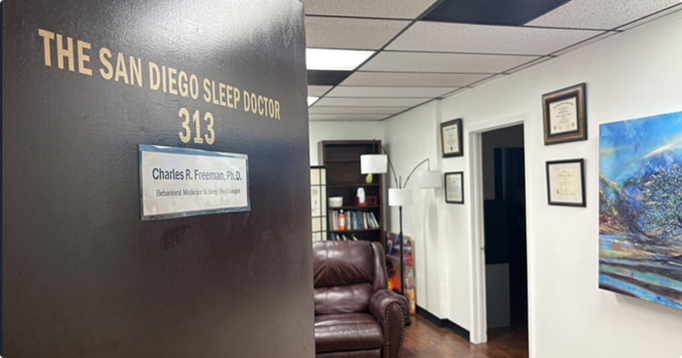
Office entrance reading The San Diego Sleep Doctor, Suite 313, with a view of the hallway and diplomas

When Medical or Additional Care May Be Needed
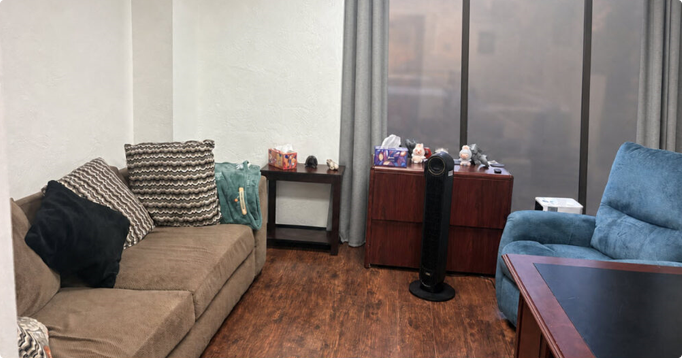
Anxiety can cause powerful physical sensations, but new, severe or unexplained physical symptoms may also require medical assessment. Dr. Freeman can coordinate with medical or prescribing clinicians when appropriate and authorized; he does not prescribe medication.
The practice website and consultation request are not emergency services. In a life-threatening emergency, call 911. For immediate emotional support or a suicidal crisis, call or text 988 or visit the 988 Suicide & Crisis Lifeline
Comfortable therapy office with a sofa, blue armchair and soft lighting in San Diego

Frequently Asked Questions

Is a formal anxiety diagnosis required before contacting Dr. Freeman?
No. A patient may seek help because worry, avoidance, tension, sleep difficulty or another anxiety-related pattern is affecting daily life. Assessment can help clarify the concern and appropriate treatment options.
No. CBT examines whether a thought is accurate, useful and supported by the available information. It also uses behavioral strategies to test new responses in real situations.
Yes. Anxiety and insomnia often reinforce one another. Treatment may address anxious thinking and behavior while also using CBT-I or other sleep-focused methods when insomnia needs direct care.
No. Dr. Freeman does not prescribe or direct medication changes independently. Medication decisions remain coordinated with the patient’s prescribing clinician.
Children and adolescents remain within Dr. Freeman’s scope when the patient’s age, symptoms and treatment setting are appropriate. A parent or caregiver can use the consultation to discuss the concern and fit.
Teletherapy is available throughout California when it is clinically appropriate and consistent with current licensure requirements.

Related Services

Related Reading From Dr. Freeman’s Blog

These articles explain how anxious thinking, sleep pressure and trauma-related arousal can affect well-being. They provide education rather than a diagnosis or a substitute for individualized care.
  • Anxiety Treatment
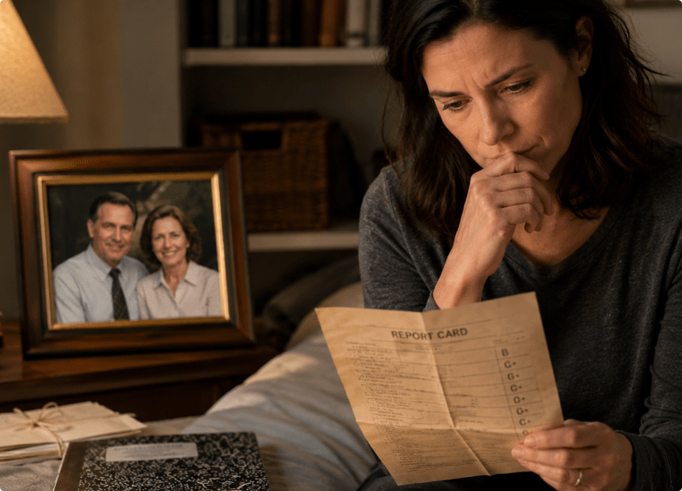
Worried woman holding an old report card next to a framed photo of a couple, reflecting on anxiety

Authoritative Information

Read the National Institute of Mental Health’s overview of anxiety disorders. This federal resource provides general information about anxiety symptoms, treatment and finding help.

About Dr. Charles R. Freeman, Ph.D.

Dr. Freeman is a California-licensed psychologist in San Diego with over 35 years of clinical experience. His practice specializes particularly in insomnia and sleep problems and also includes anxiety, trauma and PTSD, chronic pain and behavioral medicine, CBT, CBT-I and EMDR. Appointments are available in person in San Diego and by teletherapy throughout California when clinically appropriate.
View California psychology license PSY #25414 or learn more about Dr. Freeman’s background and clinical approach.
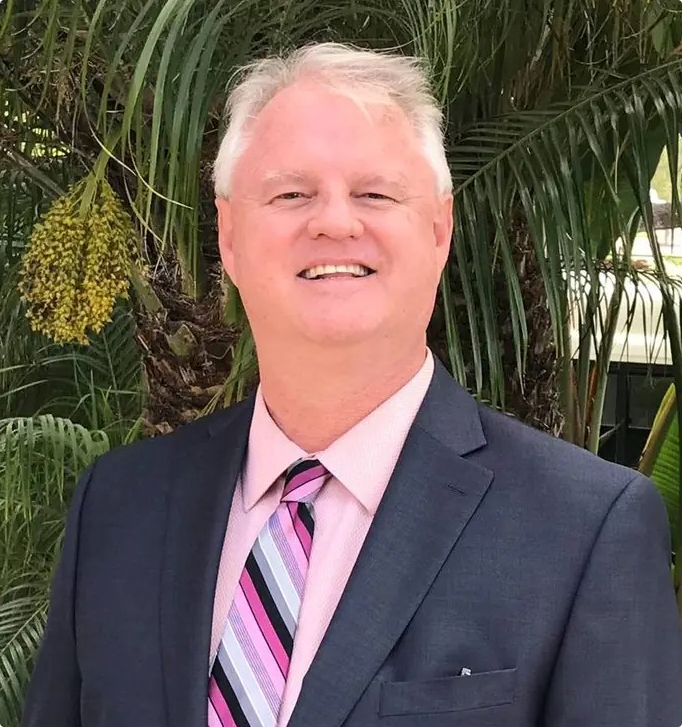
Smiling man in a navy suit and striped tie standing in front of palm fronds

Clinical Content Information

Clinical content by Dr. Charles R. Freeman, Ph.D., a California-licensed psychologist with over 35 years of clinical experience. View California psychology license PSY #25414.
Learn more about Dr. Freeman’s professional background and clinical approach.

Discuss Whether Dr. Freeman’s Approach Is a Fit

Patients do not need to decide which method they need before contacting Dr. Freeman. A consultation can begin with what is happening, what the patient wants to change and whether his experience and approach may be useful.