
Can Screen Addiction Cause Insomnia?
By Dr. Charles R. Freeman, Ph.D.
Yes. Compulsive phone, social media, gaming, streaming, or internet use can contribute significantly to insomnia. The problem is not simply that screens emit light. For many people, screens become a way to manage anxiety, boredom, loneliness, frustration, stress, or difficult thoughts at the end of the day. That temporary relief can become a habit, and the habit can keep the brain activated long after the body is tired.
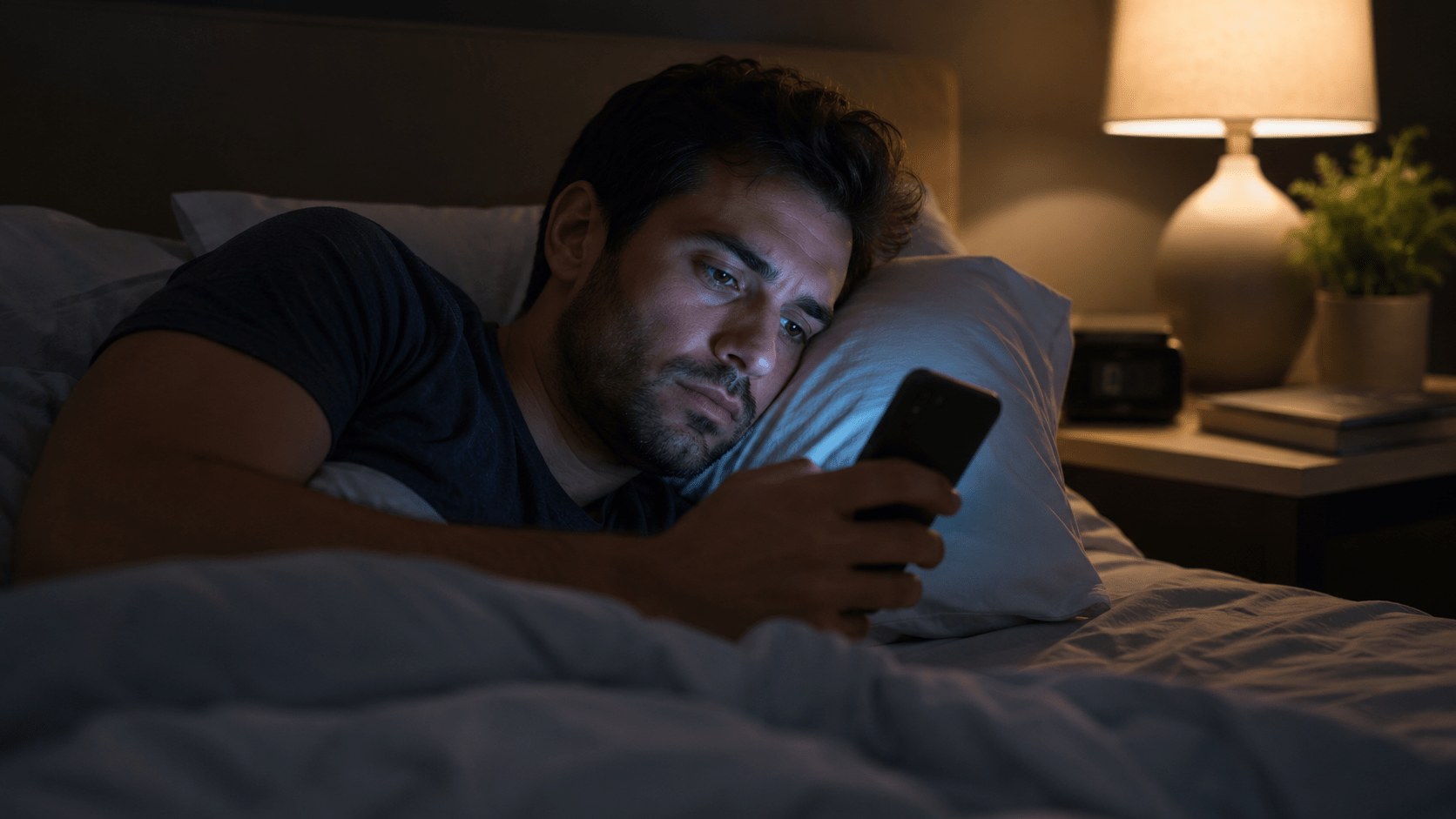
I often hear people say, “I know I should put my phone away, but I cannot stop scrolling.” They may be exhausted, ready for bed, and fully aware that staying online will make the next day harder. Yet they continue watching videos, checking messages, reading upsetting news, playing games, shopping, or moving from one social media post to another.
This is not always a simple issue of poor discipline. In some cases, it is a behavioral addiction pattern. The screen becomes a fast, reliable way to change how a person feels in the moment. Unfortunately, it can also interfere with sleep, worsen anxiety, and create a cycle that becomes harder to break over time.
Why Screen Addiction Can Cause Insomnia
Technology can delay sleep for several reasons. First, phones, tablets, computers, and televisions expose the eyes to light that can interfere with the circadian rhythm. Your circadian rhythm is the internal body clock that helps regulate when you feel awake and when you feel sleepy. Bright screen exposure late at night can signal to the brain that it is still time to be alert rather than preparing for sleep.
However, light is only part of the problem. The content on the screen may be even more activating. A person may be watching emotionally intense videos, reading arguments online, comparing themselves to others, checking work email, playing a competitive game, or waiting for a message from someone important. These activities can activate the sympathetic nervous system, which is the body’s fight-or-flight system.
When the sympathetic nervous system is activated, the body is not in a good position to sleep. Your mind may become more alert. Your heart rate may increase. You may begin thinking about problems, relationships, work, finances, or the next day. The screen may have started as a distraction, but it can end by making sleep much more difficult.
Is Phone Addiction Really an Addiction?
Not everyone who uses a phone frequently has an addiction. Technology is necessary for work, communication, entertainment, education, and daily life. The concern begins when a person loses control over use and continues despite clear negative consequences.
For example, a person may continue using a phone late at night despite repeated insomnia, daytime exhaustion, conflict with a partner, declining work performance, or worsening anxiety. They may promise themselves they will stop after one more video, one more game, or one more post, but find themselves still online an hour later.
The internet itself is not necessarily the problem. People usually become attached to a particular reward available through the device. For one person, it may be social media approval. For another, it may be gaming, pornography, online shopping, gambling, streaming, news consumption, messaging, trading, or endless browsing. Each behavior can serve a different emotional purpose.
The common pattern is that the activity provides immediate relief, stimulation, pleasure, escape, or distraction. That immediate reward can make the behavior more likely to happen again.
How Screen Addiction Can Cause Insomnia Through Anxiety and Avoidance
Many people use their phones at night because nighttime is when difficult emotions become louder. During the day, work, family responsibilities, errands, and routines can keep a person occupied. When the house becomes quiet and the distractions are gone, anxiety, grief, loneliness, frustration, shame, anger, or trauma-related thoughts may surface.
A phone can quickly reduce that discomfort. A person may scroll through social media, watch a show, play a game, or search for information. For a few minutes, they feel less alone, less anxious, less bored, or less distressed.
In behavioral psychology, this is called negative reinforcement. Negative reinforcement does not mean the behavior is bad. It means that a behavior becomes stronger because it temporarily removes or reduces an unpleasant internal state. If checking a phone reduces anxiety for a few minutes, the brain learns that checking the phone is a solution to anxiety.
The problem is that the underlying anxiety, loneliness, trauma response, or frustration has not been addressed. The person gets temporary relief, but the emotional issue remains. Over time, they may need more screen time to achieve the same relief, especially when they are tired, stressed, or emotionally overwhelmed.
How Screen Addiction Cause Insomnia by Missing the Sleepy Window
Many people have a natural period in the evening when they feel sleepy. I often refer to this as the sleepy window. It may last approximately one and a half to two hours. During that time, the body is signaling that it is ready to rest.
When someone ignores that sleepy window because they are online, they may become reactivated. They might feel tired at 10:00 p.m., but continue scrolling, gaming, watching videos, or texting until midnight. By then, they may feel wired rather than sleepy.
This is especially common in people with delayed sleep phase patterns. They may already have a tendency to fall asleep later than they would like. Late-night screen use can push the sleep schedule even later, making it difficult to wake up for work, school, parenting, or other responsibilities.
The next morning, they are exhausted. They may sleep late when they can, use caffeine to get through the day, and then repeat the same pattern the following night. Over time, this can create chronic insomnia and a disrupted circadian rhythm.
Why Is Screen Use So Hard to Stop?
Digital technology is designed around immediacy, novelty, and unpredictable rewards. You can access entertainment, attention, information, social connection, sexual stimulation, shopping, news, and distraction within seconds. There are very few natural stopping points.
Social media feeds do not end. Streaming platforms automatically begin the next episode. Games offer new levels, rewards, and challenges. Messages, likes, notifications, and headlines create anticipation. The next item might be interesting, comforting, exciting, or emotionally rewarding.
This pattern is called intermittent reinforcement. The reward does not arrive every time, which can make the behavior even more compelling. A person keeps checking because the next post, message, video, or notification might provide the reward they are looking for.
That is one reason people can feel mentally exhausted yet still unable to put the phone down. The brain is waiting for the next reward, even when the body needs sleep.
Can Screen Addiction Cause Insomnia and Worsen Anxiety?
Yes. Screen overuse can worsen anxiety, depression, irritability, attention problems, and relationship stress. A person who stays up late online may lose restorative sleep. Poor sleep then makes it harder to regulate emotions, manage stress, think clearly, and tolerate frustration.
Sleep is one of the foundations of health. I often describe exercise, nutrition, sound sleep, and meaning or purpose as four legs of a table. If one leg is weak, the entire table becomes less stable. Someone may exercise regularly, eat reasonably well, work hard, and care deeply about their family, but if their sleep is consistently poor, their emotional and physical health can still begin to suffer.
Insomnia is often the symptom rather than the root cause. A person may say they have a sleep problem, but underneath that sleep problem may be anxiety, trauma, depression, grief, chronic stress, pain, relationship conflict, or an addiction pattern. If we only focus on getting the person to sleep, we may miss what is keeping the nervous system activated in the first place.
What I Often See in Practice
I often work with people who have tried to solve their insomnia through sleep hygiene alone. They have bought blackout curtains, changed their mattress, taken supplements, avoided caffeine, used white noise, and set strict bedtime rules. These steps can be helpful, but they are often not enough when the real issue is emotional activation or a compulsive relationship with technology.
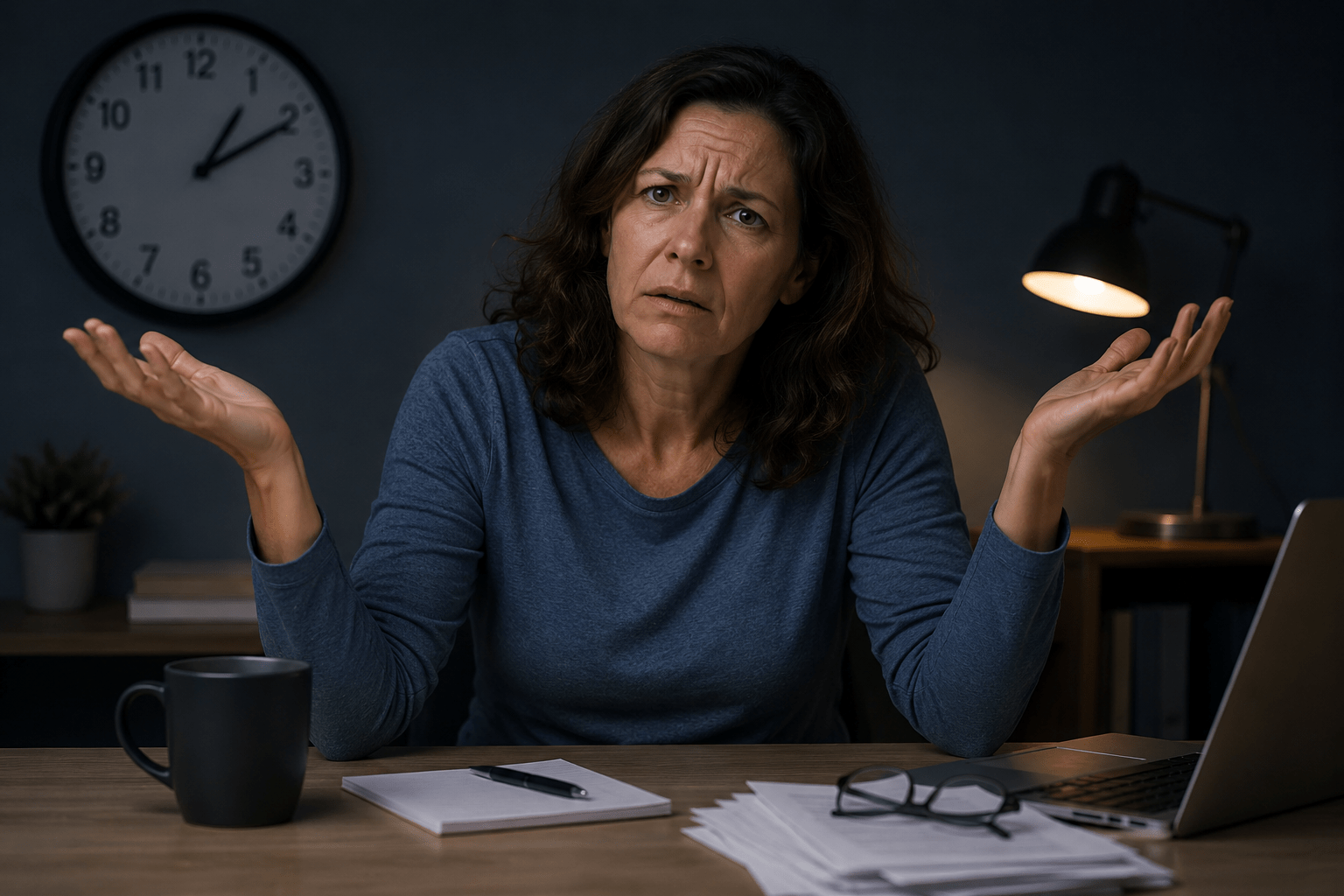
Some patients become anxious about sleep itself. They monitor the clock, calculate how many hours they have left, worry about work the next day, and become increasingly frustrated when they cannot fall asleep. Then they reach for the phone because it distracts them from the fear of being awake.
In the short term, the phone may feel helpful. In the long term, it can teach the brain that the bed is a place for stimulation, problem-solving, scrolling, worrying, and emotional escape rather than sleep. This is one way screen addiction cause insomnia even when the person feels physically exhausted.
Effective treatment usually involves more than telling someone to stop using their phone. We need to understand what the phone is doing for them emotionally. Is it reducing anxiety? Is it helping them avoid loneliness? Is it providing a sense of connection? Is it distracting them from trauma-related thoughts or nightmares? Is it a way to avoid being alone with their own mind?
Once we understand the function of the behavior, we can develop healthier strategies. Cognitive Behavioral Therapy for Insomnia, or CBT-I, is the gold standard treatment for chronic insomnia. CBT-I helps patients change the thoughts, habits, and learned associations that keep insomnia going. It can be combined with cognitive behavioral therapy for anxiety, trauma treatment, EMDR, hypnosis, relaxation training, and other approaches when appropriate.
How to Reduce Screen Addiction That Causes Insomnia
The goal is not to create a rigid set of rules that makes you more anxious about sleep. The goal is to reduce stimulation and help your brain reconnect bedtime with rest. A gradual, practical approach is usually more effective than trying to change everything overnight.
Start by noticing your pattern. What time do you usually begin using your phone in bed? What are you looking at? How do you feel before you pick it up? How do you feel afterward? You may find that the screen use is connected to a predictable emotional trigger.
It is also helpful to create some distance between yourself and the device. Charging the phone outside the bedroom, using a traditional alarm clock, turning off nonessential notifications, and setting a reasonable screen cutoff time can reduce automatic use. If you are not ready to remove the phone from the bedroom, begin with a smaller change, such as placing it across the room rather than on the nightstand.
For people who use screens to manage anxiety, it is important to have another tool ready. This might include a relaxation exercise, breathing practice, guided imagery, journaling, meditation, a calming audiobook, or a brief cognitive exercise that helps you challenge catastrophic sleep thoughts. The replacement behavior should not be perfect. It simply needs to give you another way to respond when difficult feelings show up.
Key Takeaways
- Compulsive screen use can contribute to insomnia by delaying the circadian rhythm and activating the nervous system.
- Late-night phone use is often connected to anxiety, boredom, loneliness, frustration, trauma-related distress, or avoidance of difficult thoughts.
- Temporary emotional relief from scrolling, gaming, streaming, or messaging can reinforce the habit and make it harder to stop.
- Missing your natural sleepy window can leave you feeling wired and delay sleep even further.
- CBT-I and therapy for underlying anxiety, trauma, or emotional distress can help create more sustainable improvement than relying on willpower alone.
Frequently Asked Questions
Can blue light from my phone really affect sleep?
Yes. Bright screen exposure at night can interfere with the circadian rhythm and delay the brain’s preparation for sleep. However, the emotional stimulation from content, messages, games, work, news, and social media can be just as important as the light itself.
Why do I feel tired but cannot stop scrolling?
You may be physically tired while your brain remains emotionally activated. Scrolling can provide novelty, distraction, social connection, or temporary relief from anxiety and boredom. That reward can keep you engaged even when you need sleep.
Is it better to read on my phone than scroll through social media?
Reading something calm and non-stimulating may be less activating than social media, work email, upsetting news, or gaming. However, if the phone keeps you awake longer than intended, it may still interfere with sleep. The most important question is whether the activity helps you become calmer or keeps your mind engaged.
Can CBT-I help if my insomnia is related to phone use?
Yes. CBT-I can help you change the habits and thought patterns that maintain insomnia. If phone use is connected to anxiety, trauma, depression, or compulsive behavior, treatment can also address those underlying issues.
Should I stop using my phone completely at night?
For some people, removing the phone from the bedroom is very helpful. For others, a gradual approach works better. The goal is to reduce the phone’s role as a nighttime coping strategy and help your brain associate bedtime with rest rather than stimulation.
Conclusion
If you are repeatedly staying up later than you intend because of your phone, social media, gaming, streaming, or other screen use, it may be worth looking beyond the device itself. The important question is often not simply, “Why can’t I put my phone down?” It may be, “What am I trying not to feel when I pick it up?”
When screen use becomes the main way of coping with anxiety, loneliness, stress, trauma-related thoughts, or boredom, it can create short-term relief while making sleep and emotional well-being worse over time. Sustainable improvement comes from addressing the underlying causes, learning practical skills, and developing a healthier relationship with both sleep and technology.
About the Author
 Dr. Charles R. Freeman, Ph.D., is a psychologist specializing in insomnia, sleep disorders, PTSD, anxiety, trauma, and Cognitive Behavioral Therapy for Insomnia (CBT-I). He has more than 25 years of experience helping individuals improve sleep, emotional well-being, and overall quality of life through evidence-based treatment approaches. If you would like to learn more about treatment options or schedule a consultation, please contact Dr. Freeman.
The information in this article is provided for educational purposes only and is not intended to replace professional medical or psychological advice. Individual circumstances vary, and readers should consult a qualified healthcare professional regarding their specific concerns.