
Dr. Charles Freeman – San Diego Insomnia and Sleep Problems Treatment – San Diego Trauma and PTSD Treatment

Anxiety and sleep

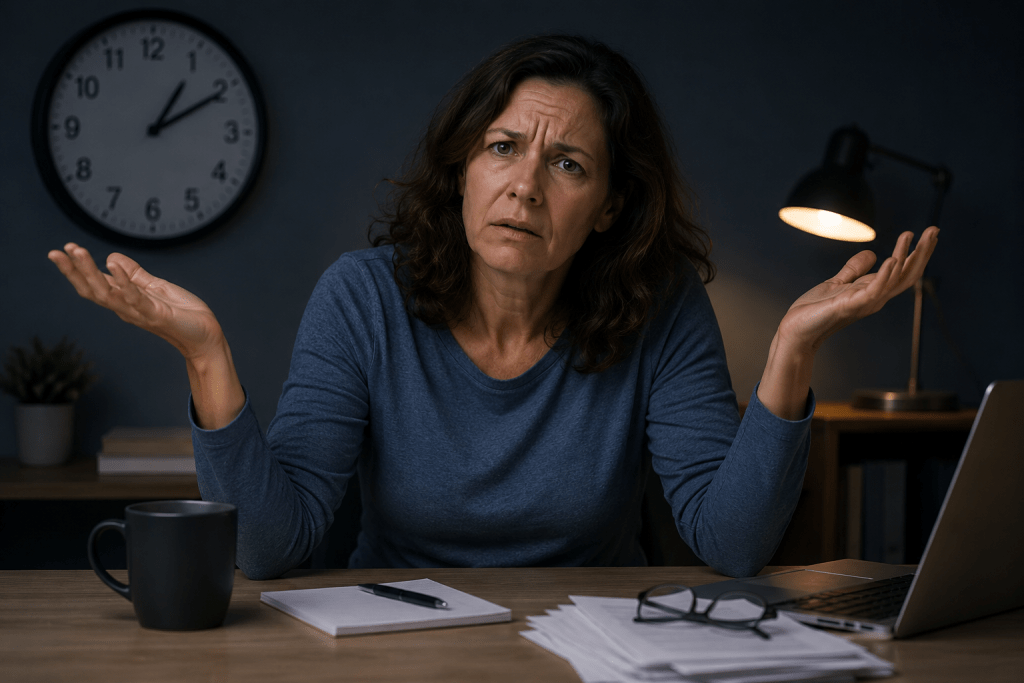
Why am I exhausted but still can’t sleep tired woman sitting awake at a desk with arms raised in confusion

Why Am I Exhausted but Still Can’t Sleep?

Yes. You can feel completely exhausted and still be unable to sleep. This frustrating pattern usually means that fatigue and alertness are occurring at the same time. Your body needs rest, but your nervous system remains activated. You may feel physically drained, mentally tired, and desperate for sleep, yet your mind keeps scanning, worrying, or reacting as though something requires your attention.

Many people assume exhaustion should automatically produce sleep. That assumption makes sense, but sleep does not work that way. Sleep depends on more than fatigue. It also requires the nervous system to shift out of a state of alertness. When anxiety, stress, pain, fear, or sleep-related pressure keeps the system activated, a person can be exhausted but still unable to sleep.

Why Am I Exhausted but Still Can’t Sleep? Read More »

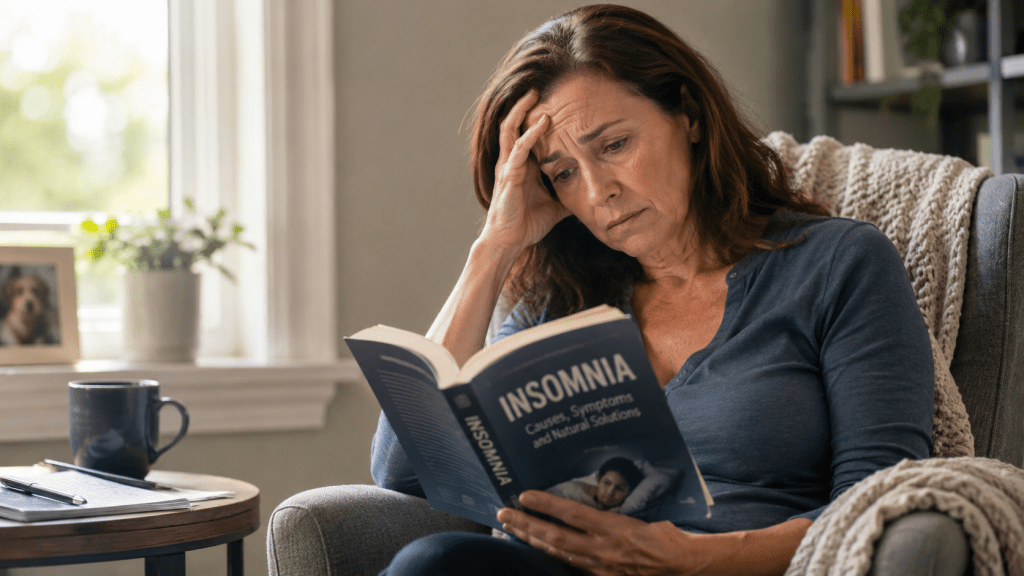
Obsessed with fixing sleep woman reading insomnia book with worry and exhaustion

Why Insomnia Patients Become Obsessed With Fixing Sleep

Many people with insomnia become obsessed with fixing sleep because the brain starts treating wakefulness as an emergency. A few bad nights can turn into hours of research, symptom checking, medication worry, rigid routines, and constant fear about what will happen if sleep does not return.

This pattern makes sense. Sleep is one of the foundations of health. When sleep suddenly breaks down, people naturally want answers. They may search online, read forums, ask doctors for reassurance, try new routines, change medications, and monitor every sensation in the body. At some point, sleep stops being a natural process and becomes a problem to solve all day long.

That effort can backfire. The harder a person tries to force sleep, the more activated the nervous system becomes. Sleep needs safety, not pressure. When the mind keeps asking, “What if I don’t sleep tonight?” the body often responds with alertness instead of rest.

Why Insomnia Patients Become Obsessed With Fixing Sleep Read More »

Mountain sunrise above a sea of clouds representing anxiety-related chronic insomnia, emotional recovery, and the return of restorative sleep

Can Anxiety Cause Chronic Insomnia?

Yes, anxiety can absolutely cause chronic insomnia. It can also maintain it long after the original stressor has passed. In my clinical work, I often see that people are not just struggling with sleep. They are struggling with a nervous system that has learned to stay alert, a mind that keeps scanning for problems, and growing fear about what will happen if they do not sleep.

That is why I often say that insomnia is frequently the symptom, not the root cause. Sleep is one of the foundations of health, but sleep does not exist in isolation. Thoughts, emotions, physical symptoms, and behavior all influence one another. When anxiety becomes chronic, sleep is often one of the first systems to break down.

Can Anxiety Cause Chronic Insomnia? Read More »