

Dr. Freeman's Blog Posts

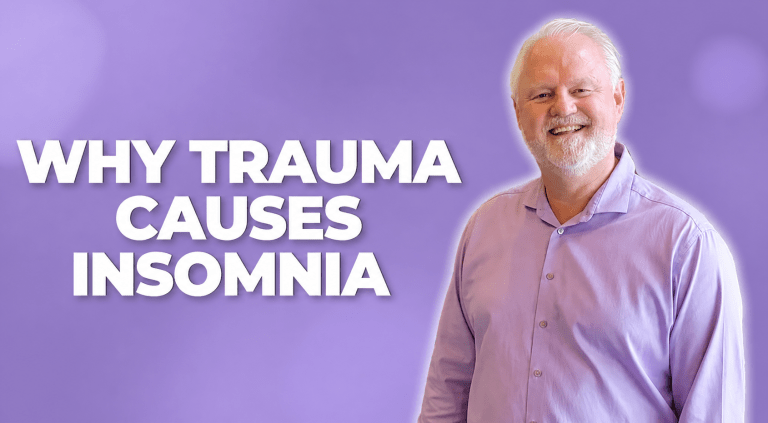
Dr. Charles R. Freeman standing against a purple background with the words Why Trauma Causes Insomnia, explaining how trauma affects sleep

Why Trauma Affects Sleep for Years

Trauma affects sleep for years because the body may continue operating as if danger is still nearby, even when the traumatic event is over. That is why trauma affects sleep long after the event has ended. A person may intellectually know, “I am safe now,” while the nervous system still


Read More »
EMDR for trauma-related problems with therapist guiding bilateral stimulation

EMDR for Trauma-Related Problems

EMDR for trauma-related problems may help when painful memories, body reactions, nightmares, shame, fear, or relationship patterns continue long after the original experience has ended. EMDR stands for Eye Movement Desensitization and Reprocessing. It is a structured trauma therapy that helps patients work with disturbing memories without simply talking in

Read More »
EMDR and PTSD recovery in a calm therapy office with chairs and a notebook

EMDR and PTSD Recovery

EMDR may support PTSD recovery for some patients by helping them process traumatic memories that continue to trigger fear, shame, anger, body tension, nightmares, avoidance, and hypervigilance. EMDR is not about erasing the past. It is about helping the nervous system respond differently so the traumatic memory is no longer

Read More »
EMDR therapy tools on a calm office table showing how EMDR works for trauma, PTSD, nightmares, and sleep disruption

How EMDR Works

EMDR works by helping the brain reprocess disturbing memories so they no longer feel as emotionally intense, threatening, or present in daily life. The memory is not erased. The goal is that the nervous system no longer reacts to the memory as if the danger is happening right now.

EMDR

Read More »
Therapist guides a patient through an EMDR therapy session using eye movement techniques in a calm clinical office

What Is EMDR Therapy?

EMDR therapy, or Eye Movement Desensitization and Reprocessing, is a structured trauma-focused therapy that helps people process distressing memories so the nervous system no longer reacts as strongly or automatically. EMDR does not erase the past. The goal is to reduce the emotional charge, body reaction, and negative beliefs connected

Read More »
Frightened man awake in bed after a nightmare, representing trauma-related nightmares, PTSD sleep problems, and EMDR treatment

Can EMDR Help Reduce Nightmares?

Can EMDR help reduce nightmares? Yes, EMDR may help reduce nightmares when the nightmares are connected to trauma, PTSD, anxiety, or disturbing memories that the nervous system has not fully processed. EMDR does not work by trying to force the dream to stop. It works by helping the brain process

Read More »
Trauma survivor speaking with a therapist in a calm office, representing trauma-related insomnia, hypervigilance, and sleep recovery

Why Trauma Survivors Often Struggle With Sleep and Insomnia

Why Trauma Survivors Often Struggle With Sleep and Insomnia By Dr. Charles R. Freeman, Ph.D. Trauma survivors often struggle with sleep because the nervous system may stay alert long after the danger has passed. Bedtime can feel unsafe when the brain connects stillness, darkness, or loss of control with threat.

Read More »

Dr. Freeman's Articles on Sleep, Trauma, and Behavioral Medicine