Dr. Charles Freeman – San Diego Insomnia and Sleep Problems Treatment – San Diego Trauma and PTSD Treatment

nutrition and sleep

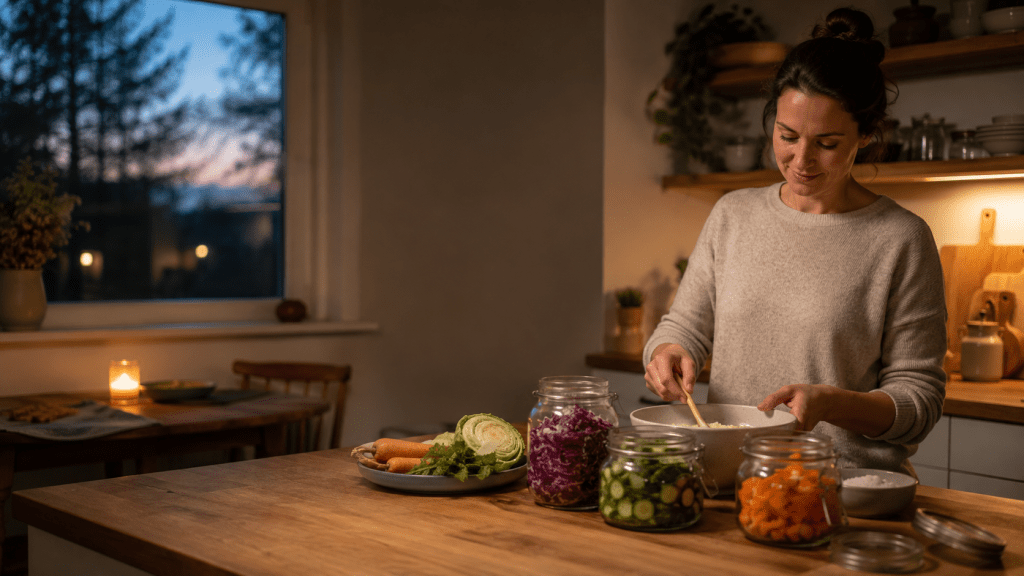
Gut health and sleep support through fermented foods and calm evening nutrition

Can Gut Health Affect Anxiety, Inflammation, and Sleep?

Gut health and sleep are connected, but not in the simple way often promoted online. Food does not cure chronic insomnia, anxiety, PTSD, trauma, or depression. Nutrition can support the body’s biological systems, including gut health, inflammation, blood sugar stability, immune function, and sleep regulation. Lasting improvement often requires treatment that addresses the psychological, behavioral, and nervous-system patterns that keep symptoms going.

In my previous article, “Eleven Best Foods That Help You Sleep,” I discussed foods that may support better sleep. This article looks at why food may matter in the first place. The gut, brain, immune system, hormones, metabolism, and sleep-wake system are not separate departments. They communicate constantly.

That does not mean your anxiety is “just your gut.” It does not mean fermented foods will fix insomnia. It means your body and brain work as a connected system, and nutrition is one part of that system.

Can Gut Health Affect Anxiety, Inflammation, and Sleep? Read More »

Sleep-promoting foods including bananas, oatmeal, almonds, kiwi, tart cherry juice, whole grain bread, turkey, milk, and flaxseeds arranged on a kitchen table

Eleven Best Foods That Help You Sleep

f you struggle with insomnia, you may have wondered whether certain foods can help you fall asleep faster or sleep more soundly. The answer is yes, some foods appear to support healthy sleep. However, it is important to understand that no food can cure chronic insomnia. Nutrition can help create the conditions for better sleep, but long-term sleep improvement often requires addressing the underlying causes of sleep disruption. Last week, we discussed how food you eat before bedtime affects your quality of sleep, and today we will focus on elevel specific foods.

As a psychologist specializing in insomnia and sleep disorders, I frequently meet people searching for the perfect supplement, medication, or bedtime snack that will finally solve their sleep problems. While nutrition plays an important role in overall health, chronic insomnia is often connected to anxiety, trauma, PTSD, grief, chronic stress, or learned sleep behaviors. That is why Cognitive Behavioral Therapy for Insomnia (CBT-I) remains the gold-standard treatment for chronic insomnia.

Still, the foods you eat can influence sleep quality, blood sugar regulation, inflammation, and your body’s natural sleep-wake cycle. If you are looking for foods that may support better sleep, the following options have some of the strongest scientific support.

Eleven Best Foods That Help You Sleep Read More »

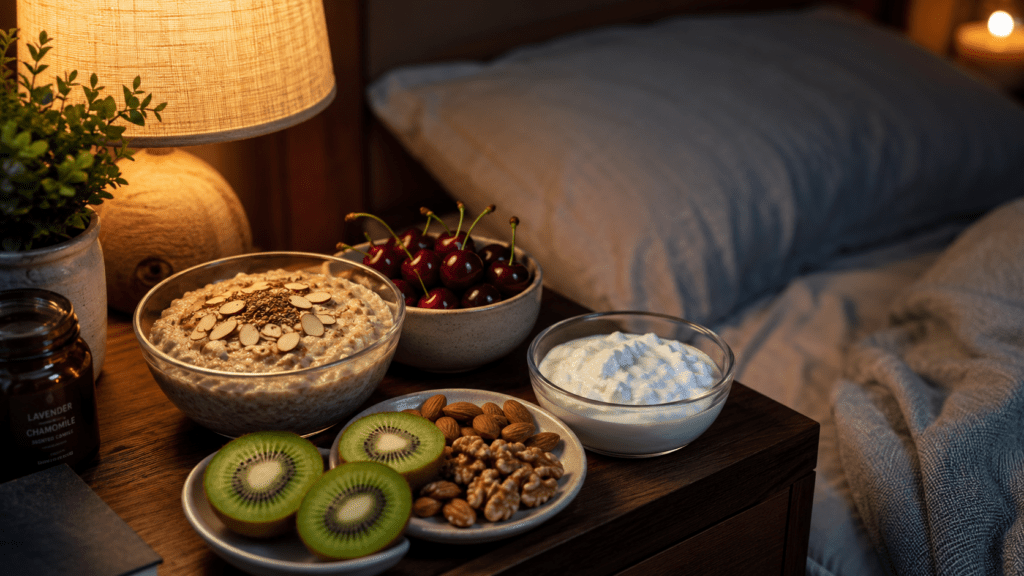
Healthy bedtime foods including oatmeal, cherries, kiwi, nuts, and yogurt that may support better sleep

Foods That Help You Sleep: What to Eat Before Bed

Foods That Help You Sleep: What to Eat Before Bed for Better Sleep By Dr. Charles R. Freeman, Ph.D. If you are struggling with insomnia, you may wonder whether certain foods can help you sleep better. The short answer is yes. Some foods appear to support healthy sleep, while others can interfere with it. However, nutrition is rarely the entire answer. While the right foods may help you fall asleep more easily and improve sleep quality, chronic insomnia is often driven by deeper factors such as anxiety, trauma, PTSD, chronic stress, grief, depression, pain, or learned sleep habits. As a psychologist specializing in insomnia and sleep disorders, I often see people searching for the perfect supplement, medication, or bedtime snack that will finally solve their sleep problems. Nutrition matters, but it is only one piece of a much larger puzzle. The most sustainable improvements in sleep usually come from combining healthy lifestyle habits with evidence-based treatment that addresses the underlying causes of insomnia. That being said, what you eat throughout the day—and especially in the evening—can absolutely influence how well you sleep at night. Why Nutrition Matters for Sleep When discussing health and emotional well-being, I often refer to four major foundations: exercise, nutrition, sound sleep, and meaning or purpose. These foundations work together much like the legs of a table. When one becomes unstable, the others are often affected as well. Many people focus exclusively on sleep when they are tired. Others focus on anxiety, stress, or mood. However, nutrition frequently gets overlooked. Poor dietary choices can contribute to fluctuations in energy, mood, inflammation, and blood sugar regulation, all of which can affect sleep quality. Nutrition also influences the body’s ability to regulate hormones and neurotransmitters involved in sleep. While no food can guarantee a perfect night’s sleep, a consistent pattern of healthy eating can create conditions that support healthy sleep over time. Can Certain Foods Really Help You Sleep? Modern research suggests that some foods may modestly improve sleep quality by supporting healthy melatonin production, promoting stable blood sugar levels, reducing inflammation, or helping the body relax before bedtime. One important point is that there is no magical sleep food. Unfortunately, many online articles oversimplify the science and suggest that eating one specific food will cure insomnia. If that were true, chronic insomnia would be easy to solve. Instead, think of nutrition as a way of creating a sleep-friendly environment within your body. The goal is to reduce factors that interfere with sleep while supporting the body’s natural sleep processes. What Foods Help You Sleep? Tart cherries are among the most researched foods associated with sleep. They contain naturally occurring melatonin and antioxidants that may support healthy sleep patterns. Some studies suggest that tart cherry juice may improve both sleep duration and sleep quality in certain individuals. Kiwi fruit has also attracted attention from researchers. Some studies have found that people who eat kiwi regularly before bedtime may fall asleep faster and experience better overall sleep quality. Kiwi contains antioxidants and other compounds that may support sleep regulation. Oatmeal is another useful option because it provides complex carbohydrates and fiber. Unlike sugary snacks that can create dramatic blood sugar fluctuations, oatmeal tends to provide a more gradual release of energy. Stable blood sugar levels are often beneficial for both sleep quality and emotional well-being. Nuts such as almonds and walnuts may also support sleep. They contain magnesium, healthy fats, and other nutrients associated with relaxation and overall health. While they are not sleep medications, they can be part of a healthy evening snack. Greek yogurt and other protein-rich dairy products may be beneficial as well. They provide protein, calcium, and sustained nutrition without causing rapid spikes and crashes in blood sugar. Many people find that a small serving of yogurt satisfies evening hunger without feeling overly heavy before bed. Whole grains, legumes, and other minimally processed foods can also support sleep by helping maintain more stable energy levels throughout the evening. In contrast, highly processed foods often contribute to blood sugar instability and may leave people feeling restless or uncomfortable during the night. What Foods Can Make Sleep Worse? Just as some foods may support sleep, others can interfere with it. Caffeine remains one of the most common sleep disruptors. Many people assume that if they can fall asleep after drinking coffee, caffeine is not affecting them. However, caffeine can reduce sleep quality even when a person appears to fall asleep without difficulty. Depending on the individual, caffeine consumed in the afternoon or evening may continue affecting sleep many hours later. Alcohol is another common culprit. Many people use alcohol because it initially makes them feel sleepy. Unfortunately, alcohol often disrupts sleep architecture later in the night. People may fall asleep quickly but experience fragmented sleep, increased awakenings, vivid dreams, and poor sleep quality. Large meals close to bedtime can also interfere with sleep. Heavy meals may increase digestive discomfort, reflux symptoms, or feelings of fullness that make it difficult to relax and fall asleep. Sugary foods and desserts deserve special attention. While they may provide temporary comfort, they can contribute to significant blood sugar fluctuations. These swings can increase physiological arousal and sometimes contribute to nighttime awakenings. Individuals with anxiety, depression, or insomnia may be particularly sensitive to these effects. Why Blood Sugar Stability Matters One of the most overlooked aspects of sleep nutrition is blood sugar regulation. Many people go through a daily cycle of consuming highly processed foods, sugary snacks, energy drinks, and caffeine. These foods can create periods of temporary energy followed by crashes in mood, concentration, and physical energy. When blood sugar fluctuates dramatically, the body often responds by releasing stress hormones. Those same stress hormones can make it harder to relax and initiate sleep. This is one reason why stable, balanced meals often support better sleep than restrictive dieting followed by evening overeating. For individuals struggling with insomnia, anxiety, or irritability, reducing blood sugar volatility may be one small but meaningful step toward

Foods That Help You Sleep: What to Eat Before Bed Read More »

Why can't I sleep at night

Why Can’t I Fall Asleep at Night? Causes and Remedies That Work

Why Can’t I Fall Asleep at Night? Causes and Remedies That Work By Dr. Charles R. Freeman, Ph.D. Many people struggle to fall asleep even when they feel tired. Lying awake at night, thinking, “Why can’t I fall asleep?” is not only frustrating but can also affect health, mood, and daytime functioning. Understanding why falling asleep becomes difficult is the first step toward finding real solutions. What Is Difficulty Falling Asleep? Difficulty falling asleep, also called sleep onset insomnia, means taking longer than 30 minutes to fall asleep at night, despite having the opportunity to sleep. People with this problem often lie in bed feeling anxious, restless, or mentally alert even when physically exhausted. Over time, nights of tossing and turning can create a cycle of sleep anxiety and worsen the problem (Kryger,  2017). Difficulty falling asleep is considered clinically significant when it causes daytime fatigue, poor concentration, mood swings, or impacts work, school, or relationships (Lee, 2020). Common Causes of Difficulty Falling Asleep Difficulty falling asleep rarely has a single cause. It usually results from a combination of habits, stress, environmental factors, and sometimes medical conditions. Stress and Anxiety Stress is one of the most common reasons people cannot fall asleep. Life events, work pressure, relationship problems, or health concerns can activate the brain’s alertness system and make it hard to relax at night. Even positive stress, such as excitement about a trip, can delay sleep (Kryger, 2017). Over time, people may develop conditioned insomnia, where simply getting into bed triggers anxiety about not sleeping. Poor Sleep Habits Behavioral habits can unintentionally keep the brain alert. Irregular sleep schedules, screen use before bedtime, and spending long periods in bed awake all teach the brain to associate bedtime with wakefulness instead of sleep. For example, adolescents who engage in late-night gaming often have more difficulty falling asleep than those with earlier shutdown times (Hamre et al., 2022). Environmental Disruptions Sleep requires a quiet, dark, and cool environment. Exposure to bright lights, noise, or warm temperatures at night can delay the body’s natural sleep processes. Research shows that high ambient temperatures, even indoors without air conditioning, make falling asleep significantly harder by preventing the body from cooling down naturally for sleep (Zheng et al., 2019). Diet and Stimulants Caffeine consumed late in the day can linger in the body and prevent sleep. Heavy evening meals, spicy foods, or alcohol can also cause discomfort or disrupt normal relaxation before bedtime. Among teenagers, unhealthy eating patterns are associated with more difficulty falling asleep (André et al., 2020). Medical Conditions Some medical issues, such as chronic pain, gastrointestinal reflux, or restless legs syndrome, can create discomfort that delays sleep. Psychiatric conditions, particularly anxiety disorders, are also strongly linked to difficulty initiating sleep (Kryger, 2017). Symptoms of Difficulty Falling Asleep Difficulty falling asleep typically presents as: Lying awake for more than 30 minutes before falling asleep Feeling wide awake at bedtime despite feeling tired earlier Becoming anxious or frustrated during bedtime Experiencing racing thoughts or inability to “shut off” the mind Worrying about how little sleep you will get Over time, these patterns may create a self-perpetuating cycle of poor sleep and increased nighttime anxiety (Lee, 2020). Effective Solutions for Falling Asleep More Easily While sleeping pills might seem like a quick fix, they are not recommended for long-term use. Lasting improvement usually comes from addressing habits, thoughts, and environment. Cognitive Behavioral Therapy for Insomnia (CBT-I): CBT-I is the gold standard treatment for difficulty falling asleep. It teaches people to change behaviors that worsen insomnia and to reframe unhelpful thoughts about sleep. Techniques such as stimulus control (getting out of bed if unable to fall asleep within 20 minutes) and sleep restriction (limiting time spent awake in bed) help retrain the brain to associate bed with sleep, not wakefulness (Lee, 2020). Sleep Hygiene Practices Improving basic habits can make a large difference. Key strategies include Keeping a consistent bedtime and wake-up time every day Turning off electronic devices at least 30 minutes before bed Creating a cool, quiet, and dark sleep environment Avoiding caffeine after mid-afternoon Using the bed only for sleep, not for TV, work, or worry Even small adjustments, like dimming lights an hour before bed, can help signal the body that it is time to wind down (Kryger, 2017). Relaxation Techniques Practices such as progressive muscle relaxation, deep breathing, or mindfulness meditation can calm the mind and body before bed. Relaxation reduces physical tension and mental hyperarousal, two common barriers to falling asleep. When to Seek Help If difficulty falling asleep persists for more than a month and affects your daytime life, it is time to consult a sleep specialist. Treatments like CBT-I have high success rates and do not rely on medications. With the right support, restful sleep is within reach. Getting professional help early can prevent short-term sleep problems from becoming long-term insomnia. Related Blog Posts Why Sleeping Piills Sometimes Stop Working How a Psychologist and Coach Can Help You Sleep Better How Changing Your Behavior Changes Your Sleep References André, B., Canhão, H., Espnes, G. A., Rodrigues, A. M. F., Gregorio, M. J., Nguyen, C., Sousa, R., & Grønning, K. (2020). Association between food patterns and difficulties in falling asleep among adolescents in Norway—A descriptive Young-HUNT3 study. Journal of Public Health, 29, 1373–1378. https://doi.org/10.1007/s10389-020-01249-4 Hamre, R., Smith, O. R. F., Samdal, O., & Haug, E. (2022). Gaming behaviors and the association with sleep duration, social jetlag, and difficulties falling asleep among Norwegian adolescents. International Journal of Environmental Research and Public Health, 19(1765). https://doi.org/10.3390/ijerph19031765 Kryger, M. (2017). The Mystery of Sleep: Why a Good Night’s Rest Is Vital to a Better, Healthier Life. Yale University Press. Lee, E. (2020). Cognitive behavior therapy for insomnia. Journal of the Korean Medical Association, 63(8), 477–483. https://doi.org/10.5124/jkma.2020.63.8.477 Zheng, G., Li, K., & Wang, Y. (2019). The effects of high-temperature weather on human sleep quality and appetite. International Journal of Environmental Research and Public Health, 16(270). https://doi.org/10.3390/ijerph16020270 About the Author Dr. Charles R. Freeman,

Why Can’t I Fall Asleep at Night? Causes and Remedies That Work Read More »

Middle-aged woman in pajamas standing in a kitchen at night, holding a sugary snack and wondering if sugar can affect sleep and cause insomnia

Can Sugar Keep You Awake? The Connection Between Sugar and Sleep

Can Sugar Keep You Awake? The Connection Between Sugar and Sleep By Dr. Charles R. Freeman, Ph.D. Can sugar keep you awake? Many people are surprised to learn that the answer is yes. While stress and anxiety are common causes of insomnia, sugar can also affect sleep quality, energy levels, and nighttime awakenings. As a behavioral medicine psychologist specializing in insomnia, I often encourage patients to examine whether their evening sugar consumption is contributing to their sleep difficulties. When people think about the causes of insomnia, they often focus on stress, anxiety, trauma, or sleep habits. Those factors are certainly important. However, one area that is frequently overlooked is nutrition. As a behavioral medicine psychologist specializing in insomnia, I often encourage patients to examine what they are putting into their bodies, particularly during the afternoon and evening hours. Many people are surprised to discover that sugar may be contributing to their sleep difficulties. Sleep does not occur in isolation. It is connected to your physical health, emotional well-being, exercise habits, stress levels, and nutrition. When one area is out of balance, the others often suffer as well. Can Sugar Keep You Awake at Night? One of the most common questions people ask is whether sugar can keep them awake. The answer is yes. Sugar affects the body in complex ways. After consuming a large amount of sugar, blood sugar levels rise rapidly. The body then releases insulin to bring those levels back down. These fluctuations can affect energy, mood, and alertness. Some people become restless, experience increased energy, develop racing thoughts, have difficulty falling asleep, wake up during the night, or feel unusually wired at bedtime. Others may initially feel sleepy after eating sugar, only to awaken later when blood sugar levels begin to shift. This is one reason many sleep specialists recommend limiting sugar consumption in the hours before bedtime. Does Sugar Keep You Awake or Make You Tired? Interestingly, sugar can have the opposite effect as well. Many people report feeling exhausted after eating sweets. This can occur because the body responds to large amounts of sugar with significant changes in blood sugar and insulin levels. The result may be temporary fatigue, sluggishness, or what many people describe as a sugar crash. This helps explain why both of these questions can have the same answer. Sugar can keep some people awake, while it can make others feel tired. In some cases, the same person may experience both effects at different times. The response often depends on the individual, the amount of sugar consumed, and when it is consumed. Can Sugar Keep You Awake and Increase Anxiety? One of the most important relationships I see clinically is the connection between sugar and anxiety. People often think of anxiety as purely psychological. In reality, anxiety is influenced by both the mind and the body. For some individuals, large fluctuations in blood sugar can contribute to nervousness, irritability, restlessness, increased worry, and a general feeling of being on edge. Patients sometimes describe feeling anxious without recognizing that nutrition may be contributing to their symptoms. This does not mean sugar causes anxiety disorders. It does mean that excessive sugar intake may worsen symptoms in people who already struggle with anxiety. Because anxiety and insomnia are so closely connected, this creates another pathway through which sugar can interfere with sleep. Can Eating Sugar Before Bed Affect Sleep Quality? Many people enjoy dessert after dinner. The question is whether eating sugar before bed affects sleep quality. For some people, the answer is clearly yes. Consuming sugary foods within two to four hours of bedtime may increase the likelihood of restless sleep, frequent awakenings, difficulty falling asleep, and non-restorative sleep. This does not mean every person must completely avoid sugar in the evening. If you are struggling with insomnia, however, reducing nighttime sugar consumption can be a worthwhile experiment. Small changes in eating habits sometimes produce surprisingly meaningful improvements in sleep quality. Why Sleep Matters for Weight Loss Many people focus on nutrition and exercise while overlooking sleep. In reality, sleep is one of the foundations of health. Poor sleep can affect appetite regulation, food cravings, energy levels, motivation to exercise, and the production of stress hormones. When people are sleep deprived, they often crave sugary foods and processed carbohydrates. These foods may provide temporary energy, but they can also contribute to a cycle that further disrupts sleep and overall health. I frequently remind patients that improving sleep often makes healthy eating easier, and healthy eating often improves sleep. The relationship works in both directions. Sugar and Sleep: Why They Are Closely Connected One of the most common mistakes people make is searching for a quick fix. Many hope that a pill, supplement, or sleep aid will solve the problem. Unfortunately, chronic insomnia is rarely that simple. Insomnia is often the symptom rather than the root cause. Sleep difficulties may be connected to anxiety, PTSD, trauma, depression, chronic stress, pain disorders, lifestyle habits, and nutrition choices. When we focus only on the symptom, we miss the opportunity to address the underlying factors that contribute to poor sleep. Identifying and addressing those factors often leads to more meaningful and lasting improvement. What I Often See in Practice Patients frequently arrive focused entirely on what happens at bedtime. As treatment progresses, they begin to see the bigger picture. They notice that reducing sugar improves their sleep. They discover that exercise reduces anxiety. They learn that managing stress during the day leads to better rest at night. The most successful patients typically stop searching for a single solution and begin creating a collection of healthy habits that support sleep naturally. That approach produces sustainable results. Key Takeaways Sugar can contribute to sleep disruption, especially when consumed close to bedtime. Some people experience increased energy after sugar, while others experience fatigue. Sugar and anxiety are often connected through changes in blood sugar and nervous system activation. Reducing evening sugar may improve sleep quality. Sleep and nutrition influence one another in powerful ways. Lasting improvement in insomnia usually requires addressing underlying causes rather than relying on a

Can Sugar Keep You Awake? The Connection Between Sugar and Sleep Read More »

Open beer bottle and glass of beer showing how alcohol affects sleep quality and causes fatigue

Why Does Alcohol Make Me Sleepy? The Truth About Alcohol and Sleep

Why Does Alcohol Make Me Sleepy? The Truth About Alcohol and Sleep By Dr. Charles R. Freeman, Ph.D. Some of you might be wondering, “Why does alcohol make me sleepy?” Alcohol makes you sleepy because it acts as a sedative and slows activity in the brain and nervous system. While this may help you fall asleep faster, alcohol often disrupts sleep quality later in the night. It decreases deep restorative sleep, increases nighttime awakenings, worsens breathing problems during sleep, and can leave you feeling tired, irritable, and mentally foggy the next day. Alcohol affects neurotransmitters in the brain that regulate alertness, relaxation, and sleep. As alcohol enters the bloodstream, it slows activity in the central nervous system. This creates feelings of calmness, relaxation, and drowsiness. That is why many people feel sleepy after drinking. The problem is that alcohol-induced sedation is not the same as healthy, restorative sleep. Falling asleep quickly may seem like a benefit, but what happens during the rest of the night is what truly determines how rested you feel the next day. How Does Alcohol Affect Sleep? Alcohol affects sleep in several important ways. It can reduce deep restorative sleep, increase lighter stages of sleep, cause more nighttime awakenings, increase restlessness, worsen snoring, and disrupt normal sleep architecture. Deep sleep is particularly important because it supports physical recovery, immune function, and overall restoration. When alcohol reduces deep sleep, people often wake up feeling far less refreshed than they expected. This is one reason many individuals feel exhausted after a night of drinking even when they have spent enough hours in bed. Does Alcohol Help You Sleep or Just Make You Sleepy? This is one of the most common misconceptions about alcohol and sleep. Alcohol may help you fall asleep faster, but it generally does not help you sleep better. Many people mistake sedation for sleep. The two are not the same. Healthy sleep involves cycling through multiple sleep stages that support emotional regulation, memory consolidation, physical recovery, and cognitive functioning. Alcohol interferes with these normal sleep processes. As a result, people often sleep more poorly than they realize. Can Alcohol Keep You Awake Later in the Night? Yes. Although alcohol initially makes people sleepy, it can contribute to awakenings later in the night. As alcohol is metabolized, its sedating effects begin to wear off. Many people experience early morning awakenings, restless sleep, difficulty returning to sleep, increased anxiety during the night, or frequent trips to the bathroom. This is why some people ask, “Why does alcohol keep me awake all night?” The answer is that alcohol often creates fragmented sleep. It may help you fall asleep more quickly, but it frequently interferes with your ability to stay asleep and maintain restful sleep throughout the night. Why Am I Tired the Next Day After Drinking Alcohol ? Many people wonder why they feel tired the day after drinking alcohol. The answer often comes down to sleep quality. Although alcohol may make it easier to fall asleep, it can interfere with the restorative processes that normally occur during the night. Alcohol-related fatigue may result from reduced deep sleep, more frequent nighttime awakenings, breathing disruptions, dehydration, and increased physiological stress on the body. As a result, people often experience fatigue, irritability, poor concentration, brain fog, reduced energy, and slower thinking the following day. Many individuals remember falling asleep easily but do not realize how disrupted their sleep became throughout the night. Can Alcohol Worsen Sleep Apnea? Alcohol affects more than sleep quality. It also affects breathing. Alcohol suppresses the respiratory center of the brain and relaxes the muscles that help keep the airway open. As a result, alcohol can worsen sleep apnea and increase breathing disruptions during sleep. Many people who snore or have untreated sleep apnea notice significantly poorer sleep quality after drinking alcohol, particularly in the evening. Even individuals who do not have a formal sleep apnea diagnosis may experience more breathing disturbances after consuming alcohol. What I Often See in Practice Many patients come to treatment focused entirely on what happens at bedtime. As treatment progresses, they begin to recognize how daytime behaviors affect sleep. Alcohol is often one of those factors. Patients are frequently surprised by how much better they sleep after reducing or eliminating alcohol, particularly in the evening. They report feeling more rested, thinking more clearly, and having more energy during the day. The goal is not simply to fall asleep. The goal is restorative sleep. Those are very different outcomes. One of the themes I frequently discuss with patients is that insomnia is often the symptom rather than the root cause. Anxiety, stress, trauma, PTSD, grief, unhealthy sleep habits, and lifestyle factors frequently contribute to sleep difficulties. Simply sedating the brain rarely addresses those underlying issues. Key Takeaways Alcohol makes you sleepy because it acts as a sedative. Sedation is not the same as healthy sleep. Alcohol reduces deep restorative sleep. Alcohol increases nighttime awakenings and sleep fragmentation. Alcohol can worsen sleep apnea and breathing problems. Many people feel tired after drinking because sleep quality suffers. Long-term sleep improvement usually comes from addressing underlying causes rather than relying on alcohol for sleep. Frequently Asked Questions Why does alcohol make me sleepy? Alcohol slows activity in the brain and nervous system, creating feelings of relaxation and drowsiness. How does alcohol affect sleep? Alcohol reduces deep sleep, increases lighter sleep stages, causes more awakenings, and can worsen breathing problems during sleep. Does alcohol help you sleep? Alcohol may help you fall asleep faster, but it generally decreases sleep quality and restorative sleep. Can alcohol keep you awake? Yes. As alcohol is metabolized during the night, it can contribute to early awakenings and restless sleep. Why am I tired after drinking alcohol the next day? Alcohol disrupts restorative sleep, which can lead to fatigue, irritability, poor concentration, and reduced energy the following day. Conclusion Alcohol may make you feel sleepy, but that does not mean it is helping you sleep well. In many cases, alcohol creates lighter, less restorative sleep and contributes to next-day fatigue, irritability, and mental fogginess. If you regularly rely on alcohol to help you sleep,

Why Does Alcohol Make Me Sleepy? The Truth About Alcohol and Sleep Read More »

Oatmeal granola with apple, almond and cranberry for sleep-promoting nutrition

Sleep Promoting Nutrition

Sleep Promoting Nutrition Three of the major foundations for mental and emotional well-being are nutrition, exercise and sleep.  At the core, eating healthier, sleeping well, and staying active helps you cope with and rejuvenate from daily stressful situations.  In addressing sleep issues specifically, some foods interfere with good sleep hygiene and other foods can better regulate neurotransmitters which aid in restful sleep. There are a couple of major components that we should discuss in achieving optimal sleep.  Melatonin and serotonin are found to have a significant impact on quality of sleep.  Serotonin is instrumental in mood regulation, for decreasing anxiety, eliciting calm, and for sound sleep.  Melatonin is a hormone released by the pineal gland and helps to control and maintain your sleep and wake cycles.  Without melatonin, your brain would not recognize the necessity to wind down and relax when necessary.  The neurotransmitter serotonin plays a critical role in communicating accurate messages to the brain. In order for your body to produce serotonin, it requires the amino acid tryptophan, usually found in protein rich foods.  If protein is absent in one’s diet, neurotransmitters like serotonin can’t be built. In general, a well balanced diet, is optimal for good sleep.  Most importantly, the first two meals of the day should include lean protein which further aids mood stabilization and cognitive functioning.  Before bed though, you should consider a different approach.  Large portions of red meats block the synthesis of serotonin, and thus, decreases the likelihood of sleep initiation and uninterrupted sleep. In considering what snacks to eat before bedtime, let’s first discuss what you shouldn’t eat.  Simple carbohydrates, such as white rice, white pasta, candy, and desserts rapidly increase blood sugar, and subsequently results in withdrawal.  This insulin crash can magnify pre-existing negative emotions associated with insomnia.  Your mind is then activated, frustration mounts, and the fight against wakefulness continues as stress hormones are released. Tryptophan-rich foods in the form of proteins are needed, but they also simultaneously release the amino acid, tyrosine, which keeps the brain active and awake. This is exactly the opposite effect we are trying to achieve. To expand further, simple carbohydrates in the evening can cause fairly quick withdrawal symptoms, particularly during the next day. At that point, an individual starts to experience diminished levels of serotonin, and then is immersed in increased anxiety, depression and irritability.  If somebody already has an existing anxiety or mood disorder, poor sleep will lead to intensified negative emotions and further disrupted sleep, perpetuating the cycle. Furthermore, this roller coaster of temporary well-being following sugar intake and low levels of neurotransmitters is associated with scattered cognitive functioning. Upon this awareness, it is important to eliminate negative thoughts towards oneself.  Shame undermines the intention of solidifying behavioral changes. Self-deprecating labels lead to black and white thinking, e.g., “I already blew it by binging, I might as well just eat more”. Because of the strong negative emotional effect, it’s best to avoid simple carbohydrates in large quantities in order to encourage healthy sleep patterns. Serotonin production is facilitated by eating a small portion of protein, together with a complex carbohydrate.  Oatmeal, turkey and warm milk all contain the necessary tryptophan amino acids.  As we learned though, they also release tyrosine which interferes with sleep.  Eating a complex carbohydrate with a protein blocks tyrosine from getting to the brain.  Legumes, nuts, whole grains and rice are all great choices for complex carbohydrates.  These carbohydrates allow tryptophan to get to the brain before tyrosine.  Thus, the brain is able to produce serotonin leading to quicker sleep onset. Melatonin is another important hormone necessary for good sleep.  The bodies’ natural ability to produce melatonin is triggered by the change in light patterns and signals to the brain that you are ready to initiate sleep.  In addition to light sources, there are many natural foods available to increase sleepiness.  Not only are they high in antioxidants but pineapple, kiwi, apples, and red cherries are also known for their ability to naturally assist the winding down process. Keep the portions small and consider reaching for any of these top 10 sleepy foods and these other snack combinations to wind down for the night: Apples and oatmeal with almonds Peanut butter, drizzled honey and banana sandwich on whole wheat Whole grain cereal and milk with cherries Brown rice with cottage cheese and sweet corn About the Author Dr. Charles R. Freeman, Ph.D., is a psychologist specializing in insomnia, sleep disorders, PTSD, anxiety, trauma, and Cognitive Behavioral Therapy for Insomnia (CBT-I). He has more than 25 years of experience helping individuals improve sleep, emotional well-being, and overall quality of life through evidence-based treatment approaches. If you would like to learn more about treatment options or schedule a consultation, please contact Dr. Freeman. The information in this article is provided for educational purposes only and is not intended to replace professional medical or psychological advice. Individual circumstances vary, and readers should consult a qualified healthcare professional regarding their specific concerns.

Sleep Promoting Nutrition Read More »