Dr. Charles Freeman – San Diego Insomnia and Sleep Problems Treatment – San Diego Trauma and PTSD Treatment

Treatment for Sleep Disorders

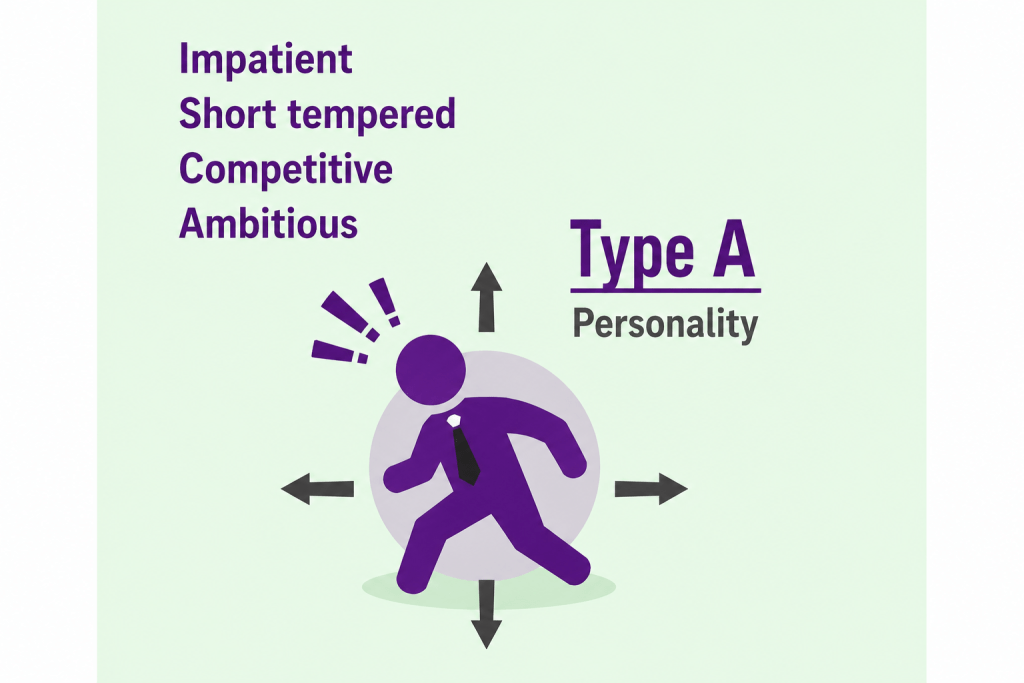
Type A personality infographic showing impatience, short temper, competitiveness, ambition, and the link between high-pressure traits and insomnia

Can a Type A Personality Cause Insomnia?

Yes. A Type A personality can contribute to insomnia when achievement, responsibility, perfectionism, urgency, and self-imposed pressure keep the nervous system activated long after the workday ends. Many people with Type A traits are highly successful. They are disciplined, productive, dependable, and goal-oriented. These qualities often help them excel in business, leadership, athletics, academics, and other demanding areas of life.

The challenge is that the same mindset that helps people succeed during the day can interfere with sleep at night. Sleep requires the body and mind to shift from doing to being. It requires a temporary surrender of control. For many Type A individuals, that transition is surprisingly difficult.

Instead of winding down, the mind continues planning, evaluating, solving problems, reviewing mistakes, and preparing for tomorrow. The body may be in bed, but the brain remains at work. In my practice, I often see patients who tell me, “I can solve problems all day long, but I can’t turn my brain off at night.” That statement often reflects a Type A pattern more than a sleep problem alone.

Can a Type A Personality Cause Insomnia? Read More »

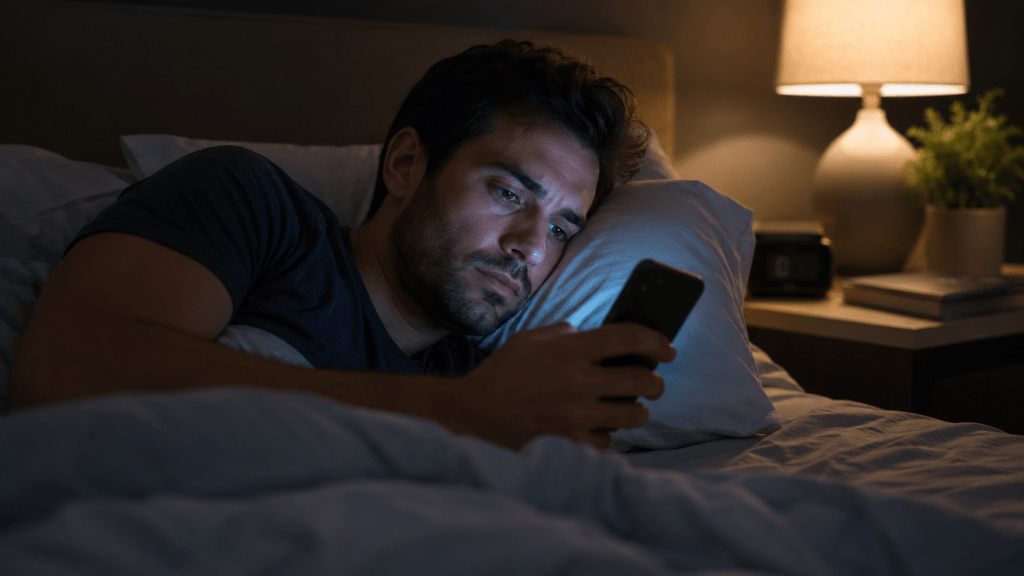
screen addiction cause insomnia when phone use keeps a tired person awake at night

Can Screen Addiction Cause Insomnia?

Yes. Compulsive phone, social media, gaming, streaming, or internet use can contribute significantly to insomnia. The problem is not simply that screens emit light. For many people, screens become a way to manage anxiety, boredom, loneliness, frustration, stress, or difficult thoughts at the end of the day. That temporary relief can become a habit, and the habit can keep the brain activated long after the body is tired.

I often hear people say, “I know I should put my phone away, but I cannot stop scrolling.” They may be exhausted, ready for bed, and fully aware that staying online will make the next day harder. Yet they continue watching videos, checking messages, reading upsetting news, playing games, shopping, or moving from one social media post to another.

This is not always a simple issue of poor discipline. In some cases, it is a behavioral addiction pattern. The screen becomes a fast, reliable way to change how a person feels in the moment. Unfortunately, it can also interfere with sleep, worsen anxiety, and create a cycle that becomes harder to break over time.

Can Screen Addiction Cause Insomnia? Read More »

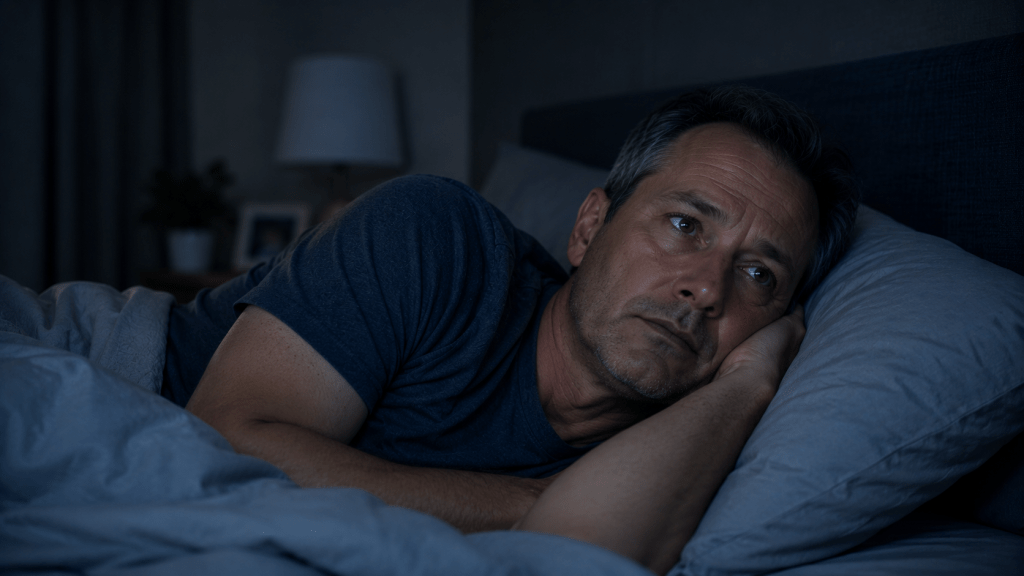
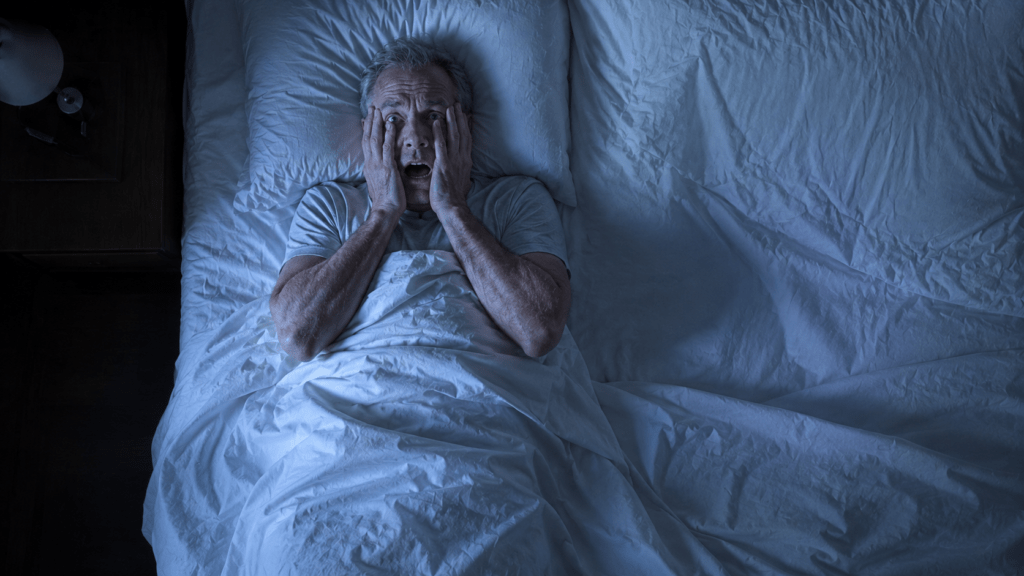
Sleep anxiety cause insomnia; man lying awake at night with fear of not sleeping

Can Sleep Anxiety Cause Chronic Insomnia?

Yes. Sleep anxiety can cause chronic insomnia when the fear of not sleeping keeps the nervous system alert night after night. A person may begin with a short period of poor sleep, but the fear that develops around sleep can become one of the main reasons the insomnia continues.

Many people believe the problem is simply that they cannot sleep. In treatment, I often find that the larger problem is what the mind starts doing around sleep. The person begins monitoring, predicting, checking, researching, and fearing the next bad night. Sleep becomes a test, and the bed becomes the place where the body expects a struggle.

This is why insomnia is often the symptom, not the root cause. The original sleep disruption may have started from stress, pain, medication changes, trauma, health anxiety, or life pressure. Chronic insomnia often develops when the nervous system learns to associate sleep with danger, effort, and uncertainty.

Can Sleep Anxiety Cause Chronic Insomnia? Read More »

Sleepy window insomnia with a person setting aside a phone before sleep

Why Do I Miss My Sleepy Window and Then Feel Wide Awake?

Why Do I Miss My Sleepy Window and Then Feel Wide Awake? By Dr. Charles R. Freeman, Ph.D. In my previous post “Can Screen Addiction Cause Insomnia?”, I mentioned a concept of  a sleepy window, and today I want to elaborate on this phenomenon. What happens is that if you miss your sleepy window, your nervous system may shift from sleepiness into a second wind. You may feel tired on the couch, but once you get into bed, check your phone, watch more television, or start thinking about tomorrow, your brain becomes reactivated. That does not mean you are broken. It usually means your sleep timing, attention, habits, and nervous system arousal are working against each other. The “sleepy window” is the period when your body is naturally giving you an opening to fall asleep. Dr. Freeman connects this to the ultradian rhythm, which runs in cycles of roughly 90 minutes to two hours. Sleep cycles, hormone release, neurotransmitter patterns, and other body systems tend to move in rhythms. When you push past one of those rhythms, you may not simply stay sleepy. You may become more alert. Many people recognize this pattern. They are nodding off in the living room and can barely finish a show. Then they get up, brush their teeth, check Instagram, scan the news, answer one text, or look at tomorrow’s calendar. Suddenly, the sleepy feeling is gone. They lie in bed wondering, “How was I exhausted 20 minutes ago and now I’m wide awake?” What Is a Sleepy Window? A sleepy window is the time when your body, brain, and nervous system are most ready to transition into sleep. It is not an exact clock time. It is a biological opening. You may notice heavier eyelids, slower thoughts, yawning, reduced interest in conversation, or a natural desire to disengage from stimulation. The problem is that many people override that signal. They keep watching, scrolling, eating, working, or problem-solving. Dr. Freeman often compares this to eating past your satiation point. If you eat automatically in front of a screen, you may miss the moment when your body has had enough. Sleep can work in a similar way. If you are distracted, you may not notice when your body is inviting you to wind down. Why Does Missing Your Sleepy Window Give You a Second Wind Your phone is not neutral at bedtime. It brings light, novelty, emotion, comparison, stimulation, and immediate reward. Even when you tell yourself you are only checking one thing, the brain may receive a dopamine kick from social media, news, games, messages, or videos. That can temporarily reduce boredom, anxiety, loneliness, or frustration, but it can also train the brain to return to the phone whenever uncomfortable feelings show up. This is one reason insomnia is often the symptom, not the root cause. The surface problem may be “I can’t sleep.” Underneath, the driver may be anxiety, trauma activation, worry, emotional avoidance, screen dependence, grief, pain, or a conditioned pattern where the bed has become linked with alertness instead of sleep. Why Sleep Hygiene Is Not Always Enough Sleep hygiene can help, but it is often not enough for chronic insomnia. A dark room, cool temperature, reduced caffeine, and a quiet environment are useful. But many patients already know those rules. They still cannot sleep because their nervous system is activated, their thoughts are racing, or they have learned to fear wakefulness. For chronic insomnia, Cognitive Behavioral Therapy for Insomnia, or CBT-I, is the gold standard. CBT-I is not just advice to relax. It helps retrain the relationship between bed, wakefulness, sleep pressure, thoughts, behaviors, and the body’s timing system. It also helps patients stop turning sleep into a nightly performance test. Should I Go to Bed at the Same Time Every Night? Trying to force the same bedtime every night can backfire. Dr. Freeman has emphasized for years that a consistent wake-up time is often more important than forcing a rigid bedtime. You cannot magically make yourself sleepy at a certain hour. But you can help stabilize your circadian rhythm by waking at a consistent time, getting morning light, and allowing sleep pressure to build across the day. Bedtime should be guided by sleepiness, not panic. When the sleepy window arrives, the goal is to stop stimulating activity, complete basic wind-down habits, and move toward bed without adding a new round of screen stimulation. What I Often See in Practice Many patients do not have a sleep problem only at night. They have a nervous system regulation problem that becomes most obvious at night. During the day, they can function, perform, work, parent, and keep going. At night, there is less distraction. The mind starts reviewing, defending, rehearsing, regretting, or scanning for danger. I often see high-functioning people bring a performance mindset into bed. They try to manage sleep through effort, supplements, apps, routines, medications, and analysis. The harder they try, the more alert they become. Sleep responds better to skillful conditions than pressure. I also see patients who rely on medication because they are afraid of being awake. Medication may be appropriate in some situations, especially short-term and under medical supervision. But medication often treats the symptom rather than the cause. Sustainable improvement usually requires retraining sleep patterns and addressing the anxiety, trauma, habits, or emotional activation underneath the insomnia. How Can You Start Protecting Your Sleepy Window? Begin by noticing the first signs of real sleepiness. Do not wait until you are overtired and wired. When you feel the sleepy window opening, reduce stimulation quickly. Brush your teeth, lower lights, stop screens, and move into a quieter rhythm. Dr. Freeman often recommends calming input such as non-lyrical music, classical music, world music, yoga music, or other relaxing sounds that do not pull the brain into language and analysis. The goal is not to create a perfect ritual. The goal is to become more aware of your body’s timing and stop accidentally pushing through the opening your body

Why Do I Miss My Sleepy Window and Then Feel Wide Awake? Read More »

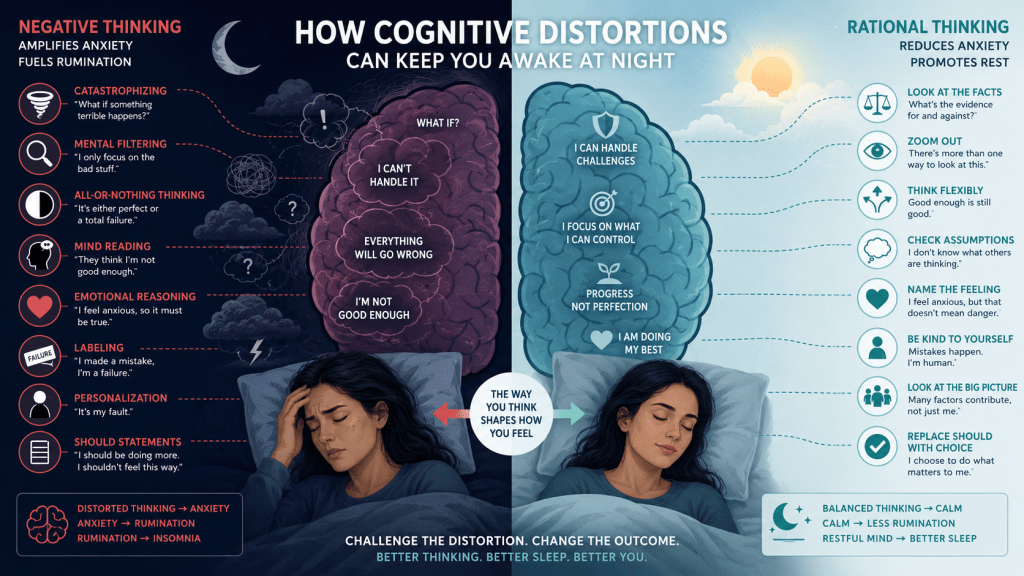
Illustration showing common cognitive distortions such as catastrophizing, personalization, mind reading, and all-or-nothing thinking that contribute to anxiety and insomnia.

How Cognitive Distortions Can Keep You Awake at Night

Cognitive distortions can keep you awake at night by turning normal worries into threats, mistakes into disasters, and wakefulness into panic. The body may be tired, but the mind stays active because it is interpreting thoughts as danger.

Many people with insomnia believe they have a sleep problem only. They may try sleep hygiene, supplements, medication, apps, or a stricter bedtime routine. Those steps may help some people, but they often do not reach the deeper pattern. If the mind uses the night to criticize, predict failure, review regrets, or compare life progress, sleep becomes harder to regain.

In my practice, I often see patients who wake up between 2:00 and 4:00 AM and immediately begin thinking. The thoughts may sound practical at first. Then they become harsh, repetitive, and emotionally charged. That is where cognitive distortions often enter the insomnia cycle.

How Cognitive Distortions Can Keep You Awake at Night Read More »

Adult with sleep anxiety talks with a psychologist in a calm therapy office

Sleep Anxiety and Insomnia: Why Fear of Not Sleeping Keeps You Awake

Sleep anxiety can keep insomnia going because the fear of not sleeping activates the same nervous system response that prevents sleep. The person may be exhausted, but the mind starts monitoring, calculating, predicting failure, and worrying about tomorrow. At that point, the first treatment target is often not sleep itself, but fear of not sleeping.

This is a very common pattern. A person has a few bad nights. Then they start watching the clock. They worry about work, parenting, driving, health, mood, or whether insomnia is “coming back.” Bedtime stops feeling like rest and starts feeling like a test. Sleep is not a performance. It is a biological process that improves when the patient stops turning it into a test.

Many patients do not need more sleep rules. They need less fear around sleep. Sleep hygiene can be useful, but chronic insomnia usually needs more than a colder bedroom, a darker room, or a new supplement. Good treatment looks at the loop, not only the loudest symptom.

Sleep Anxiety and Insomnia: Why Fear of Not Sleeping Keeps You Awake Read More »

Sleep-promoting foods including bananas, oatmeal, almonds, kiwi, tart cherry juice, whole grain bread, turkey, milk, and flaxseeds arranged on a kitchen table

Eleven Best Foods That Help You Sleep

f you struggle with insomnia, you may have wondered whether certain foods can help you fall asleep faster or sleep more soundly. The answer is yes, some foods appear to support healthy sleep. However, it is important to understand that no food can cure chronic insomnia. Nutrition can help create the conditions for better sleep, but long-term sleep improvement often requires addressing the underlying causes of sleep disruption. Last week, we discussed how food you eat before bedtime affects your quality of sleep, and today we will focus on elevel specific foods.

As a psychologist specializing in insomnia and sleep disorders, I frequently meet people searching for the perfect supplement, medication, or bedtime snack that will finally solve their sleep problems. While nutrition plays an important role in overall health, chronic insomnia is often connected to anxiety, trauma, PTSD, grief, chronic stress, or learned sleep behaviors. That is why Cognitive Behavioral Therapy for Insomnia (CBT-I) remains the gold-standard treatment for chronic insomnia.

Still, the foods you eat can influence sleep quality, blood sugar regulation, inflammation, and your body’s natural sleep-wake cycle. If you are looking for foods that may support better sleep, the following options have some of the strongest scientific support.

Eleven Best Foods That Help You Sleep Read More »

Frightened man awake in bed after a nightmare, representing trauma-related nightmares, PTSD sleep problems, and EMDR treatment

Can EMDR Help Reduce Nightmares?

Can EMDR help reduce nightmares? Yes, EMDR may help reduce nightmares when the nightmares are connected to trauma, PTSD, anxiety, or disturbing memories that the nervous system has not fully processed. EMDR does not work by trying to force the dream to stop. It works by helping the brain process the emotional material that may be driving the nightmares in the first place.

EMDR stands for Eye Movement Desensitization and Reprocessing. It is a trauma-focused therapy that helps the brain reprocess distressing memories so they are less emotionally charged. When nightmares are connected to trauma, the dream may be one way the nervous system keeps replaying unresolved threat. In that situation, reducing the charge of the trauma memory can sometimes reduce the frequency, intensity, or emotional impact of nightmares.

Nightmares are not “just dreams” when they repeatedly disrupt sleep, create dread before bedtime, or leave a person feeling unsafe in their own body. They can become part of a larger insomnia pattern. A person may start avoiding sleep, staying up too late, relying on medication or alcohol, or waking in panic and then being unable to return to sleep.

Can EMDR Help Reduce Nightmares? Read More »

Healthy bedtime foods including oatmeal, cherries, kiwi, nuts, and yogurt that may support better sleep

Foods That Help You Sleep: What to Eat Before Bed

Foods That Help You Sleep: What to Eat Before Bed for Better Sleep By Dr. Charles R. Freeman, Ph.D. If you are struggling with insomnia, you may wonder whether certain foods can help you sleep better. The short answer is yes. Some foods appear to support healthy sleep, while others can interfere with it. However, nutrition is rarely the entire answer. While the right foods may help you fall asleep more easily and improve sleep quality, chronic insomnia is often driven by deeper factors such as anxiety, trauma, PTSD, chronic stress, grief, depression, pain, or learned sleep habits. As a psychologist specializing in insomnia and sleep disorders, I often see people searching for the perfect supplement, medication, or bedtime snack that will finally solve their sleep problems. Nutrition matters, but it is only one piece of a much larger puzzle. The most sustainable improvements in sleep usually come from combining healthy lifestyle habits with evidence-based treatment that addresses the underlying causes of insomnia. That being said, what you eat throughout the day—and especially in the evening—can absolutely influence how well you sleep at night. Why Nutrition Matters for Sleep When discussing health and emotional well-being, I often refer to four major foundations: exercise, nutrition, sound sleep, and meaning or purpose. These foundations work together much like the legs of a table. When one becomes unstable, the others are often affected as well. Many people focus exclusively on sleep when they are tired. Others focus on anxiety, stress, or mood. However, nutrition frequently gets overlooked. Poor dietary choices can contribute to fluctuations in energy, mood, inflammation, and blood sugar regulation, all of which can affect sleep quality. Nutrition also influences the body’s ability to regulate hormones and neurotransmitters involved in sleep. While no food can guarantee a perfect night’s sleep, a consistent pattern of healthy eating can create conditions that support healthy sleep over time. Can Certain Foods Really Help You Sleep? Modern research suggests that some foods may modestly improve sleep quality by supporting healthy melatonin production, promoting stable blood sugar levels, reducing inflammation, or helping the body relax before bedtime. One important point is that there is no magical sleep food. Unfortunately, many online articles oversimplify the science and suggest that eating one specific food will cure insomnia. If that were true, chronic insomnia would be easy to solve. Instead, think of nutrition as a way of creating a sleep-friendly environment within your body. The goal is to reduce factors that interfere with sleep while supporting the body’s natural sleep processes. What Foods Help You Sleep? Tart cherries are among the most researched foods associated with sleep. They contain naturally occurring melatonin and antioxidants that may support healthy sleep patterns. Some studies suggest that tart cherry juice may improve both sleep duration and sleep quality in certain individuals. Kiwi fruit has also attracted attention from researchers. Some studies have found that people who eat kiwi regularly before bedtime may fall asleep faster and experience better overall sleep quality. Kiwi contains antioxidants and other compounds that may support sleep regulation. Oatmeal is another useful option because it provides complex carbohydrates and fiber. Unlike sugary snacks that can create dramatic blood sugar fluctuations, oatmeal tends to provide a more gradual release of energy. Stable blood sugar levels are often beneficial for both sleep quality and emotional well-being. Nuts such as almonds and walnuts may also support sleep. They contain magnesium, healthy fats, and other nutrients associated with relaxation and overall health. While they are not sleep medications, they can be part of a healthy evening snack. Greek yogurt and other protein-rich dairy products may be beneficial as well. They provide protein, calcium, and sustained nutrition without causing rapid spikes and crashes in blood sugar. Many people find that a small serving of yogurt satisfies evening hunger without feeling overly heavy before bed. Whole grains, legumes, and other minimally processed foods can also support sleep by helping maintain more stable energy levels throughout the evening. In contrast, highly processed foods often contribute to blood sugar instability and may leave people feeling restless or uncomfortable during the night. What Foods Can Make Sleep Worse? Just as some foods may support sleep, others can interfere with it. Caffeine remains one of the most common sleep disruptors. Many people assume that if they can fall asleep after drinking coffee, caffeine is not affecting them. However, caffeine can reduce sleep quality even when a person appears to fall asleep without difficulty. Depending on the individual, caffeine consumed in the afternoon or evening may continue affecting sleep many hours later. Alcohol is another common culprit. Many people use alcohol because it initially makes them feel sleepy. Unfortunately, alcohol often disrupts sleep architecture later in the night. People may fall asleep quickly but experience fragmented sleep, increased awakenings, vivid dreams, and poor sleep quality. Large meals close to bedtime can also interfere with sleep. Heavy meals may increase digestive discomfort, reflux symptoms, or feelings of fullness that make it difficult to relax and fall asleep. Sugary foods and desserts deserve special attention. While they may provide temporary comfort, they can contribute to significant blood sugar fluctuations. These swings can increase physiological arousal and sometimes contribute to nighttime awakenings. Individuals with anxiety, depression, or insomnia may be particularly sensitive to these effects. Why Blood Sugar Stability Matters One of the most overlooked aspects of sleep nutrition is blood sugar regulation. Many people go through a daily cycle of consuming highly processed foods, sugary snacks, energy drinks, and caffeine. These foods can create periods of temporary energy followed by crashes in mood, concentration, and physical energy. When blood sugar fluctuates dramatically, the body often responds by releasing stress hormones. Those same stress hormones can make it harder to relax and initiate sleep. This is one reason why stable, balanced meals often support better sleep than restrictive dieting followed by evening overeating. For individuals struggling with insomnia, anxiety, or irritability, reducing blood sugar volatility may be one small but meaningful step toward

Foods That Help You Sleep: What to Eat Before Bed Read More »

Adult participating in an online sleep coaching session to improve sleep habits and overall well-being

What Is Sleep Coaching and Can It Help You Sleep Better?

What Is Sleep Coaching and Can It Help You Sleep Better? By Dr. Charles R. Freeman, Ph.D. You might be wondering, what is sleep coaching and can it help you sleep better? You may have come across the term “sleep coach,” but  what exactly is sleep coaching, and can it actually help you sleep better? For many people, sleep problems are not caused by a single issue. Difficulty falling asleep, frequent awakenings, daytime fatigue, and restless nights are often influenced by stress, habits, lifestyle choices, health conditions, or anxiety. This approach helps people identify and address these factors while developing practical skills that support healthier sleep. What Is Sleep Coaching? Sleep coaching is a personalized process designed to help people improve sleep through education, behavioral strategies, accountability, and support. Unlike quick fixes that focus only on symptoms, sleep coaching looks at the bigger picture. A sleep coach helps individuals examine sleep habits, daily routines, stress levels, exercise patterns, nutrition, sleep environment, and thoughts and beliefs about sleep. The goal is to create sustainable changes that improve sleep over time. Who Benefits Most From Professional Sleep Guidance? Sleep coaching may help people who have difficulty falling asleep, wake up frequently during the night, feel tired despite spending enough time in bed, experience stress-related sleep problems, want to improve sleep without relying entirely on medication, or need accountability and guidance while making lifestyle changes. Sleep coaching can also be valuable for people who want to optimize their sleep, energy, and overall well-being. Why Sleep Problems Are Often More Complex Than They Seem One of the most important things I’ve learned throughout my career is that insomnia is often the symptom rather than the root cause. People frequently focus on what happens at bedtime, but sleep is influenced by what happens throughout the day. Stress, anxiety, trauma, health habits, excessive worry, and even nutrition can all affect sleep quality. This is why simply trying a new supplement or changing a bedtime routine does not always solve the problem. When the underlying causes are identified and addressed, sleep often improves naturally. What Does the Process Look Like? Every person’s sleep challenges are unique, so sleep coaching is tailored to individual needs and goals. The process typically begins with identifying factors that may contribute to poor sleep, followed by a review of current sleep habits, routines, and lifestyle patterns. Together, the client and coach establish realistic goals and develop a plan based on evidence-based sleep strategies. As new habits are introduced, progress is monitored and adjustments are made as needed. The goal is to create practical, sustainable changes that support healthy sleep and continue to benefit the client long after coaching has ended. CBT-I and Other Evidence-Based Sleep Strategies Many people are surprised to learn that Cognitive Behavioral Therapy for Insomnia (CBT-I) is considered the gold standard treatment for chronic insomnia. CBT-I helps people change the thoughts and behaviors that interfere with healthy sleep. Many sleep coaches incorporate CBT-I principles or related behavioral strategies when helping people improve sleep. Research consistently shows that skill-based approaches often provide longer-lasting benefits than relying solely on medication. What I Often See in Practice Many people come to me believing they have a sleep problem. As we work together, they often discover that sleep is connected to stress, anxiety, lifestyle habits, trauma, or other challenges that have been affecting them for years. One of the most rewarding aspects of this work is seeing people gain confidence in their ability to improve sleep naturally. When people learn the skills that support healthy sleep, they often experience improvements not only in sleep quality but also in mood, energy, focus, and overall well-being. Key Takeaways Sleep coaching helps people improve sleep through education, guidance, and behavioral strategies. Sleep problems are often influenced by factors beyond the bedroom. Insomnia is frequently the symptom rather than the root cause. This approach can help people build long-term skills for better sleep. CBT-I is considered the gold standard treatment for chronic insomnia. Better sleep often leads to improvements in mood, energy, and resilience. Frequently Asked Questions What is sleep coaching? Sleep coaching is a personalized process that helps people improve sleep through education, behavior change, accountability, and practical strategies. Can this approach help insomnia? Yes. Sleep coaching can help many people identify and address habits, stressors, and behaviors that contribute to insomnia. Is sleep coaching the same as therapy? No. Therapy focuses on diagnosing and treating mental health conditions, while sleep coaching focuses on guidance, education, and behavior change related to sleep and well-being. How long does this coaching take? The length of sleep coaching varies depending on the individual’s goals, sleep challenges, and progress. Conclusion Better sleep rarely comes from a single trick, supplement, or device. More often, it comes from understanding the factors that interfere with healthy sleep and developing practical strategies to address them. Sleep coaching provides guidance, accountability, and evidence-based tools that can help people create lasting improvements in sleep and overall quality of life. About the Author Dr. Charles R. Freeman, Ph.D., is a psychologist specializing in insomnia, sleep disorders, PTSD, anxiety, trauma, and Cognitive Behavioral Therapy for Insomnia (CBT-I). He has more than 25 years of experience helping individuals improve sleep, emotional well-being, and overall quality of life through evidence-based treatment approaches. If you would like to learn more about treatment options or schedule a consultation, please contact Dr. Freeman. The information in this article is provided for educational purposes only and is not intended to replace professional medical or psychological advice. Individual circumstances vary, and readers should consult a qualified healthcare professional regarding their specific concerns.

What Is Sleep Coaching and Can It Help You Sleep Better? Read More »