
EMDR Therapy
Eye Movement Desensitization and Reprocessing (EMDR) Therapy in San Diego
EMDR, or Eye Movement Desensitization and Reprocessing, is a structured psychotherapy method commonly used for trauma-related distress. It may help a person process memories that continue to trigger strong emotions, negative beliefs or body reactions.
EMDR is one of Dr. Freeman’s current trauma-treatment methods. He may integrate it when it fits the patient’s needs, readiness and goals, sometimes alongside Ericksonian hypnosis with scaling, Cognitive Behavioral Therapy (CBT) strategies, mindfulness or relaxation. Preparation, pacing and the ability to return to the present are important parts of the work.
Treatment at a Glance
- 1. Who may benefit: People whose distressing experiences continue to trigger strong emotions, negative beliefs, body reactions, nightmares, insomnia or hypervigilance.
- 2. Treatment focus: Readiness, preparation, stabilization, paced processing and integration rather than immediate exposure to every detail.
- 3. Approaches: Eye Movement Desensitization and Reprocessing (EMDR), sometimes integrated with Cognitive Behavioral Therapy (CBT), sleep treatment, mindfulness, relaxation or clinical hypnosis when appropriate.
- 4. Appointments: In person in San Diego and by teletherapy throughout California when clinically appropriate.
- 5. Related care: Trauma and Post-Traumatic Stress Disorder (PTSD) treatment, Insomnia treatment and anxiety treatment.
What EMDR Is Designed to Address
A distressing experience can remain active long after it has ended. A person may know intellectually that the danger is over while still reacting with panic, shame, anger, nightmares, insomnia, tension or hypervigilance.
EMDR may be considered when memories, images, beliefs, emotions or body sensations remain connected to trauma or another disturbing experience. It is best known for PTSD and trauma-related symptoms, but appropriateness should be determined individually rather than assumed from a symptom list.
How EMDR Works
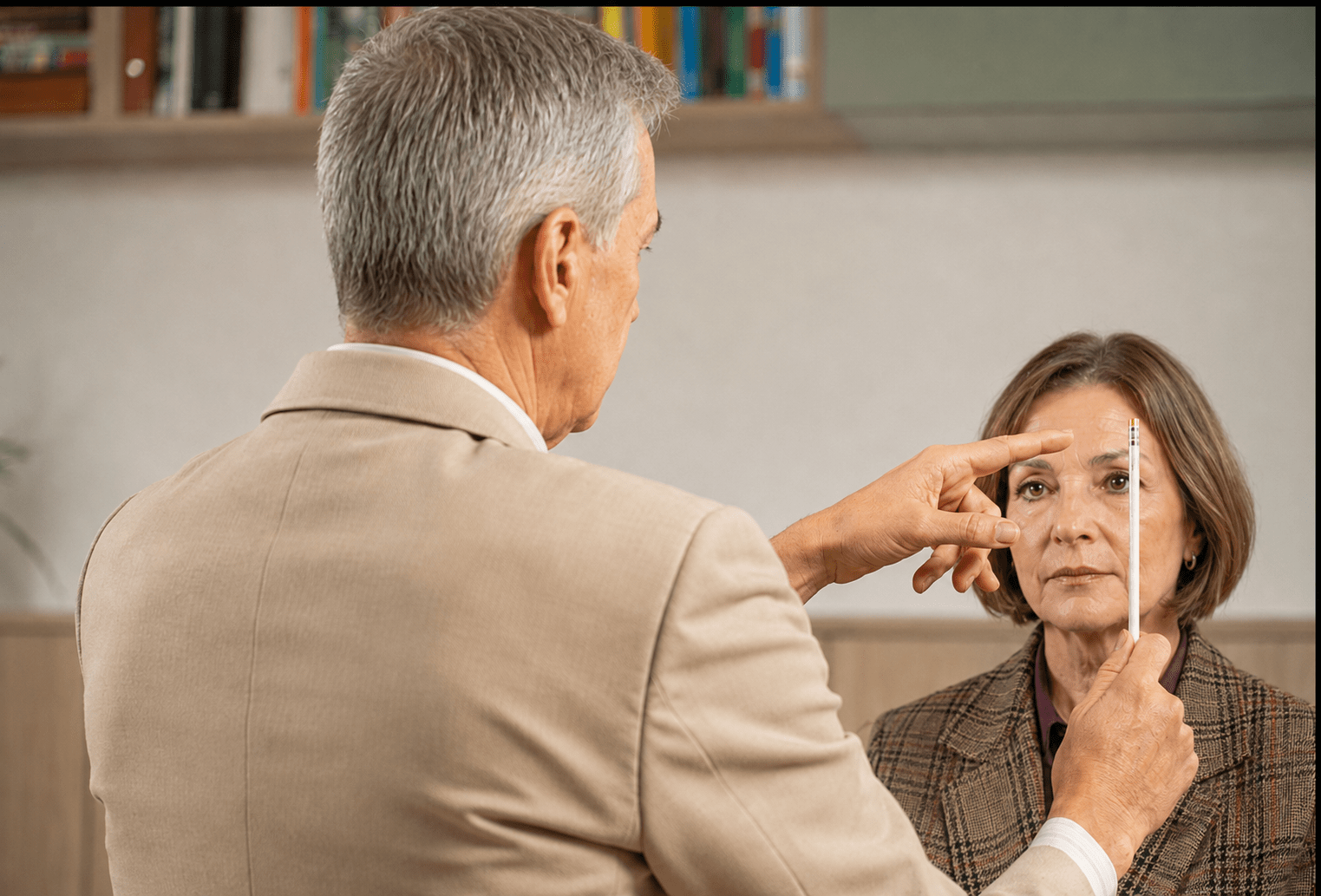
During EMDR processing, a patient briefly focuses on a target memory or aspect of an experience while engaging in bilateral stimulation. Bilateral stimulation may involve guided eye movements, alternating taps or tones. The clinician guides the process and checks the patient’s response.
The patient remains awake and aware. EMDR is not hypnosis, and the patient can pause, ask questions or stop. The purpose is not to force a person to relive an event. It is to help the memory become less emotionally and physically activating.

EMDR Is a Phased Treatment
Assessment and Treatment Planning
Treatment begins by understanding the patient’s current symptoms, trauma history, sleep, health, coping, supports and goals. This helps identify possible treatment targets and whether EMDR should begin soon or after additional preparation.
Preparation and Stabilization
Some patients first learn grounding, breathing, imagery, relaxation or other ways to manage activation. Preparation is not a delay or failure. It helps make trauma-focused work more responsible and tolerable.
Processing
The patient may focus on a memory, image, belief, emotion or body sensation while using bilateral stimulation. The work is guided in brief sets with regular check-ins. Patients often do not need to describe every detail aloud.
Closure and Integration
A session should close with attention to the present, current stability and what to notice between appointments. EMDR may be integrated with cognitive, behavioral, sleep or anxiety-focused work as the treatment plan develops.
When Preparation May Come First
EMDR is not appropriate as immediate processing for every person. Someone who becomes overwhelmed quickly, has difficulty returning to baseline or lacks adequate support may benefit from stabilization and coping skills first.
Good clinical judgment means adjusting the pace to the patient rather than treating emotional intensity as proof that the method is working. The patient should understand what Dr. Freeman is doing and have an active voice in the process.
EMDR, Sleep and Nightmares
Trauma can keep the nervous system on guard at night. EMDR may be useful when nightmares, fear of sleep or nighttime activation are connected to distressing memories. Chronic insomnia may still need direct Cognitive Behavioral Therapy for Insomnia (CBT-I) or sleep-focused treatment.
For some patients, sustainable progress comes from combining trauma processing with practical regulation skills, behavioral strategies and direct sleep care. EMDR should not be presented as a stand-alone solution for every sleep or trauma problem.

Dr. Freeman's Clinical Perspective
The eye movements or other bilateral stimulation used in EMDR are only one part of a complete treatment process. Dr. Freeman considers the patient’s history, present stability, coping capacity, goals and readiness before deciding whether EMDR fits. The patient remains able to pause, ask questions or change pace.
Treatment may also help the patient consider meaning, identity and personal transformation after difficult experiences. That broader work is individualized. It does not require a particular belief system, and it does not replace the structured assessment, preparation and processing phases of EMDR.
When Medical or Additional Care May Be Needed
EMDR is not automatically appropriate at the beginning of treatment. Current safety concerns, severe instability, difficulty returning to the present, urgent medical or psychiatric needs or insufficient support may make stabilization or another level of care the more appropriate first step.
Frequently Asked Questions
Is It Necessary to Describe Every Detail of the Trauma?
Not always. EMDR involves focusing on distressing material, but patients often do not need to describe every detail aloud. The clinician still needs enough information to plan treatment responsibly.
Does the Patient Remain in Control?
Yes. You remain awake and aware. You can ask to pause, slow down, change direction or stop. The process should be collaborative.
Does EMDR erase memories?
No. The goal is not to remove a memory. It is to reduce the intensity and automatic activation connected with it.
Can EMDR help PTSD, nightmares or insomnia?
EMDR may help when trauma contributes to these concerns. Chronic insomnia may also need CBT-I, and not every patient with trauma symptoms needs EMDR.
Can EMDR be provided by telehealth?
EMDR may be provided by telehealth when it is clinically appropriate and when privacy, safety planning and technology support the work.
Related Services

Trauma and Post-Traumatic Stress Disorder (PTSD) Treatment
Learn about paced treatment for trauma reactions, nightmares, hypervigilance and PTSD symptoms.

Insomnia and Sleep Problems Treatment
Learn how specialized psychological treatment addresses chronic insomnia, nighttime arousal and sleep-related habits.

Anxiety Treatment
Explore practical treatment for worry, avoidance, physical arousal and anxiety that affects daily life.
Related Reading From Dr. Freeman’s Blog
These articles answer common questions about EMDR, preparation, processing and trauma-related sleep symptoms.
- EMDR Therapy

Can EMDR help reduce nightmares? Yes, EMDR may help reduce nightmares when the nightmares are connected to trauma, PTSD, anxiety,...
EMDR therapy, or Eye Movement Desensitization and Reprocessing, is a structured trauma-focused therapy that helps people process distressing memories so...

If you are considering EMDR therapy, you can expect a structured process that begins with preparation, not immediate trauma processing....

Authoritative Information
Read the National Center for PTSD’s professional overview of EMDR. This federal resource is provided for general education and does not replace an individualized assessment.
About Dr. Charles R. Freeman, Ph.D.
Dr. Freeman is a California-licensed psychologist in San Diego with over 35 years of clinical experience. His practice specializes particularly in insomnia and sleep problems and also includes anxiety, trauma and PTSD, chronic pain and behavioral medicine, CBT, CBT-I and EMDR. Appointments are available in person in San Diego and by teletherapy throughout California when clinically appropriate.
View California psychology license PSY #25414 or learn more about Dr. Freeman’s background and clinical approach.

Clinical Content Information
Clinical content by Dr. Charles R. Freeman, Ph.D., a California-licensed psychologist with over 35 years of clinical experience. View California psychology license PSY #25414.
Learn more about Dr. Freeman’s professional background and clinical approach.
Discuss Whether EMDR May Fit
Patients do not need to decide which method they need before contacting Dr. Freeman. A consultation can begin with what is happening, what the patient wants to change and whether his experience and approach may be useful.