Dr. Charles Freeman – San Diego Insomnia and Sleep Problems Treatment – San Diego Trauma and PTSD Treatment

anxiety

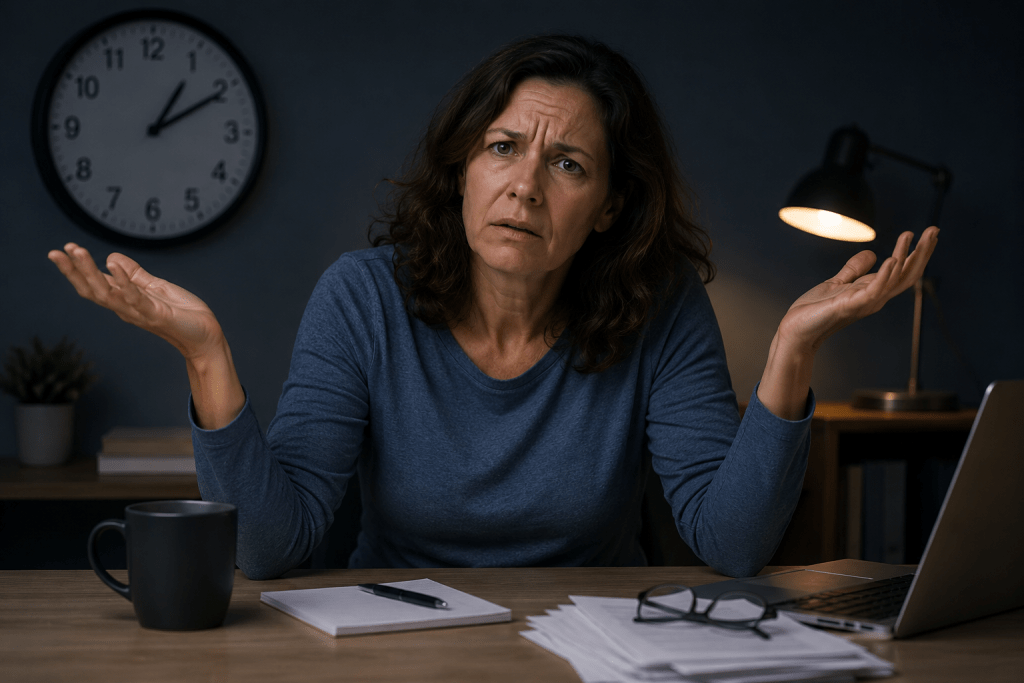
Why am I exhausted but still can’t sleep tired woman sitting awake at a desk with arms raised in confusion

Why Am I Exhausted but Still Can’t Sleep?

Yes. You can feel completely exhausted and still be unable to sleep. This frustrating pattern usually means that fatigue and alertness are occurring at the same time. Your body needs rest, but your nervous system remains activated. You may feel physically drained, mentally tired, and desperate for sleep, yet your mind keeps scanning, worrying, or reacting as though something requires your attention.

Many people assume exhaustion should automatically produce sleep. That assumption makes sense, but sleep does not work that way. Sleep depends on more than fatigue. It also requires the nervous system to shift out of a state of alertness. When anxiety, stress, pain, fear, or sleep-related pressure keeps the system activated, a person can be exhausted but still unable to sleep.

Why Am I Exhausted but Still Can’t Sleep? Read More »

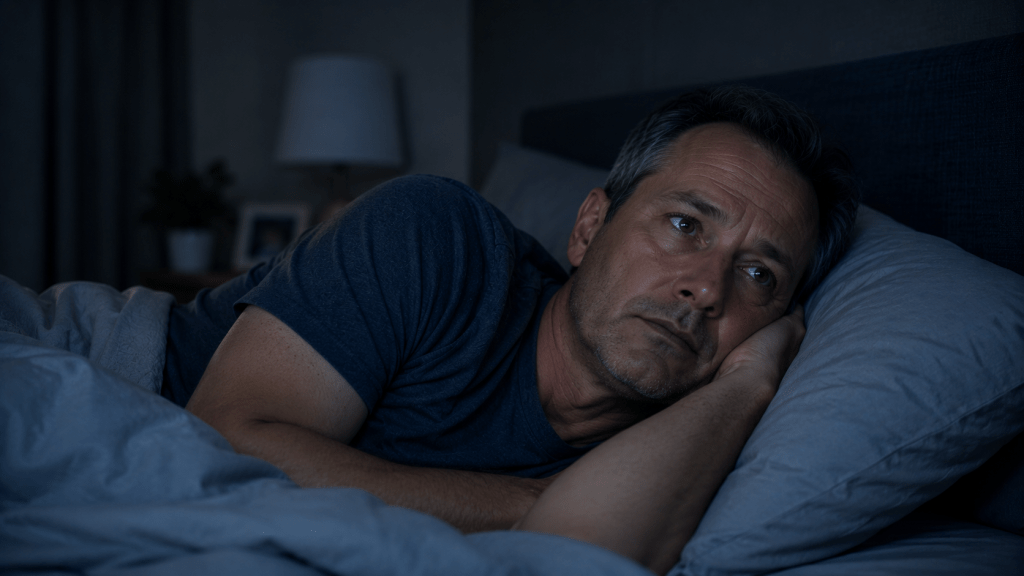
Sleep anxiety cause insomnia; man lying awake at night with fear of not sleeping

Can Sleep Anxiety Cause Chronic Insomnia?

Yes. Sleep anxiety can cause chronic insomnia when the fear of not sleeping keeps the nervous system alert night after night. A person may begin with a short period of poor sleep, but the fear that develops around sleep can become one of the main reasons the insomnia continues.

Many people believe the problem is simply that they cannot sleep. In treatment, I often find that the larger problem is what the mind starts doing around sleep. The person begins monitoring, predicting, checking, researching, and fearing the next bad night. Sleep becomes a test, and the bed becomes the place where the body expects a struggle.

This is why insomnia is often the symptom, not the root cause. The original sleep disruption may have started from stress, pain, medication changes, trauma, health anxiety, or life pressure. Chronic insomnia often develops when the nervous system learns to associate sleep with danger, effort, and uncertainty.

Can Sleep Anxiety Cause Chronic Insomnia? Read More »

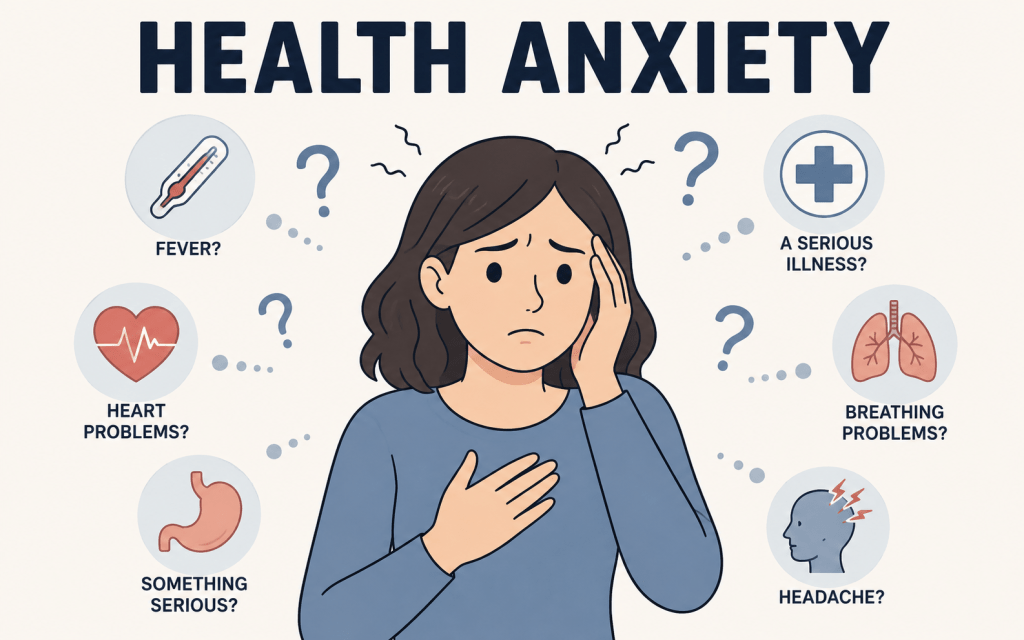
Can health anxiety cause insomnia worried person experiencing sleep anxiety, health fears, and insomnia symptoms

Can Health Anxiety Cause Insomnia?

Yes. Health anxiety can cause insomnia, and insomnia can make health anxiety worse. A person may begin with a real sleep problem, but the fear about what poor sleep means can become one of the main reasons the nervous system stays awake.

This pattern often starts suddenly. Someone who has slept well for years may have several poor nights and begin to worry that something serious is happening. The person may start searching online, checking symptoms, asking for reassurance, reading forums, and fearing permanent damage from sleep loss. The original sleep problem then becomes wrapped in fear, uncertainty, and constant monitoring.

Sleep is one of the foundations of health, so concern about sleep makes sense. The problem begins when the mind treats every sleepless night as a medical emergency. At that point, the body does not move toward rest. It moves toward threat detection.

Can Health Anxiety Cause Insomnia? Read More »

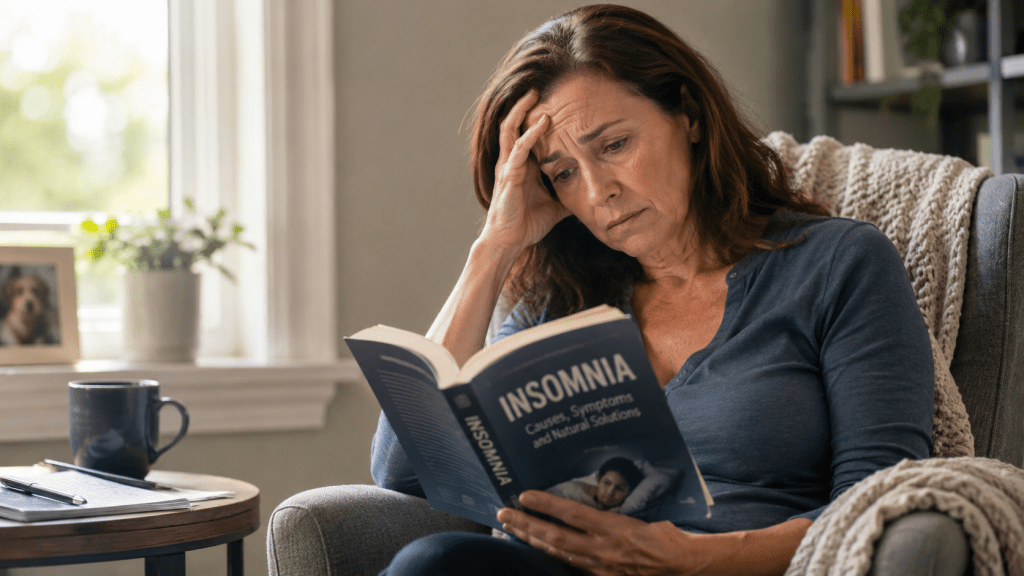
Obsessed with fixing sleep woman reading insomnia book with worry and exhaustion

Why Insomnia Patients Become Obsessed With Fixing Sleep

Many people with insomnia become obsessed with fixing sleep because the brain starts treating wakefulness as an emergency. A few bad nights can turn into hours of research, symptom checking, medication worry, rigid routines, and constant fear about what will happen if sleep does not return.

This pattern makes sense. Sleep is one of the foundations of health. When sleep suddenly breaks down, people naturally want answers. They may search online, read forums, ask doctors for reassurance, try new routines, change medications, and monitor every sensation in the body. At some point, sleep stops being a natural process and becomes a problem to solve all day long.

That effort can backfire. The harder a person tries to force sleep, the more activated the nervous system becomes. Sleep needs safety, not pressure. When the mind keeps asking, “What if I don’t sleep tonight?” the body often responds with alertness instead of rest.

Why Insomnia Patients Become Obsessed With Fixing Sleep Read More »

Mountain sunrise above a sea of clouds representing anxiety-related chronic insomnia, emotional recovery, and the return of restorative sleep

Can Anxiety Cause Chronic Insomnia?

Yes, anxiety can absolutely cause chronic insomnia. It can also maintain it long after the original stressor has passed. In my clinical work, I often see that people are not just struggling with sleep. They are struggling with a nervous system that has learned to stay alert, a mind that keeps scanning for problems, and growing fear about what will happen if they do not sleep.

That is why I often say that insomnia is frequently the symptom, not the root cause. Sleep is one of the foundations of health, but sleep does not exist in isolation. Thoughts, emotions, physical symptoms, and behavior all influence one another. When anxiety becomes chronic, sleep is often one of the first systems to break down.

Can Anxiety Cause Chronic Insomnia? Read More »

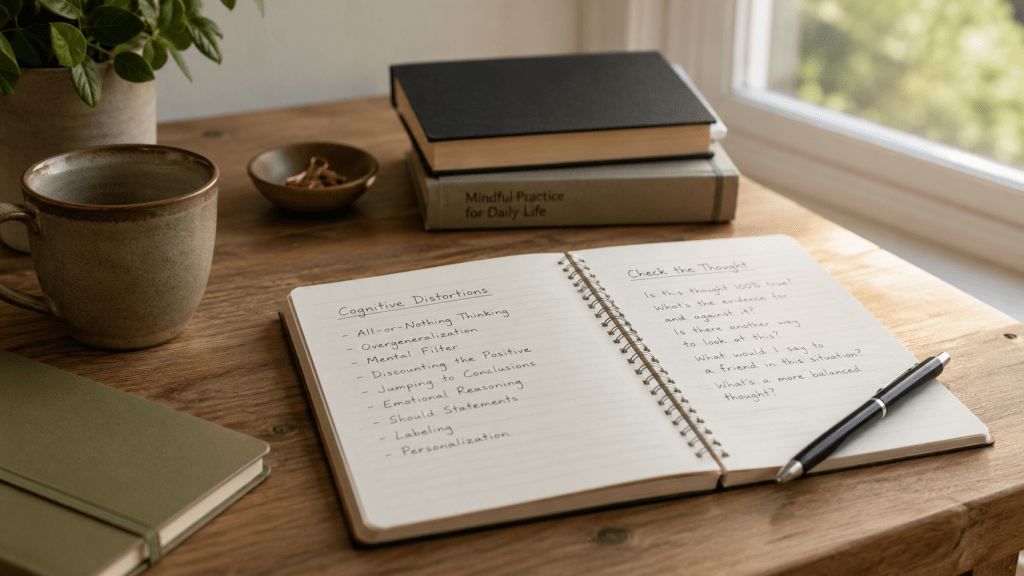
Calm notebook and pen on a desk representing cognitive distortions, anxiety, sleep, PTSD, and recovery

Cognitive Distortions: How Unhelpful Thinking Affects Sleep, Anxiety, PTSD, and Recovery

Yes, the way you think can make sleep, anxiety, PTSD symptoms, and emotional distress worse. That does not mean your symptoms are your fault. It means that thoughts, emotions, physical symptoms, and behavior influence one another. When the mind gets stuck in fear-based or extreme thinking, the body often follows with tension, alertness, worry, and poor sleep.

Cognitive distortions are unhelpful thinking patterns that make a situation seem more hopeless, dangerous, permanent, or personal than it really is. These patterns are common during stress, trauma, chronic insomnia, depression, and anxiety. The mind takes shortcuts, especially when the nervous system is tired or on high alert.

The cognitive distortion framework was popularized by psychiatrist David Burns, M.D., in his influential book Feeling Good: The New Mood Therapy. I use these well-known cognitive behavioral therapy concepts in practical ways with patients dealing with sleep, anxiety, trauma, and recovery. The purpose is not to blame people for their symptoms. The purpose is to help patients recognize when the mind is turning fear, exhaustion, or past trauma into conclusions that may not be accurate.

Cognitive Distortions: How Unhelpful Thinking Affects Sleep, Anxiety, PTSD, and Recovery Read More »

Adult with sleep anxiety talks with a psychologist in a calm therapy office

Sleep Anxiety and Insomnia: Why Fear of Not Sleeping Keeps You Awake

Sleep anxiety can keep insomnia going because the fear of not sleeping activates the same nervous system response that prevents sleep. The person may be exhausted, but the mind starts monitoring, calculating, predicting failure, and worrying about tomorrow. At that point, the first treatment target is often not sleep itself, but fear of not sleeping.

This is a very common pattern. A person has a few bad nights. Then they start watching the clock. They worry about work, parenting, driving, health, mood, or whether insomnia is “coming back.” Bedtime stops feeling like rest and starts feeling like a test. Sleep is not a performance. It is a biological process that improves when the patient stops turning it into a test.

Many patients do not need more sleep rules. They need less fear around sleep. Sleep hygiene can be useful, but chronic insomnia usually needs more than a colder bedroom, a darker room, or a new supplement. Good treatment looks at the loop, not only the loudest symptom.

Sleep Anxiety and Insomnia: Why Fear of Not Sleeping Keeps You Awake Read More »

Gut health and sleep support through fermented foods and calm evening nutrition

Can Gut Health Affect Anxiety, Inflammation, and Sleep?

Gut health and sleep are connected, but not in the simple way often promoted online. Food does not cure chronic insomnia, anxiety, PTSD, trauma, or depression. Nutrition can support the body’s biological systems, including gut health, inflammation, blood sugar stability, immune function, and sleep regulation. Lasting improvement often requires treatment that addresses the psychological, behavioral, and nervous-system patterns that keep symptoms going.

In my previous article, “Eleven Best Foods That Help You Sleep,” I discussed foods that may support better sleep. This article looks at why food may matter in the first place. The gut, brain, immune system, hormones, metabolism, and sleep-wake system are not separate departments. They communicate constantly.

That does not mean your anxiety is “just your gut.” It does not mean fermented foods will fix insomnia. It means your body and brain work as a connected system, and nutrition is one part of that system.

Can Gut Health Affect Anxiety, Inflammation, and Sleep? Read More »

Middle-aged woman in pajamas standing in a kitchen at night, holding a sugary snack and wondering if sugar can affect sleep and cause insomnia

Can Sugar Keep You Awake? The Connection Between Sugar and Sleep

Can Sugar Keep You Awake? The Connection Between Sugar and Sleep By Dr. Charles R. Freeman, Ph.D. Can sugar keep you awake? Many people are surprised to learn that the answer is yes. While stress and anxiety are common causes of insomnia, sugar can also affect sleep quality, energy levels, and nighttime awakenings. As a behavioral medicine psychologist specializing in insomnia, I often encourage patients to examine whether their evening sugar consumption is contributing to their sleep difficulties. When people think about the causes of insomnia, they often focus on stress, anxiety, trauma, or sleep habits. Those factors are certainly important. However, one area that is frequently overlooked is nutrition. As a behavioral medicine psychologist specializing in insomnia, I often encourage patients to examine what they are putting into their bodies, particularly during the afternoon and evening hours. Many people are surprised to discover that sugar may be contributing to their sleep difficulties. Sleep does not occur in isolation. It is connected to your physical health, emotional well-being, exercise habits, stress levels, and nutrition. When one area is out of balance, the others often suffer as well. Can Sugar Keep You Awake at Night? One of the most common questions people ask is whether sugar can keep them awake. The answer is yes. Sugar affects the body in complex ways. After consuming a large amount of sugar, blood sugar levels rise rapidly. The body then releases insulin to bring those levels back down. These fluctuations can affect energy, mood, and alertness. Some people become restless, experience increased energy, develop racing thoughts, have difficulty falling asleep, wake up during the night, or feel unusually wired at bedtime. Others may initially feel sleepy after eating sugar, only to awaken later when blood sugar levels begin to shift. This is one reason many sleep specialists recommend limiting sugar consumption in the hours before bedtime. Research supports a connection between dietary sugar and insomnia. In a large study involving more than 77,000 postmenopausal women, Gangwisch et al. (2020) found that diets high in added sugars and refined carbohydrates were associated with an increased risk of insomnia. Although the study does not establish that sugar directly causes insomnia, it suggests that dietary choices may influence sleep. Does Sugar Keep You Awake or Make You Tired? Interestingly, sugar can have the opposite effect as well. Many people report feeling exhausted after eating sweets. This can occur because the body responds to large amounts of sugar with significant changes in blood sugar and insulin levels. The result may be temporary fatigue, sluggishness, or what many people describe as a sugar crash. This helps explain why both of these questions can have the same answer. Sugar can keep some people awake, while it can make others feel tired. In some cases, the same person may experience both effects at different times. The response often depends on the individual, the amount of sugar consumed, and when it is consumed. Can Sugar Keep You Awake and Increase Anxiety? One of the most important relationships I see clinically is the connection between sugar and anxiety. People often think of anxiety as purely psychological. In reality, anxiety is influenced by both the mind and the body. For some individuals, large fluctuations in blood sugar can contribute to nervousness, irritability, restlessness, increased worry, and a general feeling of being on edge. Patients sometimes describe feeling anxious without recognizing that nutrition may be contributing to their symptoms. This does not mean sugar causes anxiety disorders. It does mean that excessive sugar intake may worsen symptoms in people who already struggle with anxiety. Because anxiety and insomnia are so closely connected, this creates another pathway through which sugar can interfere with sleep. When persistent anxiety contributes to sleep difficulties, anxiety treatment can help address the worry and tension that interfere with restful sleep. Can Eating Sugar Before Bed Affect Sleep Quality? Many people enjoy dessert after dinner. The question is whether eating sugar before bed affects sleep quality. For some people, the answer is clearly yes. Consuming sugary foods within two to four hours of bedtime may increase the likelihood of restless sleep, frequent awakenings, difficulty falling asleep, and non-restorative sleep. This does not mean every person must completely avoid sugar in the evening. If you are struggling with insomnia, however, reducing nighttime sugar consumption can be a worthwhile experiment. Small changes in eating habits sometimes produce surprisingly meaningful improvements in sleep quality. Why Sleep Matters for Weight Loss Many people focus on nutrition and exercise while overlooking sleep. In reality, sleep is one of the foundations of health. Poor sleep can affect appetite regulation, food cravings, energy levels, motivation to exercise, and the production of stress hormones. When people are sleep deprived, they often crave sugary foods and processed carbohydrates. These foods may provide temporary energy, but they can also contribute to a cycle that further disrupts sleep and overall health. I frequently remind patients that improving sleep often makes healthy eating easier, and healthy eating often improves sleep. The relationship works in both directions. Sugar and Sleep: Why They Are Closely Connected One of the most common mistakes people make is searching for a quick fix. Many hope that a pill, supplement, or sleep aid will solve the problem. Unfortunately, chronic insomnia is rarely that simple. Insomnia is often the symptom rather than the root cause. Sleep difficulties may be connected to anxiety, PTSD, trauma, depression, chronic stress, pain disorders, lifestyle habits, and nutrition choices. When we focus only on the symptom, we miss the opportunity to address the underlying factors that contribute to poor sleep. Identifying and addressing those factors often leads to more meaningful and lasting improvement. For people experiencing persistent sleep difficulties, insomnia treatment can help identify and address the patterns that interfere with restful sleep. What I Often See in Practice Patients frequently arrive focused entirely on what happens at bedtime. As treatment progresses, they begin to see the bigger picture. They notice that reducing sugar improves their sleep and that exercise reduces anxiety. They also learn

Can Sugar Keep You Awake? The Connection Between Sugar and Sleep Read More »