

Sleeping Pills Stop Working: Why It Happens
By Dr. Charles R. Freeman, Ph.D.
Many people ask this question after experiencing several frustrating nights of insomnia. A medication helps at first. Sleep improves. Then, sometimes suddenly, the sleeping pills stop working. The person finds themselves awake again and often feels more discouraged than before. In many cases, the medication did not completely fail. Something else became part of the problem.
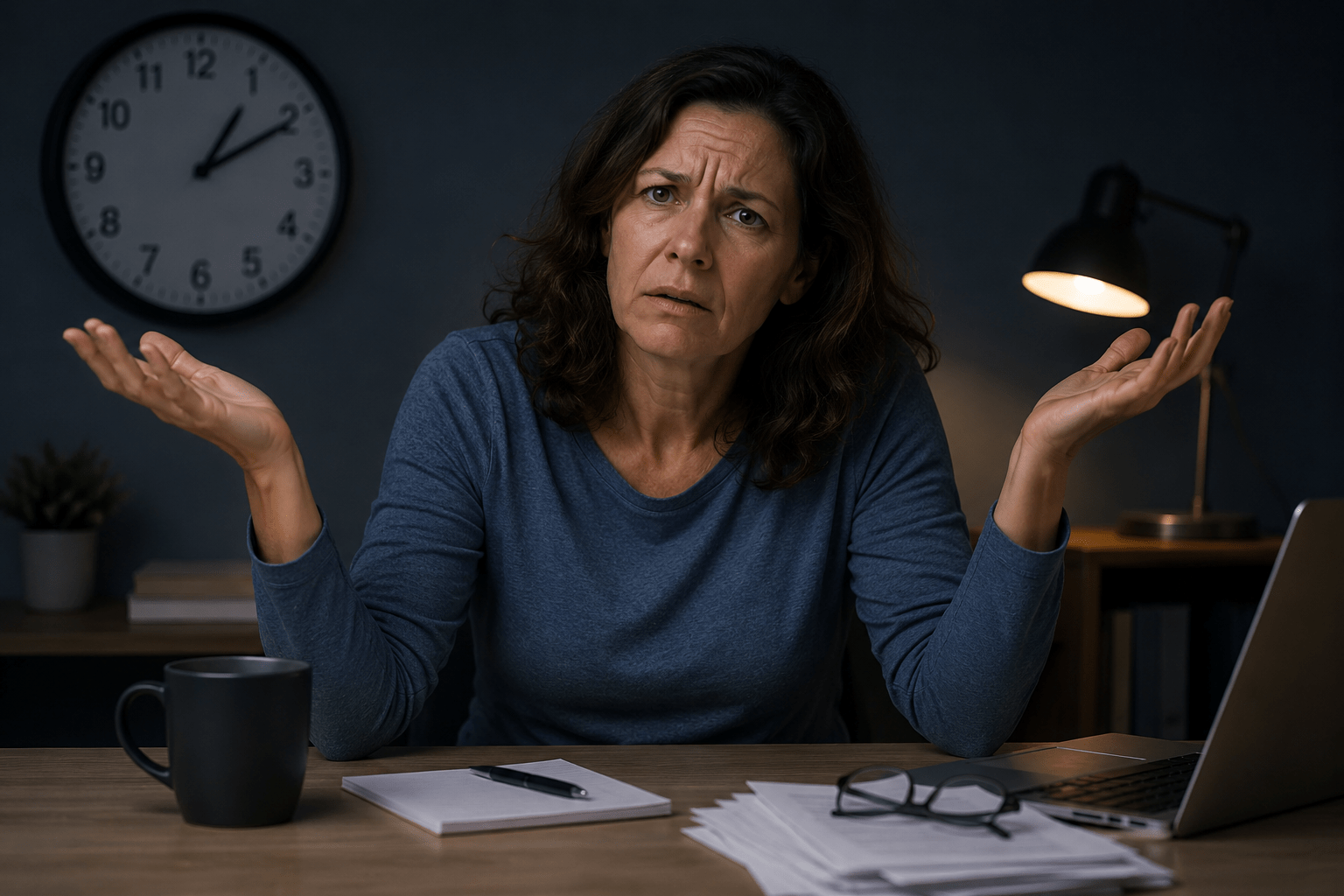
I frequently see patients who begin treatment after trying multiple sleep medications in a short period of time. One medication helps for a few nights. Another works for a week. A third produces mixed results. Each unsuccessful night increases anxiety and creates more pressure to sleep. Eventually the person becomes focused on finding the perfect medication rather than understanding what is driving the insomnia.
Sleep medications can be useful tools. They can reduce symptoms and provide temporary relief. The challenge is that insomnia is often the symptom, not the root cause. If the underlying factors remain active, medication alone may not be enough.
Why Do Sleeping Pills Stop Working?
Yes. Some sleep medications become less effective over time. Others may continue working pharmacologically while the patient’s anxiety, stress, or conditioned arousal increases around them. From the patient’s perspective, both situations feel the same. The medication no longer seems reliable.
People often become frightened when this happens. They may think their insomnia is becoming permanent or that they are running out of treatment options. That fear itself can become a powerful contributor to ongoing sleep difficulties.
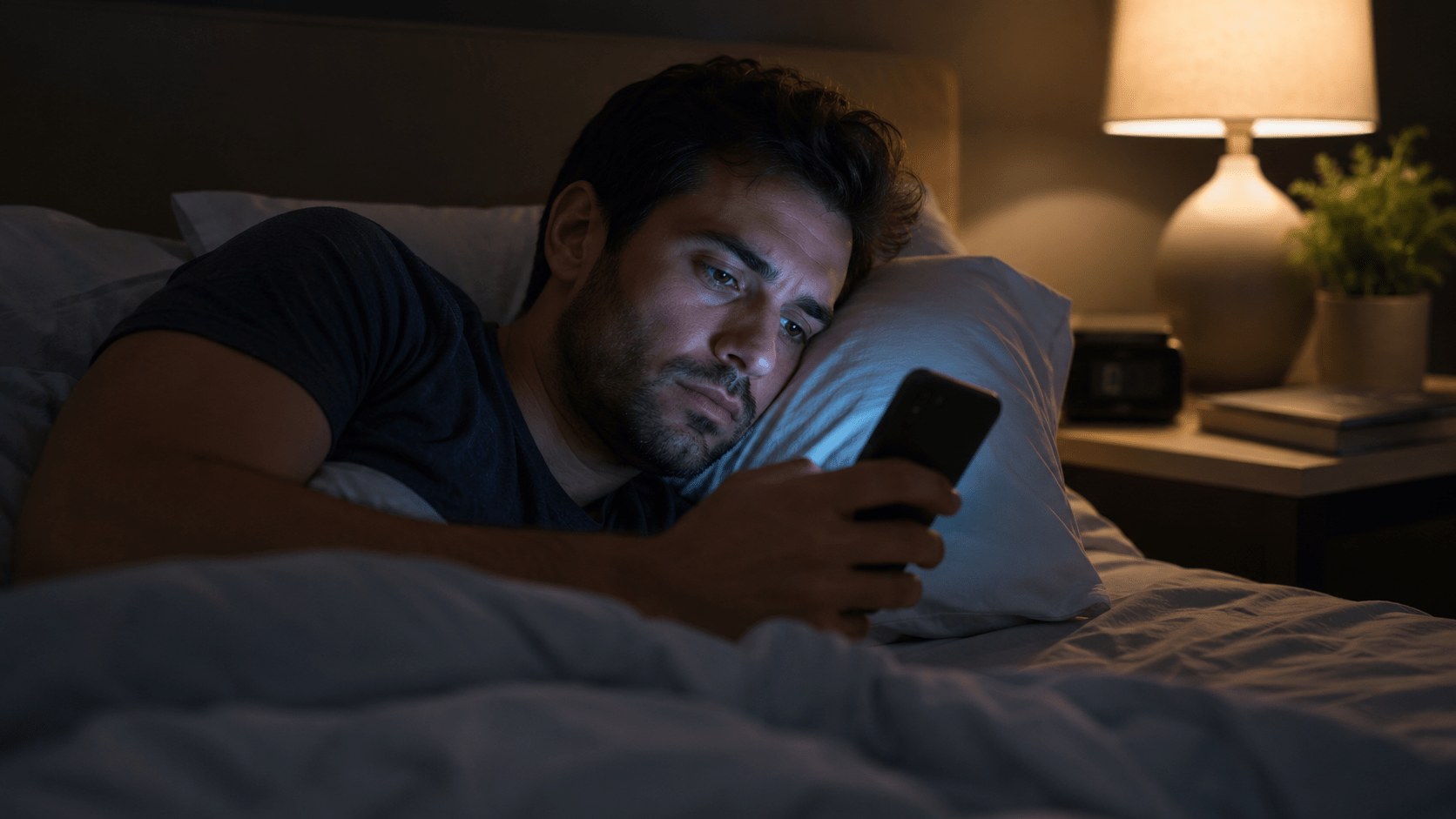
One of the most common patterns I see is a patient who sleeps well after taking a medication one night and then becomes highly focused on whether it will work again the next night. The person starts monitoring the clock, evaluating every sensation, and waiting for sleep to happen. That increased vigilance can interfere with sleep regardless of the medication being used.
Why Does Anxiety Make Sleep Medications Less Effective?
Sleep requires a degree of physical and psychological safety. Anxiety pushes the nervous system in the opposite direction. The brain begins scanning for danger, monitoring symptoms, and preparing for potential threats.
When insomnia continues, many patients become increasingly concerned about the consequences of poor sleep. They worry about their health, their job performance, their ability to function, and whether they will ever sleep normally again. Some begin researching sleep disorders online, seeking reassurance from multiple sources, or frequently changing medications in search of certainty.
At that point, the nervous system may remain activated even when a medication is present. The medication is trying to promote sleep while anxiety is promoting vigilance. The result can be inconsistent sleep and increasing frustration.
What Happens When Sleeping Pills Stop Working and Sleep Becomes a Problem to Solve?
Many patients approach insomnia the same way they would approach a work project. They gather information, develop strategies, monitor outcomes, and try harder. Unfortunately, sleep does not respond well to effort.
The more a person tries to force sleep, the more attention becomes focused on sleep. Every night becomes a test. Every awakening becomes evidence that something is wrong. Every unsuccessful medication trial feels like another setback.
I often hear patients say things such as, “I just need to find the right medication.” While medication may play an important role, chronic insomnia is rarely solved by medication alone. Sustainable improvement usually requires understanding the thoughts, emotions, behaviors, and physiological factors that keep the sleep problem active.
What Other Factors Might Be Keeping Insomnia Going?
Several factors commonly contribute to ongoing insomnia even when medications are being used appropriately. These include health anxiety, chronic stress, hyperarousal, excessive sleep monitoring, catastrophic thinking, pain conditions, unresolved trauma, inconsistent sleep schedules, and conditioned fear of wakefulness.
Many patients are surprised to discover that the strongest predictor of a bad night is not always what happened during the day. Sometimes it is the fear they feel when they get into bed. The body remembers previous sleepless nights and begins preparing for another struggle.
This process is sometimes called conditioned arousal. The bed and bedtime become associated with frustration, worry, and effort rather than relaxation and sleep.
How Does CBT-I Help When Sleeping Pills Stop Working?
Cognitive Behavioral Therapy for Insomnia, or CBT-I, is considered the gold standard treatment for chronic insomnia. CBT-I helps patients identify and change the patterns that maintain insomnia.
Rather than focusing exclusively on medication, CBT-I addresses sleep-related anxiety, conditioned arousal, unhelpful beliefs about sleep, and behaviors that unintentionally keep the problem going. Patients learn practical skills that help reduce the struggle around sleep and rebuild confidence in their ability to rest.
Many people continue using medication while participating in CBT-I. Others eventually reduce medication use in consultation with their prescribing physician. The goal is not to eliminate medication. The goal is to address the factors that medication alone may not be able to solve.
What I Often See in Practice
I often meet patients after they have tried several medications within a matter of weeks or months. They are exhausted, discouraged, and increasingly fearful. Many believe they have failed treatment because the medications did not produce consistent results.
What I usually find is that the insomnia has become connected to anxiety, health worries, hypervigilance, and fear of not sleeping. The medication may have helped initially, but the underlying cycle remained active. Once treatment begins addressing those deeper factors, sleep often becomes more stable.
The most meaningful improvements frequently occur when patients stop treating every bad night as a crisis and start learning skills that reduce the overall level of arousal in the nervous system.
Key Takeaways
- Sleep medications can become less effective over time or appear less effective when anxiety increases.
- Health anxiety and fear of insomnia often interfere with sleep even when medication is present.
- Insomnia is frequently a symptom rather than the root cause.
- CBT-I is the gold standard treatment for chronic insomnia.
- Sustainable improvement often comes from addressing the underlying factors maintaining the sleep problem.
Frequently Asked Questions
Can a sleeping pill suddenly stop working?
Yes. Some medications lose effectiveness over time. In other situations, anxiety and hyperarousal increase and make the medication seem less effective.
Why did my medication work the first few nights but not later?
Many patients become increasingly focused on sleep after an initial improvement. The resulting pressure, monitoring, and anxiety can interfere with sleep.
Should I keep switching medications?
Medication decisions should always be discussed with your prescribing physician. Repeated medication changes without addressing underlying insomnia factors may not provide lasting improvement.
Can anxiety overpower sleep medication?
Anxiety can significantly interfere with sleep. A highly activated nervous system may remain alert even when a medication is intended to promote sleep.
What is the best treatment for chronic insomnia?
CBT-I is considered the gold standard treatment for chronic insomnia and is often more effective long-term than relying on medication alone.
Conclusion
If your sleeping pills stop working, it does not mean you have run out of options. Many people discover that the medication was only one piece of a larger picture. Chronic insomnia often involves anxiety, conditioned arousal, health concerns, and learned patterns that continue even when medication is present.
Effective treatment focuses on understanding those underlying factors. When patients learn skills that reduce fear, hypervigilance, and sleep-related anxiety, they often regain confidence in their ability to sleep and experience more sustainable improvement.
About the Author
 Dr. Charles R. Freeman, Ph.D., is a psychologist specializing in insomnia, sleep disorders, PTSD, anxiety, trauma, and Cognitive Behavioral Therapy for Insomnia (CBT-I). He has more than 25 years of experience helping individuals improve sleep, emotional well-being, and overall quality of life through evidence-based treatment approaches. If you would like to learn more about treatment options or schedule a consultation, please contact Dr. Freeman.
The information in this article is provided for educational purposes only and is not intended to replace professional medical or psychological advice. Individual circumstances vary, and readers should consult a qualified healthcare professional regarding their specific concerns.