

Learn About Dr. Freeman's Clinical Approach
My clinical approach is practical, active, and collaborative.
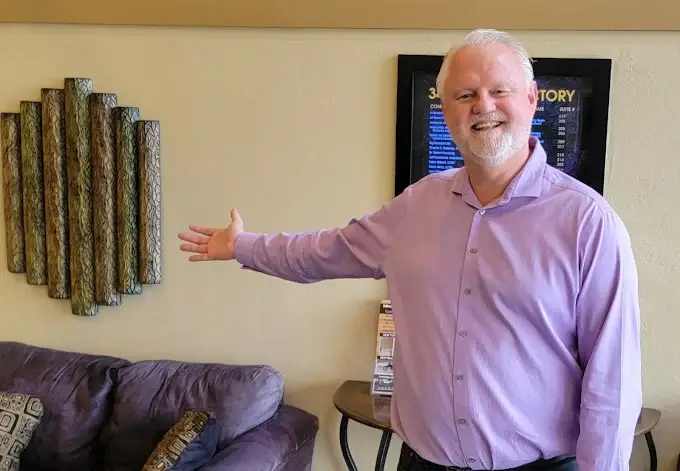
With over 25 years of clinical experience, I help people facing insomnia, nightmares, anxiety, depression, trauma, PTSD, chronic pain and related concerns.
A clear clinical approach should help you understand what is happening and what you can do next. My approach is practical, collaborative, and individualized. I will listen carefully, explain what I am noticing and help you develop tools that fit your needs, strengths and goals. You will not be expected to adapt to a rigid formula.
A Clear, Active Therapy Process
Therapy with me involves more than describing what happened during the week. We begin by understanding the patterns affecting your life and identifying what you would like to change. I then offer direct feedback, explain my recommendations and help you practice strategies that can be used outside the therapy room.
Between-session practice may be part of treatment. At the next appointment, we review what helped, what felt difficult and what needs to be adjusted. A strategy that does not work is not a failure; it gives us information for refining the plan.
A Collaborative Clinical Approach
I bring clinical knowledge and experience, but you bring the knowledge of your life. You remain in control of your goals and choices. My role is to provide guidance, structure and honest feedback while respecting your values, pace and priorities.
Our treatment plan is created together. I will be transparent about what I think may help, and I want you to tell me when something does not fit. Effective therapy is a working partnership, not a hierarchy in which your experience is dismissed.
A Clinical Approach Designed Around the Whole Person
People rarely arrive with one isolated symptom. Poor sleep may intensify pain, anxiety or depression. Trauma may appear through nightmares, irritability, body tension or difficulty relaxing. Health conditions, relationships, work demands, cultural background and personal beliefs can also shape what you are experiencing.
I have worked with people from varied cultural, spiritual and world perspectives. These parts of your life are welcomed when they matter to you. My aim is to understand the whole pattern rather than reduce you to a diagnosis or a single symptom.
Methods Used in My Clinical Approach
Treatment is selected according to your concerns and goals. Not every person needs every method, and the plan may change as we learn what is most useful.
CBT helps identify thoughts and behaviors that may be reinforcing anxiety, depression, sleep problems or other difficulties. We work on practical changes and test which strategies help in daily life.
CBT-I is a structured approach for chronic insomnia. It addresses sleep-related thoughts, habits, schedules and conditioned arousal rather than relying only on general sleep-hygiene advice.
Eye Movement Desensitization and Reprocessing may be considered when trauma, PTSD, nightmares or distressing memories continue to activate strong emotional or physical responses.
Hypnosis, imagery, breathing and relaxation-based strategies may help some patients reduce arousal, manage pain, strengthen coping or prepare the mind and body for sleep.
Behavioral medicine examines the connections among health, behavior, sleep, pain, stress and emotional well-being. When appropriate, psychological treatment can complement care from physicians and other healthcare providers.
Diagnosis Is a Guide, Not Your Identity
A diagnosis can help organize symptoms, guide treatment and support communication with other healthcare providers. It does not define your character, your worth or the full story of your life.
I approach symptoms as understandable human responses that deserve careful attention. The purpose of assessment is to identify useful treatment options, not to place you beneath the therapist or make you feel defective.
Focused Therapy and Deep Work
Some people benefit from focused, relatively short-term work aimed at a specific concern. Others need longer-term therapy because trauma, sleep, mood, health and relationship patterns are closely connected. I do not decide the length of treatment from a formula.
The goal is to work long enough for change to become useful and sustainable – not to keep you in therapy unnecessarily. After treatment ends, you may return for fine-tuning, support during a difficult period or a mental-health check-in.
Frequently Asked Questions
No. Conversation is important because it helps us understand your experience, but my approach is active. Sessions may also include education, cognitive behavioral strategies, guided exercises, trauma-focused work and practical tools to use between appointments.
Yes. I will listen carefully and also offer direct, respectful feedback. I explain what I am noticing, why I am recommending a particular approach and how it connects to your goals. You are encouraged to ask questions and disagree when something does not fit.
Often, yes, although I prefer to think of it as practice. You may try a sleep strategy, observe a pattern, complete a brief exercise or use a coping tool during the week. We review the result together and adjust the plan rather than grading your performance.
Your concerns, history, strengths, health, culture, values and goals all help shape treatment. Two people with the same diagnosis may need very different approaches. We choose methods according to the person, not only the label.
There is no single answer. Focused concerns may respond to shorter-term treatment, while complex trauma or several overlapping difficulties may require longer work. We discuss progress openly and continue only while treatment remains useful.
Yes, when a diagnosis helps clarify symptoms, guide treatment or meet clinical and insurance requirements. I do not treat a diagnosis as your identity or use it to create distance between us.
No. These are treatment options, not automatic prescriptions. I recommend an approach only when it appears appropriate for your concerns, readiness and goals, and I explain how it may help before we proceed.
That is common. Insomnia, trauma, anxiety, depression, chronic pain and relationship stress can reinforce one another. We identify the most important starting point while keeping the larger picture in view.
You do not need to choose a treatment method before contacting me. During the consultation and initial appointments, we discuss what is happening and determine whether my experience and approach are a good fit.
Let's Identify What Is Keeping You Stuck - and Build a Practical Way Forward.
You do not need to have everything organized before reaching out. A free 15-minute consultation gives you an opportunity to describe your concerns, ask questions and decide whether working together feels right.