Dr. Freeman's Blog Posts

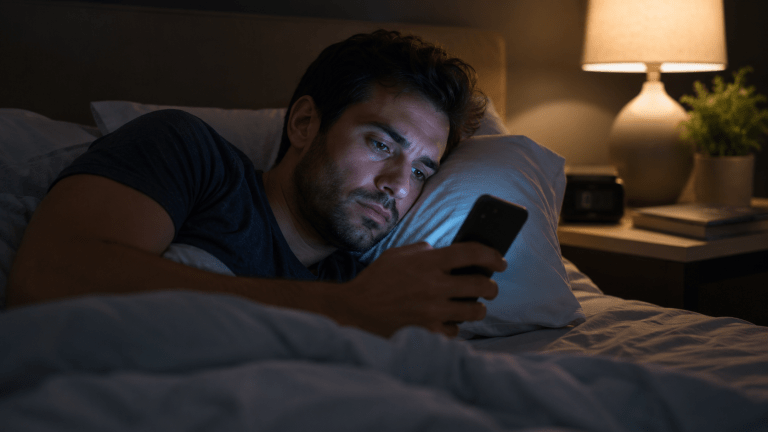
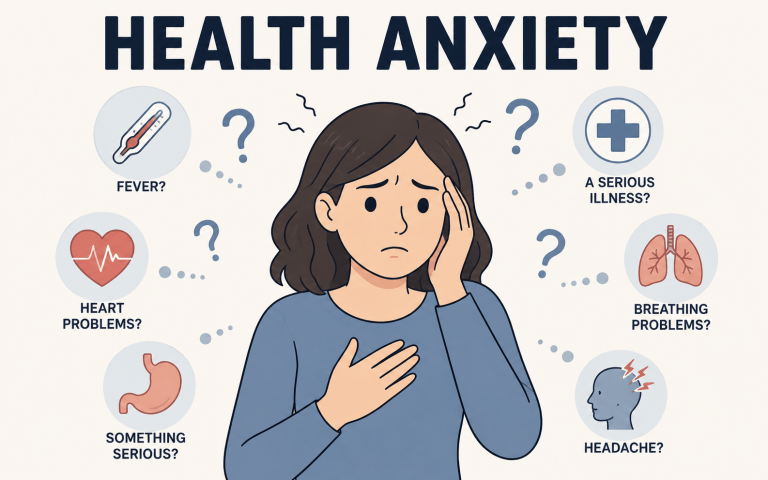
Can health anxiety cause insomnia worried person experiencing sleep anxiety, health fears, and insomnia symptoms

Can Health Anxiety Cause Insomnia?

Yes. Health anxiety can cause insomnia, and insomnia can make health anxiety worse. A person may begin with a real sleep problem, but the fear about what poor sleep means can become one of the main reasons the nervous system stays awake.

This pattern often starts suddenly. Someone who has

Read More »
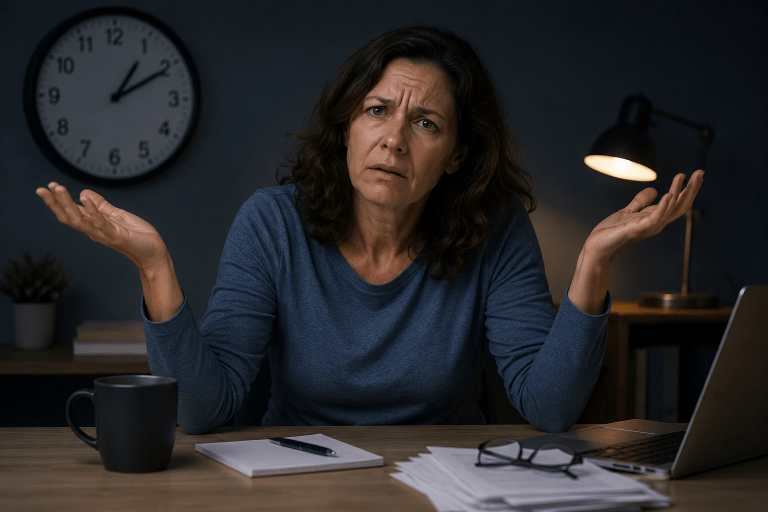
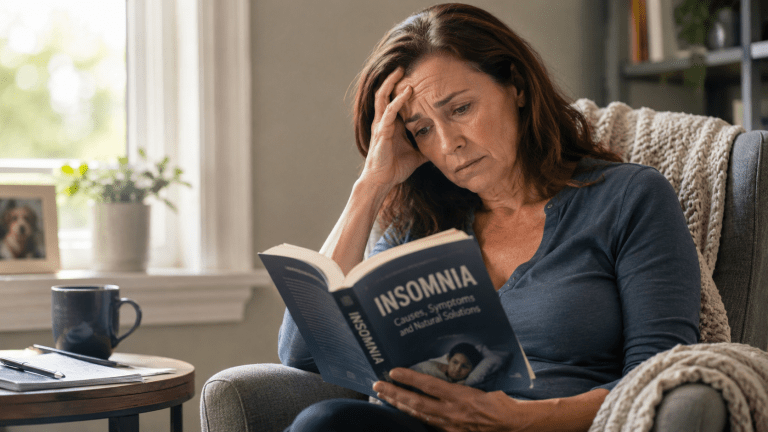
Obsessed with fixing sleep woman reading insomnia book with worry and exhaustion

Why Insomnia Patients Become Obsessed With Fixing Sleep

Many people with insomnia become obsessed with fixing sleep because the brain starts treating wakefulness as an emergency. A few bad nights can turn into hours of research, symptom checking, medication worry, rigid routines, and constant fear about what will happen if sleep does not return.

This pattern makes sense.

Read More »
Adult woman reflecting on childhood criticism while holding an old handwritten note beside a clear framed photo of her parents.

Why Childhood Criticism Can Affect Adult Sleep

Childhood criticism can affect adult sleep because the nervous system may learn to stay alert for judgment, conflict, disappointment, or rejection. Years later, that same alert system can show up at night as insomnia, rumination, early-morning waking, and difficulty relaxing.

Many adults do not connect sleep problems with childhood experiences.

Read More »
Why Successful Professionals Develop Severe Insomnia

Why Successful Professionals Develop Severe Insomnia

Successful professionals often develop severe insomnia for reasons that have little to do with sleep itself. The problem is frequently driven by chronic stress, perfectionism, responsibility, self-criticism, anxiety, and a nervous system that rarely has an opportunity to fully relax.

Many people assume insomnia affects individuals who are disorganized, unmotivated,

Read More »
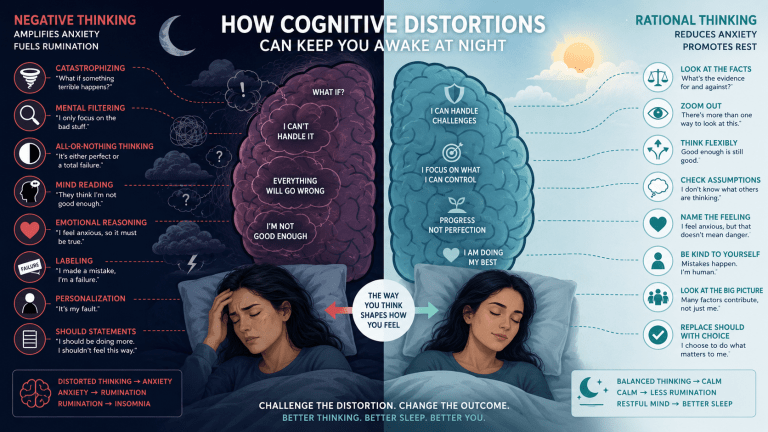
Illustration showing common cognitive distortions such as catastrophizing, personalization, mind reading, and all-or-nothing thinking that contribute to anxiety and insomnia.

How Cognitive Distortions Can Keep You Awake at Night

Cognitive distortions can keep you awake at night by turning normal worries into threats, mistakes into disasters, and wakefulness into panic. The body may be tired, but the mind stays active because it is interpreting thoughts as danger.

Many people with insomnia believe they have a sleep problem only. They

Read More »
A tense woman carefully arranging colorful paper clips in perfect rows to represent perfectionism, rumination, and insomnia

Can Perfectionism Cause Insomnia?

Yes. Perfectionism can cause insomnia when the mind stays active at night reviewing mistakes, judging performance, comparing life progress, and trying to prevent future failure. The person may be exhausted, but the nervous system remains on alert.

Many perfectionistic people do not think of themselves as anxious. They may describe

Read More »
A calm bedroom at dawn with soft natural light suggesting recovery from insomnia and nighttime rumination

When Insomnia Is Not Really About Sleep

Sometimes insomnia is not really about sleep. The sleep problem is real, but the cause may be anxiety, trauma, perfectionism, stress, rumination, or a nervous system that has learned to stay on alert at night.

Many people come to treatment after trying sleep hygiene, supplements, medications, meditation apps, or advice

Read More »
Mountain sunrise above a sea of clouds representing anxiety-related chronic insomnia, emotional recovery, and the return of restorative sleep

Can Anxiety Cause Chronic Insomnia?

Yes, anxiety can absolutely cause chronic insomnia. It can also maintain it long after the original stressor has passed. In my clinical work, I often see that people are not just struggling with sleep. They are struggling with a nervous system that has learned to stay alert, a mind that

Read More »
Moonlit coastal fog landscape representing sleep hypnosis vs CBT-I for insomnia treatment, sleep anxiety, and natural sleep recovery

Sleep Hypnosis vs CBT-I: What’s the Difference?

Sleep Hypnosis vs CBT-I: What’s the Difference? By Dr. Charles R. Freeman, Ph.D. Sleep hypnosis vs CBT-I is a common question for people who want help with insomnia without relying only on medication. Sleep hypnosis and CBT-I can both help with insomnia, but they are not the same treatment. Sleep

Read More »
Soft ripples on calm water at dusk representing sleep hypnosis for insomnia and relaxation before restorative sleep

Can Sleep Hypnosis Help Insomnia?

Yes, sleep hypnosis may help some people sleep better if they have insomnia, especially when anxiety, tension, racing thoughts, or sleep effort are keeping the mind and body activated at night. In my previous article, “What Is Sleep Hypnosis?” I discussed at length how this treatment works and what it

Read More »
Dr. Charles R. Freeman standing against a purple background with the words Why Trauma Causes Insomnia, explaining how trauma affects sleep

Why Trauma Affects Sleep for Years

Trauma affects sleep for years because the body may continue operating as if danger is still nearby, even when the traumatic event is over. That is why trauma affects sleep long after the event has ended. A person may intellectually know, “I am safe now,” while the nervous system still

Read More »

Dr. Freeman's Articles on Sleep, Trauma, and Behavioral Medicine