
San Francisco & Bay Area Teletherapy
Sleep Psychologist for San Francisco and the Bay Area by Teletherapy
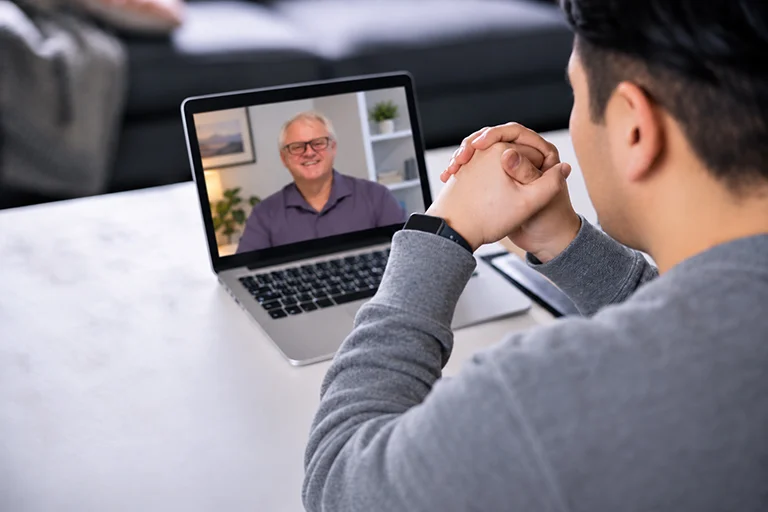
Dr. Charles R. Freeman provides teletherapy to patients in San Francisco and throughout the Bay Area. He is a California-licensed psychologist based in San Diego, where his only physical office is located. Bay Area appointments take place by secure video.
Dr. Freeman brings over 35 years of clinical experience to work with persistent insomnia, anxiety, trauma and PTSD, nightmares, chronic pain and behavioral-medicine concerns. His approach is especially relevant when sleep difficulty cannot be understood through a schedule or sleep-hygiene checklist alone.

Specialized Insomnia Treatment by Teletherapy
Teletherapy allows patients in San Francisco, Marin, Palo Alto, Menlo Park, Atherton, Los Altos and other Silicon Valley communities to seek specialized care without making geographic proximity the deciding factor.
Treatment may address difficulty falling asleep, repeated awakenings, early waking, sleep anxiety, nightmares or chronic insomnia that has continued despite previous efforts. The aim is not to promise a quick cure. It is to understand the pattern and apply methods that fit the patient’s needs.
When Insomnia Has More Than One Maintaining Factor
Insomnia can begin during stress, illness, pain, trauma or a disrupted schedule and continue after the original trigger changes. The effort to control sleep may then add clock-watching, extended time in bed, fear of wakefulness or heightened nighttime arousal.
For other patients, sleep remains closely connected with anxiety, PTSD, nightmares, chronic pain or health concerns. Dr. Freeman evaluates which factors are actually present rather than assuming that every sleep problem has the same cause.

CBT-I and Behavioral Sleep Medicine
CBT-I uses cognitive and behavioral strategies to address chronic insomnia. Depending on the assessment, treatment may involve sleep scheduling, stimulus control, cognitive work and methods for reducing conditioned arousal.
Dr. Freeman’s broader behavioral-medicine background allows sleep treatment to remain focused while also accounting for pain, health stress, trauma or anxiety when relevant. Psychological treatment complements rather than replaces appropriate medical evaluation.
Anxiety, Trauma, Chronic Pain and Sleep
Anxiety can keep the mind active when the body is tired. Trauma and PTSD may involve hypervigilance or nightmares. Chronic pain may interrupt sleep and make it harder to settle physically. Poor sleep can, in turn, increase emotional and physical strain.
Treatment may combine sleep-specific strategies with CBT, EMDR therapy, trauma-informed care or behavioral-medicine methods. The plan remains individualized, and not every patient needs every approach.
Decades of Behavioral Medicine Experience
Dr. Freeman’s background includes sleep research beginning in 1985, sleep-disorders and behavioral-medicine settings, and private practice since 2007. He has worked at the intersection of sleep, behavior, health and emotion across different clinical environments.
For patients with a complicated presentation, this breadth can help distinguish between a straightforward insomnia pattern and a problem that requires coordinated attention to multiple factors. It also supports appropriate referral or collaboration when another clinician’s involvement is needed.
Specialized Care Without the Commute
Bay Area patients do not need to travel to San Diego to work with Dr. Freeman. Teletherapy can fit people whose schedules are shaped by clinical practice, technology, research, finance, law, leadership, caregiving or other demanding responsibilities.
Those examples are not restrictions. The practice serves adults from varied occupations and backgrounds. The relevant question is whether specialized online treatment fits the patient’s clinical needs and circumstances.
How Teletherapy Works
Appointments are conducted through secure video. Patients participate from an appropriate private setting with a reliable connection and working audio and video.
Sessions may include assessment, education, collaborative problem-solving, cognitive and behavioral exercises and strategies practiced between appointments. Teletherapy is considered according to clinical appropriateness rather than treated as the automatic choice for every person.
Fees and Insurance
San Francisco and Bay Area teletherapy uses the same current fee schedule as in-person care in San Diego and teletherapy elsewhere in California. Fees are not adjusted by region.
Schedule a Free Consultation
The free 15-minute consultation gives prospective patients a brief opportunity to discuss what they are seeking and ask whether teletherapy with Dr. Freeman may be appropriate.
Frequently Asked Questions
Does Dr. Freeman have a San Francisco or Bay Area office?
No. Dr. Freeman’s physical office is in San Diego. San Francisco and Bay Area services are provided by teletherapy.
Does Dr. Freeman work only with people in technology or executive roles?
No. Dr. Freeman works with adults from varied occupations and backgrounds. Teletherapy may be convenient for demanding schedules, but professional status is not a requirement.
Can teletherapy address both insomnia and chronic pain?
When clinically appropriate, treatment can address sleep patterns and behavioral factors related to chronic pain while complementing medical care. Pain is not treated as imaginary or purely psychological.
Is Bay Area pricing higher?
No. The same current fee schedule applies throughout California.
When is medical evaluation important for a sleep problem?
Symptoms such as loud snoring, gasping, marked daytime sleepiness, unusual nighttime behavior or a sudden major change in sleep should be discussed with an appropriate medical professional. Psychological insomnia treatment does not replace medical evaluation.