
Clinical Approach
Dr. Freeman's Clinical Approach
Effective treatment begins with understanding the person, not simply assigning a diagnosis or selecting a standard protocol. Dr. Charles R. Freeman works collaboratively with patients to clarify what is happening, how the problem developed, what may be maintaining it and what kind of change would be meaningful.
Dr. Freeman is a California-licensed psychologist with over 35 years of clinical experience. His work includes insomnia and sleep problems, anxiety, trauma and PTSD, chronic pain and behavioral medicine, CBT, CBT-I and EMDR therapy. He provides in-person treatment in San Diego and teletherapy throughout California when clinically appropriate.

Care That Begins With Careful Assessment
Treatment starts with a review of the patient’s present concerns, health, sleep, stress, relationships, routines, previous treatment, strengths and goals. Dr. Freeman asks what has already been tried and what helped, failed or made the problem worse.
This assessment helps distinguish a focused concern from a more complicated pattern. Difficulty sleeping, for example, may be maintained by schedule, conditioned arousal or sleep-related worry. It may also overlap with anxiety, trauma, nightmares, chronic pain, grief or medical stress. The plan follows the evidence in the patient’s life rather than assuming that one explanation fits everyone.
Practical and Collaborative Treatment
Dr. Freeman explains the reasoning behind his recommendations and invites questions. Treatment may include education, focused discussion, cognitive and behavioral strategies, guided exercises and skills practiced between appointments.
Progress is reviewed openly. Dr. Freeman and the patient consider what helped, what was difficult and what needs to be adjusted. Collaboration does not mean that the patient must arrive knowing the diagnosis or preferred treatment method. The first task is to understand the problem together.
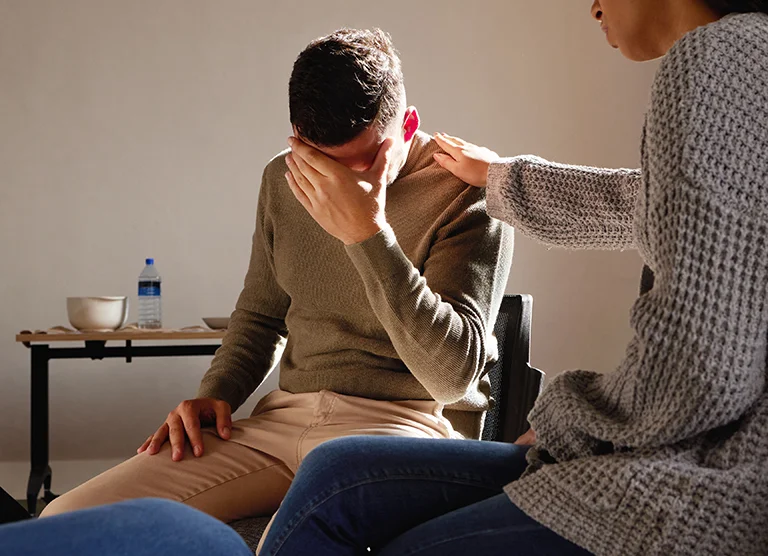
Methods Selected for the Individual
Depending on the concern, treatment may include:
- 1. Cognitive Behavioral Therapy (CBT)
- 2. Cognitive Behavioral Therapy for Insomnia (CBT-I)
- 3. Eye Movement Desensitization and Reprocessing (EMDR) therapy
- 4. Behavioral medicine strategies
- 5. Clinical hypnosis
- 6. Mindfulness and relaxation
- 7. Motivational, interpersonal or solution-focused methods
Not every patient needs every approach. A structured method can be valuable, but Dr. Freeman does not force a patient into a protocol that does not fit the clinical picture.

Sleep, Health and the Whole Person
Sleep problems often sit at the intersection of health, behavior and emotion. Anxiety may increase nighttime arousal. Trauma may appear through nightmares, hypervigilance or difficulty relaxing. Pain may disrupt sleep, and poor sleep may increase pain-related distress.
Behavioral medicine helps address these connections without treating physical symptoms as imaginary. Pain is real. Sleep disruption is real. Psychological treatment can complement medical care by addressing stress, behavior, coping, arousal and patterns that affect daily functioning.
Focused Treatment and Deeper Work
Some patients seek focused help for one concern, such as chronic insomnia or a specific anxiety pattern. Others need a broader plan because sleep, trauma, pain, health, mood or relationships are closely connected.
Dr. Freeman works toward clear goals while allowing enough flexibility to address clinically important issues that emerge. Treatment length depends on the concern, complexity, progress and patient’s goals. No duration or outcome can be guaranteed.
Trauma-Informed and Respectful Care
Trauma-focused treatment is paced according to readiness, stability and goals. EMDR may be considered, but it is not an automatic recommendation for every person with trauma symptoms.
Dr. Freeman works with patients from varied cultural, relationship, occupational and spiritual backgrounds. Identity, family, community, beliefs and personal values may be included when they matter to the patient. No single worldview is imposed.
Medication and Coordination With Medical Care
Dr. Freeman does not prescribe medication. Medication decisions remain with the prescribing clinician.
When relevant and authorized, Dr. Freeman coordinates with primary-care clinicians, sleep physicians, psychiatrists and other specialists so that behavioral and medical care can support one another. Psychological care does not replace appropriate medical evaluation.
In-Person Treatment and California Teletherapy
In-person appointments are available at Dr. Freeman’s San Diego office. Teletherapy is available throughout California when clinically appropriate and consistent with current licensure requirements. San Diego patients may choose either format.
Frequently Asked Questions
Is treatment mainly talk therapy?
Conversation is important, but treatment may also include education, cognitive and behavioral strategies, guided exercises, trauma-focused work and practical tools used between appointments.
Does every patient receive CBT-I or EMDR?
No. CBT-I is designed for insomnia, and EMDR is one option for appropriate trauma-related concerns. Recommendations depend on the assessment, readiness and treatment goals.
Can Dr. Freeman coordinate with another clinician?
Yes. When clinically relevant and authorized, he can coordinate with medical, sleep, psychiatric and other treating professionals.
Discuss What You Need
Patients do not need to determine the correct diagnosis or treatment method before reaching out. A free consultation can begin with the concern that is affecting daily life and whether Dr. Freeman’s experience and approach may be a fit.