Clear Answers About Sleep, Trauma and Emotional Health
It can be difficult to know whether what you are experiencing is temporary, whether therapy could help, or where to begin.
I created this page to answer common questions in plain language and help you find information that is relevant to your concerns.
These resources are educational and cannot replace an individualized medical or psychological evaluation. If you are unsure where your symptoms fit, we can discuss them during a free 15-minute consultation.
Sleep and Insomnia
Sleep problems are rarely about willpower. The goal is to understand what keeps your sleep system activated and identify the treatment tools that fit your particular pattern.
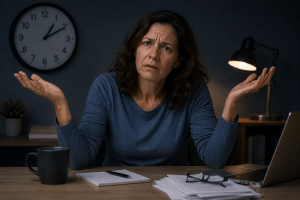
Why am I exhausted but still unable to sleep?
You can be physically tired while your nervous system remains alert. Worry, trauma, chronic pain, clock watching, pressure to sleep and learned associations between the bed and wakefulness can all keep the brain activated. Treatment begins by identifying your pattern rather than assuming that every person with insomnia needs the same solution.
Is better sleep hygiene enough to treat chronic insomnia?
Healthy habits can support sleep, but they may not resolve chronic insomnia by themselves. Cognitive Behavioral Therapy for Insomnia, or CBT-I, addresses the thoughts, behaviors, schedules and conditioned arousal that keep insomnia going. Depending on your needs, treatment may also include relaxation, hypnosis, anxiety treatment, trauma work or coordination with a medical provider.
When should I seek professional help for sleep?
Consider seeking help when sleep difficulties occur repeatedly, create dread about bedtime, affect your mood or concentration, or lead you to rely heavily on sleep aids. Symptoms such as loud snoring, gasping, unusual movements or severe daytime sleepiness may also require evaluation by a physician or sleep medicine specialist.
Trauma can continue to affect the mind and body long after an experience has ended. Symptoms may appear through sleep, mood, relationships, physical tension or a persistent sense of being on guard.
Why can trauma affect sleep for years?
The nervous system learns from danger. Even when you know intellectually that you are safe, your body may continue to scan for threat. At night this can appear as hypervigilance, nightmares, panic awakenings, muscle tension or difficulty letting go of control. Treatment helps the nervous system distinguish past danger from present safety.
Do I need a PTSD diagnosis to receive help for trauma?
No. Some people meet the criteria for PTSD, while others experience anxiety, avoidance, shame, grief, nightmares or body-based reactions connected to difficult experiences. Therapy can focus on the symptoms affecting your life without forcing your experience into a label that does not fit.
Will I have to describe every detail of what happened?
Not necessarily. Effective trauma treatment should be paced and collaborative. We begin with preparation, coping skills and an understanding of what feels manageable. You remain involved in deciding what to discuss, when to pause and which treatment approach is appropriate.