
Trauma and PTSD
Trauma and Post-Traumatic Stress Disorder (PTSD) Treatment in San Diego

Treatment at a Glance
- 1. Who may benefit: Adults experiencing intrusive memories, nightmares, hypervigilance, avoidance, emotional reactivity, body tension, sleep disruption or other continuing effects of trauma.
- 2. Treatment focus: Safety, stabilization, readiness and the specific symptoms or areas of life the patient wants to change.
- 3. Approaches: Trauma-focused Cognitive Behavioral Therapy (CBT) strategies, Eye Movement Desensitization and Reprocessing (EMDR), sleep-focused care, psychoeducation and anxiety-management skills when appropriate.
- 4. Appointments: In person in San Diego and by teletherapy throughout California when clinically appropriate.
- 5. Related care: EMDR therapy, Insomnia treatment, anxiety treatment and services for active-duty military personnel and dependents.
How Trauma May Show Up
- 1. Intrusive memories or distressing reminders
- 2. Nightmares or fear of sleep
- 3. Hypervigilance and exaggerated startle
- 4. Avoidance of people, places or situations
- 5. Irritability, anger or emotional reactivity
- 6. Numbness, withdrawal or disconnection
- 7. Anxiety, shame or guilt
- 8. Physical tension and difficulty relaxing
- 9. Concentration problems
- 10. Changes in work, relationships or daily functioning

Trauma, Sleep and the Nervous System
An Individualized Trauma Treatment Plan
Education and Stabilization
CBT-Based Trauma Treatment
Eye Movement Desensitization and Reprocessing (EMDR) Therapy
Sleep-Focused Treatment
Behavioral and Anxiety-Management Skills
Patients, Relationships and Cultural Context
You Control the Pace

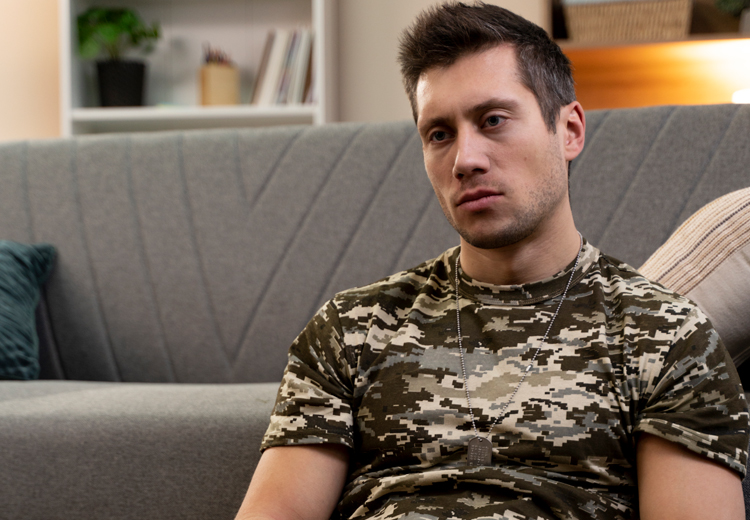
Trauma Treatment for Active-Duty Military and Dependents
Dr. Freeman's Clinical Perspective
Trauma treatment does not have to begin with a detailed retelling of the most painful experience. Dr. Freeman first considers safety, current stability, sleep, coping resources and the patient’s ability to return to the present after becoming activated. Preparation is part of treatment, not a delay in treatment.
The treatment method follows the patient’s needs. Some patients benefit from education and stabilization before processing trauma memories. Others may use Cognitive Behavioral Therapy (CBT) strategies, EMDR or sleep-focused treatment. Insomnia and nightmares may need direct attention even while broader trauma work continues.
Dr. Freeman’s perspective is also informed by personal experience with grief, illness, loss and major life disruption. He does not assume that adversity automatically produces growth. He recognizes, however, that supported recovery can strengthen resilience, empathy, compassion and a clearer sense of what matters to the individual.
When Medical or Additional Care May Be Needed

Frequently Asked Questions
Is a PTSD Diagnosis Required to Seek Trauma Therapy?
Is It Necessary to Tell the Whole Story Immediately?
Is EMDR the Only Trauma Treatment Dr. Freeman Uses?
Can trauma therapy help sleep?
How long does trauma treatment take?
Related Services




Related Reading From Dr. Freeman’s Blog
- Trauma and PTSD

Can PTSD Cause Insomnia? By Dr. Charles R. Freeman, Ph.D. Yes, PTSD can cause insomnia. Post-traumatic stress disorder can keep...

EMDR for trauma-related problems may help when painful memories, body reactions, nightmares, shame, fear, or relationship patterns continue long after...
Trauma affects sleep for years because the body may continue operating as if danger is still nearby, even when the...
Authoritative Information
Read educational information from the National Center for PTSD. This federal resource is provided for general education and does not replace an individualized assessment.
Clinical Content Information
Clinical content by Dr. Charles R. Freeman, Ph.D., a California-licensed psychologist with over 35 years of clinical experience. View California psychology license PSY #25414.
Learn more about Dr. Freeman’s professional background and clinical approach.