
Chronic Pain and Behavioral Medicine
Chronic Pain and Behavioral Medicine in San Diego
Chronic pain is a real physical experience. Psychological treatment does not mean the pain is imaginary or that you caused it. It recognizes that pain, sleep, stress, activity, muscle tension, mood and coping can influence one another.
Behavioral medicine helps identify patterns that may increase suffering or limit daily function and develops practical ways to respond. The goal is not to argue you out of pain. It is to support better coping, more meaningful activity and quality of life alongside appropriate medical care.

Treatment at a Glance
- 1. Who may benefit: People whose chronic pain is affecting sleep, activity, mood, stress, relationships, confidence or everyday functioning.
- 2. Treatment focus: The interaction among pain, sleep, movement, stress, fear, avoidance, coping and meaningful activity while respecting that pain is real.
- 3. Approaches: Behavioral medicine, Cognitive Behavioral Therapy (CBT) strategies, activity pacing, gradual return to valued activity, relaxation, stress management and sleep treatment when appropriate.
- 4. Appointments: In person in San Diego and by teletherapy throughout California when clinically appropriate.
- 5. Related care: Insomnia and sleep treatment, Cognitive Behavioral Therapy and anxiety treatment.
How Chronic Pain Can Affect Daily Life
Persistent pain can narrow a person’s world. Activities may be avoided because of fear of a flare. Rest may increase while strength, confidence and social contact decrease. Sleep may become fragmented, and poor sleep may make pain, mood and concentration harder to manage.
Common concerns include:
- 1. Fear of movement or reinjury
- 2. Cycles of overactivity followed by a crash
- 3. Sleep disruption and fatigue
- 4. Muscle tension and difficulty relaxing
- 5. Frustration, grief or irritability
- 6. Anxiety about symptoms or future health
- 7. Low mood and loss of meaningful activity
- 8. Medication concerns
- 9. Strain in work, relationships or family roles

The Interaction Among Body, Behavior, Sleep and Stress
Pain signals are physical, and their impact is shaped by many systems. Stress can increase muscle tension and vigilance. Fear can lead to avoidance. Avoidance can reduce activity and confidence. Poor sleep can lower resilience and increase distress. These interactions do not make the pain less real.
Behavioral medicine looks for places where the cycle can change. Even when the medical condition remains, a person may be able to respond differently to flare-ups, pace activity more effectively, improve sleep or return to valued parts of life.
How Psychological Treatment May Help
The treatment plan should fit the medical situation, current function, goals and what has already been tried. Possible components include:
Cognitive Behavioral Strategies
CBT can help patients identify catastrophic predictions, self-critical conclusions and avoidance patterns that intensify distress or restrict activity. Cognitive restructuring and carefully chosen behavioral steps help patients test more useful responses while respecting medical limitations and the reality of pain.
Activity Pacing
Pacing aims to reduce the boom-and-bust cycle in which a person does too much on a better day and then becomes unable to function after a flare. A steadier approach can support consistency without treating rest or activity as moral tests.
Gradual Return to Meaningful Activity
Treatment may help identify activities that matter and plan a gradual, realistic return when medically appropriate. Progress is measured by function and participation as well as symptom intensity.
Stress and Arousal Management
Clinical hypnosis, mindfulness and relaxation may be used to reduce arousal, tension and pain-related distress. These methods are individualized and may support coping and function, but outcomes vary and they do not promise elimination of pain.
Sleep Treatment
Chronic pain and insomnia often reinforce one another. Cognitive Behavioral Therapy for Insomnia (CBT-I) or other sleep-focused strategies may be included when wakefulness, irregular schedules or sleep anxiety have become separate treatment targets.
Mood, Anxiety and Health Concerns
Pain can bring grief, uncertainty, anger, depression or health anxiety. Therapy can address these concerns directly while keeping the medical reality and the person’s broader life in view.
Psychological Care Can Complement Medical Treatment
Behavioral medicine does not replace medical evaluation, physical rehabilitation or other needed care. It can complement those treatments by addressing coping, adherence, activity, stress, sleep and emotional responses.
Coordination with medical professionals is a routine part of care when relevant and authorized. Dr. Freeman communicates with primary-care clinicians, pain or sleep physicians, psychiatrists and other specialists so that behavioral treatment can complement medical care. Medication decisions remain with the prescribing clinician.
What to Expect
Treatment begins with a review of the patient’s pain history, medical care, sleep, activity, stress, mood, current coping and the parts of life that have been limited. Dr. Freeman explains the patterns he sees and recommends a practical starting point.
The patient may track an activity pattern, practice pacing, test a cognitive strategy or work on sleep between sessions. Dr. Freeman and the patient review the effect and adjust the plan. Treatment should be active without making the patient feel blamed or pushed beyond what is medically appropriate.
When Medical or Additional Care May Be Needed
Psychological treatment does not diagnose the medical cause of pain and does not replace appropriate medical, rehabilitation or emergency care. New symptoms, rapidly worsening symptoms or questions about medication and physical restrictions should be addressed with the relevant medical clinician.
With the patient’s authorization, Dr. Freeman may coordinate with physicians, pain specialists, rehabilitation professionals or prescribing clinicians so that behavioral and medical care support compatible goals.

Dr. Freeman's Clinical Perspective
Behavioral medicine does not ask whether pain is real; it asks what may help the patient live more effectively with a real and difficult condition. Pain can lead to guarded movement, disrupted sleep, fear of a flare and withdrawal from meaningful activity. Those responses are understandable, yet they can sometimes narrow life further.
Dr. Freeman helps patients distinguish protective limits from patterns that may be increasing disability or distress. Pacing is neither prolonged inactivity nor pushing through every symptom. It is a planned way to balance activity and recovery while psychological care works alongside appropriate medical treatment.
Treatment can also examine foundations that influence coping and well-being, including sleep, movement, nutrition, relationships, meaning, purpose and personal values. These areas are considered without blaming the patient, minimizing physical illness or treating lifestyle change as a substitute for medical care.
Frequently Asked Questions
Does Behavioral Medicine Mean the Pain Is Psychological?
No. Pain is real. Psychological and behavioral treatment addresses factors that can influence distress, activity, sleep, tension, coping and function without denying the physical experience.
Can therapy eliminate chronic pain?
Treatment should not promise that pain will disappear. Goals may include better coping, improved sleep, more consistent activity, less distress and a stronger quality of life.
Does This Replace Medical or Rehabilitation Care?
No. Behavioral medicine can complement medical and rehabilitation care. It does not replace evaluation or treatment that belongs with another clinician.
Can Treatment Address Sleep Problems Related to Pain?
Sleep treatment may be included when pain and insomnia reinforce one another. The plan can address both the physical context and the patterns maintaining wakefulness.
Related Services
Insomnia and Sleep Problems Treatment
Learn how specialized psychological treatment addresses chronic insomnia, nighttime arousal and sleep-related habits.

Cognitive Behavioral Therapy (CBT) and Cognitive Behavioral Therapy for Insomnia (CBT-I)
Understand the difference between general cognitive behavioral therapy and sleep-focused CBT-I.

Anxiety Treatment
Explore practical treatment for worry, avoidance, physical arousal and anxiety that affects daily life.
Related Reading From Dr. Freeman’s Blog
Sleep and physical health can influence how a person experiences and copes with chronic pain. These articles provide related education about insomnia, sleep deprivation and the connections among sleep, health and daily functioning.
- Chronic Pain and Behavioral Medicine
What Causes Chronic Insomnia? By Dr. Charles R. Freeman, Ph.D. Chronic insomnia is usually caused by more than one issue....
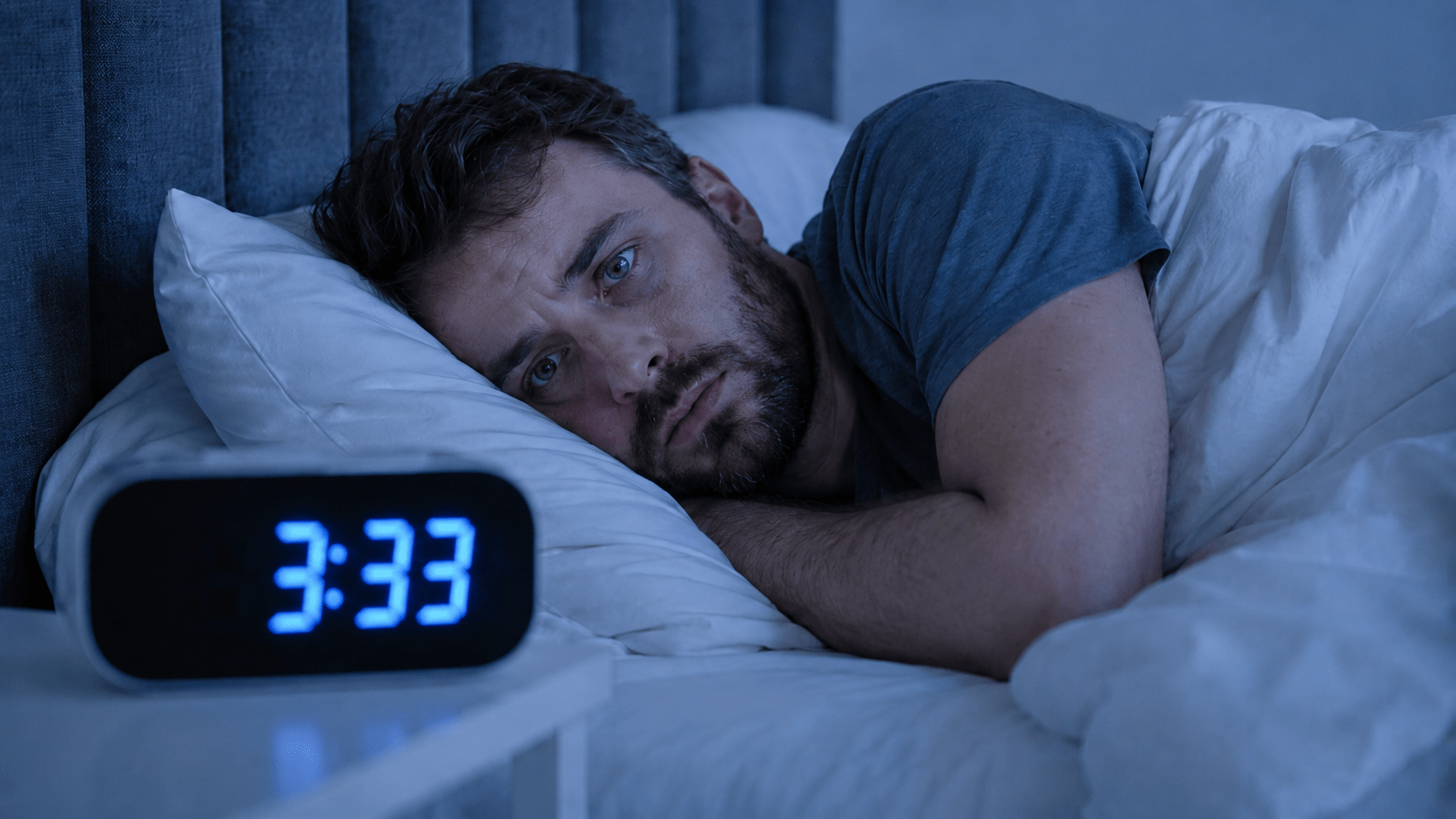
Why Do I Wake Up at 3 A.M. Every Night? By Dr. Charles R. Freeman, Ph.D. If you wake up...
Authoritative Information
Read the American Psychological Association’s information about coping with chronic pain. This general information can complement, but does not replace, medical evaluation and treatment.
About Dr. Charles R. Freeman, Ph.D.
Dr. Freeman is a California-licensed psychologist in San Diego with over 35 years of clinical experience. His practice specializes particularly in insomnia and sleep problems and also includes anxiety, trauma and Post-Traumatic Stress Disorder (PTSD), chronic pain and behavioral medicine, CBT, CBT-I and Eye Movement Desensitization and Reprocessing (EMDR). Appointments are available in person in San Diego and by teletherapy throughout California when clinically appropriate.
View California psychology license PSY #25414 or learn more about Dr. Freeman’s background and clinical approach.
Clinical Content Information
Clinical content by Dr. Charles R. Freeman, Ph.D., a California-licensed psychologist with over 35 years of clinical experience. View California psychology license PSY #25414.
Discuss Your Goals
If pain has begun to control sleep, activity, mood or daily life, Dr. Freeman can discuss how behavioral medicine may fit alongside the patient’s current care.