
Why Am I Exhausted but Still Can’t Sleep?
By Dr. Charles R. Freeman, Ph.D.
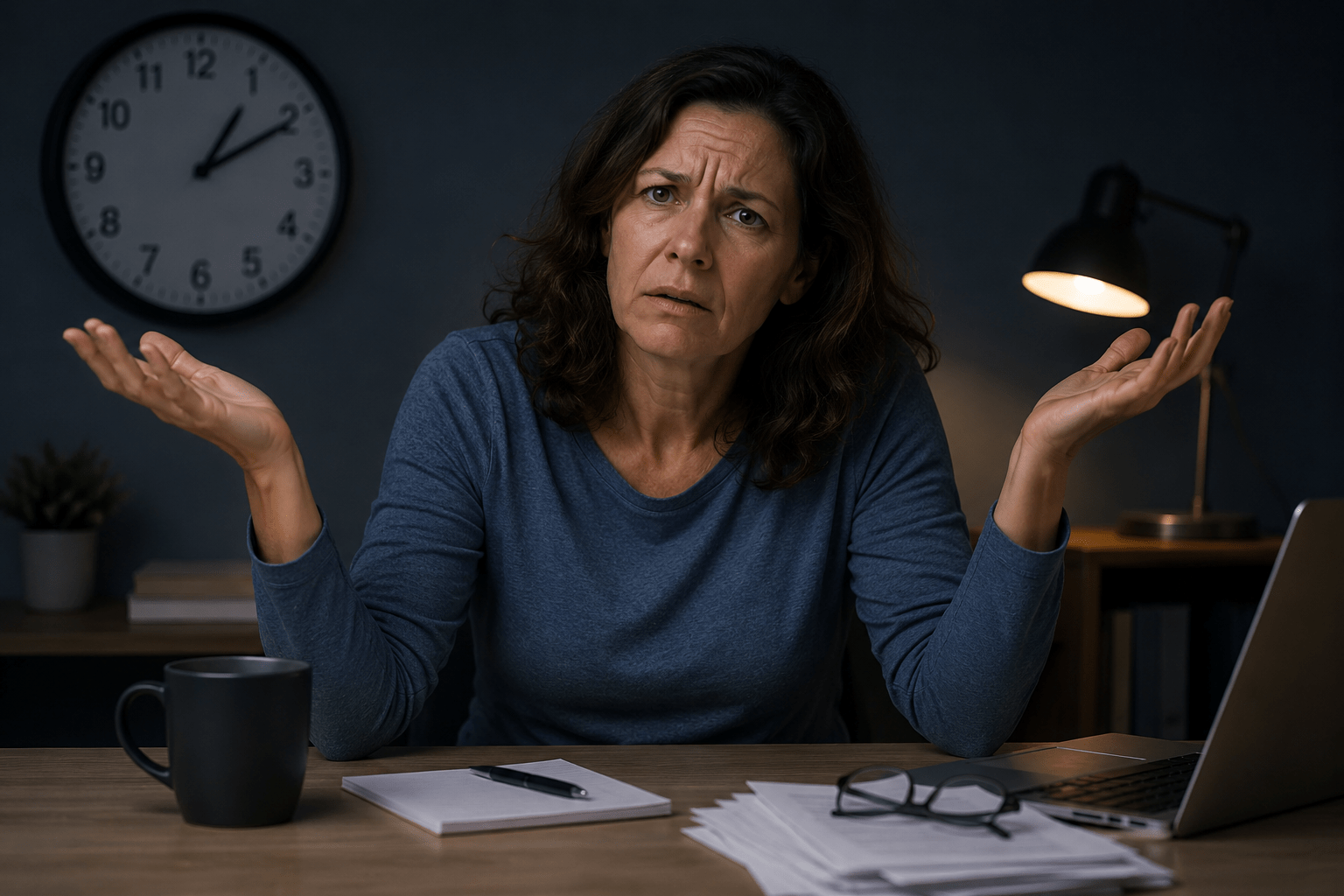
Yes. You can feel completely exhausted and still be unable to sleep. This frustrating pattern usually means that fatigue and alertness are occurring at the same time. Your body needs rest, but your nervous system remains activated. You may feel physically drained, mentally tired, and desperate for sleep, yet your mind keeps scanning, worrying, or reacting as though something requires your attention.
Many people assume exhaustion should automatically produce sleep. That assumption makes sense, but sleep does not work that way. Sleep depends on more than fatigue. It also requires the nervous system to shift out of a state of alertness. When anxiety, stress, pain, fear, or sleep-related pressure keeps the system activated, a person can be exhausted but still unable to sleep.
Why Am I Exhausted but Can’t Sleep at Night?
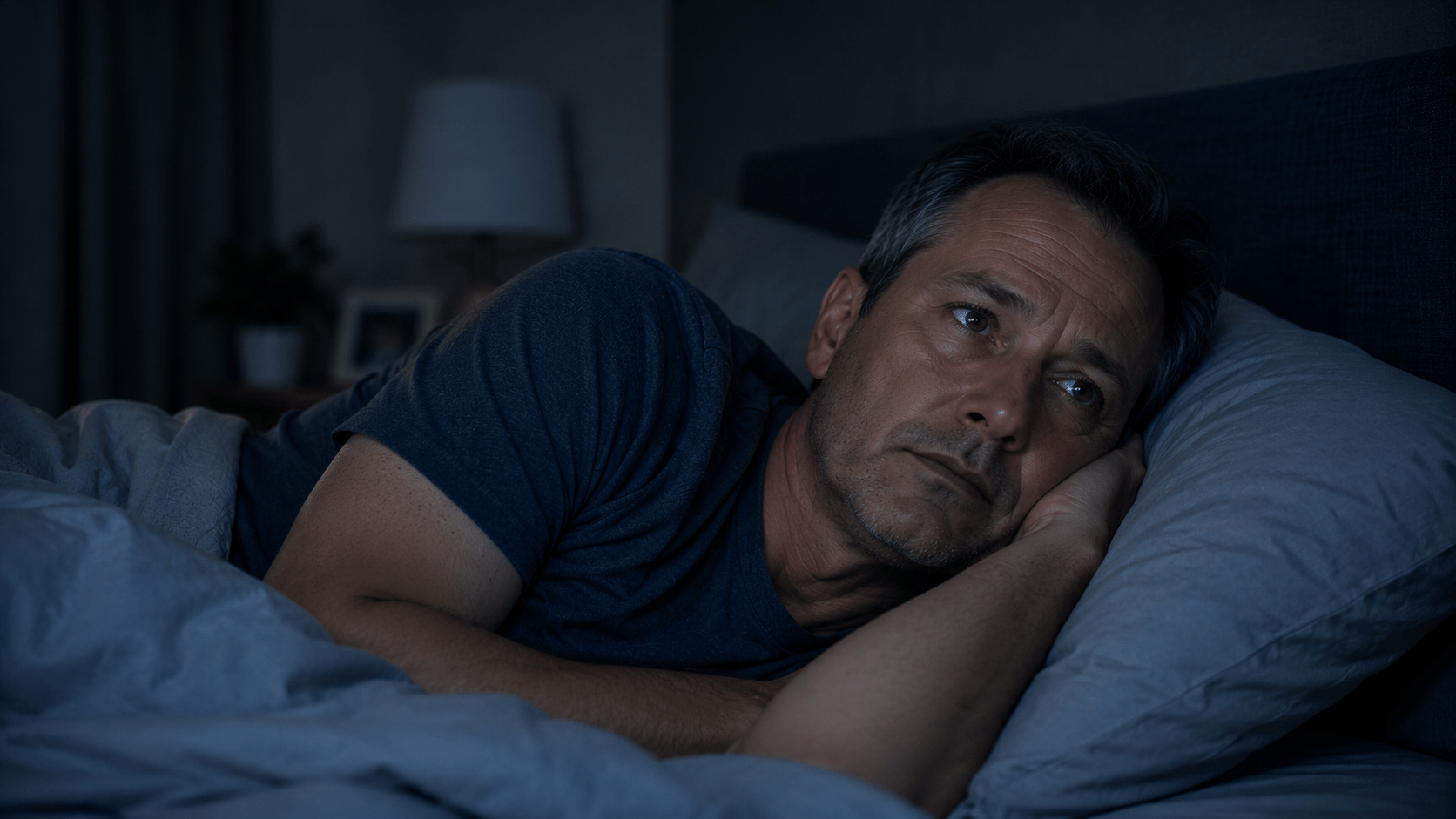
People with insomnia often describe feeling tired all day but suddenly alert when bedtime arrives. They may yawn, struggle to concentrate, feel emotionally fragile, and have little energy. Then they get into bed and begin thinking about whether they will sleep. They may notice their heartbeat, muscle tension, or every thought passing through their mind. Their attention shifts from fatigue to monitoring.
This is called hyperarousal. Hyperarousal means that the brain and body remain too activated for sleep, even when the person is depleted. It can include racing thoughts, chest tightness, neck and shoulder tension, a racing heart, stomach distress, irritability, and a sense that the mind will not shut off.
Hyperarousal does not mean that you are not tired. It means that your exhaustion is competing with a nervous system that has not settled.
Can Anxiety Keep You Awake When You Are Exhausted?
Yes. Anxiety can keep a tired person awake because anxiety signals possible danger. The brain does not distinguish well between a physical threat and a feared outcome such as another bad night of sleep. If you enter bed thinking, “I have to sleep tonight,” “I cannot function tomorrow,” or “What if this keeps happening?” your body may respond with more alertness rather than less.
I often see this pattern after a few difficult nights. A person begins with ordinary stress or an isolated sleepless night. Then the person starts worrying about sleep itself. The next night becomes a test. The person watches the clock, evaluates whether medication is working, counts hours, and predicts how terrible tomorrow will be. The fear of not sleeping becomes part of what keeps sleep away.
Why Does Trying Harder to Sleep Make Insomnia Worse?
People often respond to insomnia by trying harder. They research sleep, change routines, monitor symptoms, test supplements, and search for the perfect solution. These efforts come from a reasonable desire to feel better. Yet sleep is not a task that improves through effort and control.
When sleep becomes a problem to solve every night, the bed can become associated with pressure, frustration, and vigilance. The person may become tired during the day but alert in bed because the bedroom has become linked to struggle. This is one reason chronic insomnia can continue after the original stressor has passed.
Can Physical Symptoms Keep an Exhausted Person Awake?
Physical symptoms can contribute to the cycle. Pain, muscle tension, teeth grinding, gastrointestinal distress, chest tightness, and a racing heart can all make it harder to settle. Health anxiety can add another layer. A person may notice a symptom, search for explanations, fear a serious illness, and become more activated by the uncertainty.
Sleep deprivation itself can also create uncomfortable physical sensations. People may feel shaky, emotionally raw, unfocused, or unusually sensitive to normal body changes. Those symptoms can feel alarming, especially when someone is already worried about their health or their ability to function.
Why Am I Tired All Day but Wired at Night?
Daily stress often becomes more noticeable at night because daytime activity no longer distracts you. Work demands, caregiving responsibilities, conflict, health concerns, and unfinished tasks may stay in the background during the day. At night, the mind has fewer competing demands. Thoughts that seemed manageable earlier can become louder.
Some people also develop a pattern of pushing through exhaustion all day. They rely on worry, urgency, or adrenaline to function. By evening, the body is depleted, but the nervous system has learned to stay on guard. This creates the familiar feeling of being tired but wired.
How Does CBT-I Help When You Are Exhausted but Can’t Sleep?
Cognitive Behavioral Therapy for Insomnia, or CBT-I, is the gold standard treatment for chronic insomnia. CBT-I helps people identify the patterns that maintain insomnia, including sleep anxiety, clock-watching, excessive sleep effort, inconsistent sleep habits, and catastrophic thoughts about the consequences of a bad night.
CBT-I does not ask you to force sleep. It teaches you how to reduce the conditions that keep your nervous system activated. Treatment often includes practical behavioral changes, work with sleep-related thoughts, and strategies that help the bed become associated with sleep rather than frustration. Patients learn skills they can use long after treatment ends.
What I Often See in Practice
I often meet patients who feel frightened by the mismatch between their exhaustion and their inability to sleep. They may say, “I am so tired. Why can’t I just fall asleep?” They often assume something is seriously wrong because their fatigue does not produce sleep automatically.
In many cases, the problem is not a lack of tiredness. The problem is an activated nervous system combined with growing fear about sleep. Once patients understand this cycle, they can stop treating every difficult night as evidence of permanent damage or personal failure. That shift reduces pressure and gives treatment a clearer target.
Key Takeaways
- You can be physically exhausted and still unable to sleep when your nervous system remains activated.
- Anxiety, sleep monitoring, pain, health worries, and fear of another bad night can create hyperarousal.
- Trying to force sleep often increases pressure and makes insomnia worse.
- Chronic insomnia often involves learned patterns that continue after the original stressor has passed.
- CBT-I helps people reduce sleep anxiety and rebuild confidence in their ability to sleep.
Frequently Asked Questions
Why am I exhausted but can’t sleep?
You may be experiencing hyperarousal. Your body is tired, but anxiety, stress, physical discomfort, or fear about sleep may be keeping your nervous system alert.
Can severe exhaustion cause insomnia?
Exhaustion does not usually cause insomnia by itself. It can make you more vulnerable to worry, irritability, and sleep-related pressure, which may then interfere with sleep.
Why do I feel wired at night after feeling tired all day?
Stress and anxiety can become more noticeable when daytime distractions end. Your nervous system may also remain activated after a day of pushing through fatigue.
Can anxiety cause physical symptoms that keep me awake?
Yes. Anxiety can contribute to muscle tension, chest tightness, stomach distress, a racing heart, and difficulty relaxing. These symptoms can make sleep feel harder and more uncertain.
What treatment helps when I am exhausted but still can’t sleep?
CBT-I is the gold standard treatment for chronic insomnia. It addresses the behavioral and psychological factors that keep insomnia active, including sleep anxiety and conditioned arousal.
Conclusion
Feeling exhausted but unable to sleep is one of the most distressing parts of insomnia. It can make people feel confused, frightened, and desperate for relief. The pattern usually does not mean that your body has forgotten how to sleep. It often means that fatigue is competing with an activated nervous system.
Effective treatment helps you address the factors that keep that system on alert. When you reduce sleep pressure, stop monitoring every night as a test, and learn practical CBT-I skills, sleep can become less of a struggle and more of a natural process again.
About the Author
 Dr. Charles R. Freeman, Ph.D., is a psychologist specializing in insomnia, sleep disorders, PTSD, anxiety, trauma, and Cognitive Behavioral Therapy for Insomnia (CBT-I). He has more than 25 years of experience helping individuals improve sleep, emotional well-being, and overall quality of life through evidence-based treatment approaches. If you would like to learn more about treatment options or schedule a consultation, please contact Dr. Freeman.
The information in this article is provided for educational purposes only and is not intended to replace professional medical or psychological advice. Individual circumstances vary, and readers should consult a qualified healthcare professional regarding their specific concerns.