
Dr. Charles Freeman – San Diego Insomnia and Sleep Problems Treatment – San Diego Trauma and PTSD Treatment

admin

Woman sleeping under a duvet beside a red alarm clock on the nightstand

The Basics of Sleep

The Basics of Sleep “Sufficient sleep is not a luxury – it is a necessity – and should be thought of as a vital sign of good health.” ~ Wayne H. Giles, MD, MS, Director, Division of Population Health, National Center for Chronic Disease Prevention and Health Promotion. It’s not uncommon for clients we work with to experience difficulty sleeping from time to time. Perhaps there is a major life event occurring, or things have been very stressful at work. In these cases, however, the client’s challenges with falling or staying asleep are short-term, situational, and dependent on external life circumstances. Acute sleep difficulties such as these are vastly different from the chronic and consequential problems of a sleep disorder, which are ongoing and much more problematic. Defined as difficulties falling or staying asleep, falling asleep at the wrong times, sleeping too much, or abnormal behaviors during sleep (University of Maryland Medical Center), sleep disorders affect approximately 70 million Americans today (Cleveland Clinic). There are approximately 80-100 different types of sleep disorders that fall into the following four main categories (University of Maryland Medical Center): Insomnia – Defined as problems falling and staying asleep, insomnia can be short-term (lasting 3 weeks or less) or chronic and long lasting, often plaguing a client for months or years. Excessive Daytime Sleepiness – Defined as problems staying awake, excessive daytime sleepiness can be caused by the sleep disorder Narcolepsy. It can also be caused by medical conditions such as fibromyalgia, low thyroid function, or viral illnesses such as mononucleosis. Sleep Rhythm Problems – Defined as problems following a regular sleep schedule, sleep rhythm problem is often caused by irregular sleep-wake syndrome, paradoxical insomnia, or shift work sleep disorder. A minor cause of this that has an acute affect on millions of people is jet lag. Sleep-Disruptive Behaviors – Defined as unusual behaviors during sleep, sleep-disruptive behaviors include restless leg syndrome, sleep terrors, sleepwalking, and REM sleep-behavior disorder, which causes an individual to move and potentially act out dreams during REM sleep. Sleep disorders such as these can be very difficult to treat and if ongoing, can lead to major health concerns. CONSEQUENCES OF SLEEP DEPRIVATION Adequate rest and sleep are imperative for good mental and physical health, and are required to function effectively in our daily lives. A well-rested brain is needed for optimal performance in such areas as processing, retaining, and recalling information; effective decision-making; storing memories; and managing emotions. A well-rested body is needed for optimal performance in areas such as quick reflexes, sustained energy level and energy endurance, and a responsive immune system. Consequently, untreated sleep disorders and ongoing sleep deprivation can severely affect one’s mental and physical well-being. It is common knowledge that sort-term consequences of sleep deprivation include increased stress and anxiety, errors in judgment, irritability and other mood problems, decreased performance, and decreased alertness leading to accidents or other traumatic events. It is less known, however, that chronic sleep deprivation can have a lasting, detrimental impact on the body and mind overtime. Research has shown that sufficient sleep plays a prominent role in long-term health and the body’s ability to ward off chronic diseases and medical conditions. It is said to be a key aspect of chronic disease prevention, while insufficient sleep has been linked to diseases and disorders such as diabetes, cardiovascular disease, obesity, hypertension, depression, anxiety, and increased addictive behaviors (NCBI).   About the Author Dr. Charles R. Freeman, Ph.D., is a psychologist specializing in insomnia, sleep disorders, PTSD, anxiety, trauma, and Cognitive Behavioral Therapy for Insomnia (CBT-I). He has more than 25 years of experience helping individuals improve sleep, emotional well-being, and overall quality of life through evidence-based treatment approaches. If you would like to learn more about treatment options or schedule a consultation, please contact Dr. Freeman. The information in this article is provided for educational purposes only and is not intended to replace professional medical or psychological advice. Individual circumstances vary, and readers should consult a qualified healthcare professional regarding their specific concerns.
The Basics of Sleep Read More »

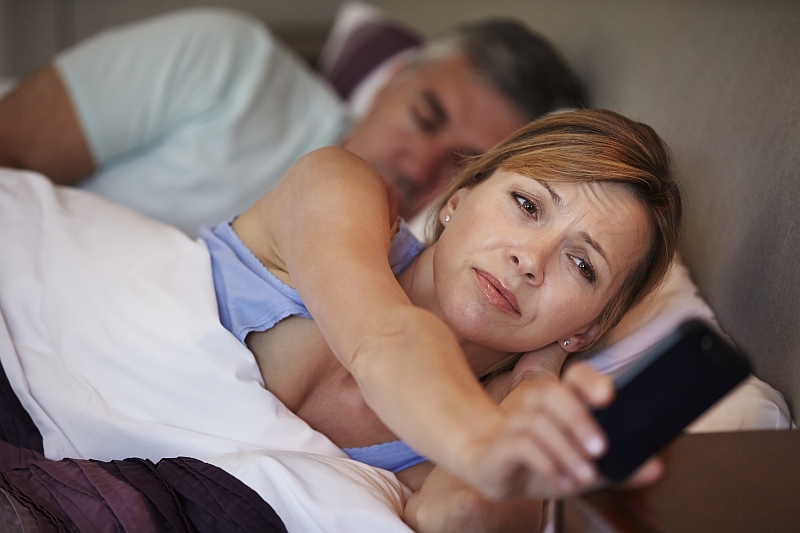
Woman lying awake in bed looking worried after a poor night's sleep while her partner sleeps beside her

What Should You Tell Yourself After a Poor Night’s Sleep?

By Dr. Charles R. Freeman, Ph.D. What Should You Tell Yourself After a Poor Night’s Sleep? If you slept poorly last night, one of the worst things you can do is start the day with unrealistic expectations. Many people try to motivate themselves by saying, “I’m going to have an incredible day” or “I’m going to feel amazing today.” The problem is that your mind knows better. If you are tired, mentally foggy, or running low on energy, those statements often feel false. When your self-talk feels unrealistic, it can actually increase frustration, disappointment, and anxiety.  A more effective approach is to use what I call a sleep mantra. One of my favorite sleep mantras is: “Even though I slept poorly last night, I’m going to have an above-average day.” This statement is grounded in both Cognitive Behavioral Therapy (CBT) and Positive Psychology. It acknowledges reality without catastrophizing. You are not pretending you feel great. At the same time, you are refusing to assume that a poor night’s sleep will ruin your entire day. One of the biggest mistakes people with insomnia make is predicting disaster. They wake up tired and immediately begin telling themselves: “Today is going to be terrible.” “I won’t be able to function.” “I’ll never get through this meeting.” “I’m going to be miserable all day.” This type of negative prognostication often becomes a self-fulfilling prophecy. The mind becomes hyperfocused on fatigue, mistakes, and discomfort. Mood declines, stress increases, and performance often suffers. In my clinical experience, people tolerate sleep deprivation much better when they challenge these automatic thoughts and replace them with realistic optimism. The goal is not perfection. The goal is resilience. Insomnia is often the symptom rather than the root problem. When people learn practical cognitive skills, they frequently discover that they can function better than they expected, even after a difficult night. This approach is consistent with Cognitive Behavioral Therapy for Insomnia (CBT-I), which remains the gold-standard treatment for chronic insomnia. :contentReference[oaicite:0]{index=0} What I Often See in Practice I have worked with many individuals who initially believed a poor night’s sleep guaranteed a bad day. Once they learned to stop catastrophizing and began using more balanced self-talk, their anxiety decreased and their ability to cope improved significantly. Many discovered that they were far more resilient than they had assumed. This focus on practical tools and sustainable skills is central to my treatment approach. :contentReference[oaicite:1]{index=1} Key Takeaway If you sleep poorly, avoid both extremes: Don’t tell yourself the day will be terrible. Don’t tell yourself the day will be perfect. Instead, try this: “Even though I slept poorly last night, I’m going to have an above-average day.” That simple shift can reduce anxiety, improve coping, and help you move through the day with greater confidence and flexibility. About the Author Dr. Charles R. Freeman, Ph.D., is a psychologist specializing in insomnia, sleep disorders, PTSD, anxiety, trauma, and Cognitive Behavioral Therapy for Insomnia (CBT-I). He has more than 25 years of experience helping individuals improve sleep, emotional well-being, and overall quality of life through evidence-based treatment approaches. If you would like to learn more about treatment options or schedule a consultation, please contact Dr. Freeman. The information in this article is provided for educational purposes only and is not intended to replace professional medical or psychological advice. Individual circumstances vary, and readers should consult a qualified healthcare professional regarding their specific concerns.

What Should You Tell Yourself After a Poor Night’s Sleep? Read More »

Millions of Americans are prescribed benzodiazepines each year to manage sleep disorders and anxiety. However, emerging research indicates that the use of these medications, especially in the long term, is not without risks (Baldwin et al 2013). This post aims to provide you with updated information on benzodiazepines and equip you with the knowledge to make informed decisions about your mental health and well-being.

Understanding Benzodiazepines: Risks, Effects, and Alternatives by Dr. Charles R. Freeman Ph.D

Millions of Americans are prescribed benzodiazepines each year to manage sleep disorders and anxiety. However, emerging research indicates that the use of these medications, especially in the long term, is not without risks (Baldwin et al 2013). This post aims to provide you with updated information on benzodiazepines and equip you with the knowledge to make informed decisions about your mental health and well-being.

Understanding Benzodiazepines: Risks, Effects, and Alternatives by Dr. Charles R. Freeman Ph.D Read More »

Oatmeal granola with apple, almond and cranberry for sleep-promoting nutrition

Sleep Promoting Nutrition

Sleep Promoting Nutrition Three of the major foundations for mental and emotional well-being are nutrition, exercise and sleep.  At the core, eating healthier, sleeping well, and staying active helps you cope with and rejuvenate from daily stressful situations.  In addressing sleep issues specifically, some foods interfere with good sleep hygiene and other foods can better regulate neurotransmitters which aid in restful sleep. There are a couple of major components that we should discuss in achieving optimal sleep.  Melatonin and serotonin are found to have a significant impact on quality of sleep.  Serotonin is instrumental in mood regulation, for decreasing anxiety, eliciting calm, and for sound sleep.  Melatonin is a hormone released by the pineal gland and helps to control and maintain your sleep and wake cycles.  Without melatonin, your brain would not recognize the necessity to wind down and relax when necessary.  The neurotransmitter serotonin plays a critical role in communicating accurate messages to the brain. In order for your body to produce serotonin, it requires the amino acid tryptophan, usually found in protein rich foods.  If protein is absent in one’s diet, neurotransmitters like serotonin can’t be built. In general, a well balanced diet, is optimal for good sleep.  Most importantly, the first two meals of the day should include lean protein which further aids mood stabilization and cognitive functioning.  Before bed though, you should consider a different approach.  Large portions of red meats block the synthesis of serotonin, and thus, decreases the likelihood of sleep initiation and uninterrupted sleep. In considering what snacks to eat before bedtime, let’s first discuss what you shouldn’t eat.  Simple carbohydrates, such as white rice, white pasta, candy, and desserts rapidly increase blood sugar, and subsequently results in withdrawal.  This insulin crash can magnify pre-existing negative emotions associated with insomnia.  Your mind is then activated, frustration mounts, and the fight against wakefulness continues as stress hormones are released. Tryptophan-rich foods in the form of proteins are needed, but they also simultaneously release the amino acid, tyrosine, which keeps the brain active and awake. This is exactly the opposite effect we are trying to achieve. To expand further, simple carbohydrates in the evening can cause fairly quick withdrawal symptoms, particularly during the next day. At that point, an individual starts to experience diminished levels of serotonin, and then is immersed in increased anxiety, depression and irritability.  If somebody already has an existing anxiety or mood disorder, poor sleep will lead to intensified negative emotions and further disrupted sleep, perpetuating the cycle. Furthermore, this roller coaster of temporary well-being following sugar intake and low levels of neurotransmitters is associated with scattered cognitive functioning. Upon this awareness, it is important to eliminate negative thoughts towards oneself.  Shame undermines the intention of solidifying behavioral changes. Self-deprecating labels lead to black and white thinking, e.g., “I already blew it by binging, I might as well just eat more”. Because of the strong negative emotional effect, it’s best to avoid simple carbohydrates in large quantities in order to encourage healthy sleep patterns. Serotonin production is facilitated by eating a small portion of protein, together with a complex carbohydrate.  Oatmeal, turkey and warm milk all contain the necessary tryptophan amino acids.  As we learned though, they also release tyrosine which interferes with sleep.  Eating a complex carbohydrate with a protein blocks tyrosine from getting to the brain.  Legumes, nuts, whole grains and rice are all great choices for complex carbohydrates.  These carbohydrates allow tryptophan to get to the brain before tyrosine.  Thus, the brain is able to produce serotonin leading to quicker sleep onset. Melatonin is another important hormone necessary for good sleep.  The bodies’ natural ability to produce melatonin is triggered by the change in light patterns and signals to the brain that you are ready to initiate sleep.  In addition to light sources, there are many natural foods available to increase sleepiness.  Not only are they high in antioxidants but pineapple, kiwi, apples, and red cherries are also known for their ability to naturally assist the winding down process. Keep the portions small and consider reaching for any of these top 10 sleepy foods and these other snack combinations to wind down for the night: Apples and oatmeal with almonds Peanut butter, drizzled honey and banana sandwich on whole wheat Whole grain cereal and milk with cherries Brown rice with cottage cheese and sweet corn About the Author Dr. Charles R. Freeman, Ph.D., is a psychologist specializing in insomnia, sleep disorders, PTSD, anxiety, trauma, and Cognitive Behavioral Therapy for Insomnia (CBT-I). He has more than 25 years of experience helping individuals improve sleep, emotional well-being, and overall quality of life through evidence-based treatment approaches. If you would like to learn more about treatment options or schedule a consultation, please contact Dr. Freeman. The information in this article is provided for educational purposes only and is not intended to replace professional medical or psychological advice. Individual circumstances vary, and readers should consult a qualified healthcare professional regarding their specific concerns.

Sleep Promoting Nutrition Read More »