
By Dr. Charles R. Freeman, Ph.D.
What Should You Tell Yourself After a Poor Night’s Sleep?
If you slept poorly last night, one of the worst things you can do is start the day with unrealistic expectations. Many people try to motivate themselves by saying, “I’m going to have an incredible day” or “I’m going to feel amazing today.” The problem is that your mind knows better. If you are tired, mentally foggy, or running low on energy, those statements often feel false. When your self-talk feels unrealistic, it can actually increase frustration, disappointment, and anxiety. A more effective approach is to use what I call a sleep mantra.
One of my favorite sleep mantras is:
“Even though I slept poorly last night, I’m going to have an above-average day.”
This statement is grounded in both Cognitive Behavioral Therapy (CBT) and Positive Psychology. It acknowledges reality without catastrophizing. You are not pretending you feel great. At the same time, you are refusing to assume that a poor night’s sleep will ruin your entire day.
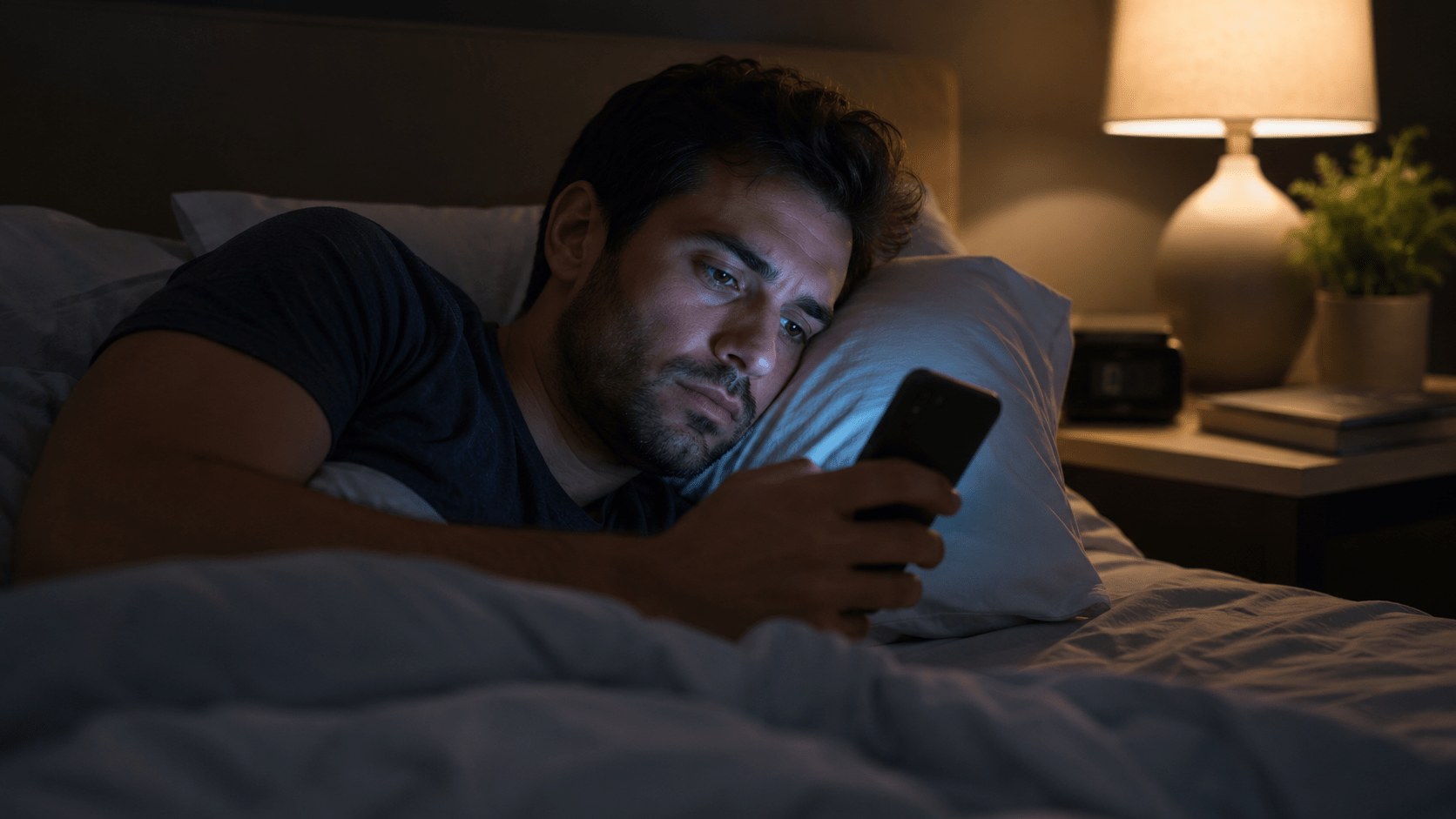
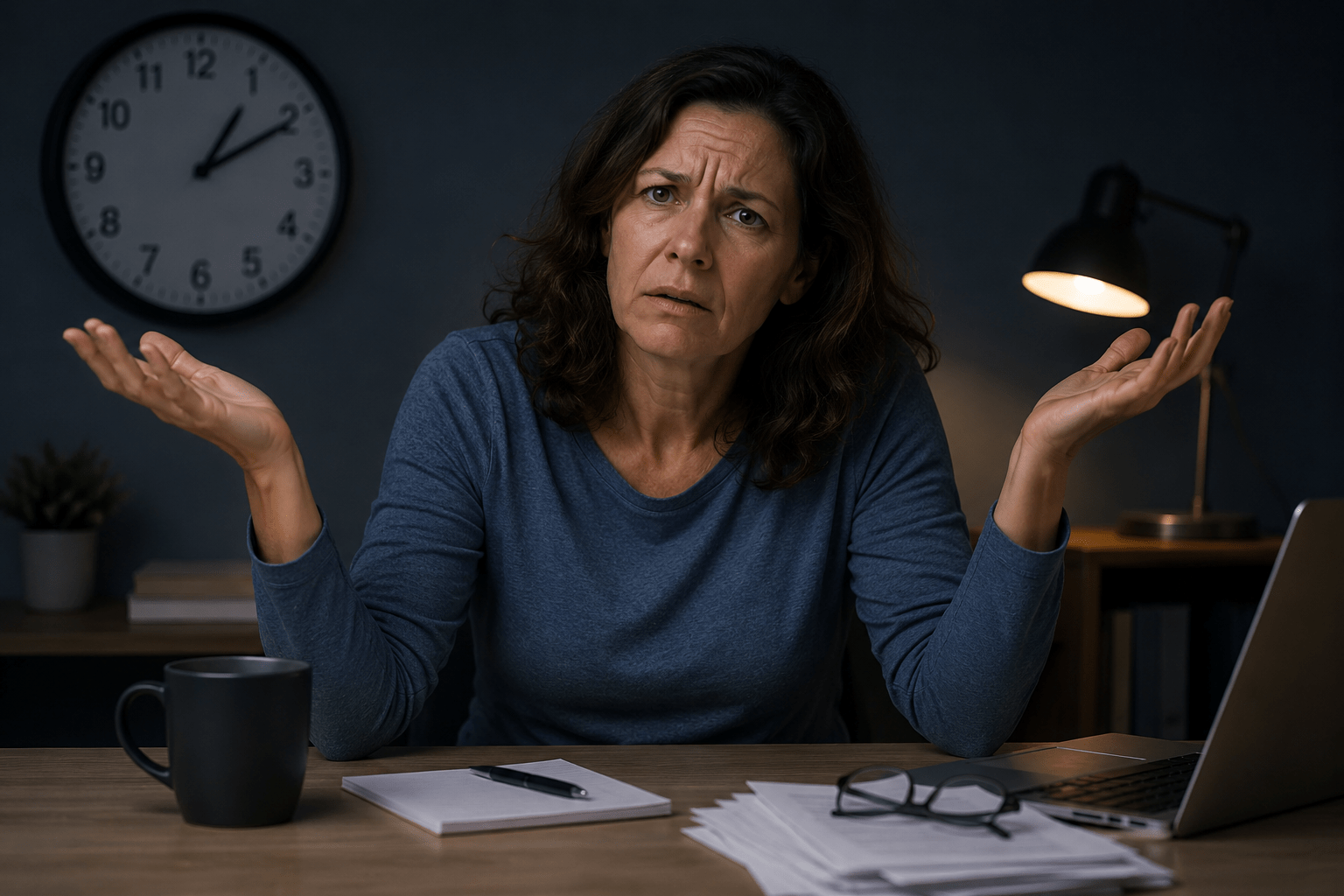
One of the biggest mistakes people with insomnia make is predicting disaster. They wake up tired and immediately begin telling themselves:
- “Today is going to be terrible.”
- “I won’t be able to function.”
- “I’ll never get through this meeting.”
- “I’m going to be miserable all day.”
This type of negative prognostication often becomes a self-fulfilling prophecy. The mind becomes hyperfocused on fatigue, mistakes, and discomfort. Mood declines, stress increases, and performance often suffers.
In my clinical experience, people tolerate sleep deprivation much better when they challenge these automatic thoughts and replace them with realistic optimism. The goal is not perfection. The goal is resilience.
Insomnia is often the symptom rather than the root problem. When people learn practical cognitive skills, they frequently discover that they can function better than they expected, even after a difficult night. This approach is consistent with Cognitive Behavioral Therapy for Insomnia (CBT-I), which remains the gold-standard treatment for chronic insomnia. :contentReference[oaicite:0]{index=0}
What I Often See in Practice
I have worked with many individuals who initially believed a poor night’s sleep guaranteed a bad day. Once they learned to stop catastrophizing and began using more balanced self-talk, their anxiety decreased and their ability to cope improved significantly. Many discovered that they were far more resilient than they had assumed. This focus on practical tools and sustainable skills is central to my treatment approach. :contentReference[oaicite:1]{index=1}
Key Takeaway
If you sleep poorly, avoid both extremes:
- Don’t tell yourself the day will be terrible.
- Don’t tell yourself the day will be perfect.
Instead, try this:
“Even though I slept poorly last night, I’m going to have an above-average day.”
That simple shift can reduce anxiety, improve coping, and help you move through the day with greater confidence and flexibility.
About the Author
 Dr. Charles R. Freeman, Ph.D., is a psychologist specializing in insomnia, sleep disorders, PTSD, anxiety, trauma, and Cognitive Behavioral Therapy for Insomnia (CBT-I). He has more than 25 years of experience helping individuals improve sleep, emotional well-being, and overall quality of life through evidence-based treatment approaches. If you would like to learn more about treatment options or schedule a consultation, please contact Dr. Freeman.
The information in this article is provided for educational purposes only and is not intended to replace professional medical or psychological advice. Individual circumstances vary, and readers should consult a qualified healthcare professional regarding their specific concerns.