

When Insomnia Is Not Really About Sleep
By Dr. Charles R. Freeman, Ph.D.
Sometimes insomnia is not really about sleep. The sleep problem is real, but the cause may be anxiety, trauma, perfectionism, stress, rumination, or a nervous system that has learned to stay on alert at night.
Many people come to treatment after trying sleep hygiene, supplements, medications, meditation apps, or advice from the internet. Some fall asleep but wake up at 2:00 or 3:00 AM. Others lie in bed reviewing mistakes, worrying about work, replaying conversations, or asking themselves why they cannot relax. By the time they seek help, they may feel afraid of the night itself.
In my practice, I often see patients who believe the problem is only sleep. As treatment begins, we often find that insomnia has become the place where unresolved stress shows up most clearly.
Why Insomnia Is Not Really About Sleep When You Feel Exhausted
Insomnia can continue because the brain and body do not always shut down when a person feels tired. A person may feel physically exhausted but mentally activated. The body may be in bed, but the nervous system may still be preparing for danger, failure, conflict, or criticism.
This is why simple sleep advice often fails. A person may already know to avoid caffeine, turn off screens, and keep a regular bedtime. Those habits matter, but they may not be enough if the mind uses the quiet of the night to solve problems, review regrets, or predict disaster.
Chronic insomnia often develops a loop. The person sleeps poorly, worries about poor sleep, becomes more alert at night, sleeps worse, and then feels more anxious the next day. After enough repetition, the bed becomes associated with pressure instead of rest.
Why 3 AM Insomnia Is Often Not Really About Sleep
Many patients describe a familiar pattern. They fall asleep, wake up in the early morning, and immediately begin thinking. The thoughts may sound practical at first. They may involve work, money, relationships, health, or the future. Then the thoughts become more emotional and self-critical.
The person may think, “I should be further along by now,” “I cannot function tomorrow,” “I will never fix this,” or “Something is wrong with me.” These thoughts are not neutral. They activate the body. Heart rate increases. Muscles tighten. The mind searches for more evidence that life is not going well.
At that point, sleep is no longer the only problem. The problem is the combination of wakefulness, fear, self-judgment, and conditioned arousal.
How Anxiety and Perfectionism Can Keep Insomnia Going
Anxiety often keeps the mind scanning for threat. Perfectionism adds another layer. It tells the patient that mistakes are unacceptable, delays are failures, and rest must be earned. At night, this can turn into a private courtroom where the patient reviews everything that went wrong.
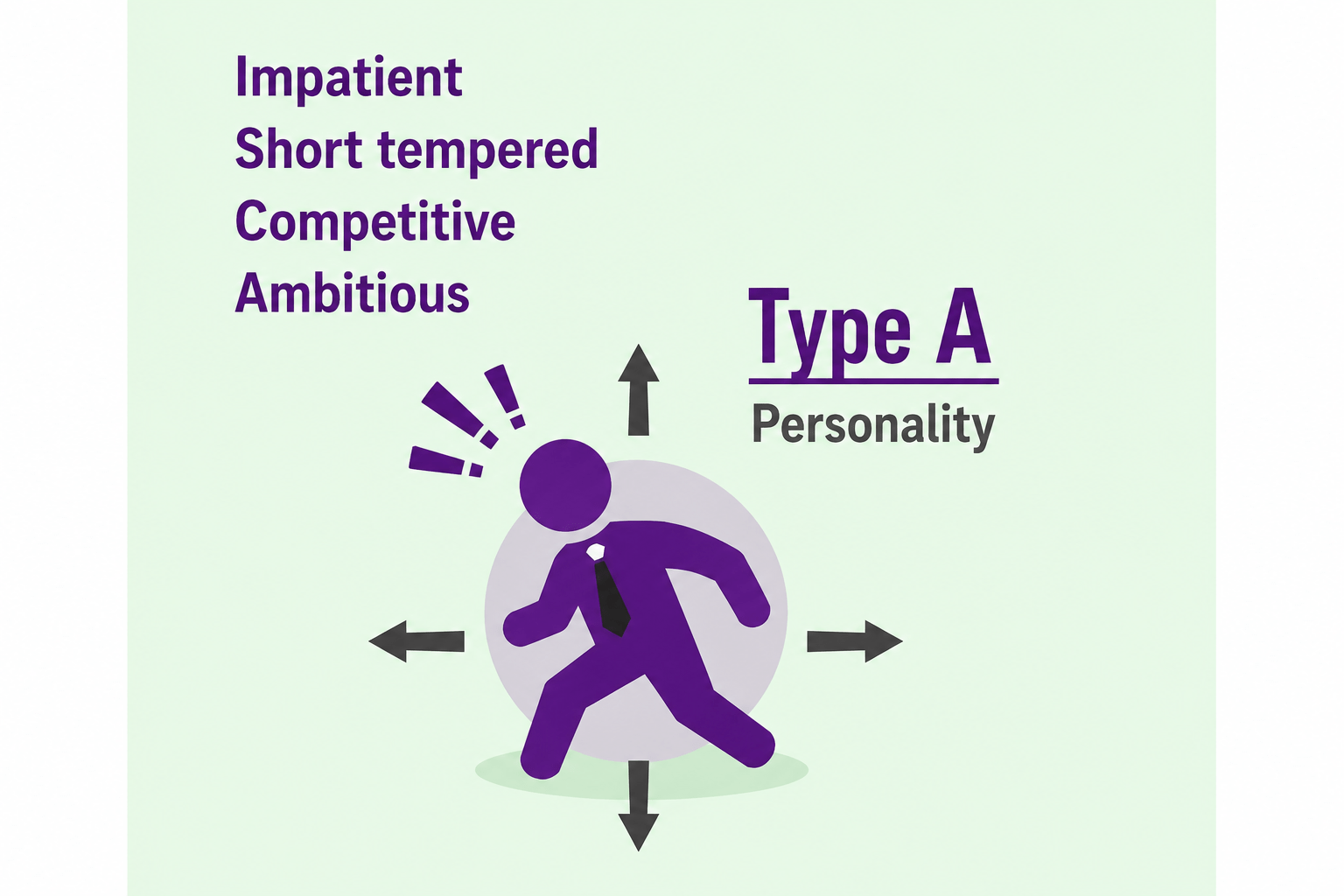
Patients with strong achievement pressure may look successful from the outside. They may have education, a career, and discipline. Inside, they may feel behind, inadequate, or unable to stop comparing themselves with others. The nervous system does not rest well under constant self-attack.
In treatment, I often help patients identify the thoughts that keep the body activated. These may include mental filtering, catastrophizing, emotional reasoning, labeling, and “should” statements. Once patients learn to recognize these patterns, they can begin to respond differently.
How CBT-I Treats Insomnia When Sleep Hygiene Is Not Enough
CBT-I, or Cognitive Behavioral Therapy for Insomnia, is not the same as sleep hygiene. Sleep hygiene gives general advice. CBT-I treats the specific patterns that maintain insomnia.
CBT-I may include sleep scheduling, stimulus control, sleep restriction when appropriate, cognitive restructuring, relaxation training, and education about conditioned arousal. The goal is not to force sleep. The goal is to retrain the body and mind so the bed becomes associated with sleep again.
CBT-I also helps patients change the way they respond to wakefulness. A patient who wakes up at 3:00 AM may learn not to panic, not to argue with sleep, and not to turn the night into a life review. This takes practice, but it can be learned.
What I Often See in Practice With Insomnia That Is Not Really About Sleep
I often see patients who have tried to manage insomnia only from the outside. They changed the room temperature, bought new pillows, stopped caffeine, tried medications, or added supplements. Some of those steps may help. But if the patient’s mind is still filled with fear, shame, regret, or trauma activation, the sleep problem often continues.
Good treatment looks at both the sleep pattern and the person behind the sleep pattern. I want to know when the patient wakes up, what happens next, what thoughts appear, what emotions follow, and what the patient does in response. I also want to understand the larger story. Stress, trauma, chronic criticism, relationship loss, work pressure, and perfectionism can all shape the nervous system.
This does not mean insomnia is “all in your head.” It means sleep is connected to the brain, body, emotions, habits, and life experience. Treatment works better when we address those connections directly.
Can Medication Help If Insomnia Has Deeper Causes?
Medication may help some people in the short term, and medication decisions belong with the prescribing clinician. But sleep medication often addresses the symptom more than the cause. If anxiety, trauma, rumination, or conditioned arousal continue, the patient may still struggle when the medication wears off, stops working, or creates concerns about long-term use.
Many patients do best when they learn skills. They learn how to quiet the nervous system, change sleep-disrupting behaviors, challenge catastrophic thoughts, and reduce the emotional charge that shows up at night.
Key Takeaways
- Insomnia may be the symptom, not the root cause.
- Waking at 2:00 or 3:00 AM often involves rumination, worry, or emotional activation.
- Perfectionism, shame, trauma, and self-criticism can keep the nervous system alert.
- CBT-I treats the patterns that maintain insomnia, not only bedtime habits.
- Patients can learn practical skills that reduce fear of the night and improve sleep continuity.
FAQ
Why do I wake up at 3 AM when insomnia is not really about sleep?
Early-morning waking often happens when the brain becomes alert and begins scanning for problems. Stress, anxiety, regret, and conditioned arousal can make it difficult to return to sleep.
Can anxiety cause insomnia that is not really about sleep?
Yes. Anxiety can make the body feel unsafe at night. The person may feel exhausted but still mentally and physically activated.
Is CBT-I better than sleep hygiene?
CBT-I is more structured than sleep hygiene. It addresses sleep timing, conditioned arousal, unhelpful sleep behaviors, and anxious thoughts about sleep.
Can trauma affect sleep even years later?
Yes. Trauma can leave the nervous system more vigilant. Some patients experience nighttime alertness, nightmares, or difficulty feeling safe enough to sleep.
When should I seek help for insomnia?
You should consider professional help when insomnia lasts for weeks, affects work or mood, increases anxiety, or continues despite your efforts to improve sleep habits.
Conclusion
Insomnia is often more than a sleep problem. It can be the visible sign of a nervous system under pressure. When treatment addresses only the surface, patients may keep struggling. When treatment addresses the thoughts, habits, emotions, and stress patterns that keep the brain awake, sleep can begin to improve in a more durable way.
If you wake up at night and cannot turn off your mind, you are not alone. More important, you are not limited to waiting, worrying, or relying only on medication. With the right treatment, you can learn skills that help your brain and body return to sleep.
About the Author
 Dr. Charles R. Freeman, Ph.D., is a psychologist specializing in insomnia, sleep disorders, PTSD, anxiety, trauma, and Cognitive Behavioral Therapy for Insomnia (CBT-I). He has more than 25 years of experience helping individuals improve sleep, emotional well-being, and overall quality of life through evidence-based treatment approaches. If you would like to learn more about treatment options or schedule a consultation, please contact Dr. Freeman.
The information in this article is provided for educational purposes only and is not intended to replace professional medical or psychological advice. Individual circumstances vary, and readers should consult a qualified healthcare professional regarding their specific concerns.