

Can Anxiety Cause Chronic Insomnia?
By Dr. Charles R. Freeman, Ph.D.
Yes, anxiety can absolutely cause chronic insomnia. It can also maintain it long after the original stressor has passed. In my clinical work, I often see that people are not just struggling with sleep. They are struggling with a nervous system that has learned to stay alert, a mind that keeps scanning for problems, and growing fear about what will happen if they do not sleep.
That is why I often say that insomnia is frequently the symptom, not the root cause. Sleep is one of the foundations of health, but sleep does not exist in isolation. Thoughts, emotions, physical symptoms, and behavior all influence one another. When anxiety becomes chronic, sleep is often one of the first systems to break down.
How Anxiety Can Cause Chronic Insomnia
Anxiety increases arousal. The body becomes more activated, muscle tension rises, the heart may beat faster, and the mind keeps moving. That is useful if you are responding to an actual threat. It is not useful when you are lying in bed at 11 p.m. trying to rest.
At first, a person may simply have a few bad nights during a stressful period. They may be worried about work, health, relationships, finances, or family. Then something shifts. Instead of only feeling anxious about life, they start feeling anxious about sleep itself. They begin wondering, “What if I do not sleep tonight?” That is where sleep anxiety often begins.
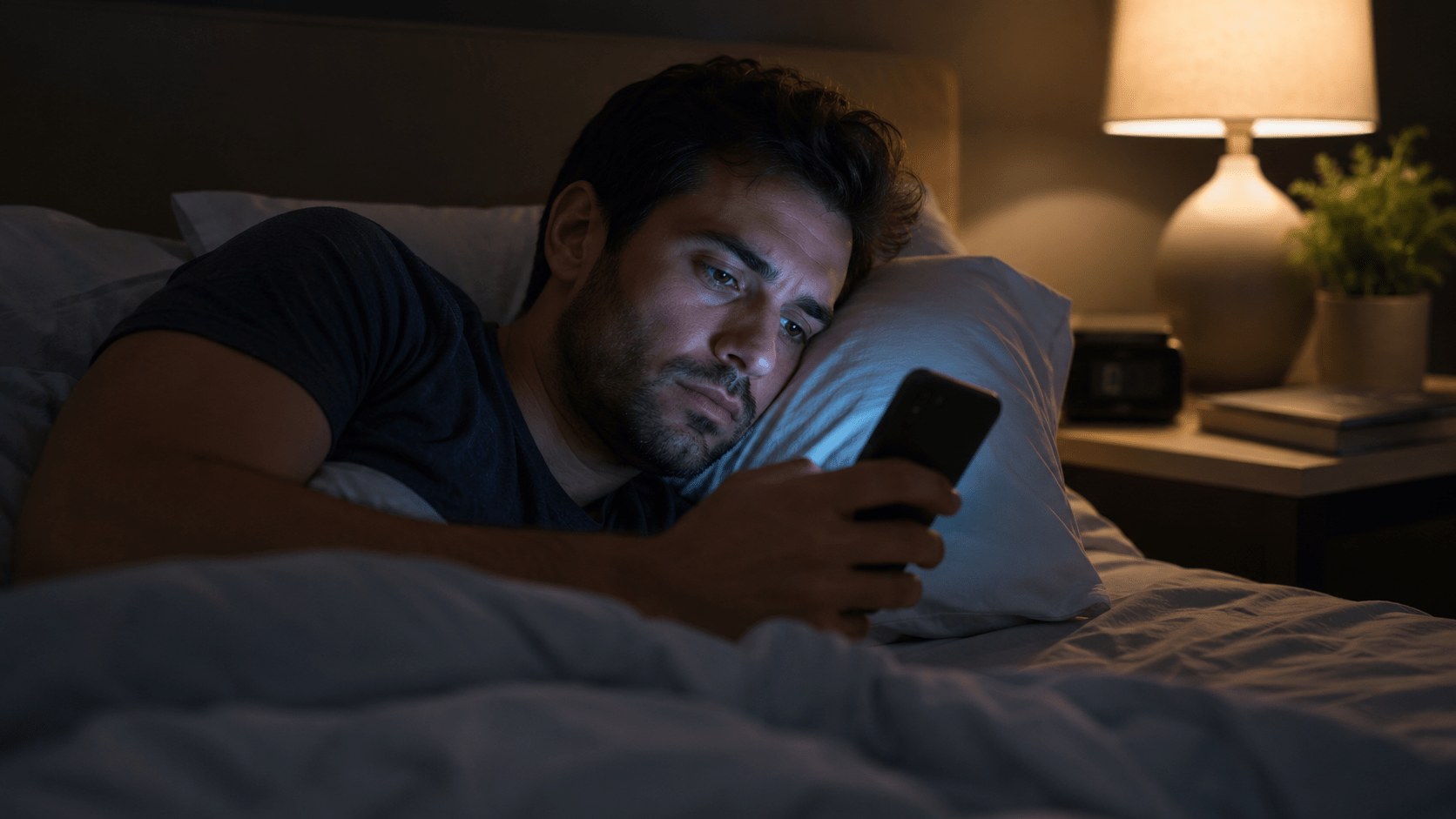
Once that pattern takes hold, the bed can become associated with frustration, effort, and alertness. The person gets into bed already bracing for a struggle. Even if the original stress has eased, the insomnia can continue because the brain has learned to connect bedtime with wakefulness. That is one of the reasons anxiety can cause not just temporary insomnia, but chronic insomnia.
What I Often See When Anxiety Causes Chronic Insomnia
In practice, I often see people who feel physically exhausted but mentally alert. They are tired all day, but the moment they lie down, their mind comes alive. They start thinking about tomorrow, replaying conversations, reviewing mistakes, or worrying about whether they will be able to function if they do not sleep.
I also see people who become trapped in a performance mentality about sleep. One bad night becomes a big event. They start checking the clock, calculating the hours left, and monitoring how sleepy they feel. The harder they try to force sleep, the more awake they become.
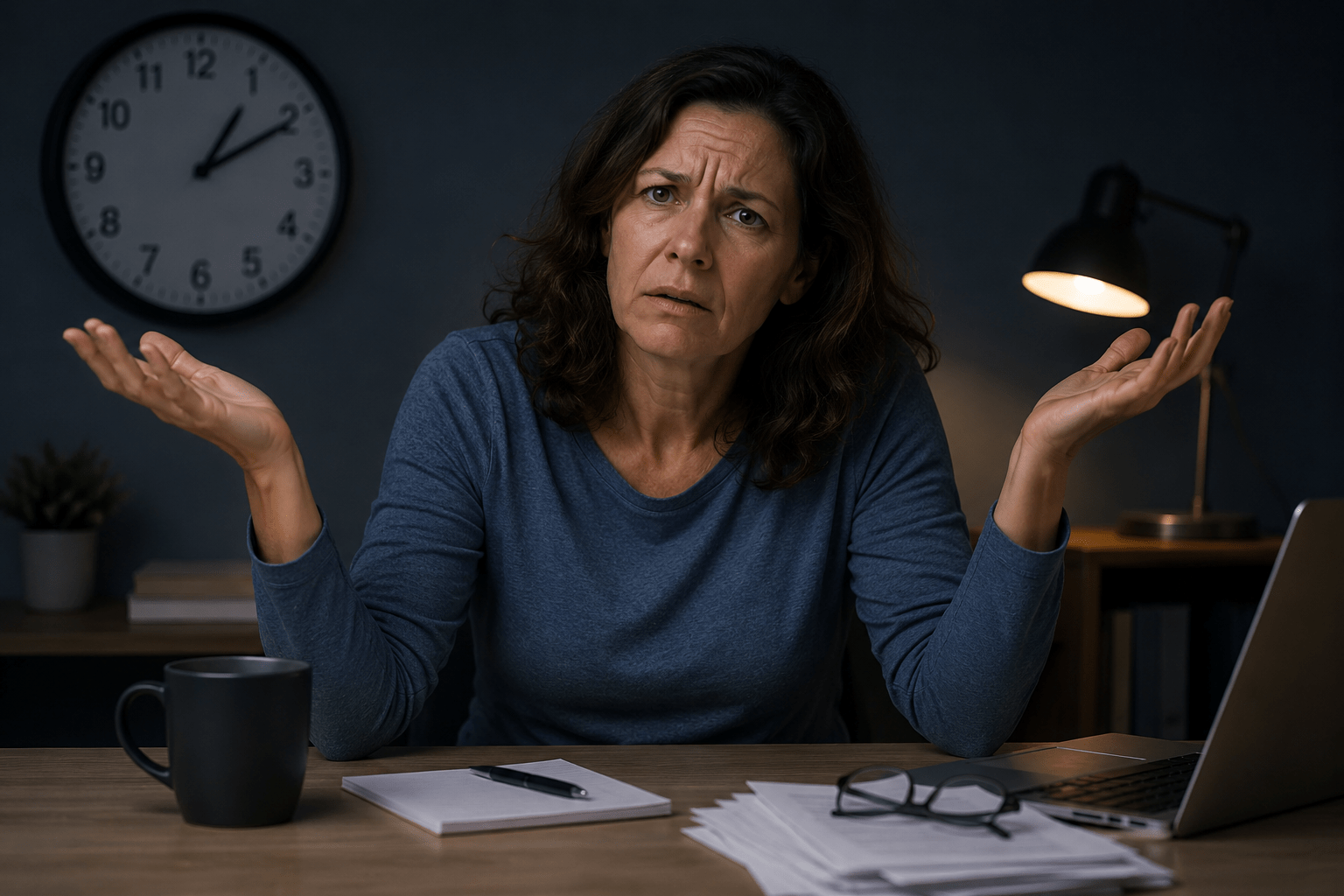
I have treated patients who fall asleep without much trouble but wake at 2 or 3 a.m. in a state of alertness. One patient, speaking very generally to protect privacy, described it as feeling as if her body was tired but her brain had “reported for duty.” Another patient with longstanding anxiety would lie in bed rehearsing the next day and then panic when he noticed he was still awake. In both cases, the problem was not simply a lack of sleep. The problem was chronic arousal and fear around sleep.
I have also worked with trauma survivors whose anxiety is tied to hypervigilance. In those situations, the nervous system has learned that letting down its guard does not feel safe. For some patients, that is a major reason sleep remains difficult even when they want it badly.
Why Anxiety Can Keep Chronic Insomnia Going
Anxiety does not only interfere with falling asleep. It also changes the meaning of wakefulness. A person wakes at 1:30 a.m. and immediately thinks, “Here we go again.” Then comes the next thought: “If I do not get back to sleep, tomorrow will be a disaster.” The body responds to that thought with more tension and more alertness.
This creates a vicious cycle. Worry leads to arousal. Arousal makes sleep harder. Difficulty sleeping creates more worry. Over time, the fear of insomnia can become nearly as disruptive as the insomnia itself.
This is one reason I encourage people to think beyond simple sleep hygiene. Sleep hygiene can be helpful, but it is rarely enough when insomnia has become driven by anxiety. If the core issue is a worried, activated nervous system, then treatment has to address that underlying pattern.
Treatment When Anxiety Causes Chronic Insomnia
When anxiety is driving chronic insomnia, the goal is not to force sleep. The goal is to create conditions that support sleep and to address the factors keeping the brain and body on alert. In my work, that often means helping patients understand the anxiety-insomnia cycle, reduce catastrophic thinking about sleep, and stop treating the bed like a test they have to pass.
CBT-I is the gold standard treatment for chronic insomnia, and I use it frequently. It helps patients change the behaviors and thought patterns that maintain insomnia. Depending on the individual, treatment may also involve anxiety management, relaxation training, hypnosis, trauma work, or other practical tools. I take a directive and collaborative approach. I want patients to learn skills they can use for the rest of their lives, not just get through one difficult week.
I also help patients look at underlying causes. Sometimes anxiety is linked to unresolved trauma, grief, perfectionism, chronic over-responsibility, health fears, or major life stress. Sustainable improvement comes from addressing those causes, not just chasing the symptom of poor sleep.
Can You Recover from Chronic Insomnia Caused by Anxiety?
Yes. I have seen many patients improve even after years of poor sleep. That improvement usually does not come from trying harder to sleep. It comes from changing the relationship with sleep, reducing arousal, and treating the anxiety that is keeping the system activated.
Recovery does not mean you never have another bad night. It means the bad night no longer controls you. It means you stop treating wakefulness as an emergency. It means your confidence in your body’s ability to sleep begins to return.
Key Takeaways
- Anxiety can cause chronic insomnia by keeping the mind and body in a state of arousal.
- Many people develop sleep anxiety, where fear about not sleeping becomes part of the problem.
- Insomnia is often the symptom, not the root cause.
- CBT-I is the gold standard treatment for chronic insomnia and can be combined with anxiety-focused treatment.
- People can learn practical skills to reduce arousal, respond differently to worry, and sleep better over time.
Frequently Asked Questions
Can Anxiety Cause Chronic Insomnia and Keep Me Awake All Night?
Yes. Anxiety can keep the nervous system activated and make it difficult to fall asleep, stay asleep, or return to sleep after waking during the night.
What is the difference between anxiety and sleep anxiety?
Anxiety may begin with life stress, health concerns, trauma, or worry in general. Sleep anxiety happens when the person starts worrying specifically about sleep and the consequences of not sleeping.
Does chronic insomnia always mean I have an anxiety disorder?
No. Chronic insomnia can have many causes. Anxiety is a very common one, but insomnia can also be connected to trauma, depression, grief, pain, medications, or medical issues.
Can medication fix anxiety-related insomnia?
Medication may help some people temporarily, but it often addresses symptoms rather than causes. I generally want patients to learn sustainable skills so they are not relying solely on medication.
Can Therapy Help Chronic Insomnia Caused by Anxiety?
Yes. I have seen long-standing insomnia improve when treatment addresses the anxiety, fear, and learned patterns that have been keeping sleep disrupted.
Conclusion
If you have been asking, “Can anxiety cause chronic insomnia?” the answer is yes. Anxiety can start the problem, and then fear about sleep can keep the problem going. That does not mean you are broken. It means your nervous system has learned a pattern that can be changed.
My goal is to help patients understand that pattern, reduce arousal, address underlying causes, and build confidence in their ability to sleep again. The goal is not to force sleep. The goal is to help create the conditions where sleep can return more naturally and more consistently.
About the Author
 Dr. Charles R. Freeman, Ph.D., is a psychologist specializing in insomnia, sleep disorders, PTSD, anxiety, trauma, and Cognitive Behavioral Therapy for Insomnia (CBT-I). He has more than 25 years of experience helping individuals improve sleep, emotional well-being, and overall quality of life through evidence-based treatment approaches. If you would like to learn more about treatment options or schedule a consultation, please contact Dr. Freeman.
The information in this article is provided for educational purposes only and is not intended to replace professional medical or psychological advice. Individual circumstances vary, and readers should consult a qualified healthcare professional regarding their specific concerns.