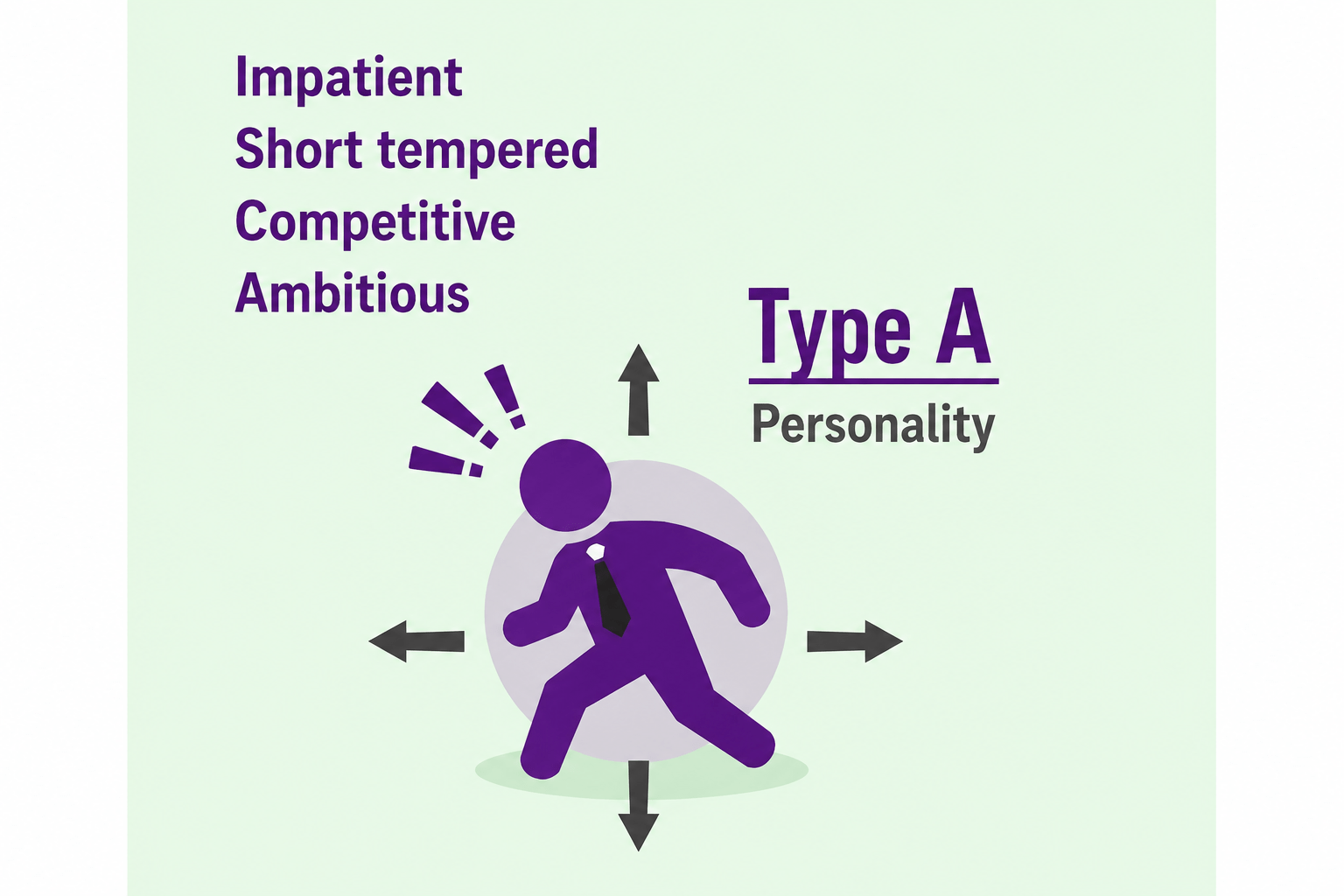


Why Successful Professionals Develop Severe Insomnia
By Dr. Charles R. Freeman, Ph.D.
Successful professionals often develop severe insomnia for reasons that have little to do with sleep itself. The problem is frequently driven by chronic stress, perfectionism, responsibility, self-criticism, anxiety, and a nervous system that rarely has an opportunity to fully relax.
Many people assume insomnia affects individuals who are disorganized, unmotivated, or unable to manage life’s demands. In reality, I often see the opposite. Some of the most severe insomnia cases occur in highly capable people with demanding careers, advanced education, and a long history of achievement.
These individuals know how to work hard. They know how to solve problems. They know how to push through challenges. Unfortunately, those same strengths can sometimes become part of the insomnia cycle.
Why Are Successful Professionals More Vulnerable to Severe Insomnia?
Successful professionals often carry significant responsibility. They manage employees, projects, deadlines, finances, families, and long-term goals. Their minds spend years learning how to identify problems and prevent mistakes. That skill is valuable during the day. At night, it can become a liability.
Sleep requires a shift away from effort, analysis, and problem-solving. Many professionals struggle with that transition. Their brains continue working long after the workday ends. They replay conversations, review decisions, anticipate future challenges, and search for solutions to problems that cannot be solved at 2:00 in the morning.
The result is often a state of chronic mental activation. The body is tired, but the mind remains on duty.
Why Can Severe Insomnia Appear During Career Success?
Many patients are surprised when insomnia develops during a period that appears successful from the outside. They may have a good career, stable income, professional recognition, or important accomplishments. Yet success often brings new pressures. Promotions create greater responsibility. Business ownership creates uncertainty. Financial success can increase fear of failure. Professional advancement can raise expectations that become difficult to sustain.
The person begins carrying more stress while allowing less room for recovery. Over time, sleep becomes one of the first systems affected. In many cases, the problem is not a lack of resilience. The problem is that the nervous system has been operating in high gear for too long.
How Perfectionism and Self-Criticism Fuel Severe Insomnia
Perfectionism is one of the most common themes I see in successful professionals with insomnia. Perfectionistic individuals often maintain standards that would be difficult for anyone to meet consistently. They focus on what remains unfinished rather than what has been accomplished. They compare themselves to people who appear more successful. They interpret normal setbacks as evidence that they are falling behind.
At night, these thoughts become louder. The person may review mistakes from years ago. They may question career decisions. They may focus on opportunities they missed rather than goals they achieved. The mind turns into a performance review that never ends.
This pattern creates emotional activation, anxiety, regret, shame, and frustration. Those emotions increase physiological arousal and interfere with sleep continuity.
Why Successful Professionals With Severe Insomnia Wake Up at 3 AM
Many professionals do not struggle with falling asleep. Their biggest problem is staying asleep. They fall asleep from exhaustion, then wake between 2:00 and 4:00 AM. Once awake, their minds become active.
They think about work projects, finances, career goals, relationships, health concerns, future plans, or unfinished tasks. Sometimes the thoughts are practical. Sometimes they become highly emotional and self-critical.
The patient begins worrying about not sleeping. Then they worry about tomorrow. Then they worry about why they cannot stop worrying. At that point, insomnia becomes self-sustaining.
Can Childhood Experiences Contribute to Adult Insomnia?
Sometimes severe insomnia has deeper roots than current stress alone. Many successful professionals grew up in environments that emphasized achievement, responsibility, performance, or criticism. Some learned that mistakes were unacceptable. Others learned that approval depended on accomplishment.
As adults, these individuals often become highly productive and successful. Yet the emotional pressure that helped drive achievement may remain active beneath the surface. The nervous system continues operating as if it must constantly prove its value, avoid mistakes, or stay prepared for criticism. Sleep becomes difficult because true rest requires a sense of safety.
If the mind never feels safe enough to stop evaluating itself, insomnia often follows.
How Does CBT-I Help Successful Professionals?
CBT-I, or Cognitive Behavioral Therapy for Insomnia, is considered the gold standard treatment for chronic insomnia. CBT-I addresses the behaviors, beliefs, and physiological patterns that maintain sleep problems. It helps patients understand how insomnia develops and why attempts to force sleep often make the problem worse.
For successful professionals, treatment often involves more than changing sleep habits. We frequently examine perfectionism, self-criticism, catastrophic thinking, excessive responsibility, and chronic mental overactivation. Patients learn practical skills to reduce nighttime arousal, respond differently to wakefulness, and interrupt the patterns that keep the brain alert.
The goal is not simply more sleep. The goal is helping the nervous system relearn how to disengage from constant performance mode.
What I Often See in Practice
I frequently meet professionals who tell me they have spent their entire lives solving problems. They succeeded academically. They built careers. They developed expertise. They became dependable people whom others rely upon. Then insomnia arrives, and the strategies that helped them succeed no longer work.
They try harder. They research more. They monitor sleep. They search for the perfect solution. They become frustrated when effort does not produce immediate results.
Sleep operates differently than most professional challenges. It cannot be forced through determination. In many cases, improvement begins when patients stop treating sleep as a problem to conquer and start understanding the factors that keep their nervous system activated. That shift often becomes a turning point in treatment.
Key Takeaways
- Severe insomnia commonly affects highly successful professionals.
- Career success often brings increased responsibility, pressure, and stress.
- Perfectionism and self-criticism can maintain chronic insomnia.
- Many professionals wake during the night because their minds remain in problem-solving mode.
- CBT-I helps address the behavioral and psychological factors that keep insomnia going.
FAQ
Can successful people develop severe insomnia?
Yes. Many high-performing professionals experience chronic insomnia because of stress, responsibility, perfectionism, and persistent mental activation.
Why do professionals wake up thinking about work?
The brain may remain in problem-solving mode even after the workday ends. This pattern can become especially active during nighttime awakenings.
Can perfectionism contribute to insomnia?
Yes. Perfectionism often increases self-criticism, rumination, and pressure, all of which can interfere with sleep.
Why does insomnia appear even when life seems successful?
Success often brings greater responsibility and higher expectations. These pressures can increase stress and make it harder for the nervous system to relax.
What treatment works best for chronic insomnia?
CBT-I is considered the gold standard treatment for chronic insomnia and helps address the patterns that maintain sleep difficulties.
Conclusion
Successful professionals often develop severe insomnia not because they lack discipline, but because they have spent years training themselves to stay alert, solve problems, and manage responsibility. Those strengths can become obstacles when the brain needs to shift into rest.
When treatment addresses the stress, perfectionism, self-criticism, and conditioned arousal beneath the sleep problem, lasting improvement becomes possible. Sleep often improves when the nervous system finally learns that it no longer has to remain on duty throughout the night.
About the Author
 Dr. Charles R. Freeman, Ph.D., is a psychologist specializing in insomnia, sleep disorders, PTSD, anxiety, trauma, and Cognitive Behavioral Therapy for Insomnia (CBT-I). He has more than 25 years of experience helping individuals improve sleep, emotional well-being, and overall quality of life through evidence-based treatment approaches. If you would like to learn more about treatment options or schedule a consultation, please contact Dr. Freeman.
The information in this article is provided for educational purposes only and is not intended to replace professional medical or psychological advice. Individual circumstances vary, and readers should consult a qualified healthcare professional regarding their specific concerns.