Dr. Freeman's Blog Posts

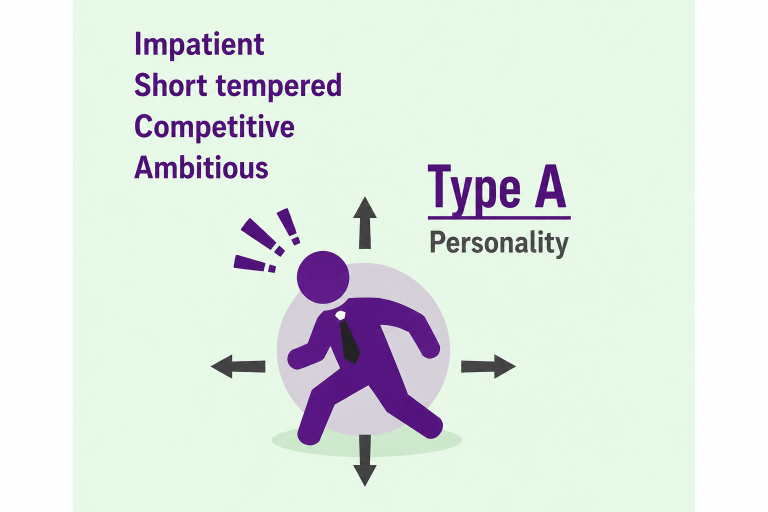
Type A personality infographic showing impatience, short temper, competitiveness, ambition, and the link between high-pressure traits and insomnia

Can a Type A Personality Cause Insomnia?

Yes. A Type A personality can contribute to insomnia when achievement, responsibility, perfectionism, urgency, and self-imposed pressure keep the nervous system activated long after the workday ends. Many people with Type A traits are highly successful. They are disciplined, productive, dependable, and goal-oriented. These qualities often help them excel in
Read More »
screen addiction cause insomnia when phone use keeps a tired person awake at night

Can Screen Addiction Cause Insomnia?

Yes. Compulsive phone, social media, gaming, streaming, or internet use can contribute significantly to insomnia. The problem is not simply that screens emit light. For many people, screens become a way to manage anxiety, boredom, loneliness, frustration, stress, or difficult thoughts at the end of the day. That temporary relief

Read More »
Sleepy window insomnia with a person setting aside a phone before sleep

Why Do I Miss My Sleepy Window and Then Feel Wide Awake?

Why Do I Miss My Sleepy Window and Then Feel Wide Awake? By Dr. Charles R. Freeman, Ph.D. In my previous post “Can Screen Addiction Cause Insomnia?”, I mentioned a concept of  a sleepy window, and today I want to elaborate on this phenomenon. What happens is that if you

Read More »
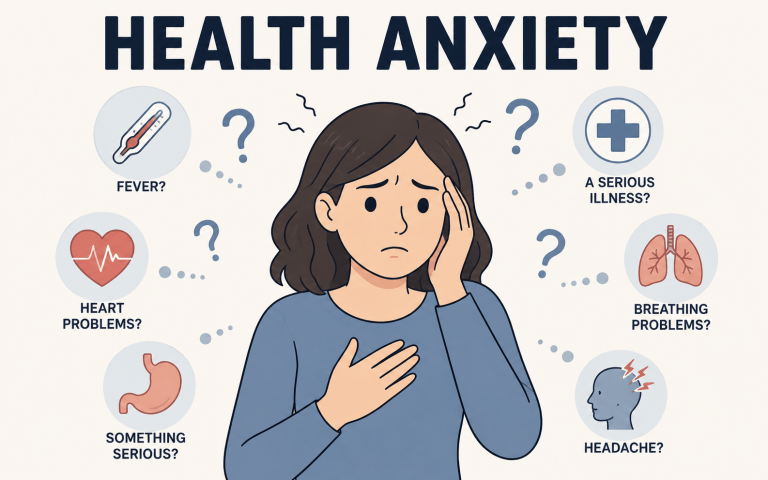
Can health anxiety cause insomnia worried person experiencing sleep anxiety, health fears, and insomnia symptoms

Can Health Anxiety Cause Insomnia?

Yes. Health anxiety can cause insomnia, and insomnia can make health anxiety worse. A person may begin with a real sleep problem, but the fear about what poor sleep means can become one of the main reasons the nervous system stays awake.

This pattern often starts suddenly. Someone who has

Read More »
Why Successful Professionals Develop Severe Insomnia

Why Successful Professionals Develop Severe Insomnia

Successful professionals often develop severe insomnia for reasons that have little to do with sleep itself. The problem is frequently driven by chronic stress, perfectionism, responsibility, self-criticism, anxiety, and a nervous system that rarely has an opportunity to fully relax.

Many people assume insomnia affects individuals who are disorganized, unmotivated,

Read More »
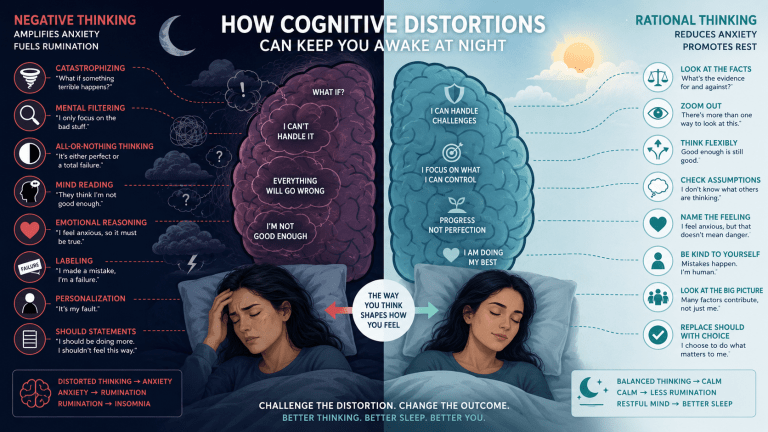
Illustration showing common cognitive distortions such as catastrophizing, personalization, mind reading, and all-or-nothing thinking that contribute to anxiety and insomnia.

How Cognitive Distortions Can Keep You Awake at Night

Cognitive distortions can keep you awake at night by turning normal worries into threats, mistakes into disasters, and wakefulness into panic. The body may be tired, but the mind stays active because it is interpreting thoughts as danger.

Many people with insomnia believe they have a sleep problem only. They

Read More »
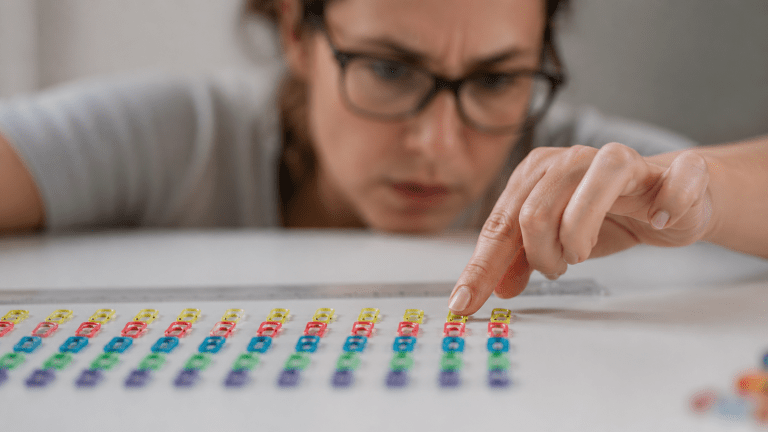
A tense woman carefully arranging colorful paper clips in perfect rows to represent perfectionism, rumination, and insomnia

Can Perfectionism Cause Insomnia?

Yes. Perfectionism can cause insomnia when the mind stays active at night reviewing mistakes, judging performance, comparing life progress, and trying to prevent future failure. The person may be exhausted, but the nervous system remains on alert.

Many perfectionistic people do not think of themselves as anxious. They may describe

Read More »
Mountain sunrise above a sea of clouds representing anxiety-related chronic insomnia, emotional recovery, and the return of restorative sleep

Can Anxiety Cause Chronic Insomnia?

Yes, anxiety can absolutely cause chronic insomnia. It can also maintain it long after the original stressor has passed. In my clinical work, I often see that people are not just struggling with sleep. They are struggling with a nervous system that has learned to stay alert, a mind that

Read More »
Moonlit coastal fog landscape representing sleep hypnosis vs CBT-I for insomnia treatment, sleep anxiety, and natural sleep recovery

Sleep Hypnosis vs CBT-I: What’s the Difference?

Sleep Hypnosis vs CBT-I: What’s the Difference? By Dr. Charles R. Freeman, Ph.D. Sleep hypnosis vs CBT-I is a common question for people who want help with insomnia without relying only on medication. Sleep hypnosis and CBT-I can both help with insomnia, but they are not the same treatment. Sleep

Read More »
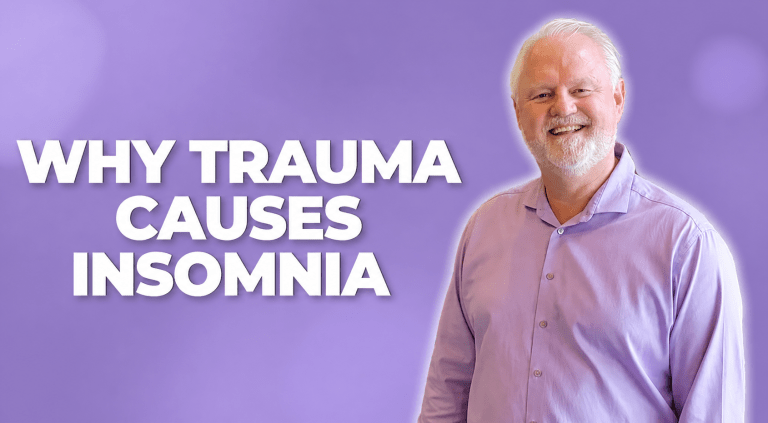
Dr. Charles R. Freeman standing against a purple background with the words Why Trauma Causes Insomnia, explaining how trauma affects sleep

Why Trauma Affects Sleep for Years

Trauma affects sleep for years because the body may continue operating as if danger is still nearby, even when the traumatic event is over. That is why trauma affects sleep long after the event has ended. A person may intellectually know, “I am safe now,” while the nervous system still

Read More »
A purple sleep hypnosis graphic showing a person holding a pendulum with the words Sleep Hypnosis

What Is Sleep Hypnosis?

Sleep hypnosis is a focused, guided therapeutic process that helps the mind and body move out of alertness and toward a calmer state that is more compatible with sleep. It is not magic, mind control, or stage entertainment. In clinical practice, sleep hypnosis is best understood as one possible tool

Read More »

Dr. Freeman's Articles on Sleep, Trauma, and Behavioral Medicine