
Can Health Anxiety Cause Insomnia?
By Dr. Charles R. Freeman, Ph.D.
Yes. Health anxiety can cause insomnia, and insomnia can make health anxiety worse. A person may begin with a real sleep problem, but the fear about what poor sleep means can become one of the main reasons the nervous system stays awake.
This pattern often starts suddenly. Someone who has slept well for years may have several poor nights and begin to worry that something serious is happening. The person may start searching online, checking symptoms, asking for reassurance, reading forums, and fearing permanent damage from sleep loss. The original sleep problem then becomes wrapped in fear, uncertainty, and constant monitoring.
Sleep is one of the foundations of health, so concern about sleep makes sense. The problem begins when the mind treats every sleepless night as a medical emergency. At that point, the body does not move toward rest. It moves toward threat detection.
What Is Health Anxiety?
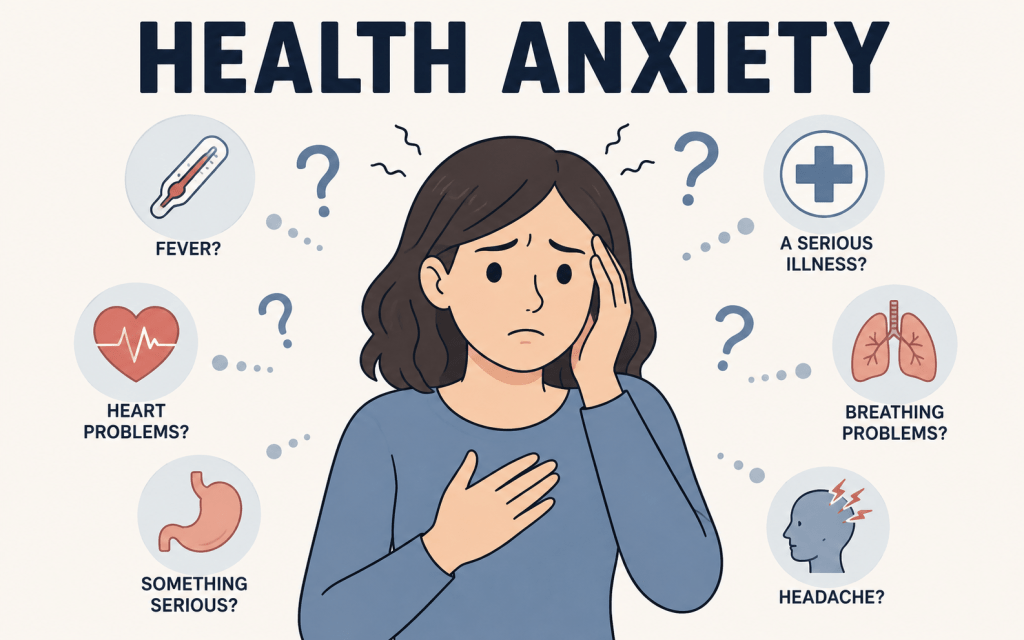
Health anxiety means the mind becomes overly focused on the possibility that normal symptoms, uncomfortable sensations, or temporary changes in the body could signal something dangerous. The person may know logically that the fear is exaggerated, but the worry still feels urgent.
With insomnia, health anxiety often focuses on what sleep loss might do to the brain or body. People may worry about brain damage, dementia, seizures, psychosis, losing control, or never sleeping normally again. These fears can feel convincing when the person is exhausted and emotionally depleted.
Many people try to reduce the fear by searching for information or asking doctors, family members, or online communities for reassurance. That may bring relief for a short time. Then another thought appears, another sensation gets noticed, and another search begins.
How Can Health Anxiety Cause Insomnia?
Health anxiety can cause insomnia by keeping the nervous system activated. Sleep requires a sense of safety. Health anxiety sends the opposite message. It tells the brain to stay alert, scan the body, evaluate risk, and prepare for danger.
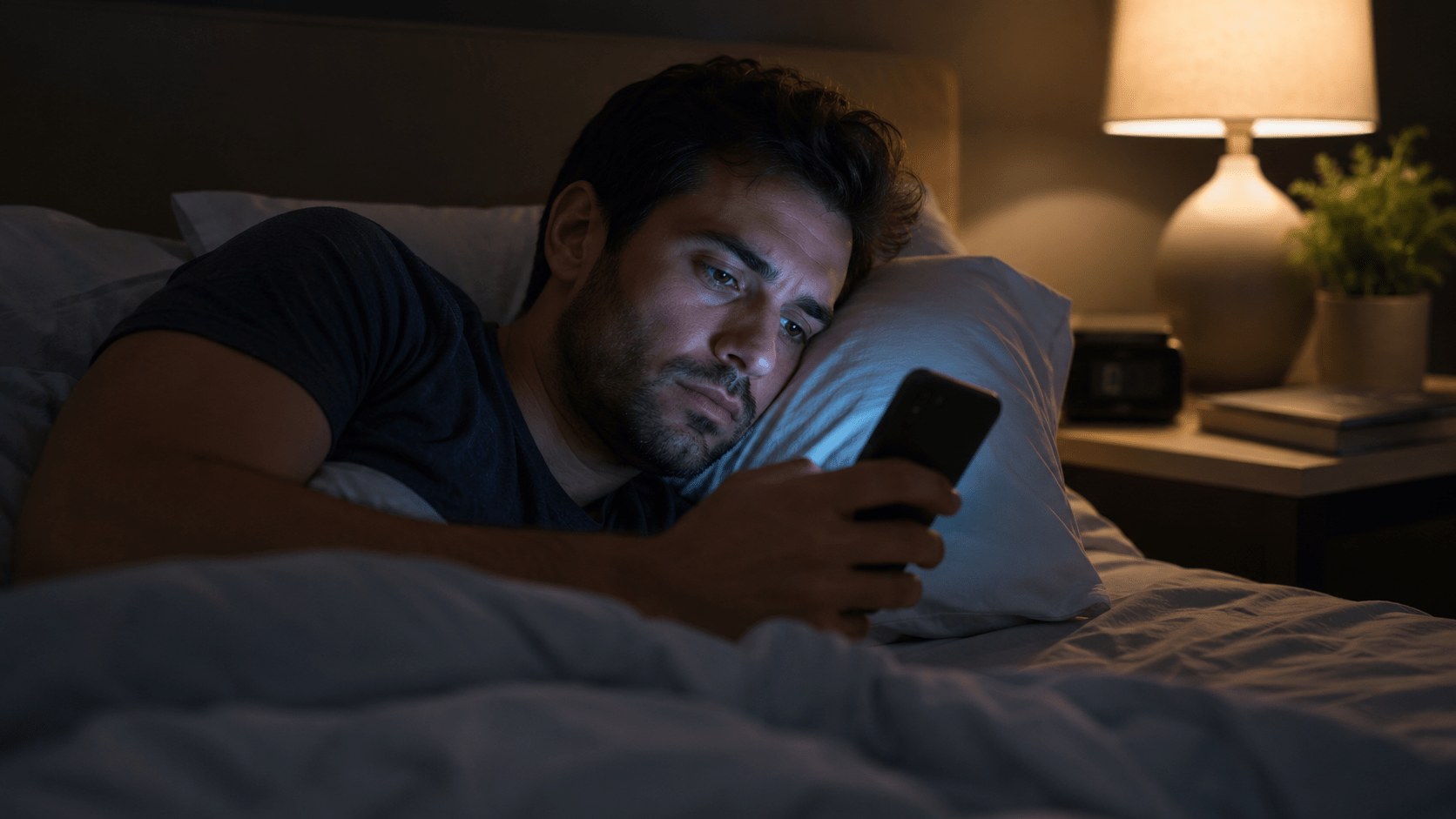
A person with health anxiety may get into bed and immediately begin checking. Am I sleepy? Is my heart beating too fast? What if I do not sleep tonight? What if this medication stops working? What if I am the rare case that does not recover?
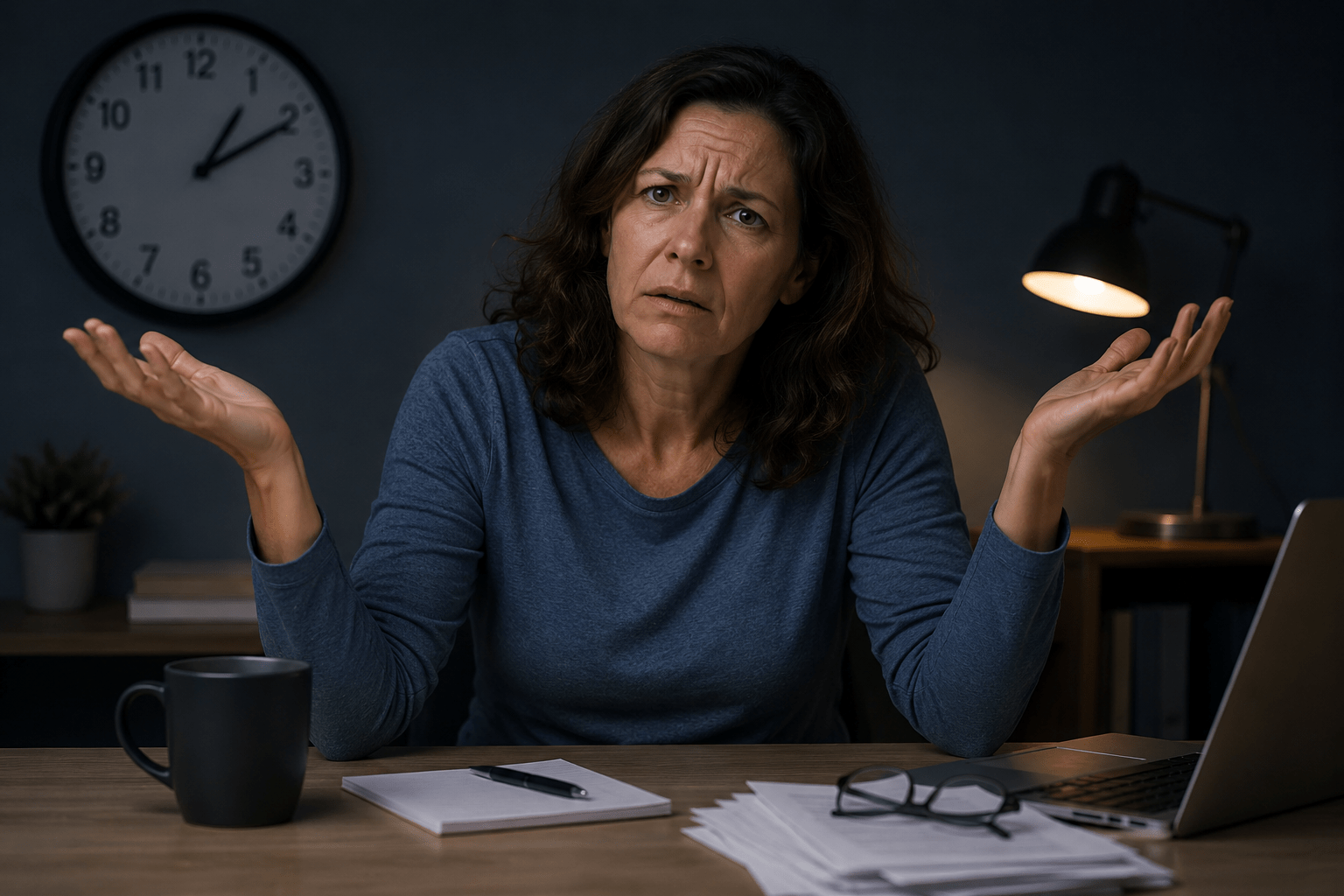
These thoughts activate the sympathetic nervous system. The body becomes more awake, not less. This is why many patients say they feel exhausted but wired. They want sleep desperately, but their body is acting as if it needs to stay on guard.
Why Does Reassurance Stop Working?
Reassurance feels helpful because it lowers anxiety quickly. A physician says the patient is medically safe. A family member says the person will be okay. An article explains that temporary insomnia is common. The person feels calmer for a little while.
The problem is that reassurance often becomes a habit. The brain learns, “I cannot feel safe unless I check again.” That increases dependence on reassurance and decreases confidence in the body’s ability to recover.
In treatment, we often work on reducing reassurance-seeking, not because questions are wrong, but because repeated checking can keep anxiety alive. Patients need appropriate medical evaluation. They also need skills for tolerating uncertainty without turning every fear into another emergency.
Can Googling Sleep Problems Make Health Anxiety Worse?
Yes. Googling sleep problems can make health anxiety worse when the search becomes fear-driven. An anxious mind does not search neutrally. It looks for danger, rare outcomes, and worst-case stories.
Sleep forums and online discussions can be especially difficult for anxious patients. Some people find support there, but others leave more frightened. They may compare themselves to extreme stories, read about unusual medication reactions, or convince themselves that their insomnia is different from everyone else’s.
One useful clinical goal is to reduce compulsive sleep research. Patients can still ask appropriate questions in treatment. They can still talk with medical providers about medication and medical concerns. The shift is that they stop using the internet as an all-day reassurance machine.
How Does CBT-I Help Health Anxiety and Insomnia?
Cognitive Behavioral Therapy for Insomnia, or CBT-I, is the gold standard treatment for chronic insomnia. CBT-I helps patients identify the thoughts, behaviors, and conditioned patterns that keep insomnia active.
When health anxiety is part of the problem, CBT-I often needs to be combined with anxiety treatment. The work may include cognitive restructuring, reducing catastrophic thinking, limiting symptom checking, practicing tolerance of uncertainty, and building confidence in the body’s ability to sleep.
Medication may help some patients in the short term, and medication decisions should be discussed with prescribing providers. Sleep medications often address symptoms rather than causes. Many patients also need skills that help them reduce fear, calm the nervous system, and stop treating wakefulness as proof of danger.
What I Often See in Practice
I often see patients who come in after an abrupt insomnia episode. They may have been good sleepers for most of their lives. Then one period of poor sleep becomes terrifying. The person begins searching for answers, watching every symptom, and trying to solve sleep with increasing urgency.
Many of these patients are thoughtful, intelligent, and highly motivated. They are not doing anything foolish. They are trying to protect themselves. The problem is that their protection strategies begin to reinforce the fear.
I also often see patients regain stability when they understand the cycle. They begin to see that the problem is not only sleep. The problem is sleep plus fear, health anxiety, catastrophic thinking, and hyperarousal. Once treatment addresses those underlying patterns, sleep often becomes less fragile and less frightening.
Key Takeaways
- Health anxiety can cause insomnia by keeping the nervous system on alert.
- Insomnia can increase health anxiety, especially when poor sleep feels sudden or unexplained.
- Reassurance-seeking, online searching, and symptom checking often bring short-term relief but may keep anxiety active.
- CBT-I helps patients reduce sleep-related fear and rebuild confidence in natural sleep.
- Sustainable improvement often requires treating both insomnia and the anxiety cycle around it.
Frequently Asked Questions
Can health anxiety cause insomnia even if I am tired?
Yes. Many people with health anxiety feel exhausted but still cannot sleep. The body can be tired while the nervous system remains activated. Fear, monitoring, and catastrophic thinking can keep the brain alert even when the body needs rest.
Why do I keep worrying that lack of sleep will damage my brain?
This fear is common in people with insomnia and health anxiety. Sleep loss can make the mind more emotionally reactive, and anxiety can make worst-case thoughts feel more believable. Treatment helps patients evaluate these fears more realistically and reduce the threat response.
Should I stop looking up insomnia symptoms online?
If online searching leaves you more frightened, more confused, or more focused on rare outcomes, it may be reinforcing the problem. Many patients benefit from reducing sleep-related internet research and bringing medical questions to appropriate providers instead.
Can CBT-I help if my main problem is anxiety about sleep?
Yes. CBT-I can help patients change the thoughts and behaviors that maintain insomnia. When anxiety is central, treatment should also address catastrophic thinking, reassurance-seeking, symptom monitoring, and fear of wakefulness.
Do sleep medications cure health anxiety-related insomnia?
Sleep medications may reduce symptoms for some patients, but they often do not address the fear cycle underneath the insomnia. Many patients need psychological tools that help them reduce anxiety and regain trust in their ability to sleep.
Conclusion
Health anxiety and insomnia can become a powerful cycle. Poor sleep increases worry. Worry increases arousal. Arousal interferes with sleep. Then the next bad night seems to confirm the fear.
The goal of treatment is not to make a patient stop caring about sleep. The goal is to help the nervous system stop treating every sleepless night as a threat. When patients learn skills for reducing fear, checking, reassurance-seeking, and catastrophic thinking, sleep often becomes easier to trust again.
About the Author
 Dr. Charles R. Freeman, Ph.D., is a psychologist specializing in insomnia, sleep disorders, PTSD, anxiety, trauma, and Cognitive Behavioral Therapy for Insomnia (CBT-I). He has more than 25 years of experience helping individuals improve sleep, emotional well-being, and overall quality of life through evidence-based treatment approaches. If you would like to learn more about treatment options or schedule a consultation, please contact Dr. Freeman.
The information in this article is provided for educational purposes only and is not intended to replace professional medical or psychological advice. Individual circumstances vary, and readers should consult a qualified healthcare professional regarding their specific concerns.