
Dr. Freeman's Blog Posts

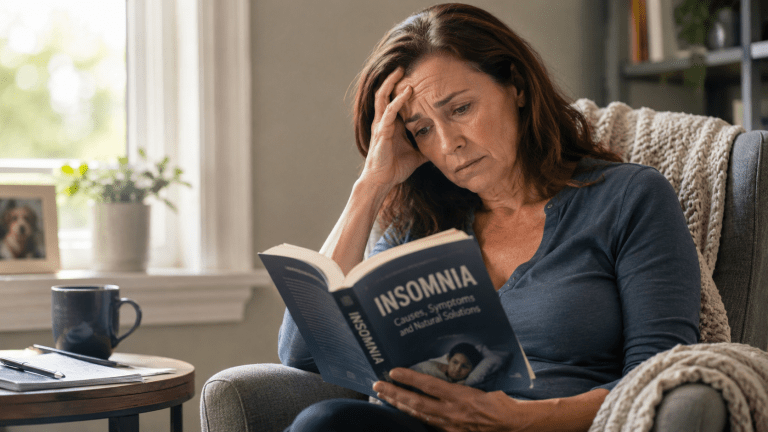
Obsessed with fixing sleep woman reading insomnia book with worry and exhaustion

Why Insomnia Patients Become Obsessed With Fixing Sleep

Many people with insomnia become obsessed with fixing sleep because the brain starts treating wakefulness as an emergency. A few bad nights can turn into hours of research, symptom checking, medication worry, rigid routines, and constant fear about what will happen if sleep does not return.

This pattern makes sense.

Read More »
Mountain sunrise above a sea of clouds representing anxiety-related chronic insomnia, emotional recovery, and the return of restorative sleep

Can Anxiety Cause Chronic Insomnia?

Yes, anxiety can absolutely cause chronic insomnia. It can also maintain it long after the original stressor has passed. In my clinical work, I often see that people are not just struggling with sleep. They are struggling with a nervous system that has learned to stay alert, a mind that

Read More »
EMDR and PTSD recovery in a calm therapy office with chairs and a notebook

EMDR and PTSD Recovery

EMDR may support PTSD recovery for some patients by helping them process traumatic memories that continue to trigger fear, shame, anger, body tension, nightmares, avoidance, and hypervigilance. EMDR is not about erasing the past. It is about helping the nervous system respond differently so the traumatic memory is no longer

Read More »
Adult with sleep anxiety talks with a psychologist in a calm therapy office

Sleep Anxiety and Insomnia: Why Fear of Not Sleeping Keeps You Awake

Sleep anxiety can keep insomnia going because the fear of not sleeping activates the same nervous system response that prevents sleep. The person may be exhausted, but the mind starts monitoring, calculating, predicting failure, and worrying about tomorrow. At that point, the first treatment target is often not sleep itself,

Read More »
Gut health and sleep support through fermented foods and calm evening nutrition

Can Gut Health Affect Anxiety, Inflammation, and Sleep?

Gut health and sleep are connected, but not in the simple way often promoted online. Food does not cure chronic insomnia, anxiety, PTSD, trauma, or depression. Nutrition can support the body’s biological systems, including gut health, inflammation, blood sugar stability, immune function, and sleep regulation. Lasting improvement often requires treatment

Read More »
Tired child with ADHD sitting in bed while a parent offers calm bedtime support

ADHD and Sleep: Why Children Have Sleep Problems and Bedtime Battles

Children with ADHD often have sleep problems because the same nervous system difficulties that affect attention, impulse control, emotional regulation, and hyperactivity can also interfere with sleep. Some children cannot slow their minds down at night. Others have bedtime battles, insomnia, restless sleep, anxiety, nightmares, medication-related sleep disruption, or breathing

Read More »
Sleep-promoting foods including bananas, oatmeal, almonds, kiwi, tart cherry juice, whole grain bread, turkey, milk, and flaxseeds arranged on a kitchen table

Eleven Best Foods That Help You Sleep

f you struggle with insomnia, you may have wondered whether certain foods can help you fall asleep faster or sleep more soundly. The answer is yes, some foods appear to support healthy sleep. However, it is important to understand that no food can cure chronic insomnia. Nutrition can help create

Read More »
Healthy bedtime foods including oatmeal, cherries, kiwi, nuts, and yogurt that may support better sleep

Foods That Help You Sleep: What to Eat Before Bed

Foods That Help You Sleep: What to Eat Before Bed for Better Sleep By Dr. Charles R. Freeman, Ph.D. If you are struggling with insomnia, you may wonder whether certain foods can help you sleep better. The short answer is yes. Some foods appear to support healthy sleep, while others

Read More »

Dr. Freeman's Articles on Sleep, Trauma, and Behavioral Medicine