

What Causes Chronic Insomnia?
By Dr. Charles R. Freeman, Ph.D.
Chronic insomnia is usually caused by more than one issue. Anxiety, trauma, PTSD, chronic pain, depression, grief, stress, medication dependence, alcohol use, medical symptoms, and learned patterns of nighttime alertness can all keep the brain and body awake. In many cases, insomnia is the symptom, not the root cause.
That distinction matters. Many people try to solve insomnia by focusing only on the surface problem: the number of hours slept, the time they wake up, the medication they take, or the routine they follow before bed. Those details can matter, but chronic insomnia often continues because the nervous system has learned to stay on guard when it should be resting.
Sleep is one of the foundations of health. I often describe exercise, nutrition, sound sleep, and meaning or purpose as four legs of the table. When one leg is unstable, the whole table starts to wobble. A person may have a successful career, strong discipline, good nutrition, and a meaningful life, but if sleep is falling apart, everything else becomes harder.
Why Does Anxiety Cause Chronic Insomnia?
Anxiety keeps the nervous system activated. At night, the mind may start reviewing conversations, predicting tomorrow, solving problems, scanning the body, or worrying about the consequences of another bad night. The person may be exhausted, but the brain is still behaving as if something urgent needs attention.
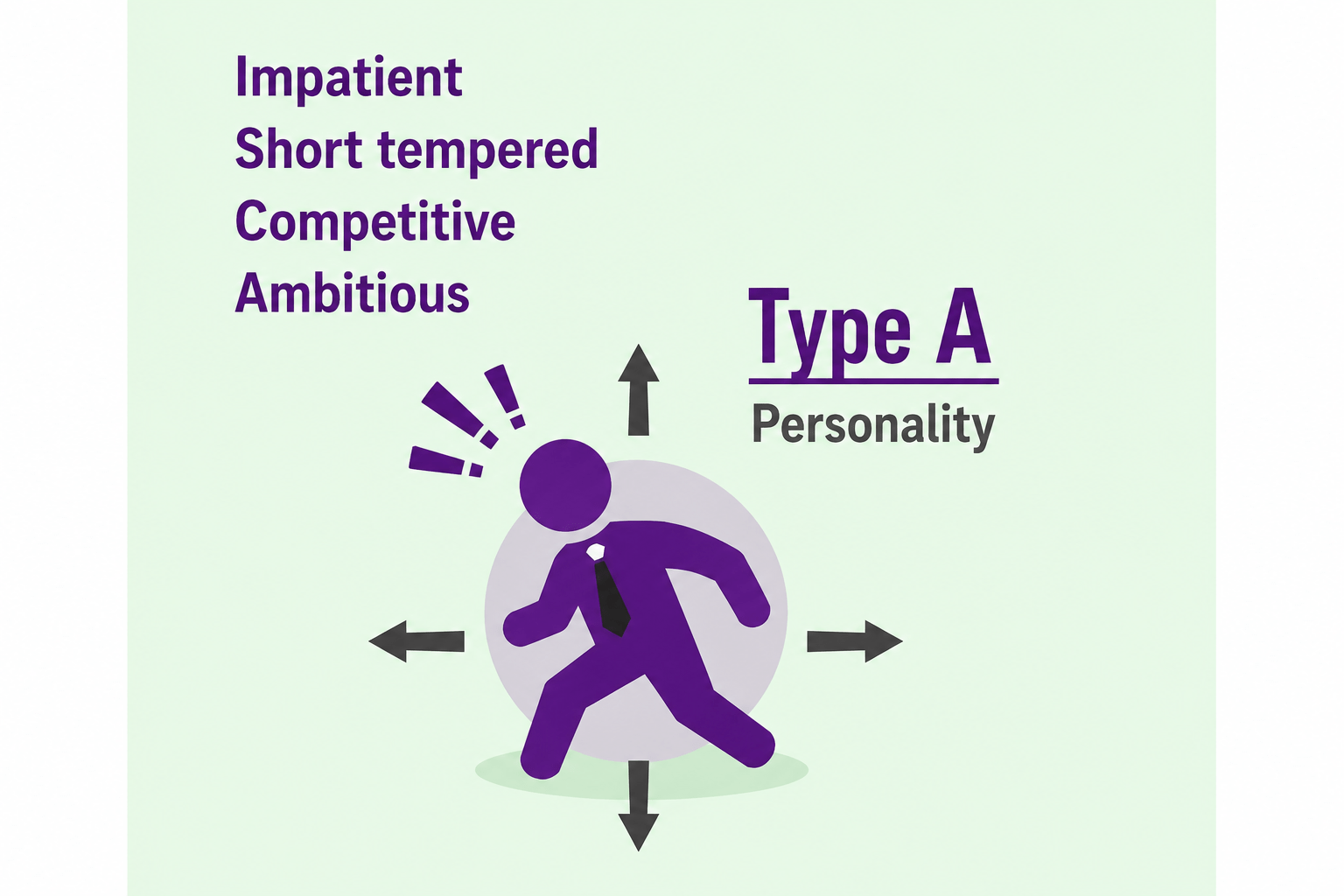
This becomes especially difficult for high-functioning people. The same mental habits that help them perform during the day can work against them at night. They try harder. They analyze harder. They monitor sleep more closely. Bedtime becomes a performance test, and sleep does not respond well to pressure.
Can Trauma or PTSD Cause Chronic Insomnia?
Yes. Trauma is one of the most common contributors to chronic insomnia. Trauma teaches the body to stay alert. Even after the danger has passed, the nervous system may continue acting as if it needs to protect the person from threat.
This can show up as difficulty falling asleep, waking in panic, nightmares, early-morning awakening, muscle tension, irritability, or a feeling that the bed is not emotionally safe. For some people, the trauma happened at night. For others, the trauma involved years of criticism, emotional unpredictability, military stress, abuse, caregiving pressure, or chronic fear.
Trauma does not have to be one obvious event. Repeated exposure to threat, shame, loss of control, moral injury, or emotional invalidation can also train the body to stay vigilant. When that vigilance follows a person into bed, sleep becomes difficult.
How Does the Bed Become Associated With Wakefulness?
One of the most important causes of chronic insomnia is conditioning. If someone spends months or years lying in bed awake, frustrated, worried, or afraid, the brain can begin associating the bed with alertness instead of sleep.
At that point, the person may feel sleepy on the couch but wide awake once they get into bed. They may start checking the clock, calculating how many hours are left, worrying about work the next day, or judging themselves for not sleeping. This does not mean the person is broken. It means the nervous system has learned a pattern.
The encouraging part is that learned patterns can be unlearned. Treatment is not simply about giving the person more sleep tips. It is about retraining the brain and body so the bed becomes associated with sleep again instead of effort, fear, and frustration.
Can Sleeping Pills Maintain Chronic Insomnia?
Sleep medications may be appropriate in short-term situations, such as acute grief, medical crisis, or temporary stabilization. The concern is long-term reliance when the underlying causes of insomnia remain untreated.
Benzodiazepines and sedative hypnotics may temporarily reduce anxiety or induce sleep, but some people experience rebound anxiety, rebound insomnia, tolerance, dependence, or sleep that feels non-restorative. A medication may sedate the body without teaching the nervous system how to sleep naturally again.
Many patients describe a familiar pattern. A medication works at first. Then it works less consistently. Then the dose increases or additional substances are added, such as alcohol, over-the-counter sleep aids, or supplements. The person is not careless. They are desperate for relief. But when the root causes remain active, medication alone often cannot solve chronic insomnia.
Can Pain, Depression, or Medical Symptoms Cause Insomnia?
Chronic pain and insomnia often reinforce each other. Pain disrupts sleep, and poor sleep lowers pain tolerance the next day. Medical symptoms such as gastrointestinal distress, migraines, fatigue, neuropathy, or cardiac-like anxiety sensations can also increase nighttime arousal and fear about the body.
Depression can disrupt sleep as well. Some people wake too early and cannot return to sleep. Others sleep many hours but still wake feeling unrefreshed. In both situations, treatment may need to address mood, behavior, activity level, thinking patterns, and physiological arousal rather than focusing only on bedtime habits.
Why Is Sleep Hygiene Often Not Enough?
Sleep hygiene can help, but it is rarely enough for chronic insomnia by itself. Many patients already know the basics. They have darkened the room, stopped caffeine late in the day, removed screens, bought a better mattress, and tried relaxation apps.
Those habits are not wrong. They are just incomplete. If fear of wakefulness is driving insomnia, sleep hygiene will not fully solve it. If trauma is keeping the body alert, a cool bedroom will not be enough. If perfectionism, grief, pain, resentment, or over-responsibility is following the person into bed, treatment has to address those patterns directly.
What I Often See in Practice
In practice, I often meet people who are capable during the day and discouraged at night. They can lead teams, raise families, manage military responsibilities, care for others, and solve complex problems. Then they get into bed and feel helpless.
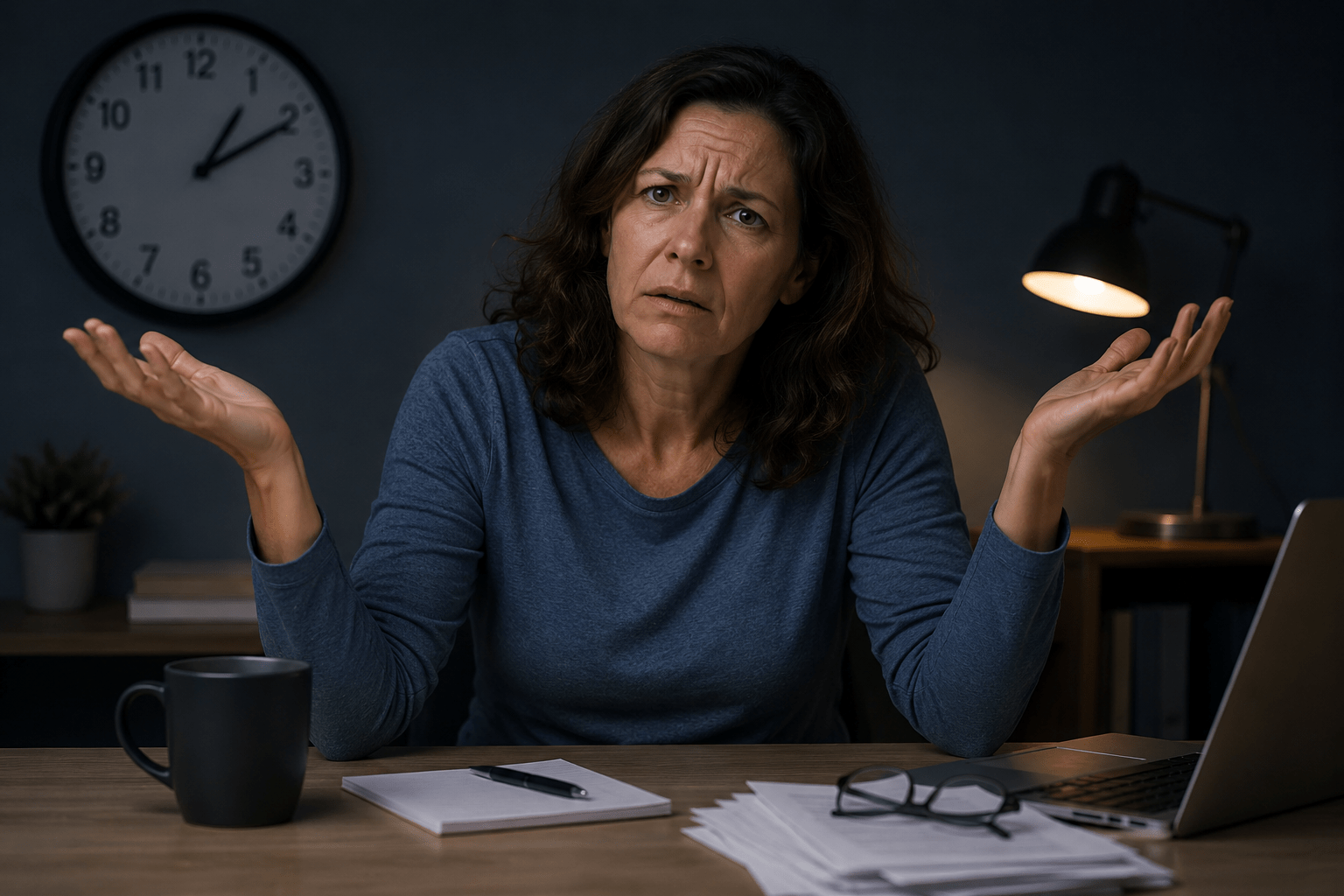
That helplessness can become part of the insomnia cycle. A person wakes up and thinks, “Here we go again.” They check the clock. They predict the next day will be ruined. They become angry at their body. The awakening becomes an emergency, and the nervous system becomes even more activated.
Recovery often begins when patients change their relationship with symptoms. A bad night is not a personal failure. Waking up does not mean the night is ruined. Anxiety in the body is not proof that something is permanently wrong. The patient learns skills, practices them, adjusts them, and begins to rebuild confidence.
My approach is directive, collaborative, practical, and solution-focused. Cognitive Behavioral Therapy for Insomnia, or CBT-I, is the gold-standard treatment for chronic insomnia because it addresses the thoughts, behaviors, and conditioned patterns that keep insomnia going. Depending on the person, treatment may also include hypnosis, relaxation training, EMDR for trauma, cognitive restructuring, sleep scheduling, exercise, nutrition changes, and work on meaning, purpose, or spiritual grounding.
Key Takeaways
- Chronic insomnia is often a symptom of a larger pattern, not just a sleep problem.
- Anxiety, trauma, pain, depression, grief, and sleep anxiety can keep the nervous system activated.
- The bed can become associated with wakefulness, frustration, and fear.
- Medication may provide short-term relief but may not treat the underlying causes.
- CBT-I helps retrain the mind, body, and nervous system for more sustainable sleep.
Frequently Asked Questions About What Causes Chronic Insomnia
What is the most common cause of chronic insomnia?
The most common cause is usually a combination of hyperarousal, worry, stress, learned wakefulness, and behaviors that unintentionally train the brain to stay alert at night. Anxiety and trauma are frequent contributors.
Can I have chronic insomnia even if my sleep study is normal?
Yes. A sleep study may rule out medical sleep disorders such as sleep apnea, but it does not rule out psychophysiological insomnia, trauma-related hyperarousal, sleep anxiety, or conditioned wakefulness.
Why do I wake up in the middle of the night and start thinking?
Middle-of-the-night awakening often becomes a problem when the brain treats being awake as a threat. Clock checking, worrying about tomorrow, and trying hard to return to sleep can keep the nervous system activated.
Can CBT-I help if my insomnia is caused by anxiety or trauma?
Yes. CBT-I can be very helpful, especially when combined with anxiety treatment, trauma therapy, EMDR, hypnosis, or relaxation training when those issues are part of the insomnia cycle.
Can chronic insomnia improve after years of poor sleep?
Yes. Many people improve significantly when the underlying causes are addressed. Recovery does not mean perfect sleep every night. It means fewer bad nights, less fear around wakefulness, faster recovery after setbacks, and more confidence in the body’s ability to sleep.
Conclusion
Chronic insomnia usually has a cause, even when the cause is not obvious at first. The issue may be anxiety, trauma, pain, depression, grief, medication dependence, overcontrol, or a learned fear of being awake. Once we identify what is keeping the nervous system activated, treatment becomes much more focused.
The goal is not simply to knock someone out for the night. The goal is restorative sleep, better emotional regulation, and practical skills the patient can use for the rest of life. When insomnia is treated at the root, sleep becomes less of a battle and more of a natural biological process again.
About the Author
 Dr. Charles R. Freeman, Ph.D., is a psychologist specializing in insomnia, sleep disorders, PTSD, anxiety, trauma, and Cognitive Behavioral Therapy for Insomnia (CBT-I). He has more than 25 years of experience helping individuals improve sleep, emotional well-being, and overall quality of life through evidence-based treatment approaches. If you would like to learn more about treatment options or schedule a consultation, please contact Dr. Freeman.
The information in this article is provided for educational purposes only and is not intended to replace professional medical or psychological advice. Individual circumstances vary, and readers should consult a qualified healthcare professional regarding their specific concerns.