

Dr. Freeman's Blog Posts

EMDR for trauma-related problems with therapist guiding bilateral stimulation

EMDR for Trauma-Related Problems

EMDR for trauma-related problems may help when painful memories, body reactions, nightmares, shame, fear, or relationship patterns continue long after the original experience has ended. EMDR stands for Eye Movement Desensitization and Reprocessing. It is a structured trauma therapy that helps patients work with disturbing memories without simply talking in

Read More »
EMDR and PTSD recovery in a calm therapy office with chairs and a notebook

EMDR and PTSD Recovery

EMDR may support PTSD recovery for some patients by helping them process traumatic memories that continue to trigger fear, shame, anger, body tension, nightmares, avoidance, and hypervigilance. EMDR is not about erasing the past. It is about helping the nervous system respond differently so the traumatic memory is no longer

Read More »
Therapist guides a patient through an EMDR therapy session using eye movement techniques in a calm clinical office

What Is EMDR Therapy?

EMDR therapy, or Eye Movement Desensitization and Reprocessing, is a structured trauma-focused therapy that helps people process distressing memories so the nervous system no longer reacts as strongly or automatically. EMDR does not erase the past. The goal is to reduce the emotional charge, body reaction, and negative beliefs connected

Read More »
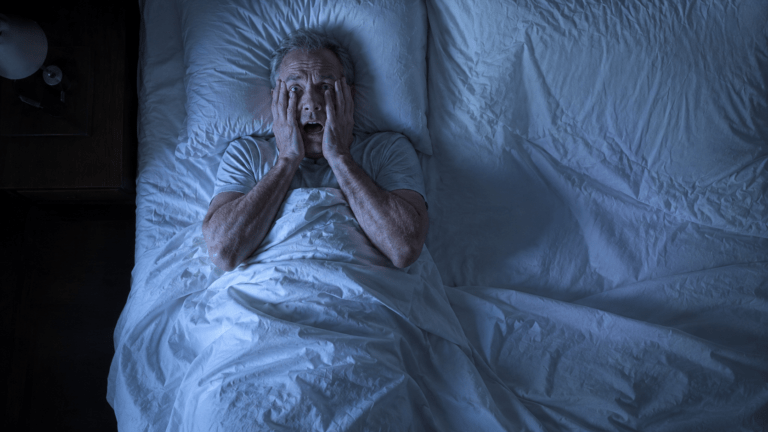
Frightened man awake in bed after a nightmare, representing trauma-related nightmares, PTSD sleep problems, and EMDR treatment

Can EMDR Help Reduce Nightmares?

Can EMDR help reduce nightmares? Yes, EMDR may help reduce nightmares when the nightmares are connected to trauma, PTSD, anxiety, or disturbing memories that the nervous system has not fully processed. EMDR does not work by trying to force the dream to stop. It works by helping the brain process

Read More »
Why can't I put my phone down at night? A woman lies awake in bed holding a smartphone while her partner sleeps beside her.

Why Can’t I Put My Phone Down at Night?

Why Can’t I Put My Phone Down at Night? By Dr. Charles R. Freeman, Ph.D. If you find yourself scrolling through your phone long after you intended to go to sleep, and keep asking yourself, “Why can’t I put my phone down at night?” the problem is often not a

Read More »
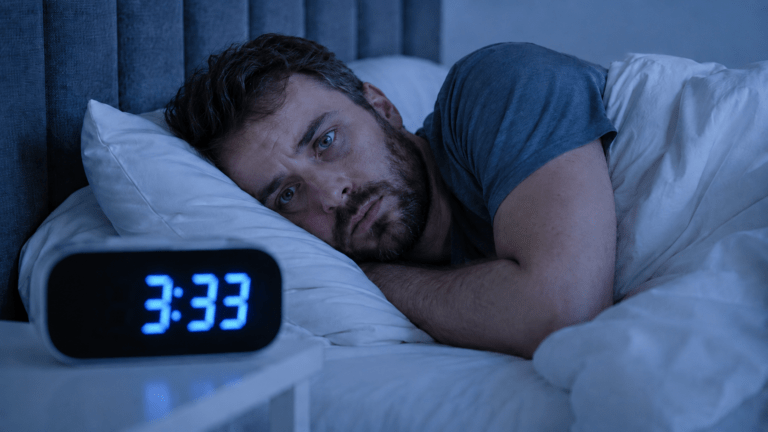
A tired adult awake in bed wondering why they wake up at 3 A.M. every night

Why Do I Wake Up at 3 A.M. Every Night?

Why Do I Wake Up at 3 A.M. Every Night? By Dr. Charles R. Freeman, Ph.D. If you wake up at 3 A.M. every night, your nervous system, stress hormones, sleep rhythm, pain, trauma history, or nighttime anxiety may be keeping your brain alert when your body should stay asleep.

Read More »
Hypervigilance and sleep problems shown by an anxious woman scanning a dim hallway, representing trauma-related insomnia and nighttime alertness

How Hypervigilance Causes Sleep Problems and Insomnia

How Hypervigilance Causes Sleep Problems and Insomnia By Dr. Charles R. Freeman, Ph.D. Hypervigilance can cause sleep problems and insomnia because the nervous system stays on alert when it should be resting. A person may be physically safe in bed, but the brain and body may still be scanning for

Read More »
A service member in a therapy session discussing PTSD-related insomnia, hypervigilance, nightmares, and sleep recovery

Can PTSD Cause Insomnia?

Can PTSD Cause Insomnia? By Dr. Charles R. Freeman, Ph.D. Yes, PTSD can cause insomnia. Post-traumatic stress disorder can keep the nervous system on alert long after the danger has passed. A person may be physically safe in bed, but the brain and body may still be scanning for threat.

Read More »
Trauma survivor speaking with a therapist in a calm office, representing trauma-related insomnia, hypervigilance, and sleep recovery

Why Trauma Survivors Often Struggle With Sleep and Insomnia

Why Trauma Survivors Often Struggle With Sleep and Insomnia By Dr. Charles R. Freeman, Ph.D. Trauma survivors often struggle with sleep because the nervous system may stay alert long after the danger has passed. Bedtime can feel unsafe when the brain connects stillness, darkness, or loss of control with threat.

Read More »
Peaceful bedroom with warm morning light and mountain views, representing natural sleep improvement through CBT-I without medication

Can CBT-I Help You Sleep Without Medication?

Can CBT-I Help You Sleep Without Medication? By Dr. Charles R. Freeman, Ph.D. Yes, Cognitive Behavioral Therapy for Insomnia, or CBT-I, can help many people sleep with less reliance on medication. CBT-I teaches the brain and body how to return to natural sleep by changing the thoughts, behaviors, habits, and

Read More »

Dr. Freeman's Articles on Sleep, Trauma, and Behavioral Medicine