

Can Therapy Help You Sleep Without Medication?
By Dr. Charles R. Freeman, Ph.D.
Yes, therapy can help many people sleep without relying solely on medication, especially when insomnia is being driven by anxiety, trauma, stress, pain, rumination, sleep fear, or learned patterns of nighttime alertness. Medication may provide short-term relief, but therapy addresses the patterns that keep insomnia going.
That does not mean everyone should abruptly stop taking sleep medication. Medication changes should always be discussed with the prescribing physician. The goal of therapy is different. Therapy helps you understand why your sleep system feels stuck and teaches practical skills so your mind and body can become more confident about sleep again.
Many people who struggle with sleep are not doing anything “wrong.” They are often working hard, taking care of others, functioning at work, and holding themselves together during the day. Then, when the house is quiet and the lights are off, the nervous system finally shows how much pressure it has been carrying.
Why Doesn’t Medication Always Solve Insomnia?
Sleep medication can be useful in certain situations, especially during an acute crisis, grief, medical stress, or a short period of severe disruption. The difficulty is that chronic insomnia often continues because the nervous system has learned to associate bedtime with alertness, fear, frustration, or pressure.
Many people come to therapy after trying several sleep aids, supplements, prescriptions, podcasts, apps, special pillows, strict routines, and late-night internet searches. They are not careless. They are exhausted and trying to function. Underneath the practical problem is often a painful question: “What if my body cannot sleep on its own anymore?”
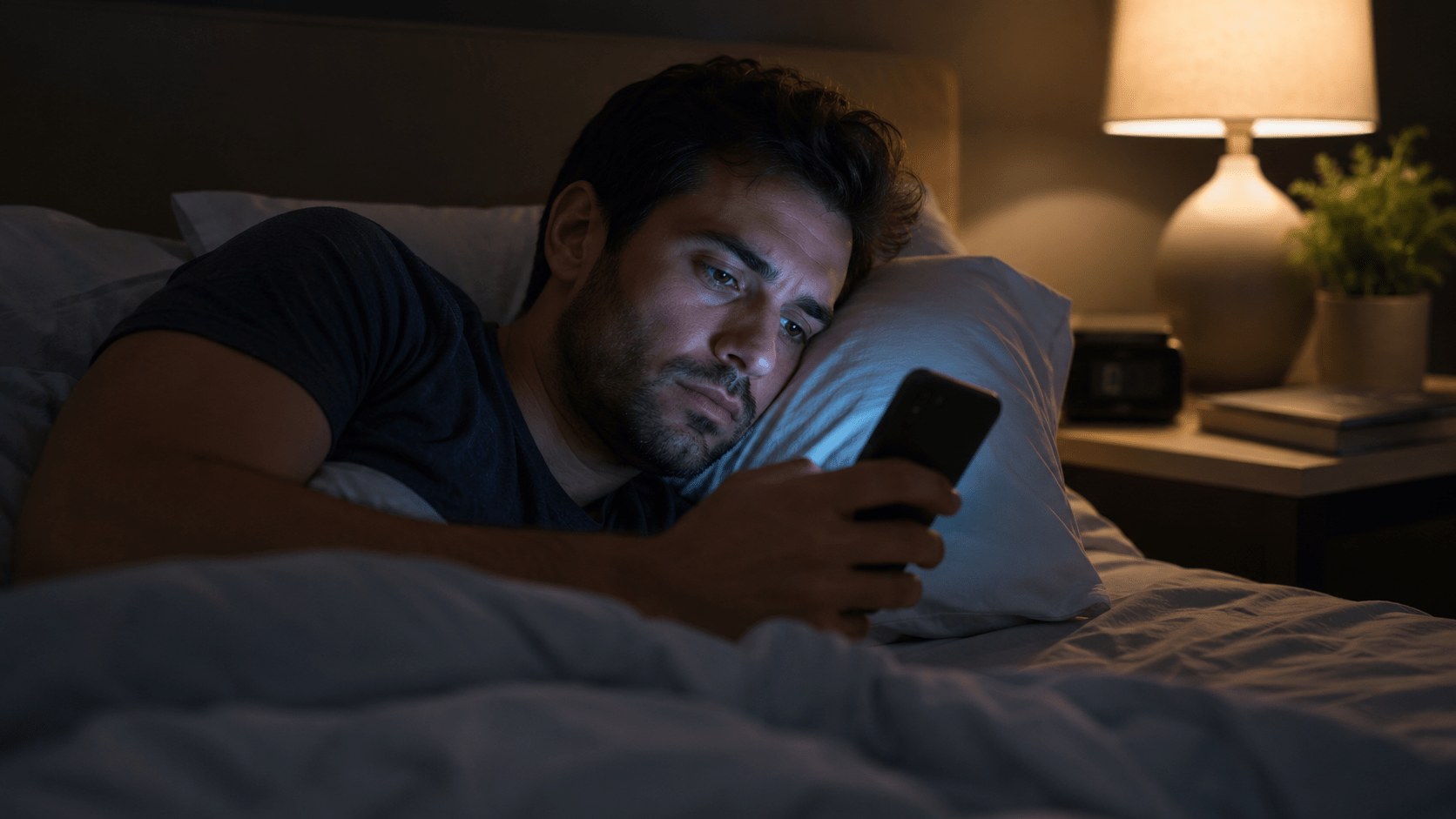
That fear matters. When you begin to fear the bed, the clock, the next workday, or the feeling of being awake at 3 a.m., insomnia becomes more than a sleep problem. It becomes a conditioned alarm response. Medication may sedate the body, but sedation is not the same as restorative sleep. Restorative sleep requires the nervous system to stand down.
What Kind of Therapy Helps to Sleep Without Medication?
Cognitive Behavioral Therapy for Insomnia, or CBT-I, is the gold standard behavioral treatment for chronic insomnia. CBT-I is not simply sleep hygiene. Most people with chronic insomnia already know the basics: keep the room dark, reduce caffeine, avoid screens, and keep a consistent schedule. Those steps may help, but they are often not enough.
CBT-I looks at the thoughts, behaviors, timing, and nervous-system patterns that keep insomnia active. It may include sleep scheduling, stimulus control, sleep restriction, reducing clock watching, changing catastrophic thoughts about sleep, and helping the bed become associated with rest again instead of struggle.
Therapy may also include trauma treatment, EMDR, relaxation training, hypnosis, breathing skills, guided imagery, sensory grounding, cognitive reframing, and work on anxiety or emotional suppression. The right treatment depends on what is actually keeping the person awake. I want to know whether the insomnia is connected to grief, work pressure, pain, PTSD, anger, relationship stress, perfectionism, or years of overfunctioning.
Why Does Trying Harder to Sleep Make Things Worse?
Sleep is not a performance. It is a biological process that works best when the brain stops turning bedtime into a test. The harder a person tries to force sleep, the more the nervous system learns that wakefulness is dangerous.
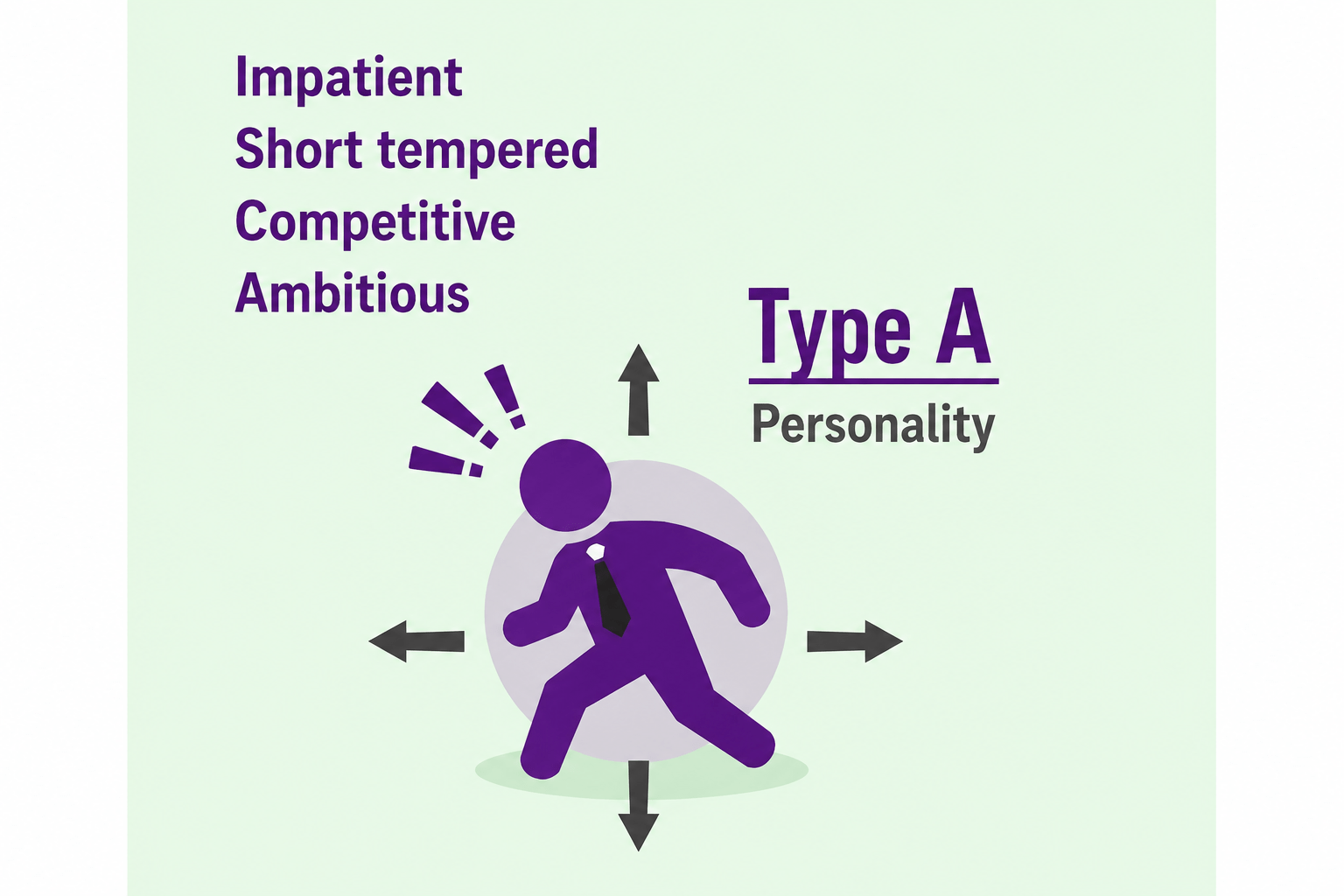
This is especially common in high-functioning people. The same discipline, analysis, problem-solving, and control that help someone succeed during the day can keep the brain activated at night. The person lies in bed trying to solve sleep. They monitor the clock, calculate how many hours are left, predict tomorrow’s failure, and judge the body for not cooperating.
In therapy, we work on changing that relationship with wakefulness. The first target is often not sleep itself, but fear of not sleeping. When a person learns to wake up without escalating into panic, checking, self-criticism, or catastrophic predictions, sleep often becomes less brittle.
Can Therapy Help If Trauma or PTSD Is Affecting Sleep?
Yes. Trauma often shows up most clearly at night. A person may not have obvious flashbacks during the day, but may experience early-morning waking, nightmares, body tension, irritability, shame, anger, or a feeling that the body cannot stand down.
After trauma, the nervous system may continue operating as if danger is nearby, even when life is objectively safer now. Some people were harmed at night. Some grew up in homes where conflict, criticism, or emotional unpredictability made rest feel unsafe. Some carried responsibility too early in life and learned to stay alert because relaxing did not feel wise.
In these situations, sleeping pills may become an attempt to override a survival system that is still on guard. Therapy helps the nervous system learn safety again. Trauma-focused treatment needs pacing. EMDR and related approaches can be helpful, but patients also need grounding, stabilization, recovery skills, and a practical plan for what to do when symptoms intensify.
What If I Wake Up in the Middle of the Night?
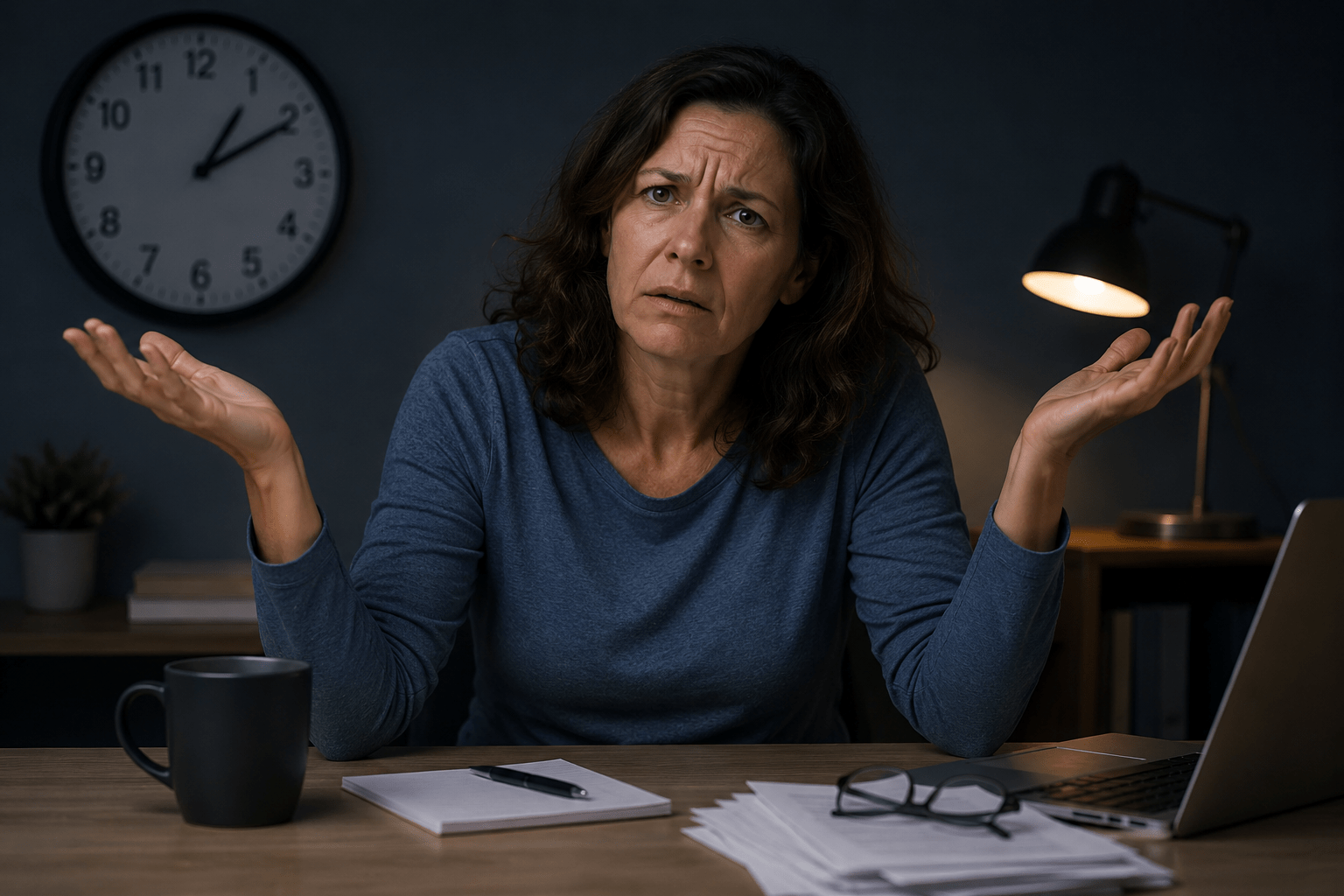
Middle-of-the-night awakening is one of the most common problems I see. Many people fall asleep fairly well, then wake at 2 or 3 a.m. in a state of alertness. They may feel panic, pain, guilt, resentment, or a rush of planning. The effort to get back to sleep can become more disruptive than the awakening itself.
Therapy teaches a different response. Waking up does not mean the night is ruined. A bad night does not mean treatment failed. Recovery often begins when the person stops treating every awakening as an emergency.
For many patients, wakefulness is not the enemy. Panic about wakefulness is the enemy. The goal is to help the body learn, “I am awake right now, but I am not in danger.” That shift may sound simple, but it can be powerful when practiced consistently.
What I Often See in Practice
I often meet people who appear highly capable from the outside. They work, parent, lead, serve, solve problems, and take care of everyone else. Internally, they may be exhausted, anxious, angry, grieving, ashamed, or running on adrenaline.
Functioning is not the same as being well. Many patients minimize their distress because they can still get through the day. But sleep disturbance acts as a symptom amplifier. Poor sleep worsens pain tolerance, irritability, anxiety, mood stability, concentration, decision-making, and relationship strain. Those problems then feed back into worse sleep.
I also see many people who carry too much responsibility into bed. They feel responsible for everyone else’s stability, safety, mood, health, sleep, or success. The nervous system cannot rest while the mind remains responsible for everyone. In these cases, sleep treatment may need to include boundaries, emotional expression, relationship stress, and learning how to stop overfunctioning.
Can Therapy Help You Reduce Sleep Medication?
For some patients, yes. The most helpful approach is not shame. It is confidence. Sleep aids may have become temporary tools or safety behaviors. Therapy helps patients build enough self-regulation skill that medication no longer feels like the only option.
This may include coordination with a physician, especially when prescriptions have been used regularly or for a long time. Therapy can support the psychological side of the process: fear of wakefulness, fear of withdrawal, fear of tomorrow, and the belief that the body has lost the ability to sleep naturally.
Progress may not look like perfect sleep right away. Early improvement may look like less clock watching, less reassurance seeking, less panic after a bad night, and faster recovery after waking. A more flexible nervous system matters more than one perfect night.
What Skills Can Help Natural Sleep Return?
Therapy is not only a place to talk about sleep. It is a place to build skills. Patients often learn how to calm cognitive arousal, respond differently when they wake during the night, reduce pressure around bedtime, and address the emotional material the mind rehearses after dark.
Treatment may include CBT-I strategies for sleep timing, nighttime wakefulness, and conditioned arousal. Patients may also learn breathing, grounding, imagery, and relaxation skills that help the nervous system settle. Many people also need to reduce clock watching, sleep tracking, and other habits that keep the brain monitoring sleep instead of allowing it.
When trauma plays a role, treatment may focus on helping the nervous system come off guard. Therapy may also address anxiety, perfectionism, emotional suppression, boundaries, exercise, nutrition, sound sleep habits, and a stronger sense of meaning or purpose. The goal is not only to get through the night. The goal is to create lasting change so sleep no longer controls the entire day, the entire mood, or the person’s sense of self.
Key Takeaways
- Therapy can help many people sleep without relying solely on medication.
- CBT-I is the gold standard behavioral treatment for chronic insomnia.
- Medication may help temporarily but often does not treat conditioned arousal, trauma, anxiety, rumination, or sleep fear.
- Sleep improves when patients stop treating wakefulness as an emergency.
- Medication reduction should be coordinated with a prescribing physician and approached with confidence, not shame.
FAQ Section
Can therapy really help to sleep without medication?
Yes. Therapy can help insomnia by addressing the thoughts, behaviors, emotions, and nervous-system patterns that keep sleep disrupted. CBT-I is especially effective for chronic insomnia.
What is CBT-I?
CBT-I stands for Cognitive Behavioral Therapy for Insomnia. It is a structured treatment that helps retrain the brain and body by changing sleep-related behaviors, beliefs, timing, and responses to wakefulness.
Should I stop taking sleep medication if I start therapy?
No medication should be stopped abruptly without speaking to the prescribing physician. Therapy can help build sleep skills and confidence while medication decisions are handled safely with medical guidance.
Can trauma cause insomnia?
Yes. Trauma can keep the nervous system on alert at night. This may show up as nightmares, early waking, panic, body tension, hypervigilance, or difficulty relaxing enough to sleep.
What if I still have bad nights during treatment?
A bad night does not mean treatment failed. Recovery often means fewer catastrophic reactions, faster return to baseline, and growing confidence that the body can recover.
Conclusion
Therapy can help you sleep without relying solely on medication when it addresses the real reasons sleep has become difficult. For many people, insomnia is not just a nighttime problem. It is connected to anxiety, trauma, perfectionism, pain, emotional suppression, over-responsibility, and fear of wakefulness.
The goal is not to force sleep. The goal is to stop teaching the brain that wakefulness is dangerous. When patients learn practical skills, address underlying causes, and rebuild confidence in their own nervous system, sleep often becomes more natural, less fragile, and less dependent on emergency fixes.
About the Author
 Dr. Charles R. Freeman, Ph.D., is a psychologist specializing in insomnia, sleep disorders, PTSD, anxiety, trauma, and Cognitive Behavioral Therapy for Insomnia (CBT-I). He has more than 25 years of experience helping individuals improve sleep, emotional well-being, and overall quality of life through evidence-based treatment approaches. If you would like to learn more about treatment options or schedule a consultation, please contact Dr. Freeman.
The information in this article is provided for educational purposes only and is not intended to replace professional medical or psychological advice. Individual circumstances vary, and readers should consult a qualified healthcare professional regarding their specific concerns.