
Dr. Freeman's Blog Posts

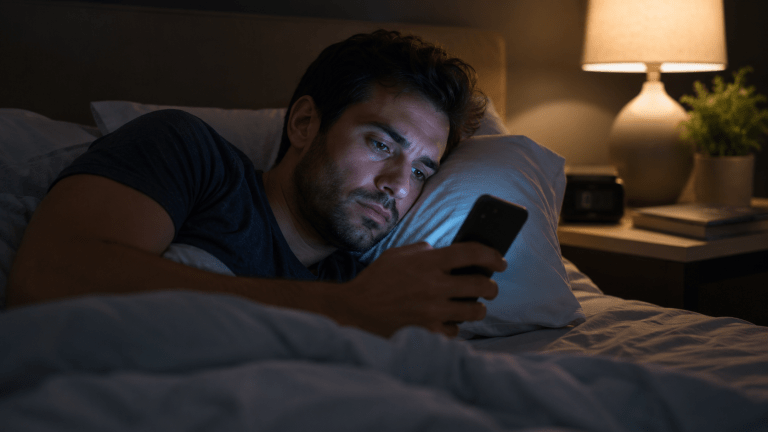
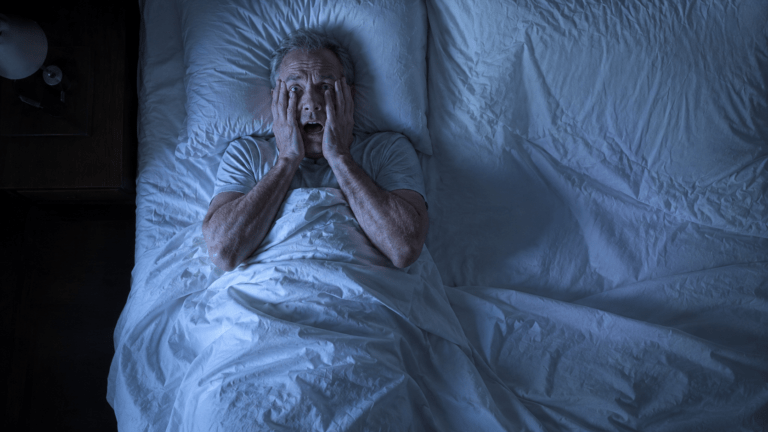
Sleep anxiety cause insomnia; man lying awake at night with fear of not sleeping

Can Sleep Anxiety Cause Chronic Insomnia?

Yes. Sleep anxiety can cause chronic insomnia when the fear of not sleeping keeps the nervous system alert night after night. A person may begin with a short period of poor sleep, but the fear that develops around sleep can become one of the main reasons the insomnia continues.

Many

Read More »
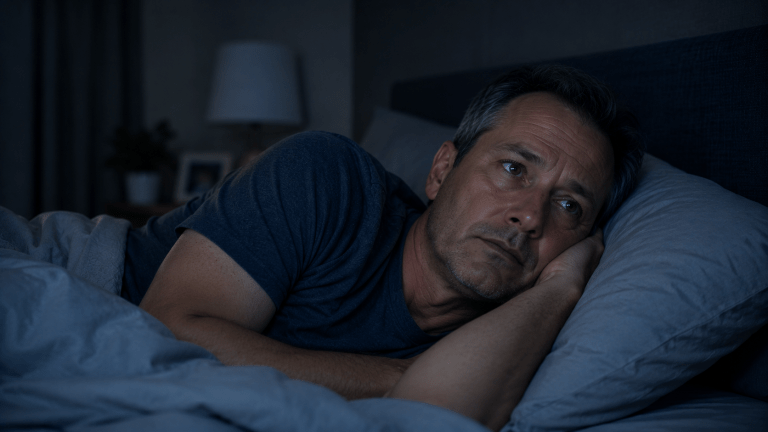
Sleepy window insomnia with a person setting aside a phone before sleep

Why Do I Miss My Sleepy Window and Then Feel Wide Awake?

Why Do I Miss My Sleepy Window and Then Feel Wide Awake? By Dr. Charles R. Freeman, Ph.D. In my previous post “Can Screen Addiction Cause Insomnia?”, I mentioned a concept of  a sleepy window, and today I want to elaborate on this phenomenon. What happens is that if you

Read More »
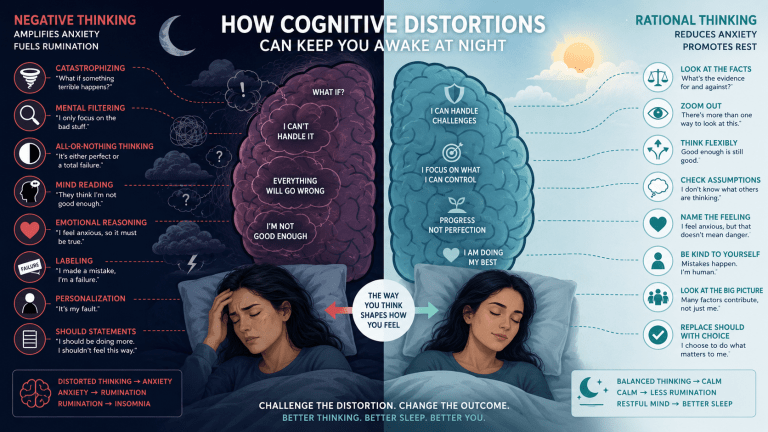
Illustration showing common cognitive distortions such as catastrophizing, personalization, mind reading, and all-or-nothing thinking that contribute to anxiety and insomnia.

How Cognitive Distortions Can Keep You Awake at Night

Cognitive distortions can keep you awake at night by turning normal worries into threats, mistakes into disasters, and wakefulness into panic. The body may be tired, but the mind stays active because it is interpreting thoughts as danger.

Many people with insomnia believe they have a sleep problem only. They

Read More »
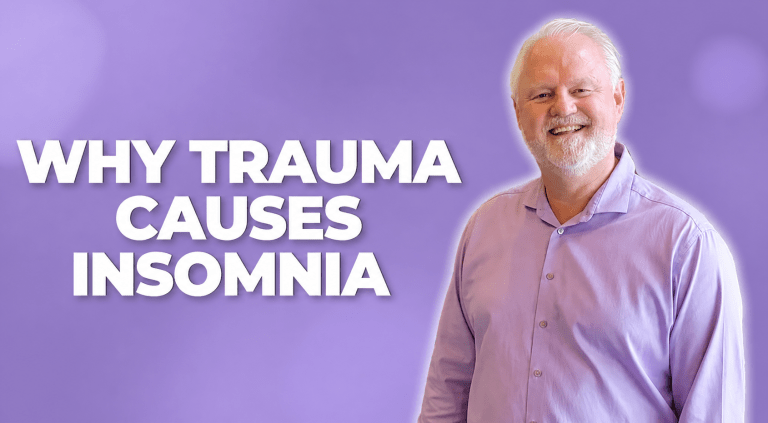
Dr. Charles R. Freeman standing against a purple background with the words Why Trauma Causes Insomnia, explaining how trauma affects sleep

Why Trauma Affects Sleep for Years

Trauma affects sleep for years because the body may continue operating as if danger is still nearby, even when the traumatic event is over. That is why trauma affects sleep long after the event has ended. A person may intellectually know, “I am safe now,” while the nervous system still

Read More »
EMDR for trauma-related problems with therapist guiding bilateral stimulation

EMDR for Trauma-Related Problems

EMDR for trauma-related problems may help when painful memories, body reactions, nightmares, shame, fear, or relationship patterns continue long after the original experience has ended. EMDR stands for Eye Movement Desensitization and Reprocessing. It is a structured trauma therapy that helps patients work with disturbing memories without simply talking in

Read More »
Adult with sleep anxiety talks with a psychologist in a calm therapy office

Sleep Anxiety and Insomnia: Why Fear of Not Sleeping Keeps You Awake

Sleep anxiety can keep insomnia going because the fear of not sleeping activates the same nervous system response that prevents sleep. The person may be exhausted, but the mind starts monitoring, calculating, predicting failure, and worrying about tomorrow. At that point, the first treatment target is often not sleep itself,

Read More »
Sleep-promoting foods including bananas, oatmeal, almonds, kiwi, tart cherry juice, whole grain bread, turkey, milk, and flaxseeds arranged on a kitchen table

Eleven Best Foods That Help You Sleep

f you struggle with insomnia, you may have wondered whether certain foods can help you fall asleep faster or sleep more soundly. The answer is yes, some foods appear to support healthy sleep. However, it is important to understand that no food can cure chronic insomnia. Nutrition can help create

Read More »
Frightened man awake in bed after a nightmare, representing trauma-related nightmares, PTSD sleep problems, and EMDR treatment

Can EMDR Help Reduce Nightmares?

Can EMDR help reduce nightmares? Yes, EMDR may help reduce nightmares when the nightmares are connected to trauma, PTSD, anxiety, or disturbing memories that the nervous system has not fully processed. EMDR does not work by trying to force the dream to stop. It works by helping the brain process

Read More »
Healthy bedtime foods including oatmeal, cherries, kiwi, nuts, and yogurt that may support better sleep

Foods That Help You Sleep: What to Eat Before Bed

Foods That Help You Sleep: What to Eat Before Bed for Better Sleep By Dr. Charles R. Freeman, Ph.D. If you are struggling with insomnia, you may wonder whether certain foods can help you sleep better. The short answer is yes. Some foods appear to support healthy sleep, while others

Read More »
Why can't I sleep when it's hot? A man rests in bed at dawn while educational graphics illustrate body temperature regulation, circadian rhythm, and healthy sleep physiology.

Why Can’t I Sleep When It’s Hot?

Why Can’t I Sleep When It’s Hot? By Dr. Charles R. Freeman, Ph.D. You may have trouble sleeping when it’s hot because your body needs to cool down in order to fall asleep and stay asleep. You may be asking yourself, “Why can’t I sleep when it’s hot?” When your

Read More »
Adult reviewing a sleep journal with a therapist while seeking help for insomnia and chronic sleep problems

When Should You Seek Help for Insomnia?

When Should You Seek Help for Insomnia? By Dr. Charles R. Freeman, Ph.D. You should seek help for insomnia when sleep problems last more than a few weeks, affect your daytime functioning, increase anxiety about bedtime, or lead you to rely more heavily on medication, alcohol, or other sleep aids.

Read More »

Dr. Freeman's Articles on Sleep, Trauma, and Behavioral Medicine