Dr. Charles Freeman – San Diego Insomnia and Sleep Problems Treatment – San Diego Trauma and PTSD Treatment

Sleep Psychology

Middle-aged woman sleeping peacefully as a result of therapy for sleep without medication

Can Therapy Help You Sleep Without Medication?

Can Therapy Help You Sleep Without Medication? By Dr. Charles R. Freeman, Ph.D. Yes, therapy can help many people sleep without relying solely on medication, especially when insomnia is being driven by anxiety, trauma, stress, pain, rumination, sleep fear, or learned patterns of nighttime alertness. Medication may provide short-term relief, but therapy addresses the patterns that keep insomnia going. That does not mean everyone should abruptly stop taking sleep medication. Medication changes should always be discussed with the prescribing physician. The goal of therapy is different. Therapy helps you understand why your sleep system feels stuck and teaches practical skills so your mind and body can become more confident about sleep again. Many people who struggle with sleep are not doing anything “wrong.” They are often working hard, taking care of others, functioning at work, and holding themselves together during the day. Then, when the house is quiet and the lights are off, the nervous system finally shows how much pressure it has been carrying. Why Doesn’t Medication Always Solve Insomnia? Sleep medication can be useful in certain situations, especially during an acute crisis, grief, medical stress, or a short period of severe disruption. The difficulty is that chronic insomnia often continues because the nervous system has learned to associate bedtime with alertness, fear, frustration, or pressure. Many people come to therapy after trying several sleep aids, supplements, prescriptions, podcasts, apps, special pillows, strict routines, and late-night internet searches. They are not careless. They are exhausted and trying to function. Underneath the practical problem is often a painful question: “What if my body cannot sleep on its own anymore?” That fear matters. When you begin to fear the bed, the clock, the next workday, or the feeling of being awake at 3 a.m., insomnia becomes more than a sleep problem. It becomes a conditioned alarm response. Medication may sedate the body, but sedation is not the same as restorative sleep. Restorative sleep requires the nervous system to stand down. What Kind of Therapy Helps to Sleep Without Medication? Cognitive Behavioral Therapy for Insomnia, or CBT-I, is the gold standard behavioral treatment for chronic insomnia. CBT-I is not simply sleep hygiene. Most people with chronic insomnia already know the basics: keep the room dark, reduce caffeine, avoid screens, and keep a consistent schedule. Those steps may help, but they are often not enough. CBT-I looks at the thoughts, behaviors, timing, and nervous-system patterns that keep insomnia active. It may include sleep scheduling, stimulus control, sleep restriction, reducing clock watching, changing catastrophic thoughts about sleep, and helping the bed become associated with rest again instead of struggle. Therapy may also include trauma treatment, EMDR, relaxation training, hypnosis, breathing skills, guided imagery, sensory grounding, cognitive reframing, and work on anxiety or emotional suppression. The right treatment depends on what is actually keeping the person awake. I want to know whether the insomnia is connected to grief, work pressure, pain, PTSD, anger, relationship stress, perfectionism, or years of overfunctioning. Why Does Trying Harder to Sleep Make Things Worse? Sleep is not a performance. It is a biological process that works best when the brain stops turning bedtime into a test. The harder a person tries to force sleep, the more the nervous system learns that wakefulness is dangerous. This is especially common in high-functioning people. The same discipline, analysis, problem-solving, and control that help someone succeed during the day can keep the brain activated at night. The person lies in bed trying to solve sleep. They monitor the clock, calculate how many hours are left, predict tomorrow’s failure, and judge the body for not cooperating. In therapy, we work on changing that relationship with wakefulness. The first target is often not sleep itself, but fear of not sleeping. When a person learns to wake up without escalating into panic, checking, self-criticism, or catastrophic predictions, sleep often becomes less brittle. Can Therapy Help If Trauma or PTSD Is Affecting Sleep? Yes. Trauma often shows up most clearly at night. A person may not have obvious flashbacks during the day, but may experience early-morning waking, nightmares, body tension, irritability, shame, anger, or a feeling that the body cannot stand down. After trauma, the nervous system may continue operating as if danger is nearby, even when life is objectively safer now. Some people were harmed at night. Some grew up in homes where conflict, criticism, or emotional unpredictability made rest feel unsafe. Some carried responsibility too early in life and learned to stay alert because relaxing did not feel wise. In these situations, sleeping pills may become an attempt to override a survival system that is still on guard. Therapy helps the nervous system learn safety again. Trauma-focused treatment needs pacing. EMDR and related approaches can be helpful, but patients also need grounding, stabilization, recovery skills, and a practical plan for what to do when symptoms intensify. What If I Wake Up in the Middle of the Night? Middle-of-the-night awakening is one of the most common problems I see. Many people fall asleep fairly well, then wake at 2 or 3 a.m. in a state of alertness. They may feel panic, pain, guilt, resentment, or a rush of planning. The effort to get back to sleep can become more disruptive than the awakening itself. Therapy teaches a different response. Waking up does not mean the night is ruined. A bad night does not mean treatment failed. Recovery often begins when the person stops treating every awakening as an emergency. For many patients, wakefulness is not the enemy. Panic about wakefulness is the enemy. The goal is to help the body learn, “I am awake right now, but I am not in danger.” That shift may sound simple, but it can be powerful when practiced consistently. What I Often See in Practice I often meet people who appear highly capable from the outside. They work, parent, lead, serve, solve problems, and take care of everyone else. Internally, they may be exhausted, anxious, angry, grieving, ashamed, or running

Can Therapy Help You Sleep Without Medication? Read More »

Side effects of sleeping pills shown with common prescription sleep medications

What Are the Side Effects of Sleeping Pills?

A decade ago, in 2010, the Drug Enforcement Agency spearheaded a nationwide initiative to take back unused prescription medications. This move aimed to heighten public awareness about the potentially lethal implications of prescription drug misuse. Despite these efforts, the prevalence of misuse and its consequences remain concerning.

What Are the Side Effects of Sleeping Pills? Read More »

Types of sleep disorders including insomnia and chronic sleep problems in a young man

Types of Sleep Disorders: The Four Main Categories Explained

Types of Sleep Disorders: The Four Main Categories Explained By Dr. Charles R. Freeman, Ph.D. The types of sleep disorders include insomnia, excessive daytime sleepiness disorders, circadian rhythm disorders, and sleep-related movement and behavior disorders. Understanding the different types of sleep disorders can help people recognize symptoms, identify potential causes of sleep problems, and seek appropriate treatment when sleep difficulties begin to affect daily life. Many people experience occasional trouble sleeping. A stressful event, illness, work demands, travel, or family concerns can temporarily interfere with healthy sleep. These short-term sleep difficulties are common and usually resolve when circumstances improve. A sleep disorder is different. Sleep disorders are ongoing conditions that affect a person’s ability to obtain healthy, restorative sleep. They can interfere with physical health, emotional well-being, work performance, concentration, memory, and quality of life. Understanding the different types of sleep disorders can help people recognize when sleep problems may require professional attention. Sleep disorders affect millions of Americans every year. While many people associate sleep disorders only with insomnia, there are actually dozens of recognized sleep disorders. Sleep specialists have identified more than 80 different conditions that affect sleep and wakefulness. Most fall into four major categories. What Is a Sleep Disorder? A sleep disorder is a condition that regularly disrupts normal sleep. Some sleep disorders make it difficult to fall asleep. Others make it difficult to stay asleep or remain awake during the day. Some cause unusual movements, behaviors, or experiences during sleep. Common sleep disorder symptoms may include difficulty falling asleep, frequent awakenings, excessive daytime sleepiness, fatigue, poor concentration, irritability, memory problems, and reduced daytime functioning. People often assume their sleep problems are simply part of getting older or living a busy life. In reality, persistent sleep difficulties may indicate an underlying sleep disorder that can often be treated effectively. Insomnia Sleep Disorder Insomnia is the most common sleep disorder. Insomnia sleep disorder involves difficulty falling asleep, difficulty staying asleep, waking too early, or feeling dissatisfied with sleep quality despite having adequate opportunity to sleep. Acute insomnia may last for a few days or weeks and is often triggered by stress, illness, travel, or major life changes. Chronic insomnia persists for months or even years and can significantly affect daily functioning. People with chronic insomnia often report fatigue, frustration, worry about sleep, decreased concentration, mood changes, and reduced quality of life. Because insomnia can create anxiety about sleep itself, many individuals become trapped in a cycle where worry contributes to continued sleep difficulties. Excessive Daytime Sleepiness Disorders Some sleep disorders make it difficult to stay awake rather than making it difficult to sleep. These disorders are characterized by excessive daytime sleepiness, overwhelming fatigue, and unintended episodes of falling asleep. The best-known condition in this category is narcolepsy. Narcolepsy affects the brain’s ability to regulate sleep and wake cycles. People with narcolepsy may experience sudden sleep attacks, excessive daytime sleepiness, and disrupted nighttime sleep. Other medical conditions can also contribute to excessive daytime sleepiness, including sleep apnea, fibromyalgia, thyroid disorders, and certain neurological conditions. Many people who struggle with daytime fatigue assume they simply need more rest when an underlying sleep disorder may be present. Circadian Rhythm Sleep Disorders Circadian rhythm disorders occur when the body’s internal clock becomes misaligned with the desired sleep schedule. These sleep disorders affect the timing of sleep rather than the quality of sleep itself. A circadian rhythm disorder may cause a person to feel alert late at night and sleepy during the day, even when they are trying to maintain a conventional schedule. Shift work sleep disorder, delayed sleep phase disorder, advanced sleep phase disorder, irregular sleep-wake rhythm disorder, and jet lag are common examples. People with circadian rhythm disorders often struggle because their biological clock does not match work schedules, family obligations, or social expectations. Over time, this mismatch can create chronic sleep deprivation and daytime impairment. Sleep-Related Movement and Behavior Disorders Some sleep disorders involve unusual movements, behaviors, or experiences that occur during sleep. These conditions can disrupt sleep quality and sometimes create safety concerns. Examples include restless legs syndrome, sleepwalking, sleep terrors, REM sleep behavior disorder, and periodic limb movement disorder. Individuals may move excessively during sleep, act out dreams, walk while asleep, or experience uncomfortable sensations in their legs that make falling asleep difficult. Family members are often the first to notice these sleep-disruptive behaviors. In some cases, people may be completely unaware that these events are occurring until someone else observes them. What Are the Most Common Sleep Disorders? When people ask, “What are sleep disorders?” they are usually referring to conditions that interfere with healthy sleep on a regular basis. The most common sleep disorders include insomnia, sleep apnea, restless legs syndrome, narcolepsy, and circadian rhythm disorders. Insomnia remains the most frequently reported sleep disorder and affects millions of adults each year. Sleep apnea is also extremely common and occurs when breathing repeatedly stops and starts during sleep. Both conditions can significantly affect health and quality of life if left untreated. When Should You Seek Help for Sleep Problems? Occasional sleep difficulties are normal. Persistent sleep problems are not. If trouble sleeping occurs several nights each week, causes daytime impairment, affects mood or concentration, or continues for several weeks or months, it may be time to seek professional help. Sleep disorders are highly treatable. Treatment may include Cognitive Behavioral Therapy for Insomnia (CBT-I), medical evaluation, lifestyle changes, treatment of underlying medical conditions, or other evidence-based approaches depending on the specific diagnosis. Understanding the Types of Sleep Disorders The various types of sleep disorders affect people in different ways, but they all share one common feature: they interfere with healthy, restorative sleep. Whether the problem involves insomnia, excessive daytime sleepiness, circadian rhythm disorders, or sleep-related behaviors, untreated sleep disorders can affect both physical and mental health. Learning about the different types of sleep disorders is an important first step toward recognizing symptoms, seeking appropriate treatment, and improving overall quality of life. About the Author Dr. Charles R. Freeman, Ph.D., is a psychologist specializing in insomnia, sleep disorders, PTSD, anxiety, trauma, and

Types of Sleep Disorders: The Four Main Categories Explained Read More »

Effects of sleep deprivation on physical health, mental health, and daily functioning

Effects of Sleep Deprivation: How Sleep Disorders Affect Health

Effects of Sleep Deprivation: How Sleep Disorders Affect Health By Dr. Charles R. Freeman, Ph.D. In my last post, I talked about the four main categories of sleep disorders. Let’s talk about the effects of sleep deprivation on your life. Sleep disorders can affect nearly every aspect of physical and mental health. The effects of sleep deprivation often begin with fatigue and difficulty concentrating, but ongoing sleep problems can contribute to serious health conditions over time. Understanding the effects of sleep deprivation can help people recognize when trouble sleeping has become a significant health concern and why early treatment matters. Why Healthy Sleep Matters Healthy sleep is essential for both the brain and the body. During sleep, the brain processes information, stores memories, regulates emotions, and prepares for the demands of the next day. A well-rested brain supports concentration, learning, decision-making, and emotional stability. The body also depends on sleep to maintain physical health. Sleep supports immune function, hormone regulation, metabolism, cardiovascular health, and tissue repair. When sleep is disrupted by insomnia, sleep apnea, circadian rhythm disorders, or other sleep disorders, these important processes may not function as effectively. Many people underestimate the importance of sleep until they begin experiencing sleep problems themselves. Sleep is not simply a period of rest. Sleep is an active biological process that supports overall health and well-being. Short-Term Effects of Sleep Deprivation The short-term effects of sleep deprivation can appear after only a few nights of poor sleep. Many people experience fatigue, irritability, difficulty concentrating, forgetfulness, slower reaction times, and reduced productivity. Tasks that normally feel simple may suddenly require much more effort and attention. Sleep deprivation can also affect emotional functioning. People who are sleep deprived often report increased stress, frustration, anxiety, and mood swings. Small problems may feel overwhelming when the brain is not receiving adequate rest. The effects of sleep deprivation can also create safety concerns. Reduced alertness and impaired judgment increase the risk of workplace accidents, household injuries, and motor vehicle crashes. Research has shown that severe sleep deprivation can impair performance in ways that resemble alcohol intoxication. Long-Term Effects of Sleep Deprivation The long-term effects of sleep deprivation can be even more serious. Chronic sleep deficiency places ongoing stress on the body and has been linked to a variety of medical and psychological conditions. Research suggests that chronic sleep deprivation may increase the risk of obesity, high blood pressure, heart disease, stroke, type 2 diabetes, and weakened immune function. Sleep deprivation consequences may also include increased inflammation throughout the body, which has been associated with many chronic health conditions. Sleep disorders and chronic sleep deficiency can also affect hormone regulation. Disrupted sleep may influence hormones that control hunger, appetite, metabolism, and stress responses. These changes can make it more difficult to maintain a healthy weight and support overall wellness. The lack of sleep effects often develop gradually, making them easy to overlook. Many people adapt to feeling tired and assume their symptoms are normal, even when chronic sleep deprivation is affecting their health. Sleep Disorders and Mental Health The connection between sleep and mental health is strong. Sleep disorders frequently occur alongside anxiety, depression, post-traumatic stress disorder, and other psychological conditions. At the same time, poor sleep can worsen the symptoms of these conditions. Many people become trapped in a cycle where emotional distress interferes with sleep and sleep deprivation increases emotional distress. Anxiety can make it difficult to fall asleep, while chronic insomnia can increase anxiety about sleep itself. Mental health and sleep deprivation influence one another in powerful ways. Research has shown that people who experience ongoing sleep problems are more likely to report symptoms of depression, anxiety, irritability, and emotional instability. Sleep disturbances can also reduce resilience and make it harder to cope with everyday stress. How Sleep Disorders Affect Daily Life Sleep disorders affect more than physical and mental health. They can also influence relationships, work performance, academic success, and overall quality of life. People who struggle with sleep disorders often report reduced motivation, lower productivity, and difficulty maintaining focus throughout the day. Sleep deprivation can affect memory, problem-solving abilities, and decision-making skills. These difficulties may create challenges at work, school, and home. Relationships may also suffer when sleep problems persist. Chronic fatigue, irritability, and emotional exhaustion can affect communication and reduce patience with family members, friends, and coworkers. Many individuals withdraw from activities they once enjoyed because they lack the energy to participate fully. Treatment Can Improve Sleep and Health The good news is that effective treatment options are available for many sleep disorders. Treatment depends on the specific diagnosis and underlying causes of the sleep problem. Many individuals benefit from Cognitive Behavioral Therapy for Insomnia (CBT-I), which is considered the gold standard treatment for chronic insomnia. Other treatment approaches may include sleep hygiene education, behavioral sleep medicine interventions, medical treatment, or strategies that address underlying mental health concerns. Addressing sleep problems early can reduce the effects of sleep deprivation and improve both physical and mental health. Better sleep often leads to improved concentration, greater emotional stability, increased energy, and a higher quality of life. Sleep Disorders Should Not Be Ignored Many people assume that poor sleep is simply part of modern life. In reality, persistent sleep problems deserve attention. Sleep disorders are medical and psychological conditions that can affect nearly every aspect of health and functioning. The effects of sleep deprivation can accumulate over time and contribute to serious physical and mental health consequences. Seeking professional help for ongoing sleep difficulties may be one of the most important steps you can take to protect your long-term health, improve daily functioning, and enhance your overall quality of life. About the Author Dr. Charles R. Freeman, Ph.D., is a psychologist specializing in insomnia, sleep disorders, PTSD, anxiety, trauma, and Cognitive Behavioral Therapy for Insomnia (CBT-I). He has more than 25 years of experience helping individuals improve sleep, emotional well-being, and overall quality of life through evidence-based treatment approaches. If you would like to learn more about treatment options or schedule a consultation, please contact Dr. Freeman. The

Effects of Sleep Deprivation: How Sleep Disorders Affect Health Read More »

Patient and therapist discussing treatments for sleep disorders

Four Common Treatments for Sleep Disorders

Four Common Treatments for Sleep Disorders By Dr. Charles R. Freeman, Ph.D. There are four treatments for sleep disorder that can help people improve sleep quality, daytime functioning, and overall health. These common treatments include sleep hygiene, Cognitive Behavioral Therapy (CBT), medication, and holistic approaches. Many individuals benefit from using more than one treatment approach at the same time. Understanding the available sleep disorder treatments can help you choose the most effective path toward better sleep. Sleep Hygiene for Better Sleep Sleep hygiene is defined as the various practices put into place to support healthy, quality nighttime sleep and full daytime alertness (National Sleep Foundation). It includes habits such as avoiding napping; decreasing or eliminating stimulants such as caffeine, nicotine, or alcohol; getting enough exercise; establishing a bedtime routine; and arranging the bedroom for optimal sleep (e.g., decreasing the temperature, eliminating unnecessary light, and removing technology devices). It can also include such practices as avoiding clock watching when in bed, exposing yourself to bright light or sunlight after waking, refraining from large meals before bedtime, and keeping a regular wake and bedtime schedule. While sleep hygiene can help the average person address general sleep difficulties, it alone is not sufficient to overpower the symptoms of major sleep disorders. With true sleep disorders, a combination of multiple treatment approaches earns the most effective results. Cognitive Behavioral Therapy (CBT) Cognitive Behavioral Therapy (CBT) looks at the relationships between your mind, body, emotions, behaviors, and illness.  CBT is considered the gold standard of therapeutic care for treatment of sleep disorders such as insomnia. This therapeutic approach can help you  make behavioral changes to improve sleep hygiene, while also changing thought patterns to decrease the catastrophic thinking, anger, frustration, or hopelessness that is common if you are struggling with sleep disorders. Therapeutic tools like sleep journals, cognitive restructuring, guided imagery, and hypnosis can help you gain objectivity about your sleep and grow out of the destructive narrative that leads to anger and worry. Medication Treatment for Sleep Disorders While some research argues that medications are not the most effective form of treatment, medications such as sedative-hypnotics are commonly used to treat sleep disorders. While they do increase your overall quantity of sleep, they do not always increase the quality of sleep. These medications can impact your brain chemistry and often leave you feeling groggy, foggy, unclear, and drained of energy, even after a full night’s sleep. They can also, over time, increase mortality risks. That being said, sedative-hypnotics may be helpful as a short-term treatment for sleep disorders, but therapeutic and holistic approaches to treatment are much more effective and safer. Holistic Treatments for Sleep Disorders There are several holistic treatments that can help you decrease or eliminate sleep disorders. For example, you can learn to use self-hypnosis or meditation at bedtime, which can not only help decrease your worry and anxiety, but also work to relax the sympathetic nervous system and increase your probability of falling asleep. Similarly, activities like regular exercise, acupuncture, and massage can also have positively impact on your body and mental state; decreasing symptoms of sleep disorders and resulting in greater sleep quality. About the Author Dr. Charles R. Freeman, Ph.D., is a psychologist specializing in insomnia, sleep disorders, PTSD, anxiety, trauma, and Cognitive Behavioral Therapy for Insomnia (CBT-I). He has more than 25 years of experience helping individuals improve sleep, emotional well-being, and overall quality of life through evidence-based treatment approaches. If you would like to learn more about treatment options or schedule a consultation, please contact Dr. Freeman. The information in this article is provided for educational purposes only and is not intended to replace professional medical or psychological advice. Individual circumstances vary, and readers should consult a qualified healthcare professional regarding their specific concerns.

Four Common Treatments for Sleep Disorders Read More »

Man lying in bed at night using his phone, with blue screen light, a common cause of poor sleep

Common Treatments for Sleep Disorders

Common Treatments for Sleep Disorders Sleep disorder treatments fall into a variety of categories, including sleep hygiene, psychotherapy, medications ranging from mild over-the-counter sleep aids to powerful sleep sedatives and hypnotics, and holistic approaches. It is not uncommon for two or more treatment approaches to be used concurrently. Sleep Hygiene Sleep hygiene is defined as the various practices put into place to support normal, quality nighttime sleep and full daytime alertness (National Sleep Foundation). It includes habits such as avoiding napping; decreasing or eliminating stimulants such as caffeine, nicotine, or alcohol; getting enough exercise; establishing a bedtime routine; and arranging the bedroom for optimal sleep (i.e., decreasing the temperature, eliminating unnecessary light, and removing technology devices). It can also include such practices as avoiding clock watching when in bed, exposing oneself to bright light or sunlight after waking, refraining from large meals before bedtime, and keeping a regular wake and bedtime schedule. While sleep hygiene can help the average person address general sleep difficulties, it alone is not sufficient to overpower the symptoms of major sleep disorders. With true sleep disorders, a combination of multiple treatment approaches earns the most effective results. Therapy Cognitive behavioral therapy, which looks at the relationships between the mind, body, emotions, behaviors, and illness, is the gold standard of therapeutic care for treatment of sleep disorders such as insomnia. This therapeutic approach helps clients to make behavioral changes to improve sleep hygiene, while also changing thought patterns to decrease the catastrophic thinking, anger, frustration, or hopelessness that is common for clients struggling with sleep disorders. Therapeutic tools like sleep journals, cognitive restructuring, guided imagery, and hypnosis can help clients gain objectivity about their sleep and grow out of the destructive narrative that leads to the anger and worry. Medication Medications such as sedative-hypnotics are commonly used to treat sleep disorders, though some research argues that they are not the most effective form of treatment. While they do increase an individual’s overall quantity of sleep, they do not always increase the quality of sleep. These medications can impact brain chemistry and often leave clients feeling groggy, foggy, unclear, and drained of energy, even after a full night’s sleep. They can also, over time, increase mortality risks. That being said, sedative-hypnotics may be helpful as a short-term treatment for sleep disorders, but therapeutic and holistic approaches to treatment are much more effective and safer. Holistic Approaches There are several holistic treatments that can help decrease or eliminate sleep disorders. For example, clients can learn to use self-hypnosis or meditation at bedtime, which can not only help decrease a client’s worry and anxiety, but also work to relax the sympathetic nervous system and increase the client’s probability of falling asleep. Similarly, activities like regular exercise, acupuncture, and massage can also have positively impact on a client’s body and mental state, decreasing symptoms of sleep disorders and resulting in greater sleep quality. MY APPROACH Sometimes, sleep disorders are the root issue for a client’s sleep difficulties. Oftentimes, however, sleep disorders are just a symptom of a bigger problem, be it a physical ailment or a psychological condition. For example, symptoms of PTSD, complex grief, or trauma can all manifest as insomnia. In these instances, treating the insomnia can help improve quality of sleep but will not necessarily treat the root issue. For this reason, sleep hygiene usually is not sufficient – the underlying issue has to be treated as well. I call myself a holistic behavioral medicine psychologist. I believe in the power of SSRIs like Celexa, or Effexor, or Lexapro, or Paxil, or Prozac, and know they can be very effective people with complex anxiety, depression, or insomnia. I also believe, however, that treatment needs to address more than just the symptom. It needs to get to the core issue, and I use therapeutic and holistic treatments for this. In my practice treating sleep disorders, I always incorporate at least two forms of treatment to help my clients. Integrating cognitive behavioral therapy techniques with more holistic forms of treatment allows the client and me to identify the root cause to provide more sustainable results by looking at several aspects of their well-being. My approach blends cognitive restructuring with things like hypnosis meditation to teach people how to overcome areas where they’ve gotten stuck, whether it is a sleep disorder or something more. Studies show that people can function on five and a half hours of sleep, which is considered the core physiology sleep. When people who suffer from sleep disorders get five and a half to six and a half hours and are prone to catastrophizing, it is important to reinforce to them that they are actually getting their core physiological restorative sleep, their stage 3 and 4 delta EEG wave sleep, which allows them to function sufficiently throughout the day. Acceptance and tolerance can also have a big impact on treatments for sleep disorders. When clients start catastrophizing, trying to find the ‘whys,’ or predicting the future, they are actually increasing their anxiety and increasing the activity in their sympathetic nervous system. At that point, I coach clients to let go of the need to know why. I help them redirect their efforts to focus on the solution, and direct them to stop doing research and searching the internet to learn more about the problem. When clients are prone irritability or susceptible to anxiety or depression, cognitive reframing can help them shift their perspective to tolerate sleep loss and have an above average day. Sleep mantras can be helpful in building acceptance. I like help people incorporate sleep mantras such as “Even though I haven’t slept well in the last 2-3 days, I now have more sleep inertia or sleep drive. And therefore it increases the likelihood that I’ll sleep well tonight or tomorrow night.” into their nightly habits. I guide my patients to say that they will sleep well tonight or tomorrow night so they don’t put a lot of pressure on themselves that they

Common Treatments for Sleep Disorders Read More »

How to help insomnia through practical questions and solutions written on a napkin beside a coffee mug

How to Help Insomnia: Focus on Solutions, Not Causes

How to Help Insomnia: Focus on Solutions, Not Causes By Dr. Charles R. Freeman, Ph.D. How to help insomnia is one of the most common questions I hear from patients. Many people spend years searching for reasons they cannot sleep, hoping that understanding the cause will solve the problem. While insight can sometimes be helpful, learning how to help insomnia usually involves practical strategies that improve sleep, reduce anxiety, and restore healthy daily functioning.  Every week I remind patients that “why” questions are often less important than “how” questions. Instead of spending months searching for every possible explanation, we focus on how to reduce symptoms, improve sleep, regain emotional balance, and restore quality of life. People usually seek therapy because they want relief from suffering, not because they want a detailed historical analysis of every factor that contributed to their current challenges. How to Help Insomnia by Looking Forward Many people assume that if they can identify the exact cause of their insomnia, everything will improve. Unfortunately, life is rarely that simple. A person may know that their sleep difficulties began after a divorce, a medical diagnosis, a traumatic event, financial stress, or a period of overwhelming responsibility. Understanding that history can provide valuable context, but it does not automatically eliminate sleep problems. The same principle applies to anxiety, depression, chronic pain, and post-traumatic stress disorder. Insight can be useful, but insight alone rarely changes behavior. Lasting improvement usually occurs when people learn practical skills that help them respond differently to thoughts, emotions, physical symptoms, and daily stressors. Many patients spend years trying to answer questions that have no clear answer. Even when answers exist, they often do not create meaningful change. Treatment becomes more productive when attention shifts from asking why symptoms developed to asking how symptoms can improve. How to Help Insomnia Using CBT One of the most effective approaches for treating insomnia sleep disorder symptoms is Cognitive Behavioral Therapy for Insomnia, often called CBT-I. Research consistently shows that CBT-I can help people improve sleep quality, reduce nighttime anxiety, and achieve long-term improvements in sleep without relying solely on medication. CBT helps people identify thoughts, habits, and behaviors that contribute to trouble sleeping. Many individuals with chronic insomnia develop patterns that unintentionally strengthen the problem. They may spend excessive time in bed, worry constantly about sleep, monitor the clock throughout the night, or develop fears about the consequences of poor sleep. CBT-I teaches practical skills that help break these patterns. Instead of fighting with sleep, patients learn strategies that strengthen the body’s natural sleep system and reduce the mental and emotional factors that contribute to insomnia. For many people, CBT-I becomes one of the most effective forms of sleeplessness treatment because it addresses both behavior and thinking patterns rather than simply masking symptoms. Sleep and Mental Health Sleep and mental health are closely connected. Anxiety, depression, trauma, and chronic stress frequently contribute to sleep difficulties. At the same time, lack of sleep can worsen emotional distress and make existing symptoms more difficult to manage. When people experience ongoing sleep problems, they often report increased irritability, reduced concentration, lower frustration tolerance, and greater emotional reactivity. Small challenges can begin to feel overwhelming when the brain is not receiving adequate restorative sleep. This relationship works in both directions. Poor sleep can contribute to anxiety and depression, while anxiety and depression can make it more difficult to sleep. Successful treatment often requires addressing both sleep and mental health at the same time. As sleep improves, many patients notice improvements in mood, energy, motivation, concentration, and overall well-being. How to Help Insomnia with Practical Solutions My approach to treatment focuses heavily on practical solutions. During the initial sessions, we spend some time understanding the history of symptoms and identifying important contributing factors. That information helps guide treatment, but it does not become the primary focus of therapy. Instead, we concentrate on helping people develop skills that produce measurable improvements in daily life. For some individuals, treatment may focus on improving sleep habits and reducing behaviors that interfere with healthy sleep. Others may benefit from stress-management techniques, emotional regulation skills, cognitive restructuring, or behavioral interventions that help decrease anxiety and improve coping. Many patients are surprised by how much progress they can make when they stop searching endlessly for explanations and begin focusing on actionable steps that support recovery. Beyond Traditional Talk Therapy Psychology has evolved considerably over the past several decades. Traditional insight-oriented approaches contributed important ideas to the field, but modern treatment increasingly emphasizes evidence-based methods that help people achieve meaningful results. Depending on the individual’s needs, treatment may include Cognitive Behavioral Therapy, Cognitive Behavioral Therapy for Insomnia (CBT-I), Eye Movement Desensitization and Reprocessing (EMDR), Emotional Freedom Techniques (EFT), Dialectical Behavior Therapy (DBT), clinical hypnosis, Positive Psychology, and other evidence-based interventions. These approaches focus on building skills, increasing resilience, changing unhelpful patterns, and helping individuals gain greater control over their thoughts, emotions, and behaviors. Lifestyle Factors Matter Many people underestimate the role that lifestyle plays in emotional health and sleep quality. Nutrition, exercise, stress management, social connection, and a sense of purpose can all influence mental and physical well-being. Healthy sleep habits support emotional resilience. Regular physical activity can reduce stress and improve sleep quality. Meaningful relationships provide support during difficult times. Activities that create a sense of purpose often strengthen psychological health and improve overall life satisfaction. When these factors improve, sleep often improves as well. How to Help Insomnia and Regain Control Whether you are struggling with insomnia, anxiety, depression, PTSD, chronic pain, or other challenges, the goal of treatment is not simply to understand what happened in the past. The goal is to develop practical tools that help you function more effectively in the present and create a healthier future. Understanding your story can be valuable. Learning how to change your daily experience is often far more powerful. If you are searching for how to help insomnia, the answer usually involves more than identifying causes. Effective treatment focuses on practical solutions, evidence-based strategies, healthier habits, and new ways of responding to stress and

How to Help Insomnia: Focus on Solutions, Not Causes Read More »

Woman sleeping under a duvet beside a red alarm clock on the nightstand

The Basics of Sleep

The Basics of Sleep “Sufficient sleep is not a luxury – it is a necessity – and should be thought of as a vital sign of good health.” ~ Wayne H. Giles, MD, MS, Director, Division of Population Health, National Center for Chronic Disease Prevention and Health Promotion. It’s not uncommon for clients we work with to experience difficulty sleeping from time to time. Perhaps there is a major life event occurring, or things have been very stressful at work. In these cases, however, the client’s challenges with falling or staying asleep are short-term, situational, and dependent on external life circumstances. Acute sleep difficulties such as these are vastly different from the chronic and consequential problems of a sleep disorder, which are ongoing and much more problematic. Defined as difficulties falling or staying asleep, falling asleep at the wrong times, sleeping too much, or abnormal behaviors during sleep (University of Maryland Medical Center), sleep disorders affect approximately 70 million Americans today (Cleveland Clinic). There are approximately 80-100 different types of sleep disorders that fall into the following four main categories (University of Maryland Medical Center): Insomnia – Defined as problems falling and staying asleep, insomnia can be short-term (lasting 3 weeks or less) or chronic and long lasting, often plaguing a client for months or years. Excessive Daytime Sleepiness – Defined as problems staying awake, excessive daytime sleepiness can be caused by the sleep disorder Narcolepsy. It can also be caused by medical conditions such as fibromyalgia, low thyroid function, or viral illnesses such as mononucleosis. Sleep Rhythm Problems – Defined as problems following a regular sleep schedule, sleep rhythm problem is often caused by irregular sleep-wake syndrome, paradoxical insomnia, or shift work sleep disorder. A minor cause of this that has an acute affect on millions of people is jet lag. Sleep-Disruptive Behaviors – Defined as unusual behaviors during sleep, sleep-disruptive behaviors include restless leg syndrome, sleep terrors, sleepwalking, and REM sleep-behavior disorder, which causes an individual to move and potentially act out dreams during REM sleep. Sleep disorders such as these can be very difficult to treat and if ongoing, can lead to major health concerns. CONSEQUENCES OF SLEEP DEPRIVATION Adequate rest and sleep are imperative for good mental and physical health, and are required to function effectively in our daily lives. A well-rested brain is needed for optimal performance in such areas as processing, retaining, and recalling information; effective decision-making; storing memories; and managing emotions. A well-rested body is needed for optimal performance in areas such as quick reflexes, sustained energy level and energy endurance, and a responsive immune system. Consequently, untreated sleep disorders and ongoing sleep deprivation can severely affect one’s mental and physical well-being. It is common knowledge that sort-term consequences of sleep deprivation include increased stress and anxiety, errors in judgment, irritability and other mood problems, decreased performance, and decreased alertness leading to accidents or other traumatic events. It is less known, however, that chronic sleep deprivation can have a lasting, detrimental impact on the body and mind overtime. Research has shown that sufficient sleep plays a prominent role in long-term health and the body’s ability to ward off chronic diseases and medical conditions. It is said to be a key aspect of chronic disease prevention, while insufficient sleep has been linked to diseases and disorders such as diabetes, cardiovascular disease, obesity, hypertension, depression, anxiety, and increased addictive behaviors (NCBI).   About the Author Dr. Charles R. Freeman, Ph.D., is a psychologist specializing in insomnia, sleep disorders, PTSD, anxiety, trauma, and Cognitive Behavioral Therapy for Insomnia (CBT-I). He has more than 25 years of experience helping individuals improve sleep, emotional well-being, and overall quality of life through evidence-based treatment approaches. If you would like to learn more about treatment options or schedule a consultation, please contact Dr. Freeman. The information in this article is provided for educational purposes only and is not intended to replace professional medical or psychological advice. Individual circumstances vary, and readers should consult a qualified healthcare professional regarding their specific concerns.

The Basics of Sleep Read More »

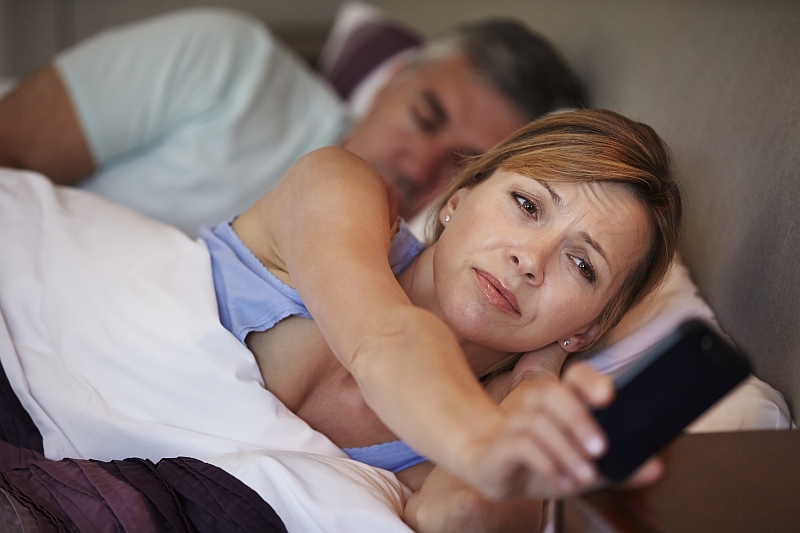
Woman lying awake in bed looking worried after a poor night's sleep while her partner sleeps beside her

What Should You Tell Yourself After a Poor Night’s Sleep?

By Dr. Charles R. Freeman, Ph.D. What Should You Tell Yourself After a Poor Night’s Sleep? If you slept poorly last night, one of the worst things you can do is start the day with unrealistic expectations. Many people try to motivate themselves by saying, “I’m going to have an incredible day” or “I’m going to feel amazing today.” The problem is that your mind knows better. If you are tired, mentally foggy, or running low on energy, those statements often feel false. When your self-talk feels unrealistic, it can actually increase frustration, disappointment, and anxiety.  A more effective approach is to use what I call a sleep mantra. One of my favorite sleep mantras is: “Even though I slept poorly last night, I’m going to have an above-average day.” This statement is grounded in both Cognitive Behavioral Therapy (CBT) and Positive Psychology. It acknowledges reality without catastrophizing. You are not pretending you feel great. At the same time, you are refusing to assume that a poor night’s sleep will ruin your entire day. One of the biggest mistakes people with insomnia make is predicting disaster. They wake up tired and immediately begin telling themselves: “Today is going to be terrible.” “I won’t be able to function.” “I’ll never get through this meeting.” “I’m going to be miserable all day.” This type of negative prognostication often becomes a self-fulfilling prophecy. The mind becomes hyperfocused on fatigue, mistakes, and discomfort. Mood declines, stress increases, and performance often suffers. In my clinical experience, people tolerate sleep deprivation much better when they challenge these automatic thoughts and replace them with realistic optimism. The goal is not perfection. The goal is resilience. Insomnia is often the symptom rather than the root problem. When people learn practical cognitive skills, they frequently discover that they can function better than they expected, even after a difficult night. This approach is consistent with Cognitive Behavioral Therapy for Insomnia (CBT-I), which remains the gold-standard treatment for chronic insomnia. :contentReference[oaicite:0]{index=0} What I Often See in Practice I have worked with many individuals who initially believed a poor night’s sleep guaranteed a bad day. Once they learned to stop catastrophizing and began using more balanced self-talk, their anxiety decreased and their ability to cope improved significantly. Many discovered that they were far more resilient than they had assumed. This focus on practical tools and sustainable skills is central to my treatment approach. :contentReference[oaicite:1]{index=1} Key Takeaway If you sleep poorly, avoid both extremes: Don’t tell yourself the day will be terrible. Don’t tell yourself the day will be perfect. Instead, try this: “Even though I slept poorly last night, I’m going to have an above-average day.” That simple shift can reduce anxiety, improve coping, and help you move through the day with greater confidence and flexibility. About the Author Dr. Charles R. Freeman, Ph.D., is a psychologist specializing in insomnia, sleep disorders, PTSD, anxiety, trauma, and Cognitive Behavioral Therapy for Insomnia (CBT-I). He has more than 25 years of experience helping individuals improve sleep, emotional well-being, and overall quality of life through evidence-based treatment approaches. If you would like to learn more about treatment options or schedule a consultation, please contact Dr. Freeman. The information in this article is provided for educational purposes only and is not intended to replace professional medical or psychological advice. Individual circumstances vary, and readers should consult a qualified healthcare professional regarding their specific concerns.

What Should You Tell Yourself After a Poor Night’s Sleep? Read More »

Millions of Americans are prescribed benzodiazepines each year to manage sleep disorders and anxiety. However, emerging research indicates that the use of these medications, especially in the long term, is not without risks (Baldwin et al 2013). This post aims to provide you with updated information on benzodiazepines and equip you with the knowledge to make informed decisions about your mental health and well-being.

Understanding Benzodiazepines: Risks, Effects, and Alternatives by Dr. Charles R. Freeman Ph.D

Millions of Americans are prescribed benzodiazepines each year to manage sleep disorders and anxiety. However, emerging research indicates that the use of these medications, especially in the long term, is not without risks (Baldwin et al 2013). This post aims to provide you with updated information on benzodiazepines and equip you with the knowledge to make informed decisions about your mental health and well-being.

Understanding Benzodiazepines: Risks, Effects, and Alternatives by Dr. Charles R. Freeman Ph.D Read More »