

Effects of Sleep Deprivation: How Sleep Disorders Affect Health
By Dr. Charles R. Freeman, Ph.D.
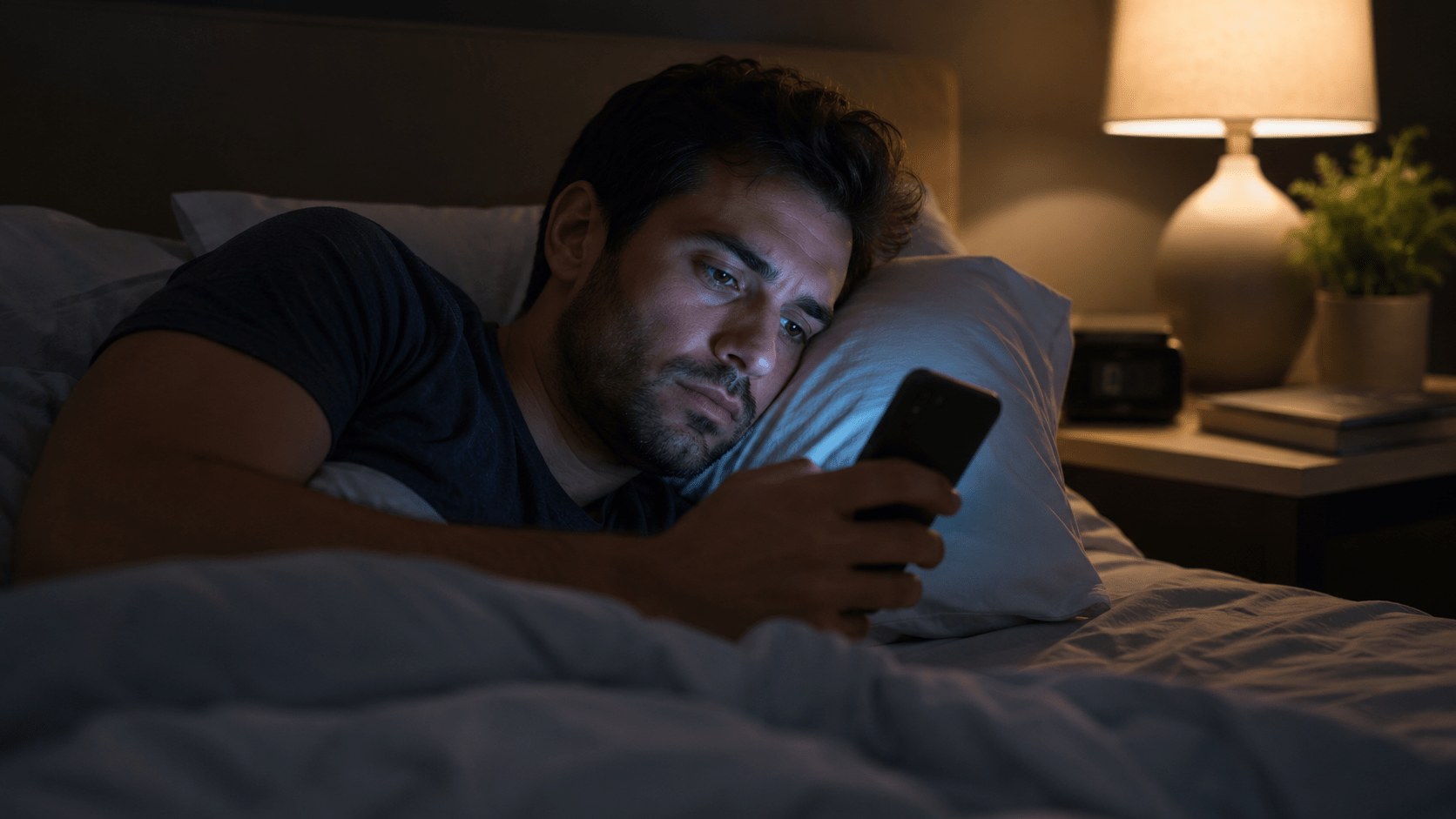
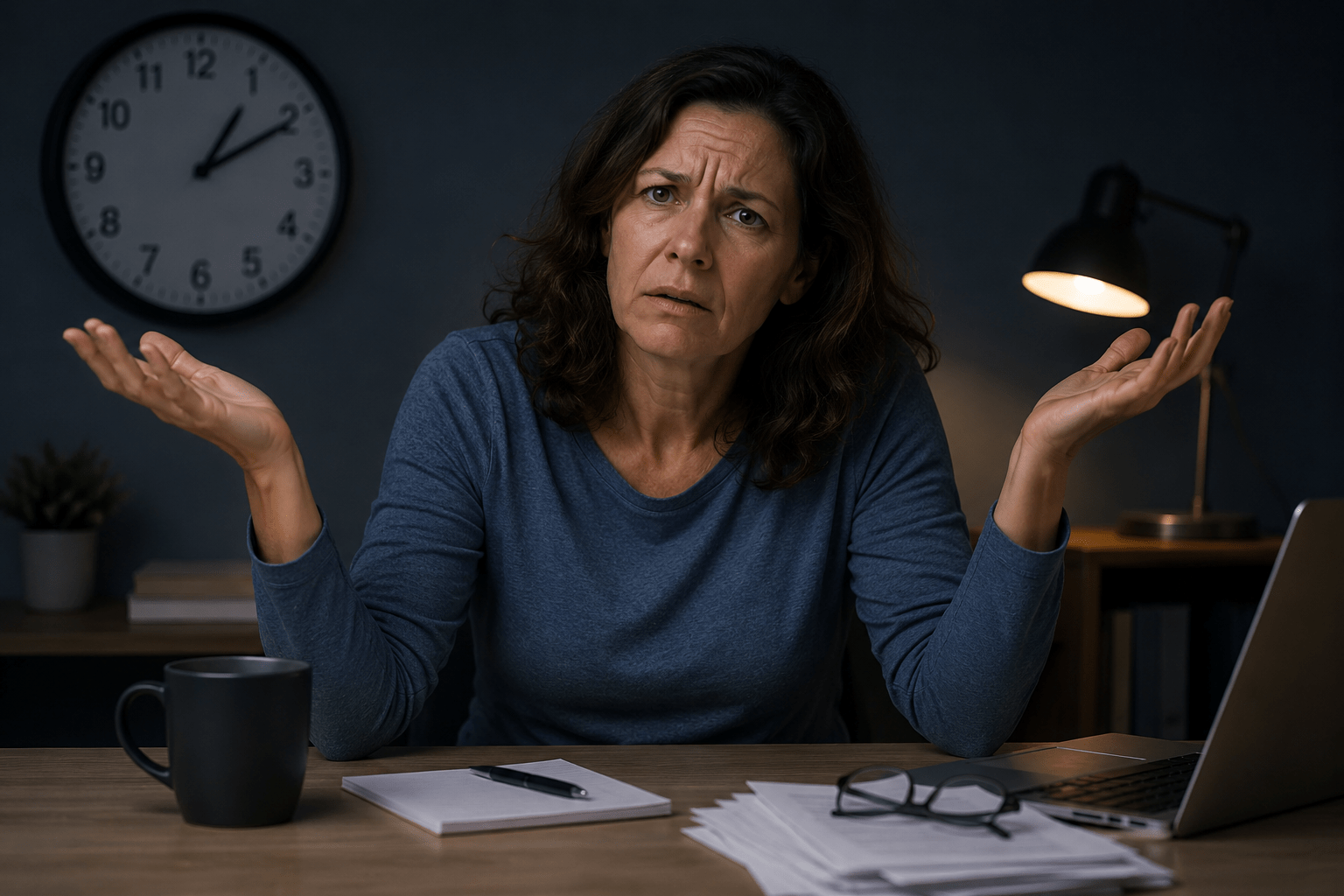
In my last post, I talked about the four main categories of sleep disorders. Let’s talk about the effects of sleep deprivation on your life. Sleep disorders can affect nearly every aspect of physical and mental health. The effects of sleep deprivation often begin with fatigue and difficulty concentrating, but ongoing sleep problems can contribute to serious health conditions over time. Understanding the effects of sleep deprivation can help people recognize when trouble sleeping has become a significant health concern and why early treatment matters.
Why Healthy Sleep Matters
Healthy sleep is essential for both the brain and the body. During sleep, the brain processes information, stores memories, regulates emotions, and prepares for the demands of the next day. A well-rested brain supports concentration, learning, decision-making, and emotional stability. The body also depends on sleep to maintain physical health. Sleep supports immune function, hormone regulation, metabolism, cardiovascular health, and tissue repair. When sleep is disrupted by insomnia, sleep apnea, circadian rhythm disorders, or other sleep disorders, these important processes may not function as effectively. Many people underestimate the importance of sleep until they begin experiencing sleep problems themselves. Sleep is not simply a period of rest. Sleep is an active biological process that supports overall health and well-being.
Short-Term Effects of Sleep Deprivation
The short-term effects of sleep deprivation can appear after only a few nights of poor sleep. Many people experience fatigue, irritability, difficulty concentrating, forgetfulness, slower reaction times, and reduced productivity. Tasks that normally feel simple may suddenly require much more effort and attention. Sleep deprivation can also affect emotional functioning. People who are sleep deprived often report increased stress, frustration, anxiety, and mood swings. Small problems may feel overwhelming when the brain is not receiving adequate rest. The effects of sleep deprivation can also create safety concerns. Reduced alertness and impaired judgment increase the risk of workplace accidents, household injuries, and motor vehicle crashes. Research has shown that severe sleep deprivation can impair performance in ways that resemble alcohol intoxication.
Long-Term Effects of Sleep Deprivation
The long-term effects of sleep deprivation can be even more serious. Chronic sleep deficiency places ongoing stress on the body and has been linked to a variety of medical and psychological conditions. Research suggests that chronic sleep deprivation may increase the risk of obesity, high blood pressure, heart disease, stroke, type 2 diabetes, and weakened immune function. Sleep deprivation consequences may also include increased inflammation throughout the body, which has been associated with many chronic health conditions. Sleep disorders and chronic sleep deficiency can also affect hormone regulation. Disrupted sleep may influence hormones that control hunger, appetite, metabolism, and stress responses. These changes can make it more difficult to maintain a healthy weight and support overall wellness. The lack of sleep effects often develop gradually, making them easy to overlook. Many people adapt to feeling tired and assume their symptoms are normal, even when chronic sleep deprivation is affecting their health.
Sleep Disorders and Mental Health
The connection between sleep and mental health is strong. Sleep disorders frequently occur alongside anxiety, depression, post-traumatic stress disorder, and other psychological conditions. At the same time, poor sleep can worsen the symptoms of these conditions. Many people become trapped in a cycle where emotional distress interferes with sleep and sleep deprivation increases emotional distress. Anxiety can make it difficult to fall asleep, while chronic insomnia can increase anxiety about sleep itself. Mental health and sleep deprivation influence one another in powerful ways. Research has shown that people who experience ongoing sleep problems are more likely to report symptoms of depression, anxiety, irritability, and emotional instability. Sleep disturbances can also reduce resilience and make it harder to cope with everyday stress.
How Sleep Disorders Affect Daily Life
Sleep disorders affect more than physical and mental health. They can also influence relationships, work performance, academic success, and overall quality of life. People who struggle with sleep disorders often report reduced motivation, lower productivity, and difficulty maintaining focus throughout the day. Sleep deprivation can affect memory, problem-solving abilities, and decision-making skills. These difficulties may create challenges at work, school, and home. Relationships may also suffer when sleep problems persist. Chronic fatigue, irritability, and emotional exhaustion can affect communication and reduce patience with family members, friends, and coworkers. Many individuals withdraw from activities they once enjoyed because they lack the energy to participate fully.
Treatment Can Improve Sleep and Health
The good news is that effective treatment options are available for many sleep disorders. Treatment depends on the specific diagnosis and underlying causes of the sleep problem. Many individuals benefit from Cognitive Behavioral Therapy for Insomnia (CBT-I), which is considered the gold standard treatment for chronic insomnia. Other treatment approaches may include sleep hygiene education, behavioral sleep medicine interventions, medical treatment, or strategies that address underlying mental health concerns. Addressing sleep problems early can reduce the effects of sleep deprivation and improve both physical and mental health. Better sleep often leads to improved concentration, greater emotional stability, increased energy, and a higher quality of life.
Sleep Disorders Should Not Be Ignored
Many people assume that poor sleep is simply part of modern life. In reality, persistent sleep problems deserve attention. Sleep disorders are medical and psychological conditions that can affect nearly every aspect of health and functioning. The effects of sleep deprivation can accumulate over time and contribute to serious physical and mental health consequences. Seeking professional help for ongoing sleep difficulties may be one of the most important steps you can take to protect your long-term health, improve daily functioning, and enhance your overall quality of life.
About the Author
 Dr. Charles R. Freeman, Ph.D., is a psychologist specializing in insomnia, sleep disorders, PTSD, anxiety, trauma, and Cognitive Behavioral Therapy for Insomnia (CBT-I). He has more than 25 years of experience helping individuals improve sleep, emotional well-being, and overall quality of life through evidence-based treatment approaches. If you would like to learn more about treatment options or schedule a consultation, please contact Dr. Freeman.
The information in this article is provided for educational purposes only and is not intended to replace professional medical or psychological advice. Individual circumstances vary, and readers should consult a qualified healthcare professional regarding their specific concerns.
4 Responses
(I Got rid of Hsv), I am happy…Herpes is not a life sentence………………………………………
(I Got rid of Hsv), I am happy…Herpes is not a life sentence………………………………………
Arthritis 🌿
Diabetes🌿
Hypertension 🌿
Shingles 🌿
Stroke 🌿
Obesity 🌿
Infertility/Impotency 🌿
Hiv 🌿
Eye Problem 🌿
Fibroid Tumor 🌿
Cold Sore 🌿
HPV 🌿
Hepatitis 🌿
Enlarge Prostate 🌿
Erectile Dysfunction 🌿
[Please Approve comment],,,,,,,,,,,
I am happy,, 🥰
(I Got rid of Hsv),…
[Please Approve comment],,,,,,,,,
I am happy,, 🥰
(I Got rid of Hsv),…