

Four Common Treatments for Sleep Disorders
By Dr. Charles R. Freeman, Ph.D.
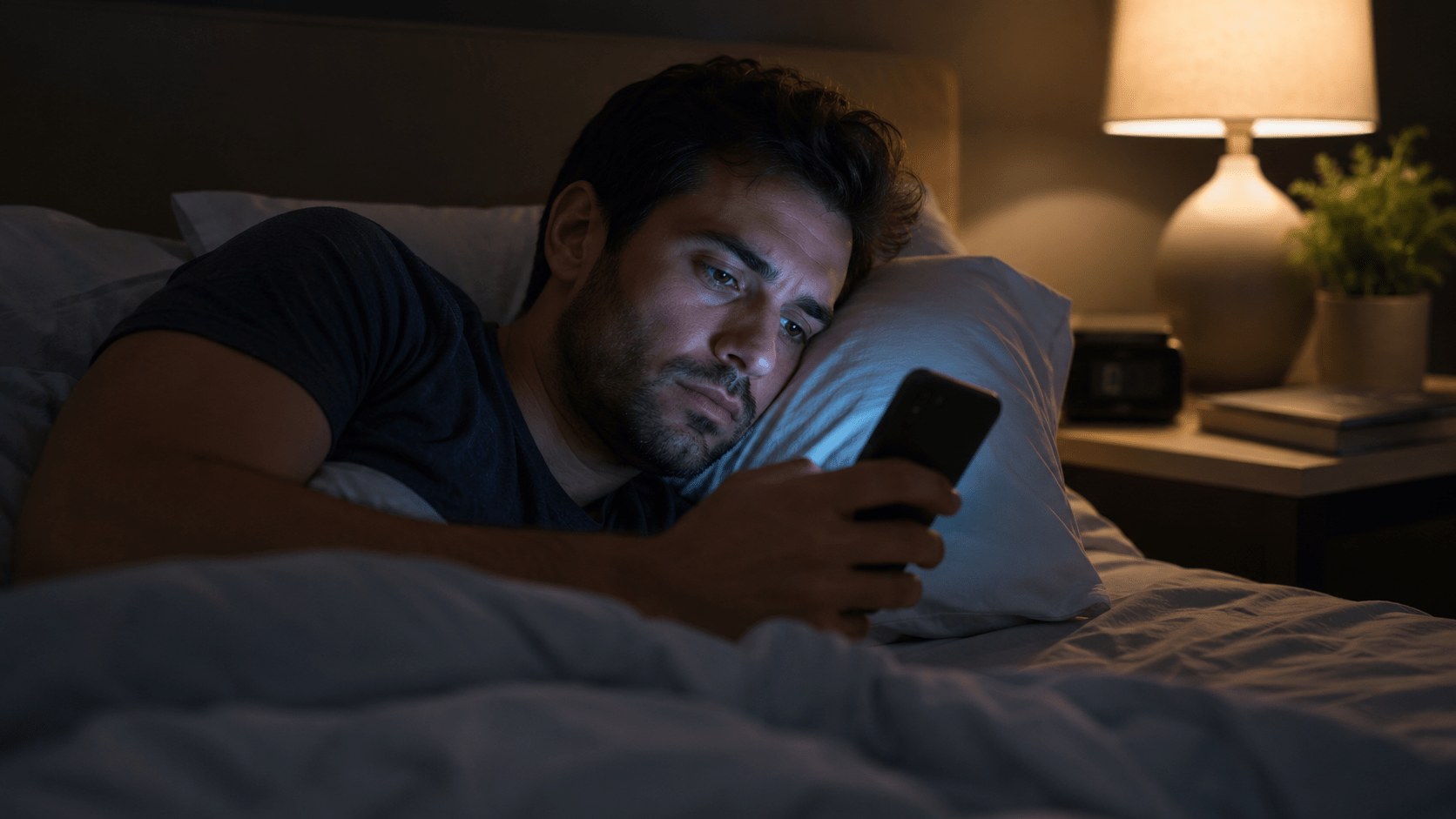
There are four treatments for sleep disorder that can help people improve sleep quality, daytime functioning, and overall health. These common treatments include sleep hygiene, Cognitive Behavioral Therapy (CBT), medication, and holistic approaches. Many individuals benefit from using more than one treatment approach at the same time. Understanding the available sleep disorder treatments can help you choose the most effective path toward better sleep.
Sleep Hygiene for Better Sleep
Sleep hygiene is defined as the various practices put into place to support healthy, quality nighttime sleep and full daytime alertness (National Sleep Foundation). It includes habits such as avoiding napping; decreasing or eliminating stimulants such as caffeine, nicotine, or alcohol; getting enough exercise; establishing a bedtime routine; and arranging the bedroom for optimal sleep (e.g., decreasing the temperature, eliminating unnecessary light, and removing technology devices). It can also include such practices as avoiding clock watching when in bed, exposing yourself to bright light or sunlight after waking, refraining from large meals before bedtime, and keeping a regular wake and bedtime schedule. While sleep hygiene can help the average person address general sleep difficulties, it alone is not sufficient to overpower the symptoms of major sleep disorders. With true sleep disorders, a combination of multiple treatment approaches earns the most effective results.
Cognitive Behavioral Therapy (CBT)
Cognitive Behavioral Therapy (CBT) looks at the relationships between your mind, body, emotions, behaviors, and illness. CBT is considered the gold standard of therapeutic care for treatment of sleep disorders such as insomnia. This therapeutic approach can help you make behavioral changes to improve sleep hygiene, while also changing thought patterns to decrease the catastrophic thinking, anger, frustration, or hopelessness that is common if you are struggling with sleep disorders. Therapeutic tools like sleep journals, cognitive restructuring, guided imagery, and hypnosis can help you gain objectivity about your sleep and grow out of the destructive narrative that leads to anger and worry.
Medication Treatment for Sleep Disorders
While some research argues that medications are not the most effective form of treatment, medications such as sedative-hypnotics are commonly used to treat sleep disorders. While they do increase your overall quantity of sleep, they do not always increase the quality of sleep. These medications can impact your brain chemistry and often leave you feeling groggy, foggy, unclear, and drained of energy, even after a full night’s sleep. They can also, over time, increase mortality risks. That being said, sedative-hypnotics may be helpful as a short-term treatment for sleep disorders, but therapeutic and holistic approaches to treatment are much more effective and safer.
Holistic Treatments for Sleep Disorders
There are several holistic treatments that can help you decrease or eliminate sleep disorders. For example, you can learn to use self-hypnosis or meditation at bedtime, which can not only help decrease your worry and anxiety, but also work to relax the sympathetic nervous system and increase your probability of falling asleep. Similarly, activities like regular exercise, acupuncture, and massage can also have positively impact on your body and mental state; decreasing symptoms of sleep disorders and resulting in greater sleep quality.
About the Author
 Dr. Charles R. Freeman, Ph.D., is a psychologist specializing in insomnia, sleep disorders, PTSD, anxiety, trauma, and Cognitive Behavioral Therapy for Insomnia (CBT-I). He has more than 25 years of experience helping individuals improve sleep, emotional well-being, and overall quality of life through evidence-based treatment approaches. If you would like to learn more about treatment options or schedule a consultation, please contact Dr. Freeman.
The information in this article is provided for educational purposes only and is not intended to replace professional medical or psychological advice. Individual circumstances vary, and readers should consult a qualified healthcare professional regarding their specific concerns.

One Response
Hello I left you a message on your message system regarding a friend of mine who was diagnosed a number of years ago with narcolepsy. Now 36 years old, she says that she started having symptoms of narcolepsy when she was around 22 years old and this symptoms have been becoming more severe or aggravated since then. She had been through a sleep study in Dallas and now is on GHB mixture. She advises that it doesn’t work for her and actually has the opposite effect. So I’m wondering if we could have a consultation with you in person to discuss your experience with narcolepsy and if there are other holistic and CTB approaches that could be employed here. Call me anytime on my US Cell which is 619-665-5391. This is Gary