

What Is EMDR Therapy?
By Dr. Charles R. Freeman, Ph.D.
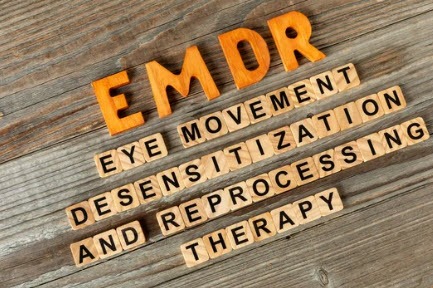
EMDR therapy, or Eye Movement Desensitization and Reprocessing, is a structured trauma-focused therapy that helps people process distressing memories so the nervous system no longer reacts as strongly or automatically. EMDR does not erase the past. The goal is to reduce the emotional charge, body reaction, and negative beliefs connected to what happened.
Many people seek EMDR because they are tired of being told to “just move on” when their body clearly has not moved on. They may understand what happened intellectually, but still feel panic, shame, anger, nightmares, insomnia, body tension, or hypervigilance. That is one of the central problems in trauma treatment: insight alone does not always change the nervous system.
EMDR can be useful when a person remains stuck in a trauma response even when life is safer now. The body may be safe now, but the nervous system may still be operating under old orders. EMDR is one way to help the brain and body update those orders.
How Does EMDR Therapy Work?
EMDR therapy helps a person briefly focus on a distressing memory while also using bilateral stimulation. Bilateral stimulation usually involves guided eye movements, alternating taps, or sounds that move from one side to the other. The exact method depends on the clinician, the patient, and what feels clinically appropriate.
The basic idea is that trauma can get stored in a way that remains emotionally and physically active. A memory may not feel like something that happened years ago. It may feel present. The person may know they are safe, but their body reacts as if danger is still happening.
In EMDR, the patient does not simply tell the story over and over. Instead, the treatment helps the brain reprocess the memory. The person may still remember what happened, but the memory becomes less controlling. The body does not have to keep sounding the alarm every time something reminds the person of the past.
What Problems Can EMDR Help Treat?
EMDR is best known for treating PTSD and trauma-related symptoms. It may also be used for anxiety, panic, grief, disturbing memories, nightmares, phobias, and other problems connected to unresolved experiences. The treatment plan should always be individualized.
Trauma does not always announce itself as a flashback. It may appear as early-morning waking, anger, body tension, emotional withdrawal, shame, guilt, panic, nightmares, or an inability to stand down. Some patients keep functioning at work, parenting, leading, or caring for others while privately carrying serious psychological distress. Functioning is not the same as being well.
This matters because many people delay trauma treatment. They think, “I can still work, so I must not be that impaired.” In my clinical experience, people can be employed, respected, dependable, and still be suffering. Work competence can hide insomnia, PTSD symptoms, panic, chronic guilt, depression, and emotional exhaustion.
Why Does Trauma Stay Active in the Body?
Trauma is not only a memory. It can become a nervous-system pattern. The mind may try to move forward while the body remains prepared for danger. This can show up through fight, flight, freeze, irritability, startle responses, sleep disruption, muscle tension, gastrointestinal symptoms, avoidance, or emotional shutdown.
The body often keeps score at night when the person keeps control all day. Many trauma survivors stay busy, productive, and responsible during the day. Then at night, when there is less distraction, the mind and body begin to rehearse what has not been fully processed.
That is why trauma treatment often needs more than talking about the past. Talking can help. Insight can help. But some patients also need structured processing, grounding, nervous-system regulation, and skill development. EMDR is not magic. It is a clinical method that works best when the patient feels prepared, supported, and paced appropriately.
What Happens During EMDR Therapy?
EMDR therapy is typically organized into phases. Before trauma processing begins, the clinician gathers history, identifies treatment targets, builds stabilization skills, and helps the patient prepare. This preparation matters. Trauma-focused work needs pacing. EMDR and related interventions can produce strong emotional and physical reactions, and patients benefit when treatment includes stabilization, grounding, and recovery after processing.
During processing, the patient may bring a specific memory, image, belief, emotion, or body sensation into awareness while following bilateral stimulation. The clinician guides the process and checks in regularly. The patient does not have to describe every detail out loud for EMDR to be meaningful.
After processing, the clinician helps the patient return to the present, notice changes, and strengthen a more adaptive belief. A patient may begin with a belief such as “I am powerless,” “It was my fault,” or “I am not safe.” Over time, the work may help the nervous system move toward something more accurate and less punishing, such as “I survived,” “I have choices now,” or “I am safe in the present.”
Does EMDR Erase Traumatic Memories?
No. EMDR does not erase memory, and that should not be the goal. A person’s history does not disappear. What can change is the intensity of the reaction.
Trauma recovery can reduce the intensity of memory without removing the memory itself. Patients may still remember what happened, but the nervous system no longer reacts as strongly or as automatically. That is a major clinical gain. The memory becomes part of the person’s history rather than something that keeps running the day, the night, the body, and the relationships.
Recovery is not the absence of symptoms. Recovery is a stronger return to baseline. A patient may still have a hard day, a trigger, a dream, or an emotional reaction. The question is whether the symptom still takes over the whole system.
Can EMDR Help With Sleep, Nightmares, and Insomnia?
EMDR may help sleep indirectly when trauma is part of the sleep problem. Many people with trauma-related insomnia are not simply “bad sleepers.” Their nervous system is on guard. They may wake in panic, scan for danger, have nightmares, or feel unable to relax enough to sleep deeply.
Sleep disturbance can act as a symptom amplifier. Poor sleep worsens anxiety, irritability, pain tolerance, mood stability, concentration, decision-making, and relationship strain. Those problems then feed back into worse sleep. Good treatment looks for the loop, not only the loudest symptom.
When traumatic memories carry less emotional charge, nighttime vigilance, nightmares, and early-morning activation may decrease. For some patients, EMDR is combined with CBT-I, hypnosis, relaxation training, breathing, guided imagery, and practical behavioral sleep strategies. CBT-I remains the gold standard for chronic insomnia, and EMDR may be especially useful when trauma is one of the engines driving the insomnia.
Is EMDR the Same as Talk Therapy?
No. EMDR is psychotherapy, but it is not the same as traditional talk therapy. Traditional therapy often focuses on discussion, insight, interpretation, emotional expression, and behavior change. EMDR includes conversation, but it also uses structured memory processing and bilateral stimulation.
This can be helpful for patients who have already talked about the trauma but still feel stuck. Some people say, “I understand why I am this way, but my body still reacts.” That statement is clinically important. The person may not need more self-blame. They may need treatment that helps the nervous system process what it could not fully process at the time.
EMDR should still be collaborative. The patient is not a passive recipient. The clinician should explain the process, answer questions, monitor distress, and adjust the pace. Good trauma treatment is not about flooding the patient. It is about helping the patient process difficult material while maintaining enough stability to recover.
Who Is a Good Candidate for EMDR?
A good candidate for EMDR is someone who has distressing memories, trauma symptoms, anxiety, nightmares, panic, body reactions, or negative beliefs that appear connected to past experiences. The person does not need to have combat trauma or one obvious catastrophic event. Trauma-related symptoms can also come from repeated exposure to threat, childhood instability, chronic emotional invalidation, moral injury, prolonged responsibility for others, or relationship-based harm.
Some patients need preparation before EMDR begins. If a person is actively unstable, using substances heavily, dissociating frequently, unsafe, or unable to regulate after emotional activation, the first step may be stabilization rather than trauma processing. That is not failure. That is good clinical judgment.
Patients often recover better when they learn self-regulation skills first. Breathing, imagery, grounding, journaling, pacing, and cognitive reframing can help the patient rely less on emergency fixes. Confidence in self-regulation is a major treatment gain.
What I Often See in Practice
I often see patients who have carried trauma for years while continuing to function. They work, lead, parent, serve, solve problems, and show up for other people. Internally, they may be managing sleep deprivation, survivor guilt, shame, anger, panic, moral rumination, or emotional withdrawal.
Many patients are relieved when they learn that symptoms are not character flaws. Insomnia, panic, nightmares, anger, and emotional shutdown become more treatable when patients see them as learned nervous-system responses rather than evidence that something is wrong with who they are.
I also see how emotional suppression keeps symptoms alive. Patients may present as calm, capable, or stable while anger, shame, grief, resentment, guilt, and fear continue driving anxiety and sleep disruption. EMDR can be one part of helping the person stop carrying the past in the body every day.
The work is directive, collaborative, and practical. I am not interested in keeping people stuck in therapy for years if they can learn tools and make sustainable progress sooner. My goal is to help patients understand the pattern, build skills, process the underlying trauma when appropriate, and improve quality of life.
Key Takeaways
- EMDR stands for Eye Movement Desensitization and Reprocessing.
- EMDR helps the brain and nervous system process traumatic or distressing memories.
- The goal is not to erase the memory, but to reduce the emotional and physical charge attached to it.
- Trauma can show up as nightmares, insomnia, anxiety, panic, anger, body tension, shame, or emotional shutdown.
- EMDR should be paced carefully and include stabilization, grounding, and recovery after processing.
- EMDR may be especially helpful when trauma, PTSD, or unresolved memories are contributing to anxiety or sleep problems.
Frequently Asked Questions
What does EMDR stand for?
EMDR stands for Eye Movement Desensitization and Reprocessing. It is a structured psychotherapy approach used to help people process traumatic or distressing memories.
Do I have to talk about every detail of my trauma?
Not always. EMDR does involve focusing on traumatic material, but patients often do not need to describe every detail out loud. The clinician should explain the process and help pace the work safely.
Can EMDR help PTSD?
Yes. EMDR is widely used as a trauma-focused treatment for PTSD. It helps patients process traumatic memories so the memories become less emotionally and physically activating.
Can EMDR help insomnia or nightmares?
EMDR may help sleep when trauma is contributing to insomnia, nightmares, hypervigilance, or early-morning activation. It may be combined with CBT-I and other behavioral sleep strategies.
Is EMDR safe?
EMDR can be safe and effective when provided by a properly trained clinician who uses appropriate pacing, stabilization, and grounding. Some patients need preparation before trauma processing begins.
Conclusion
EMDR therapy is not about pretending the past did not happen. It is about helping the nervous system recognize that the past is no longer happening now. That distinction can change sleep, anxiety, mood, relationships, and the person’s confidence in their own body.
Many patients come to treatment believing they should have been able to “get over it” by now. I do not find that attitude useful. Trauma is not weakness. It is a nervous-system injury that can be treated. When patients stop interpreting symptoms as personal failure, they often become more open to the skills and processing that actually help.
For people struggling with PTSD, trauma-related anxiety, nightmares, insomnia, or body-based fear responses, EMDR may be an important part of treatment. The goal is sustainable change: less reactivity, stronger self-regulation, better sleep, and a life that is no longer organized around avoiding the past.
About the Author
 Dr. Charles R. Freeman, Ph.D., is a psychologist specializing in insomnia, sleep disorders, PTSD, anxiety, trauma, and Cognitive Behavioral Therapy for Insomnia (CBT-I). He has more than 25 years of experience helping individuals improve sleep, emotional well-being, and overall quality of life through evidence-based treatment approaches.
If you would like to learn more about treatment options or schedule a consultation, please contact Dr. Freeman.
The information in this article is provided for educational purposes only and is not intended to replace professional medical or psychological advice. Individual circumstances vary, and readers should consult a qualified healthcare professional regarding their specific concerns.
Image SEO Information
Image Title: What Is EMDR Therapy?
Image Alt Text: A calm therapy office scene with a psychologist explaining EMDR therapy to an adult patient in a warm professional setting.
Image File Name: what-is-emdr-therapy.jpg
Image Generation Prompt: Create a realistic, professional, high-resolution 16:9 website hero image for a behavioral health article titled What Is EMDR Therapy. Show a warm, calm therapy office with natural light. A compassionate psychologist sits across from an adult patient in a grounded conversation. The image should suggest trauma recovery, safety, and emotional regulation without showing exaggerated distress. Use authentic human emotion, soft neutral colors, and a professional clinical atmosphere. Avoid cartoons, generic AI artwork, glowing brains, floating pills, fantasy imagery, staged corporate stock photos, and exaggerated medical imagery.