What Is Sleep Hypnosis?
By Dr. Charles R. Freeman, Ph.D.
Sleep hypnosis is a focused, guided therapeutic process that helps the mind and body move out of alertness and toward a calmer state that is more compatible with sleep. It is not magic, mind control, or stage entertainment. In clinical practice, sleep hypnosis is best understood as one possible tool within behavioral sleep medicine, especially for people whose insomnia is connected to tension, worry, conditioned alertness, trauma, or an overactive nervous system.
Can sleep hypnosis help you sleep better? For some people, yes. It may help by reducing mental and physical arousal, giving the mind a structured path away from rumination, and helping the body experience bedtime as safer and calmer. Research on sleep-directed hypnosis suggests it may improve subjective sleep quality, although it should not be presented as a cure for insomnia or as a replacement for a full evaluation when sleep problems are chronic, complex, or trauma-related.
In my work as a behavioral medicine psychologist, I think of insomnia as the visible part of a larger picture. The sleep problem is often the symptom, not the whole condition. Below the surface may be anxiety, sleep anxiety, PTSD, chronic pain, grief, medication dependence, perfectionism, or years of frustration from trying to force sleep. Sleep hypnosis can be useful, but the real question is not simply, “Can hypnosis make me sleep?” The better question is, “What is keeping my mind and body too activated to sleep naturally?”
How Is Hypnosis Different From Sleep?
Hypnosis is not the same as sleep. During hypnosis, most people remain aware, able to hear the clinician, and able to choose whether to accept or reject suggestions. The body may become deeply relaxed, breathing may slow, and the mind may become more absorbed, but the person is not unconscious in the way many people imagine.
Natural sleep is a biological state with different stages. REM sleep, or dream sleep, helps the brain process emotion, link memories, and support creativity. Deep sleep, especially slow wave sleep, is one of the body’s most restorative states. Breathing and heart rate slow, muscles relax, and the body shifts energy toward repair. Deep sleep supports immune function, tissue recovery, hormonal balance, and next-day clarity.
Sleep hypnosis does not replace those stages. Rather, it may help some people move toward the conditions that allow sleep to occur. This distinction matters. The goal is not to create a trance and call that sleep. The goal is to reduce the arousal, fear, and mental effort that interfere with restorative sleep.
How Is Sleep Hypnosis Different From Stage Hypnosis?
Clinical hypnosis is very different from stage hypnosis. Stage hypnosis is designed for entertainment. It depends on performance, audience participation, and dramatic effect. Clinical hypnosis is a therapeutic method used to help with goals such as relaxation, pain management, anxiety reduction, habit change, emotional regulation, and sleep preparation.
In a clinical setting, you do not lose control. You are not being manipulated. You are not being made to do something against your will. In fact, successful hypnosis usually requires collaboration. The clinician guides attention, imagery, breathing, and suggestion. The patient participates actively by practicing the skill and allowing the nervous system to settle.
This is important for patients with trauma histories. Many trauma survivors already feel uneasy about losing control. Sleep hypnosis should be presented in a grounded, transparent way. The patient should know what is happening, why it is being used, and how it fits into the broader treatment plan.
What Happens During a Sleep Hypnosis Session?
A sleep hypnosis session usually begins with a brief discussion of your sleep pattern. I want to understand whether you have trouble falling asleep, staying asleep, waking too early, or waking exhausted despite spending enough time in bed. I also want to know what happens emotionally at bedtime. Do you start planning? Do you replay conversations? Do you worry about tomorrow? Do you become afraid that another bad night is coming?
From there, hypnosis may involve breathing, progressive relaxation, calming imagery, and carefully chosen suggestions. The language is usually practical and sleep-directed. A patient might be guided to notice the support of the chair, relax the muscles of the face and jaw, slow the breath, and allow the mind to shift from problem-solving into observation. The hypnotic work may include suggestions for safety, letting go of clock-watching, reducing the pressure to sleep, and trusting the body’s capacity to return to sleep after normal awakenings.
For some patients, hypnosis also includes self-hypnosis training. That is important because the purpose is not to make the patient dependent on the clinician’s voice. The purpose is to help the patient learn a repeatable skill. A good behavioral sleep medicine approach empowers patients to use tools between sessions, refine them, and eventually carry them for life.
Why May Sleep Hypnosis Help Some People With Insomnia?
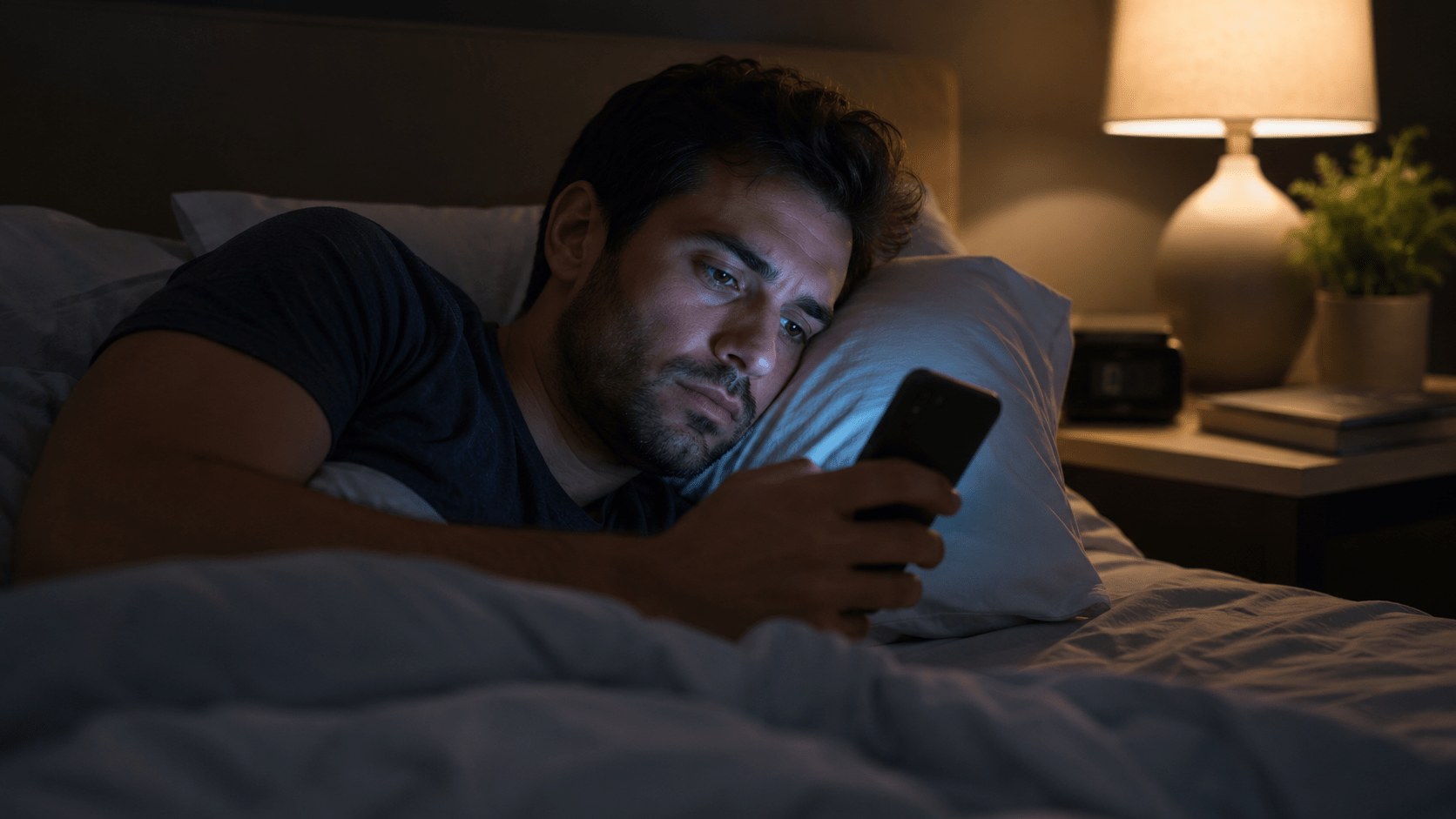
Insomnia often involves hyperarousal. That means the mind and body remain too activated for sleep. A person may be exhausted, but mentally alert. The body wants rest, but the nervous system keeps scanning, planning, remembering, or bracing. This is why many people say, “I am tired all day, but as soon as I get into bed my brain turns on.”
Ong and Sholtes described insomnia treatment through the lens of attention, awareness, and arousal. In practical terms, this means chronic insomnia is not only about sleep habits. It is also about how a person relates to wakefulness, worry, bodily sensations, and the effort to control sleep. Sleep hypnosis can be useful because it gives attention somewhere else to go. Instead of wrestling with the mind, the patient practices settling the mind.
The 2023 study by Friesen and colleagues found that sleep-directed hypnosis improved subjective sleep quality after exposure to analog trauma material, but it did not improve extinction memory or reduce analog PTSD symptoms. That is a responsible way to talk about the research: hypnosis may help some people feel they slept better, but we should not claim it cures trauma, PTSD, or chronic insomnia.
Ebben and Spielman reviewed several non-medication treatments for insomnia, including behavioral and cognitive approaches. Their work supports a point I make frequently with patients: medication may have a role, but long-term improvement usually requires skills. Sleep restriction, stimulus control, relaxation, cognitive work, and other behavioral strategies help patients change the patterns that keep insomnia going.
How Does Sleep Hypnosis Fit Within Behavioral Sleep Medicine?
Behavioral sleep medicine looks at the thoughts, behaviors, emotions, physiological arousal, and health patterns that affect sleep. It does not treat sleep as an isolated event that begins at bedtime. Sleep is influenced by the whole person.
In my clinical approach, I often think in terms of four foundations of health: exercise, nutrition, sound sleep, and meaning, purpose, or spirituality. When one of those foundations is unstable, the whole system becomes less stable. A person can have excellent nutrition, strong professional success, and supportive relationships, but if sleep is chronically poor, mood, concentration, pain tolerance, and emotional regulation often suffer.
Sleep hypnosis fits into behavioral sleep medicine as one possible relaxation-based and attention-shifting tool. It may be especially helpful when the patient’s nervous system responds well to guided imagery, breathing, and suggestion. It may also help patients who need a structured way to transition from daytime activation to nighttime rest.
At the same time, hypnosis is not the only tool. Some patients need Cognitive Behavioral Therapy for Insomnia, or CBT-I. Others need work on anxiety and insomnia, sleep anxiety, PTSD and sleep, or chronic pain and sleep. Different patients benefit from different tools, and good treatment should be individualized.
How Does Sleep Hypnosis Compare With CBT-I?
CBT-I is considered the gold standard treatment for chronic insomnia. It is structured, evidence-based, and focused on the patterns that maintain insomnia. CBT-I may include sleep scheduling, stimulus control, sleep restriction, cognitive restructuring, education about sleep, and strategies to reduce unhelpful safety behaviors such as excessive clock-checking or spending too much time in bed awake.
Sleep hypnosis is usually more focused on relaxation, suggestion, imagery, and shifting the nervous system out of activation. It may complement CBT-I, but it should not automatically replace it. For chronic insomnia, especially when the bed has become associated with frustration and wakefulness, CBT-I often provides the stronger treatment structure.
One way to think about it is this: CBT-I helps retrain the sleep system. Sleep hypnosis helps some patients calm the arousal system. Many people need both. Others need one more than the other. A patient who becomes more anxious when asked to restrict time in bed may first need education, reassurance, and relaxation skills. A patient who feels relaxed during hypnosis but still spends three hours awake in bed every night may need CBT-I principles to change the conditioned pattern.
When Is Sleep Hypnosis Helpful, and When Might Another Approach Be Better?
Sleep hypnosis may be helpful when insomnia is connected to bedtime tension, racing thoughts, stress, mild to moderate anxiety, difficulty winding down, or a learned pattern of alertness. It may also be useful for patients who respond well to imagery, guided relaxation, and self-hypnosis practice.
Another approach may be better when insomnia is severe, long-standing, or maintained by strong behavioral patterns. CBT-I is often more appropriate when a patient spends excessive time in bed awake, naps frequently, sleeps on an irregular schedule, or has developed significant fear of not sleeping. Trauma-focused therapy may be needed when nightmares, hypervigilance, intrusive memories, or PTSD symptoms drive the sleep problem. Medical evaluation is also important when there may be sleep apnea, restless legs, medication side effects, substance use, or pain conditions contributing to poor sleep.
Hypnosis is one possible tool, not a magic cure. The most effective treatment plan identifies the actual drivers of the sleep problem and then chooses the right tools for that patient.
What I Often See in Practice
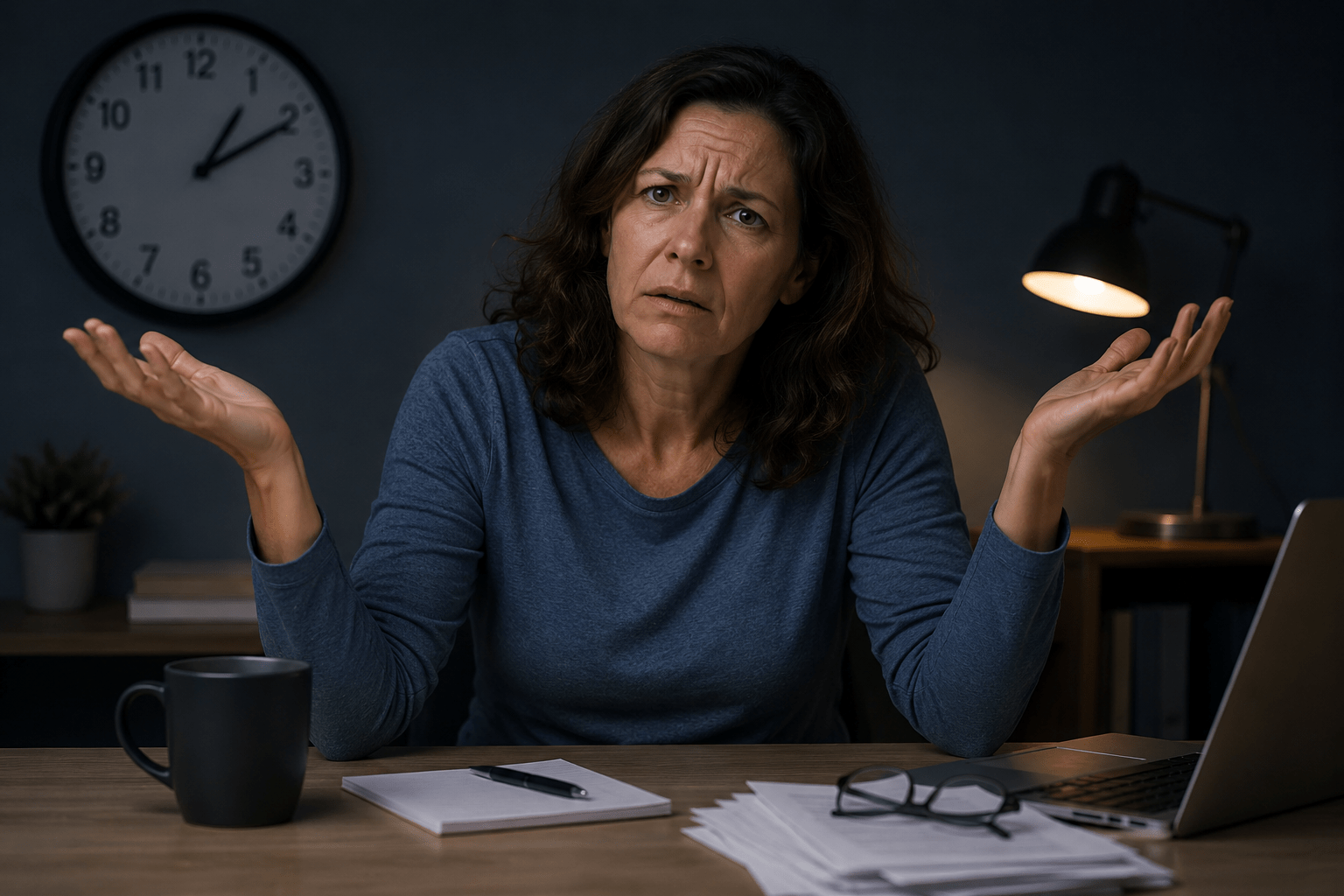
I often meet patients after years of poor sleep. By the time they call, they are frustrated, discouraged, and sometimes embarrassed. They have tried sleep hygiene, supplements, medications, meditation apps, alcohol, strict routines, and sheer willpower. Many have concluded, “My body just does not know how to sleep.”
Frequently, these patients are exhausted but mentally alert at bedtime. Their muscles may be tired, but their mind is still working. They review the day, prepare for tomorrow, replay conversations, monitor their body, and calculate how many hours are left before morning. The more important sleep becomes, the more pressure they put on it. That pressure itself becomes activating.
Another common pattern is sleep worry. A patient has one bad night, then starts fearing the next night. By evening, the nervous system is already preparing for failure. The person is not just dealing with insomnia anymore. They are dealing with anxiety about insomnia. This is where treatment often begins: helping the patient change the relationship with wakefulness so a difficult night does not become an emergency.
Some patients respond very well to relaxation-based approaches, including hypnosis, breathing, imagery, and self-hypnosis. Others need the more structured work of CBT-I. Many need a combination. My approach is directive and collaborative. We identify what is maintaining the problem, practice tools, review how they worked, fine-tune the plan, and keep building skills until improvement is sustainable.
Key Takeaways
- Sleep hypnosis is a guided therapeutic process that may help calm the mind and nervous system before sleep.
- Hypnosis is not the same as natural sleep, and it does not replace REM sleep or deep sleep.
- Clinical hypnosis is different from stage hypnosis and should be collaborative, respectful, and transparent.
- Sleep hypnosis may help some people with insomnia, especially when hyperarousal, worry, or tension are involved.
- CBT-I remains the gold standard for chronic insomnia, and hypnosis is best viewed as one tool within behavioral sleep medicine.
Frequently Asked Questions About Sleep Hypnosis
What is sleep hypnosis?
Sleep hypnosis is a guided therapeutic method that uses focused attention, relaxation, imagery, and suggestion to help the mind and body move toward a calmer state that supports sleep.
Can hypnosis help insomnia?
Hypnosis may help some people with insomnia, especially when sleep problems involve anxiety, tension, rumination, or difficulty winding down. It should not be viewed as a guaranteed cure.
Is sleep hypnosis the same as being asleep?
No. During hypnosis, most people remain aware and able to respond. Sleep is a separate biological process with stages such as REM sleep and deep sleep.
Is sleep hypnosis better than CBT-I?
Not usually. CBT-I is the gold standard for chronic insomnia. Sleep hypnosis may complement CBT-I, especially when relaxation and nervous-system calming are important parts of treatment.
Who should consider behavioral sleep medicine?
Behavioral sleep medicine may be appropriate when sleep problems are connected to anxiety, trauma, PTSD, chronic pain, medication concerns, sleep anxiety, stress, or long-standing patterns of conditioned wakefulness.
Conclusion
Sleep hypnosis can be a useful tool for some people who struggle with insomnia, but it works best when it is used thoughtfully. It should be part of a broader understanding of the patient’s sleep, nervous system, habits, emotional life, medical history, and stress patterns.
When patients ask, “What is sleep hypnosis, and can it help me sleep better?” my answer is practical. It may help, especially if your mind and body are stuck in alertness at bedtime. But lasting improvement usually comes from identifying and treating the deeper causes of the sleep problem. That may include CBT-I, trauma work, anxiety treatment, pain management strategies, relaxation training, and healthier daily foundations.
The goal is not to force sleep. The goal is to help the mind and body feel safe enough to allow sleep to return.
References
Ebben, M. R., & Spielman, A. J. (2009). Non-pharmacological treatments for insomnia. Journal of Behavioral Medicine, 32(3), 244–254. https://doi.org/10.1007/s10865-008-9198-8
Friesen, E., Sopp, M. R., Cordi, M. J., Rasch, B., & Michael, T. (2023). Sleep-Directed Hypnosis Improves Subjective Sleep Quality but not Extinction Memory After Exposure to Analog Trauma. Cognitive Therapy and Research, 47(2), 255–268. https://doi.org/10.1007/s10608-022-10345-6
Ong, J., & Sholtes, D. (2010). A Mindfulness-Based Approach to the treatment of Insomnia: Sleep Disturbances. Journal of Clinical Psychology, 66(11), 1175–1184
About the Author
 Dr. Charles R. Freeman, Ph.D., is a psychologist specializing in insomnia, sleep disorders, PTSD, anxiety, trauma, and Cognitive Behavioral Therapy for Insomnia (CBT-I). He has more than 25 years of experience helping individuals improve sleep, emotional well-being, and overall quality of life through evidence-based treatment approaches. If you would like to learn more about treatment options or schedule a consultation, please contact Dr. Freeman.
The information in this article is provided for educational purposes only and is not intended to replace professional medical or psychological advice. Individual circumstances vary, and readers should consult a qualified healthcare professional regarding their specific concerns.