Why Can’t I Sleep When It’s Hot?
By Dr. Charles R. Freeman, Ph.D.
You may have trouble sleeping when it’s hot because your body needs to cool down in order to fall asleep and stay asleep. You may be asking yourself, “Why can’t I sleep when it’s hot?” When your sleeping environment is too warm, your brain and body have to work harder to regulate temperature. As a result, you may have difficulty falling asleep, wake up more often during the night, experience lighter sleep, and wake up feeling less rested. For people who already struggle with insomnia, anxiety, PTSD, or chronic stress, hot weather can make existing sleep problems even worse.
Introduction
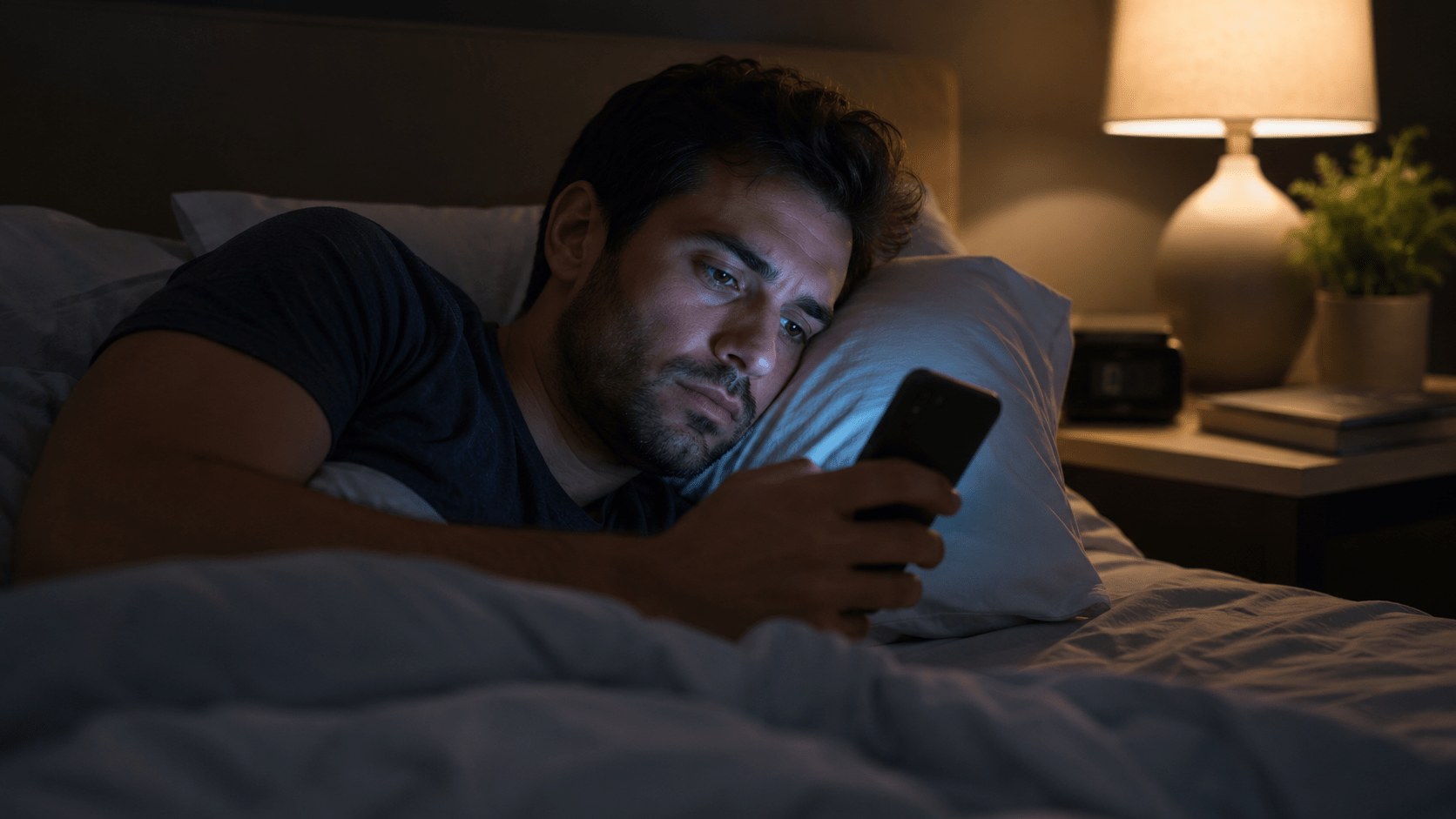
Many patients ask, “Why can’t I sleep when it’s hot?” The answer involves both biology and environment. Your body depends on a gradual drop in core temperature to initiate sleep. When the room remains too warm, that process becomes more difficult, making it harder to fall asleep and stay asleep. Every summer, I hear the same complaint from patients. “I was finally sleeping better, and then the heat wave arrived.” They describe lying in bed feeling exhausted but unable to get comfortable. They toss and turn. They throw off the covers and then pull them back on. They wake up repeatedly during the night and feel frustrated that sleep seems impossible. Many people assume this is simply an inconvenience. In reality, temperature plays a significant role in sleep quality. Sleep is not something the brain does in isolation. It is a whole-body process. Your nervous system, hormones, metabolism, and body temperature all work together to create healthy sleep. When one of those systems is disrupted, sleep often suffers.
Why Can’t I Sleep When It’s Hot? Your Body Needs to Cool Down for Sleep
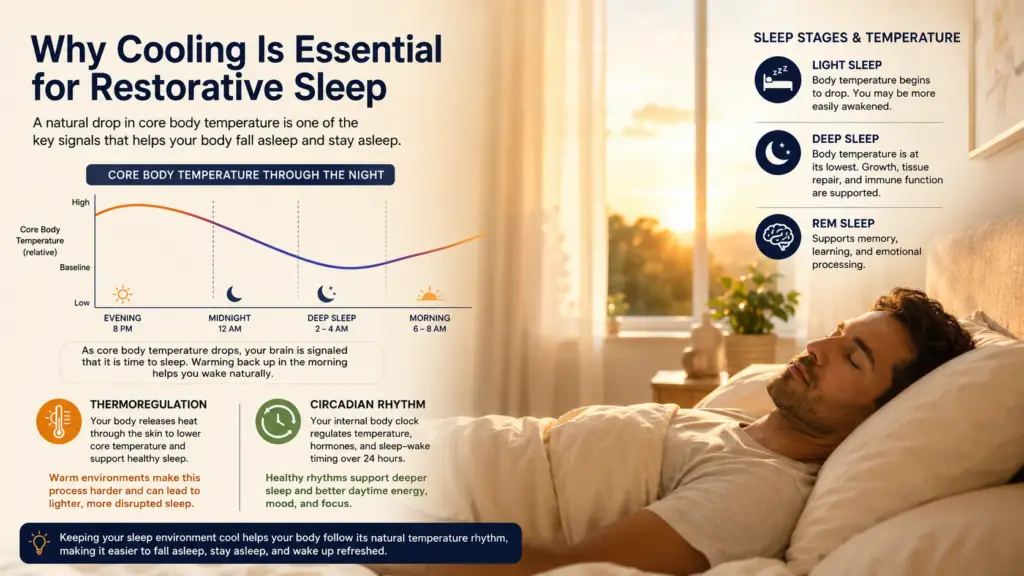
One of the normal biological changes that occurs before sleep is a gradual drop in core body temperature. Think of it as the body’s natural signal that it is time to rest. When your bedroom is excessively warm, that cooling process becomes more difficult. Your body continues trying to release heat while also attempting to fall asleep. The result can feel like your body and brain are working against each other. You may notice that you feel sleepy but not sleepy enough to actually drift off. Or you may fall asleep initially but wake up several times throughout the night because your body never fully settles into deeper, more restorative sleep. This is one reason many people report feeling like they slept all night but still wake up tired after a hot evening.
Why Can’t I Sleep When It’s Hot? Heat Creates Lighter Sleep
When temperatures rise, sleep often becomes more fragmented. Instead of moving smoothly through the normal stages of sleep, people may experience more interruptions and lighter sleep. Many patients describe this as feeling like they were “half awake” all night. They remember every noise. They become aware of every position change. They wake up feeling as though they were sleeping on the surface rather than getting deep, restorative rest. Research has found that higher temperatures can reduce overall sleep quality, shorten sleep duration, and increase lighter stages of sleep. People also report more difficulty falling asleep and less satisfaction with their sleep when temperatures become excessively warm. These effects become more noticeable as temperatures continue to rise.
Why Can’t I Sleep When It’s Hot If I Already Have Insomnia?
For someone who sleeps well most of the year, a few hot nights may simply be annoying. For someone with chronic insomnia, the impact can be much larger. One of the central themes of my clinical work is that insomnia is often the symptom rather than the root cause. Sleep difficulties may be connected to anxiety, trauma, PTSD, grief, depression, chronic pain, medical conditions, or stress. When sleep is already fragile, heat can become one more factor that pushes the nervous system toward wakefulness rather than rest.
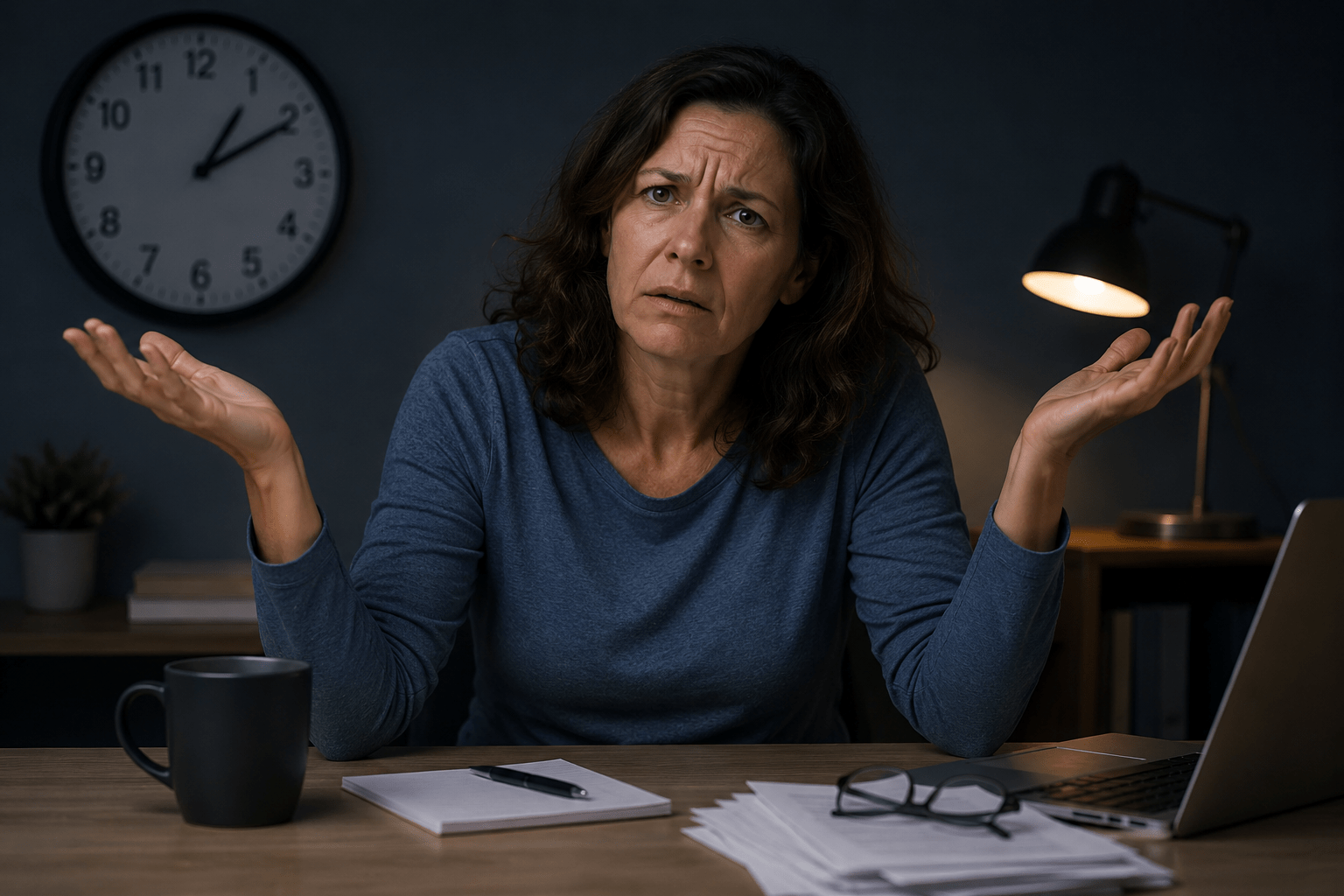
The person who already worries about sleep may become increasingly frustrated. They start checking the clock. They worry about tomorrow. They become anxious about not sleeping. Soon the heat is no longer the only problem. The anxiety about sleep has become part of the problem as well. This is how temporary sleep disruption can sometimes evolve into chronic insomnia.
Why Can’t I Sleep When It’s Hot If I Have PTSD or Anxiety?
People with PTSD or trauma histories often have a nervous system that remains more alert than average. Many already struggle with hypervigilance, nightmares, nighttime anxiety, or difficulty feeling safe enough to fully relax. Heat can increase physical discomfort and make it harder for the body to settle into a calm state. If someone is already waking from nightmares or experiencing heightened nighttime alertness, the additional stress of a hot environment may amplify those sleep disruptions. This is one reason I encourage patients to look beyond sleep itself and examine the entire picture. The temperature in the room matters, but so do stress levels, emotional health, trauma history, and overall nervous system regulation.
How to Sleep Better When It’s Hot
When patients tell me they cannot sleep because of the heat, they are often expecting a simple environmental solution. Sometimes that is enough. A cooler bedroom, lighter bedding, improved airflow, or adjustments to evening routines can make a meaningful difference. However, I frequently find that the heat is exposing a sleep system that was already vulnerable. A person may have been coping with anxiety for years. Another may have unresolved trauma. Someone else may have become conditioned to associate bedtime with frustration and wakefulness. The heat becomes the final straw rather than the entire cause.
That is why I often combine practical sleep strategies with treatments that address the underlying causes of insomnia. Cognitive Behavioral Therapy for Insomnia (CBT-I) remains the gold standard treatment for chronic insomnia. When trauma, PTSD, anxiety, or grief are involved, treatments such as CBT and EMDR can also play an important role. The goal is not simply surviving the next heat wave. The goal is creating a sleep system that remains resilient even when conditions are not perfect. If you are wondering how to sleep when it’s hot, several practical changes can help. Use lightweight bedding, improve airflow with fans, keep curtains closed during the day, avoid heavy meals before bed, and maintain a consistent sleep schedule. Many people also find that a cooler shower before bedtime helps lower body temperature and makes it easier to fall asleep.
Key Takeaways
- Your body needs to cool down in order to fall asleep and stay asleep.
- Hot environments can make sleep lighter, shorter, and less restorative.
- Excessive heat can increase nighttime awakenings and difficulty falling asleep.
- People with insomnia, anxiety, PTSD, and trauma histories may be especially sensitive to warm sleeping conditions.
- Chronic insomnia usually involves more than temperature alone.
- CBT-I remains the gold standard treatment for persistent insomnia.
Frequently Asked Questions
What temperature is best for sleeping?
Most people sleep best in a cool environment rather than a warm one. The ideal temperature varies from person to person, but cooler bedrooms generally support better sleep.
Can hot weather cause insomnia?
Hot weather can contribute to insomnia symptoms by making it harder to fall asleep, stay asleep, and achieve restorative sleep.
Why do I wake up more often when it’s hot?
Your body may struggle to regulate temperature throughout the night, leading to lighter sleep and more frequent awakenings.
Does heat affect anxiety at night?
It can. Physical discomfort often increases stress and frustration, particularly in people who are already prone to anxiety or insomnia.
Will improving my bedroom temperature cure insomnia?
Sometimes it helps significantly, but chronic insomnia often involves additional factors such as anxiety, trauma, stress, grief, or learned sleep habits that also need to be addressed.
Conclusion
If you cannot sleep when it’s hot, there is a real biological reason for it. Sleep depends on your body’s ability to cool itself and transition into a restorative state. When temperatures stay elevated, that process becomes more difficult. At the same time, heat is not always the entire story. Many people discover that hot weather exposes underlying sleep vulnerabilities that were already present. Anxiety, PTSD, chronic stress, grief, and learned insomnia patterns often contribute to the problem as well. When we address both the environment and the underlying causes of insomnia, sleep becomes more reliable, more restorative, and less dependent on perfect conditions. That is where lasting improvement begins.
References
- Why Sleeping Pills Sometimes Stop Working
- Paradoxical Insomnia (Sleep State Misperception): Symptoms, Causes, and Treatment
- Why Can’t I Fall Asleep at Night?
About the Author
 Dr. Charles R. Freeman, Ph.D., is a psychologist specializing in insomnia, sleep disorders, PTSD, anxiety, trauma, and Cognitive Behavioral Therapy for Insomnia (CBT-I). He has more than 25 years of experience helping individuals improve sleep, emotional well-being, and overall quality of life through evidence-based treatment approaches. If you would like to learn more about treatment options or schedule a consultation, please contact Dr. Freeman.
The information in this article is provided for educational purposes only and is not intended to replace professional medical or psychological advice. Individual circumstances vary, and readers should consult a qualified healthcare professional regarding their specific concerns.