
Paradoxical Insomnia (Sleep State Misperception): Symptoms, Causes, and Treatment
By Dr. Charles R. Freeman, Ph. D.
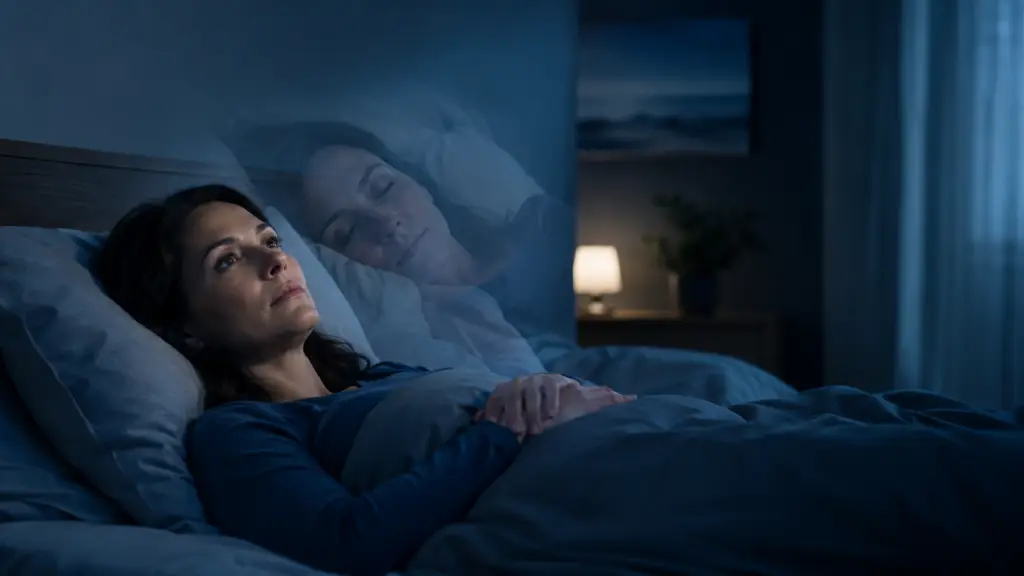
Many people wonder, what is paradoxical insomnia? Paradoxical insomnia, also known as sleep state misperception, sleep misperception, or subjective insomnia, is a sleep disorder in which people believe they are awake for much of the night even though they may actually be sleeping more than they realize. Many people with paradoxical insomnia feel convinced they are getting little or no sleep. They may report being awake for hours or even the entire night. However, sleep studies sometimes show that they are sleeping significantly more than they perceive. This disconnect between perceived sleep and actual sleep is what makes paradoxical insomnia unique. The experience is real. The frustration is real. The exhaustion is real.
The problem is not that someone is imagining their symptoms. The problem is that the brain has become unusually focused on monitoring sleep and wakefulness. As a behavioral medicine psychologist specializing in insomnia, I frequently work with individuals who have spent years trying to figure out why they feel awake all night. Many are relieved to discover that their body has not lost the ability to sleep. Instead, the issue often involves anxiety, hypervigilance, trauma, and distorted sleep perception.
Why Do I Feel Awake All Night Even When I Sleep?
This is one of the most common questions I hear. People often tell me: “I know I was awake all night.” Yet after carefully reviewing sleep patterns, sleep logs, or sleep studies, we sometimes discover that sleep occurred much more frequently than they realized. Why does this happen? The answer lies in how the brain processes attention and awareness. People with chronic insomnia often become highly focused on sleep. They monitor it, evaluate it, worry about it, and try to control it. Unfortunately, the more attention we direct toward sleep, the more difficult it becomes to accurately perceive it. The brain remembers periods of wakefulness extremely well. It often does not remember periods of light sleep.As a result, someone may feel awake for six or seven hours while actually sleeping intermittently throughout the night.
What Is the Difference Between Paradoxical Insomnia and Sleep State Misperception?
There is essentially no difference between paradoxical insomnia and sleep state misperception. Sleep state misperception is the older clinical term, while paradoxical insomnia is the more commonly used modern term. Both describe the same phenomenon in which a person perceives significantly less sleep than objective measurements indicate. You may also encounter terms such as sleep misperception, subjective insomnia, and subjective sleep complaints. These terms describe similar experiences involving distorted sleep perception.
What Causes Paradoxical Insomnia?
Paradoxical insomnia rarely develops from a single cause. Most people have several contributing factors.
Anxiety is one of the most common causes.
The anxious brain is designed to scan for problems. At bedtime, sleep itself can become the problem. People begin worrying about how long it will take to fall asleep, how they will function tomorrow, and whether they will ever sleep normally again. The more they worry, the more alert they become. The more they worry, the more alert they become.
Sleep Performance Anxiety
Many individuals develop anxiety specifically about sleep. They begin treating sleep like a performance task. Every night becomes a test. The harder they try to sleep, the more frustrated they become when sleep does not happen immediately. Ironically, trying harder often makes sleep more difficult.
Hypervigilance is a state of excessive alertness.
Some people become aware of every sound, movement, thought, and awakening during the night. The brain remains in monitoring mode rather than allowing sleep to unfold naturally. The brain remains in monitoring mode rather than allowing sleep to unfold naturally.
Trauma and PTSD
Trauma is one of the most overlooked causes of chronic insomnia. Many trauma survivors develop nervous systems that remain on alert even when no danger exists. This pattern is common among veterans, first responders, survivors of abuse, individuals with childhood trauma, and people who have experienced significant loss. Sleep requires a degree of surrender. Trauma teaches the brain to remain vigilant. Those two processes often conflict.
Chronic Stress
Long-term stress can keep the nervous system activated long after the stressful event has passed. Financial concerns, caregiving responsibilities, relationship difficulties, work stress, and health problems can all contribute to sleep misperception.
Learned Insomnia
One of the most important concepts in sleep psychology is conditioning. After enough nights of struggling with sleep, the bed itself can become associated with frustration and wakefulness. Instead of becoming a cue for sleep, it becomes a cue for alertness. This pattern often continues long after the original trigger has resolved.
What Are the Symptoms of Paradoxical Insomnia?
Paradoxical insomnia symptoms commonly include:
- Feeling awake most of the night
- Believing you sleep far less than you actually do
- Lying awake for hours
- Constantly checking the clock
- Anxiety about sleep
- Racing thoughts at bedtime
- Difficulty trusting your body’s ability to sleep
- Obsessive monitoring of sleep
- Frustration around bedtime
Many people also experience:
- Generalized anxiety
- PTSD
- Depression
- Perfectionism
- Chronic stress
Is Paradoxical Insomnia Dangerous?
Paradoxical insomnia is generally not dangerous in the same way that untreated sleep apnea can be dangerous. The condition can, however, have a significant impact on quality of life. Many people experience increased anxiety, irritability, difficulty concentrating, reduced confidence, depression, relationship strain, and reduced work performance. The longer the problem continues, the more people may begin fearing bedtime itself. Some become preoccupied with sleep and structure their entire lives around trying to sleep better. In many cases, the anxiety surrounding sleep becomes more impairing than the sleep problem itself.
How Is Paradoxical Insomnia Diagnosed?
Diagnosis typically involves a comprehensive evaluation. A sleep specialist may review sleep habits, sleep diaries, medical conditions, medications, mental health history, and sleep study results when appropriate. Sleep studies are not always necessary, but they can sometimes reveal that a person is obtaining considerably more sleep than they realize. For many patients, this information is surprisingly reassuring. It demonstrates that the sleep system is functioning better than they thought.
What Is the Best Treatment for Sleep State Misperception?
The most effective treatment for paradoxical insomnia is usually Cognitive Behavioral Therapy for Insomnia (CBT-I). CBT-I is considered the gold standard treatment for chronic insomnia because it addresses the thoughts, behaviors, and conditioning patterns that keep insomnia going.
CBT-I for Insomnia
CBT-I for insomnia helps patients reduce sleep anxiety, improve sleep efficiency, develop more realistic expectations about sleep, build confidence in their ability to sleep, and stop catastrophic thinking about sleep. Rather than providing temporary symptom relief, CBT-I teaches practical skills that continue working long after treatment ends
Stimulus Control
Stimulus control helps retrain the brain to associate the bed with sleep rather than frustration. The goal is to reverse the conditioning that often develops during chronic insomnia.
Sleep Restriction Therapy
Sleep restriction is one of the most powerful CBT-I techniques. It temporarily limits time in bed to strengthen the brain’s natural sleep drive. Although the name sounds counterintuitive, it is one of the most effective treatments available when implemented properly.
Reducing Sleep Monitoring
Many people with paradoxical insomnia constantly monitor their sleep. Treatment often focuses on reducing behaviors and thought patterns that keep attention fixed on sleep, such as clock watching, obsessive sleep tracking, sleep-related rumination, and performance anxiety about whether sleep will occur. The less people monitor and evaluate their sleep, the more naturally sleep tends to occur.
Trauma-Focused Treatment
When trauma contributes to insomnia, treatment may include EMDR and other trauma-informed approaches. Addressing the underlying trauma often reduces the hypervigilance that keeps the nervous system activated.
Can Sleeping Pills Help Paradoxical Insomnia?
Sleeping medications may provide temporary relief for some people. However, medications rarely address the underlying causes of sleep misperception. Many individuals become discouraged when medication initially helps but gradually becomes less effective. The reason is often simple. The anxiety, trauma, hypervigilance, or learned insomnia patterns remain unchanged. Lasting improvement typically comes from developing skills rather than relying exclusively on medication.
Does Paradoxical Insomnia Go Away?
Yes. Most people can improve significantly. One of the biggest turning points occurs when individuals stop treating sleep as a nightly battle. Sleep is not something we force. Sleep is something we allow. When anxiety decreases, hypervigilance decreases, and confidence increases, sleep often improves naturally. For many people, recovery involves learning to trust their body’s sleep system again.
What I Often See in Practice
Many patients come to my office convinced they are broken sleepers. Many patients have tried prescription medications, over-the-counter sleep aids, supplements, alcohol, sleep trackers, white noise machines, and online sleep programs.Most are exhausted and frustrated. What we of ten discover is that their body still knows how to sleep. The problem is that they have become trapped in a cycle of monitoring, worrying, and trying to force sleep. The more they fight sleep, the more elusive it becomes. As treatment progresses, they gradually stop viewing sleep as an enemy. They become less fearful of being awake. They stop monitoring every minute. And surprisingly often, that is when meaningful improvement begins.
Is Subjective Insomnia the Same as Paradoxical Insomnia?
In most cases, yes. Subjective insomnia is another term sometimes used to describe people who perceive significantly less sleep than objective measurements show. The terms are not always used interchangeably in every clinical setting, but they describe very similar experiences.
Key Takeaways
Paradoxical insomnia is also called sleep state misperception or sleep misperception. People with this condition often sleep more than they believe. Anxiety, PTSD, trauma, hypervigilance, and chronic stress commonly contribute to the problem. The condition is real and can significantly affect quality of life. CBT-I remains the gold standard treatment. In many cases, insomnia is the symptom rather than the root cause. Lasting improvement usually comes from addressing both sleep habits and underlying emotional factors
Frequently Asked Questions
What is paradoxical insomnia?
Paradoxical insomnia is a sleep disorder in which people believe they are sleeping much less than they actually are.
What is sleep state misperception?
Sleep state misperception is another name for paradoxical insomnia.
What causes paradoxical insomnia?
Common causes include anxiety, PTSD, trauma, hypervigilance, chronic stress, and learned insomnia patterns.
Is paradoxical insomnia dangerous?
It is generally not physically dangerous, but it can significantly affect mood, concentration, anxiety levels, and quality of life.
Does paradoxical insomnia go away?
Yes. Most people improve significantly with proper treatment.
What is the best treatment for sleep state misperception?
CBT-I is considered the most effective evidence-based treatment.
Can PTSD cause paradoxical insomnia?
Yes. Trauma frequently contributes to hypervigilance and sleep-related anxiety.
Is subjective insomnia the same as paradoxical insomnia?
In most cases, yes. Both terms describe a mismatch between perceived sleep and actual sleep.
Conclusion
Paradoxical insomnia can be one of the most frustrating sleep problems because it creates the feeling that sleep is not happening, even when it is. Many people spend years searching for the perfect medication, supplement, or sleep gadget without realizing that the real issue involves sleep perception, anxiety, hypervigilance, or unresolved trauma. The encouraging news is that paradoxical insomnia is highly treatable.
When people learn to reduce sleep anxiety, address underlying causes, and rebuild confidence in their body’s ability to sleep, they often discover that the problem is far more manageable than they once believed. The goal is not to force sleep. The goal is to create the conditions that allow sleep to happen naturally.
References
- Why Sleeping Pills Sometimes Stop Working
- Why Can’t I sleep at night?
- How Changing Your Behavior Changes Your Sleep
About the Author
 Dr. Charles R. Freeman, Ph.D., is a psychologist specializing in insomnia, sleep disorders, PTSD, anxiety, trauma, and Cognitive Behavioral Therapy for Insomnia (CBT-I). He has more than 25 years of experience helping individuals improve sleep, emotional well-being, and overall quality of life through evidence-based treatment approaches. If you would like to learn more about treatment options or schedule a consultation, please contact Dr. Freeman.
The information in this article is provided for educational purposes only and is not intended to replace professional medical or psychological advice. Individual circumstances vary, and readers should consult a qualified healthcare professional regarding their specific concerns.