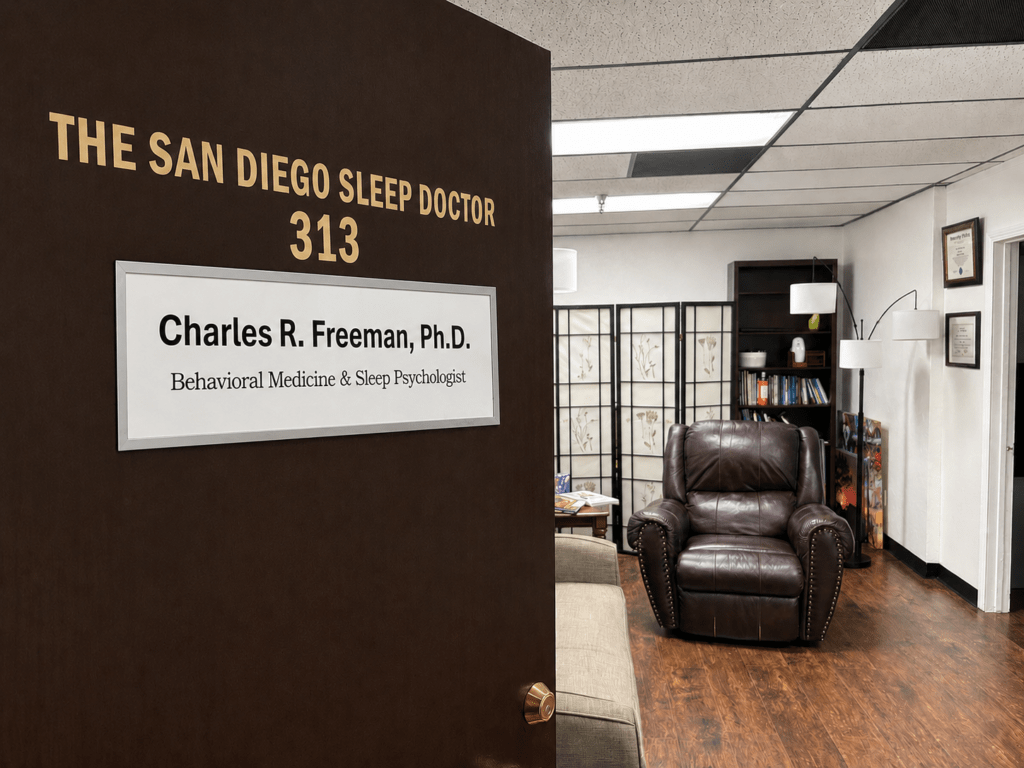
Finding a Sleep Therapist in San Diego
By Dr. Charles R. Freeman, Ph.D.
If you are looking for a sleep therapist in San Diego, Dr. Charles R. Freeman, Ph.D., is known as The San Diego Sleep Doctor for his extensive work treating chronic insomnia, nightmares, PTSD, trauma, anxiety, and sleep medication concerns. His office is centrally located in Mission Valley, making specialized insomnia treatment accessible for patients throughout San Diego.
Many people with insomnia have already tried the obvious suggestions. They have darkened the room, stopped caffeine, changed mattresses, bought supplements, used sleep apps, and tried medication. Those steps may help some people, but chronic insomnia often needs more than general sleep advice.
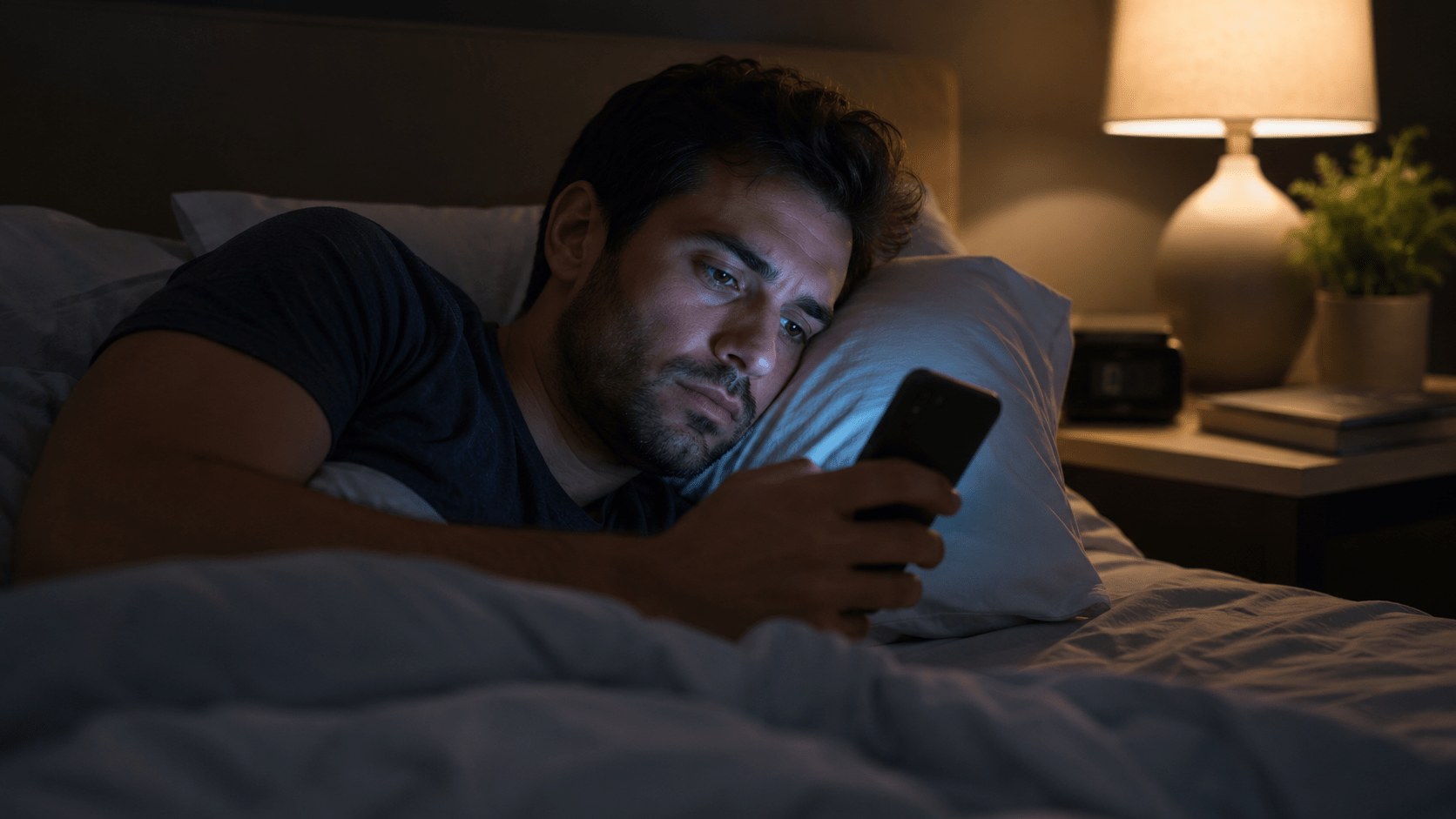
In my practice, insomnia is often the symptom, not the root cause. The visible problem may be waking up at 3 A.M., lying awake for hours, or feeling exhausted after a full night in bed. Underneath may be anxiety, trauma, PTSD, grief, chronic pain, depression, medication dependence, or conditioned arousal. Good insomnia treatment looks beneath the surface.
Why Choose a Sleep Therapist in San Diego?
A sleep therapist in San Diego should understand both sleep and the nervous system. Chronic insomnia is not just a nighttime problem. It affects mood, concentration, pain tolerance, relationships, work performance, and overall quality of life.
Dr. Freeman has more than 35 years of clinical experience and specializes in insomnia, nightmares, sleep disorders, PTSD, anxiety, trauma, and Cognitive Behavioral Therapy for Insomnia, also known as CBT-I. He brings a behavioral medicine perspective, which means treatment focuses on the interaction between the mind, body, nervous system, habits, and emotional health.
This is important because many patients do not simply need another sleep hygiene checklist. They need a clinical plan that addresses why the brain and body are staying awake.
Why Is The San Diego Sleep Doctor Different?
Patients searching for The San Diego Sleep Doctor are usually looking for someone with specific insomnia expertise, not just general therapy experience. Dr. Freeman’s work focuses on the patterns that keep sleep disrupted: conditioned arousal, sleep anxiety, trauma activation, medication reliance, hypervigilance, nightmares, and the fear of being awake.
His approach is directive, collaborative, practical, and solution-focused. This is not passive therapy where the patient leaves each session without a plan. We identify what is maintaining the insomnia, create specific tools, assign practical homework, review what happened, and fine-tune the treatment as we go.
You are driving the car with your therapeutic goals, and I am the passenger helping guide the route. The goal is to help you improve as efficiently as possible and leave with skills you can use for the rest of your life.
Why Is CBT-I Different From General Sleep Advice?
CBT-I is the gold-standard behavioral treatment for chronic insomnia. It helps retrain the thoughts, behaviors, schedules, and conditioned patterns that keep insomnia going. CBT-I can help reduce clock watching, fear of wakefulness, catastrophic thinking, and time spent awake in bed.
Sleep hygiene can be useful, but it is rarely enough by itself. Many people already know to keep the room dark, avoid screens, and limit caffeine. The deeper problem may be that the bed has become associated with frustration, fear, and effort. A person may feel sleepy on the couch but wide awake the moment they get into bed. That does not mean the person is broken. It means the nervous system has learned a pattern.
Learned patterns can be unlearned. That is where CBT-I becomes practical and powerful.
Can Dr. Freeman Help With Sleep Medication Concerns?
Many patients come to insomnia treatment after years of relying on sleep medication, alcohol, over-the-counter sleep aids, or supplements. Medication may provide short-term relief, but it may not address the underlying causes of insomnia. Some people experience tolerance, rebound insomnia, dependence, or sleep that does not feel restorative.
Medication changes should always be coordinated with the prescribing physician. Dr. Freeman’s role is to help patients build skills, address the root causes, and reduce the feeling that sleep depends entirely on an external substance.
Why Mission Valley Is a Convenient Location
Dr. Freeman’s office is centrally located in Mission Valley, which makes it convenient for patients across San Diego. The location is accessible from nearby communities such as Hillcrest, North Park, Mission Hills, Kensington, La Mesa, Clairemont, Point Loma, downtown San Diego, and surrounding areas.
For patients who are already exhausted from insomnia, convenience matters. Having a centrally located sleep therapist in San Diego can make it easier to follow through with treatment and build consistency.
What I Often See in Practice
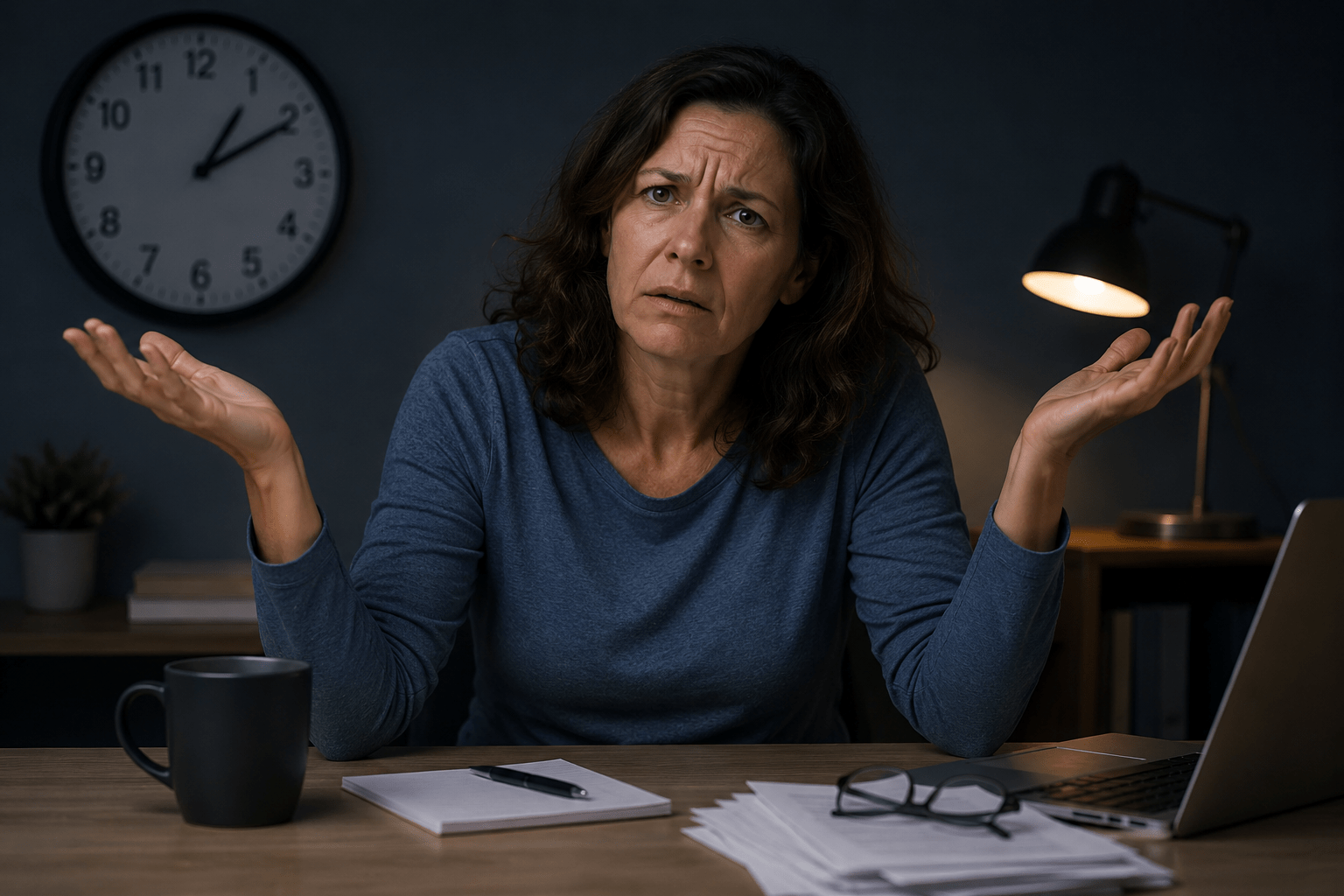
I often meet people who are highly capable during the day and deeply discouraged at night. They work, parent, lead, serve, and handle responsibilities, but when they get into bed, the nervous system will not let go. They may say, “I know I am safe, but my body does not believe it,” or “I can function, but I am exhausted.”
Functioning is not the same as wellness. Chronic insomnia can wear down even very strong people. Sleep is one of the foundations of health. I often describe exercise, nutrition, sound sleep, and meaning or purpose as four legs of the table. When sleep is unstable, the whole table starts to wobble.
The goal of treatment is not simply to knock someone out for the night. The goal is restorative sleep, emotional regulation, and confidence in the body’s ability to sleep naturally again.
Key Takeaways
- Dr. Freeman is known as The San Diego Sleep Doctor for his specialized work with insomnia and sleep disorders.
- His Mission Valley office is centrally located for patients throughout San Diego.
- CBT-I is the gold-standard behavioral treatment for chronic insomnia.
- Chronic insomnia often requires more than sleep hygiene or medication.
- Dr. Freeman’s approach is directive, collaborative, practical, and focused on lasting skills.
Frequently Asked Questions About Finding a Sleep Therapist in San Diego
Who is The San Diego Sleep Doctor?
Dr. Charles R. Freeman, Ph.D., is known as The San Diego Sleep Doctor for his specialized work treating insomnia, nightmares, PTSD, trauma, anxiety, and sleep medication concerns.
Where is Dr. Freeman located?
Dr. Freeman’s office is centrally located in Mission Valley, making it convenient for patients throughout San Diego and nearby communities.
Does Dr. Freeman offer CBT-I?
Yes. Dr. Freeman specializes in Cognitive Behavioral Therapy for Insomnia, or CBT-I, which is the gold-standard behavioral treatment for chronic insomnia.
Can insomnia be caused by anxiety or trauma?
Yes. Anxiety, PTSD, trauma, grief, pain, depression, and hypervigilance can all contribute to insomnia. Treatment is often most effective when the underlying causes are addressed.
Conclusion
Finding the right sleep therapist in San Diego matters. Chronic insomnia is not just a sleep inconvenience. It can affect mood, health, relationships, work, and quality of life. Dr. Freeman brings decades of clinical experience, specialized knowledge of CBT-I, and a practical treatment approach focused on sustainable improvement.
If you are looking for The San Diego Sleep Doctor, Dr. Freeman’s Mission Valley office offers experienced, focused treatment for chronic insomnia and the deeper patterns that often keep sleep disrupted.
About the Author
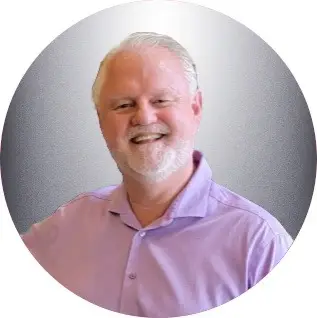 Dr. Charles R. Freeman, Ph.D., is a psychologist specializing in insomnia, sleep disorders, PTSD, anxiety, trauma, and Cognitive Behavioral Therapy for Insomnia (CBT-I). He has more than 25 years of experience helping individuals improve sleep, emotional well-being, and overall quality of life through evidence-based treatment approaches. If you would like to learn more about treatment options or schedule a consultation, please contact Dr. Freeman.
The information in this article is provided for educational purposes only and is not intended to replace professional medical or psychological advice. Individual circumstances vary, and readers should consult a qualified healthcare professional regarding their specific concerns.