
Can Sleep Anxiety Cause Chronic Insomnia?
By Dr. Charles R. Freeman, Ph.D.
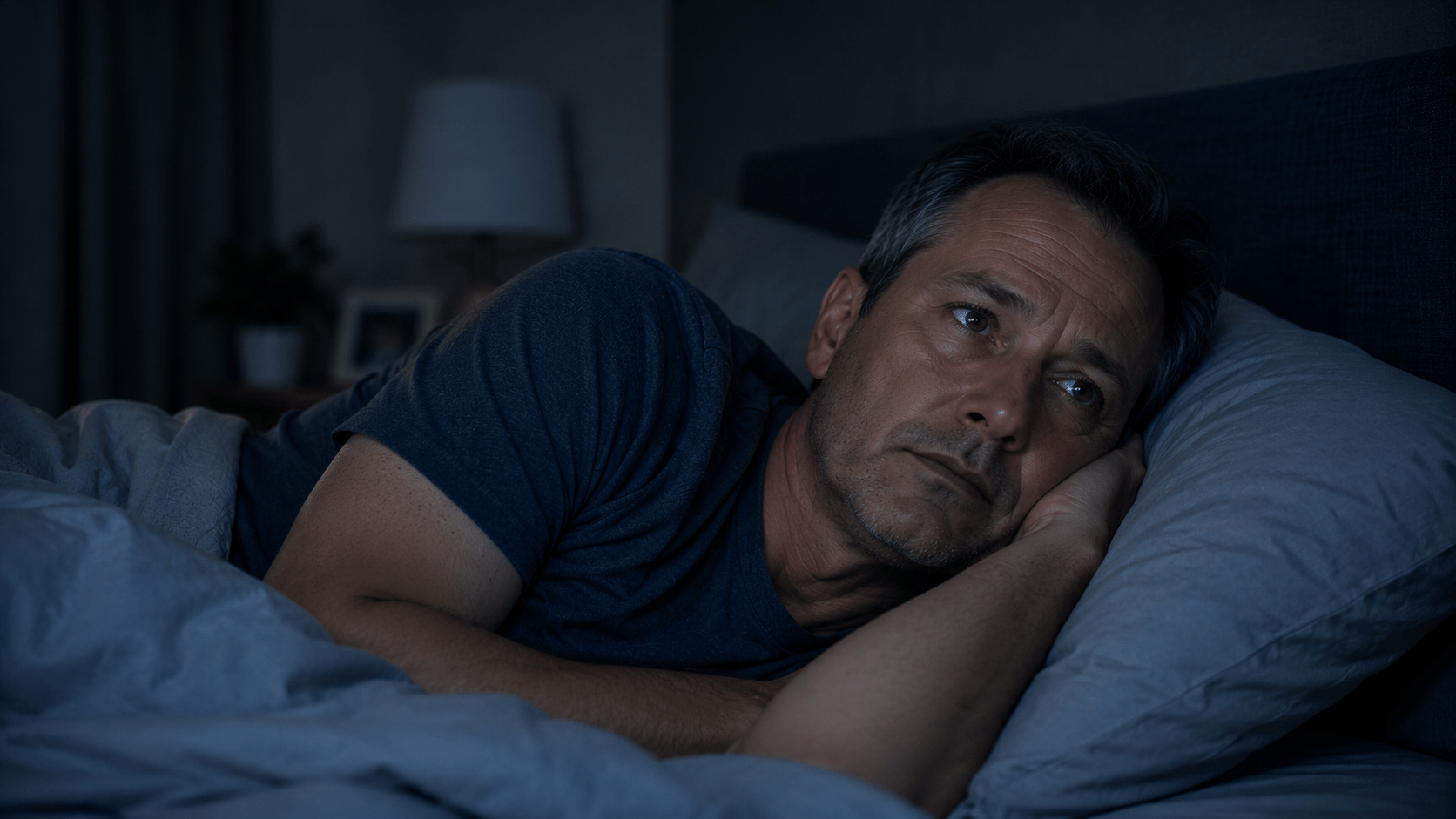
Yes. Sleep anxiety can cause chronic insomnia when the fear of not sleeping keeps the nervous system alert night after night. A person may begin with a short period of poor sleep, but the fear that develops around sleep can become one of the main reasons the insomnia continues.
Many people believe the problem is simply that they cannot sleep. In treatment, I often find that the larger problem is what the mind starts doing around sleep. The person begins monitoring, predicting, checking, researching, and fearing the next bad night. Sleep becomes a test, and the bed becomes the place where the body expects a struggle.
This is why insomnia is often the symptom, not the root cause. The original sleep disruption may have started from stress, pain, medication changes, trauma, health anxiety, or life pressure. Chronic insomnia often develops when the nervous system learns to associate sleep with danger, effort, and uncertainty.
What Is Sleep Anxiety?
Sleep anxiety is fear, worry, or dread related to sleep. It may show up as fear of not falling asleep, fear of waking up during the night, fear of how you will function tomorrow, or fear that lack of sleep will damage your health. Some people also become afraid that insomnia means they are losing control, becoming seriously ill, or developing a psychiatric condition.
Sleep anxiety is not ordinary frustration about a bad night. It is a threat response. The body becomes exhausted but alert. The person may feel desperate to sleep, yet the mind keeps scanning for danger. This creates the painful feeling of being tired and wired at the same time.
How Can Sleep Anxiety Cause Chronic Insomnia?
Sleep anxiety can cause chronic insomnia by keeping the sympathetic nervous system activated. This is the part of the nervous system associated with alertness, vigilance, and protection. When it stays activated, the body has a harder time entering the state of safety that sleep requires.
A common cycle looks like this: a person has several difficult nights, becomes afraid of another bad night, starts monitoring sleep, and then enters bed already tense. The mind asks, “Will I sleep tonight?” “What if I don’t?” “What if this never ends?” Those questions feel like problem-solving, but they often increase arousal.
The body then learns that bedtime is a danger cue. This is conditioned insomnia. The person may feel sleepy on the couch but become wide awake in bed because the bed has become associated with effort, worry, and failure.
Why Does Fear of Not Sleeping Keep You Awake?
Fear of not sleeping keeps you awake because fear and sleep move the body in opposite directions. Fear prepares the body to respond. Sleep requires the body to release control. When the mind tries to force sleep, the body often becomes more alert.
Many patients try to solve this by working harder. They read more about insomnia, adjust routines, watch the clock, try different supplements, search forums, change medications, and ask others for reassurance. Some of these actions may be reasonable in moderation. They become a problem when they teach the brain that sleep is fragile and must be controlled.
One important treatment shift is learning to replace “I have to sleep” with “I can rest and let my body sleep when it is ready.” That sounds simple, but it is a major change in how the nervous system relates to wakefulness.
Can Sleep Anxiety Create Conditioned Insomnia?
Yes. Sleep anxiety can create conditioned insomnia when the brain repeatedly pairs the bed with fear, frustration, and effort. Over time, the bedroom may no longer feel restful. It may feel like the place where the nightly struggle begins.
This is why some people become more awake the moment they get into bed. They may have been tired earlier in the evening, but once the lights are off, the mind starts checking. They may notice their heartbeat, breathing, thoughts, body temperature, or the time. Each check sends the brain another message that something important needs attention.
CBT-I addresses this conditioning directly. It helps patients rebuild a healthier association with sleep and reduce behaviors that keep the fear response active.
How Does CBT-I Treat Sleep Anxiety and Chronic Insomnia?
Cognitive Behavioral Therapy for Insomnia, or CBT-I, is the gold standard treatment for chronic insomnia. CBT-I helps patients change the thoughts, behaviors, and conditioned responses that keep insomnia going. When sleep anxiety is central, CBT-I also helps patients reduce catastrophic thinking, sleep monitoring, and fear-driven routines.
In my work, I often combine CBT-I principles with anxiety treatment. Patients learn how to respond differently to nighttime wakefulness. They learn how to reduce reassurance-seeking, challenge extreme predictions, and stop treating every poor night as proof that something dangerous is happening.
Medication may help some people in the short term, and medication decisions should be made with prescribing providers. But sleep medications often address symptoms rather than causes. Many patients also need practical psychological tools that help them calm the nervous system and regain confidence in their ability to sleep.
What I Often See in Practice
I often see patients after a sudden insomnia episode has become emotionally frightening. They may have slept well for years before one difficult stretch. Then they begin worrying that sleep may never return. Some begin searching online for rare disorders, reading extreme stories, checking every symptom, and asking repeated questions about whether they are safe.
Many of these patients are responsible, intelligent, and motivated. Their problem is not lack of effort. Their effort has become organized around fear. They are trying to control sleep so intensely that the brain stays in problem-solving mode at the exact time it needs to disengage.
Progress often begins when the patient understands the cycle. Sleep anxiety is treatable. Chronic insomnia is not a personal failure. Patients can learn skills that reduce fear, lower arousal, and restore trust in the body’s sleep system.
Key Takeaways
- Sleep anxiety can cause chronic insomnia by keeping the nervous system alert at night.
- Fear of not sleeping can become more disruptive than the original sleep problem.
- Conditioned insomnia develops when the bed becomes associated with worry, effort, and frustration.
- CBT-I helps patients reduce sleep-related fear, catastrophic thinking, and nighttime monitoring.
- Long-term improvement often requires addressing both insomnia and the anxiety cycle around it.
Frequently Asked Questions
Can sleep anxiety cause chronic insomnia?
Yes. Sleep anxiety can cause chronic insomnia when fear of not sleeping keeps the body activated night after night. The person may become exhausted but unable to settle because the nervous system remains on alert.
Why do I feel tired but wide awake at night?
This often happens when the body is physically tired but the nervous system is activated by worry, fear, or hypervigilance. Patients often describe this as feeling tired and wired.
Can fear of insomnia make insomnia worse?
Yes. Fear of insomnia can make insomnia worse by increasing monitoring, pressure, and physiological arousal. The harder the person tries to force sleep, the more alert the body may become.
Is sleep anxiety treated differently from regular insomnia?
Sleep anxiety requires treatment that addresses both sleep behavior and fear. CBT-I is often very helpful, especially when combined with cognitive restructuring, anxiety reduction, and strategies that reduce reassurance-seeking and symptom monitoring.
Can I recover from sleep anxiety without relying only on medication?
Many patients can learn skills that reduce sleep anxiety and improve insomnia. Medication may be part of care for some people, but sustainable improvement often comes from changing the fear, habits, and conditioned responses that keep the nervous system activated.
Conclusion
Sleep anxiety can cause chronic insomnia when fear becomes part of the sleep problem. A person may start with several bad nights, but the ongoing cycle often involves worry, monitoring, catastrophic thinking, and conditioned arousal.
Treatment helps patients stop treating wakefulness as an emergency. When the nervous system no longer approaches bedtime as a threat, sleep often becomes less fragile and more natural again.
About the Author
 Dr. Charles R. Freeman, Ph.D., is a psychologist specializing in insomnia, sleep disorders, PTSD, anxiety, trauma, and Cognitive Behavioral Therapy for Insomnia (CBT-I). He has more than 25 years of experience helping individuals improve sleep, emotional well-being, and overall quality of life through evidence-based treatment approaches. If you would like to learn more about treatment options or schedule a consultation, please contact Dr. Freeman.
The information in this article is provided for educational purposes only and is not intended to replace professional medical or psychological advice. Individual circumstances vary, and readers should consult a qualified healthcare professional regarding their specific concerns.