
Dr. Freeman's Blog Posts

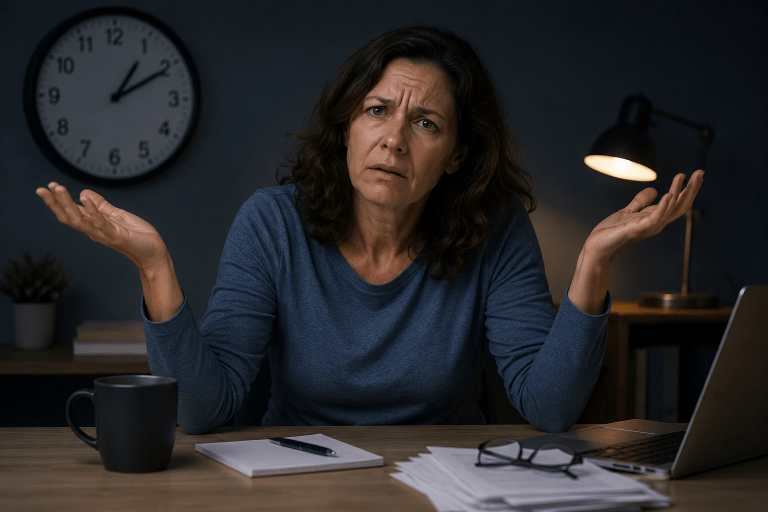
Why am I exhausted but still can’t sleep tired woman sitting awake at a desk with arms raised in confusion

Why Am I Exhausted but Still Can’t Sleep?

Yes. You can feel completely exhausted and still be unable to sleep. This frustrating pattern usually means that fatigue and alertness are occurring at the same time. Your body needs rest, but your nervous system remains activated. You may feel physically drained, mentally tired, and desperate for sleep, yet your

Read More »
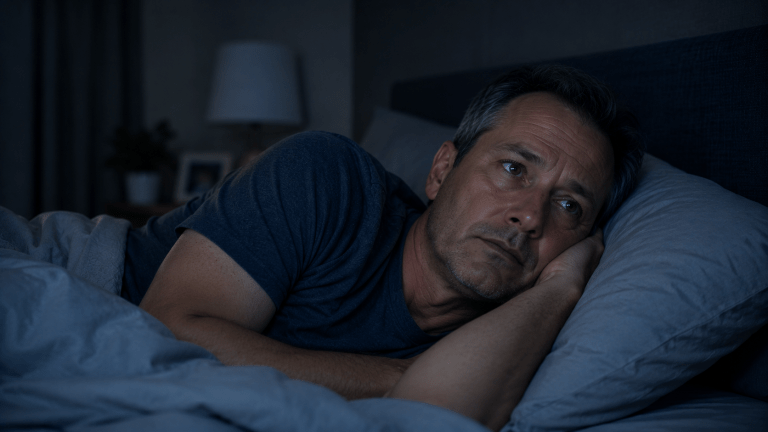
Sleep anxiety cause insomnia; man lying awake at night with fear of not sleeping

Can Sleep Anxiety Cause Chronic Insomnia?

Yes. Sleep anxiety can cause chronic insomnia when the fear of not sleeping keeps the nervous system alert night after night. A person may begin with a short period of poor sleep, but the fear that develops around sleep can become one of the main reasons the insomnia continues.

Many

Read More »
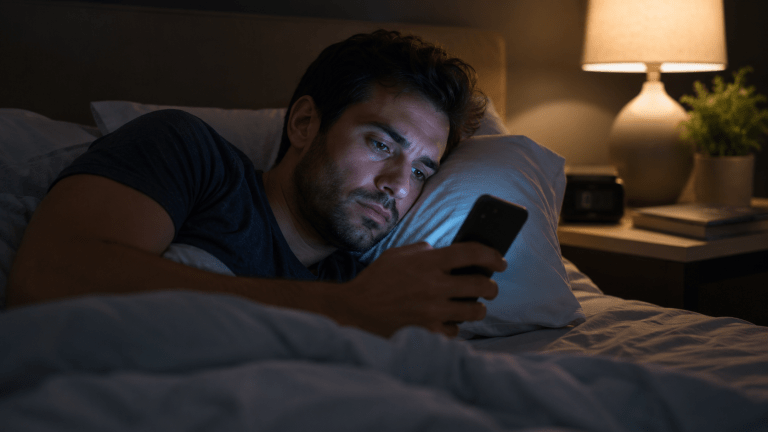
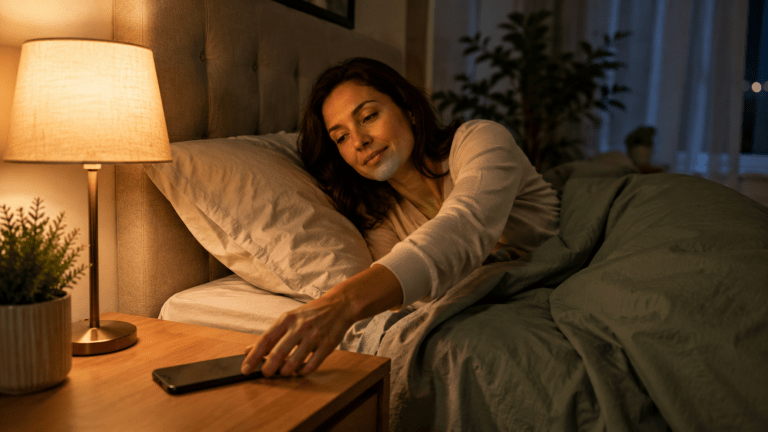
Sleepy window insomnia with a person setting aside a phone before sleep

Why Do I Miss My Sleepy Window and Then Feel Wide Awake?

Why Do I Miss My Sleepy Window and Then Feel Wide Awake? By Dr. Charles R. Freeman, Ph.D. In my previous post “Can Screen Addiction Cause Insomnia?”, I mentioned a concept of  a sleepy window, and today I want to elaborate on this phenomenon. What happens is that if you

Read More »
Moonlit coastal fog landscape representing sleep hypnosis vs CBT-I for insomnia treatment, sleep anxiety, and natural sleep recovery

Sleep Hypnosis vs CBT-I: What’s the Difference?

Sleep Hypnosis vs CBT-I: What’s the Difference? By Dr. Charles R. Freeman, Ph.D. Sleep hypnosis vs CBT-I is a common question for people who want help with insomnia without relying only on medication. Sleep hypnosis and CBT-I can both help with insomnia, but they are not the same treatment. Sleep

Read More »
A calm adult in a therapy office learning how CBT-I treats chronic insomnia and sleep anxiety

How CBT-I Treats Chronic Insomnia

How CBT-I Treats Chronic Insomnia By Dr. Charles R. Freeman, Ph.D. How CBT-I treats chronic insomnia is practical: it changes the thoughts, behaviors, sleep schedules, and nervous-system patterns that keep insomnia going. It does not simply give you more sleep hygiene rules. CBT-I helps retrain the brain and body so

Read More »
Man with chronic insomnia reviewing a sleep journal as part of Cognitive Behavioral Therapy for Insomnia (CBT-I).

What Is CBT-I? A Complete Guide to Cognitive Behavioral Therapy for Insomnia

What Is CBT-I? A Complete Guide to Cognitive Behavioral Therapy for Insomnia By Dr. Charles R. Freeman, Ph.D. CBT-I for insomnia (Cognitive Behavioural Therapy for Insomnia) is considered the gold standard treatment for chronic insomnia. CBT-I for insomnia helps people identify and change the thoughts, behaviors, habits, and nervous system patterns

Read More »
Peaceful bedroom with warm morning light and mountain views, representing natural sleep improvement through CBT-I without medication

Can CBT-I Help You Sleep Without Medication?

Can CBT-I Help You Sleep Without Medication? By Dr. Charles R. Freeman, Ph.D. Yes, Cognitive Behavioral Therapy for Insomnia, or CBT-I, can help many people sleep with less reliance on medication. CBT-I teaches the brain and body how to return to natural sleep by changing the thoughts, behaviors, habits, and

Read More »

Dr. Freeman's Articles on Sleep, Trauma, and Behavioral Medicine