

Why Insomnia Often Becomes a Habit
By Dr. Charles R. Freeman, Ph.D.
Insomnia often becomes a habit because the brain and body can learn to associate bedtime, the bed, or nighttime waking with alertness instead of sleep. After enough nights of frustration, clock watching, worry, or fear, the nervous system begins preparing for another bad night before sleep even has a chance to happen.
This does not mean the person is weak or doing something wrong on purpose. Most people with chronic insomnia are trying very hard to sleep. The problem is that trying harder often makes sleep worse. Sleep does not respond well to pressure. When bedtime becomes a performance test, the body tends to become more alert, not less.
In my practice, insomnia is often the symptom, not the root cause. The visible problem may be lying awake, waking at 3 A.M., or feeling exhausted in the morning. Underneath may be anxiety, trauma, PTSD, grief, depression, chronic pain, medication reliance, alcohol use, or a nervous system that has not learned how to stand down.
How Does Insomnia Become a Learned Pattern?
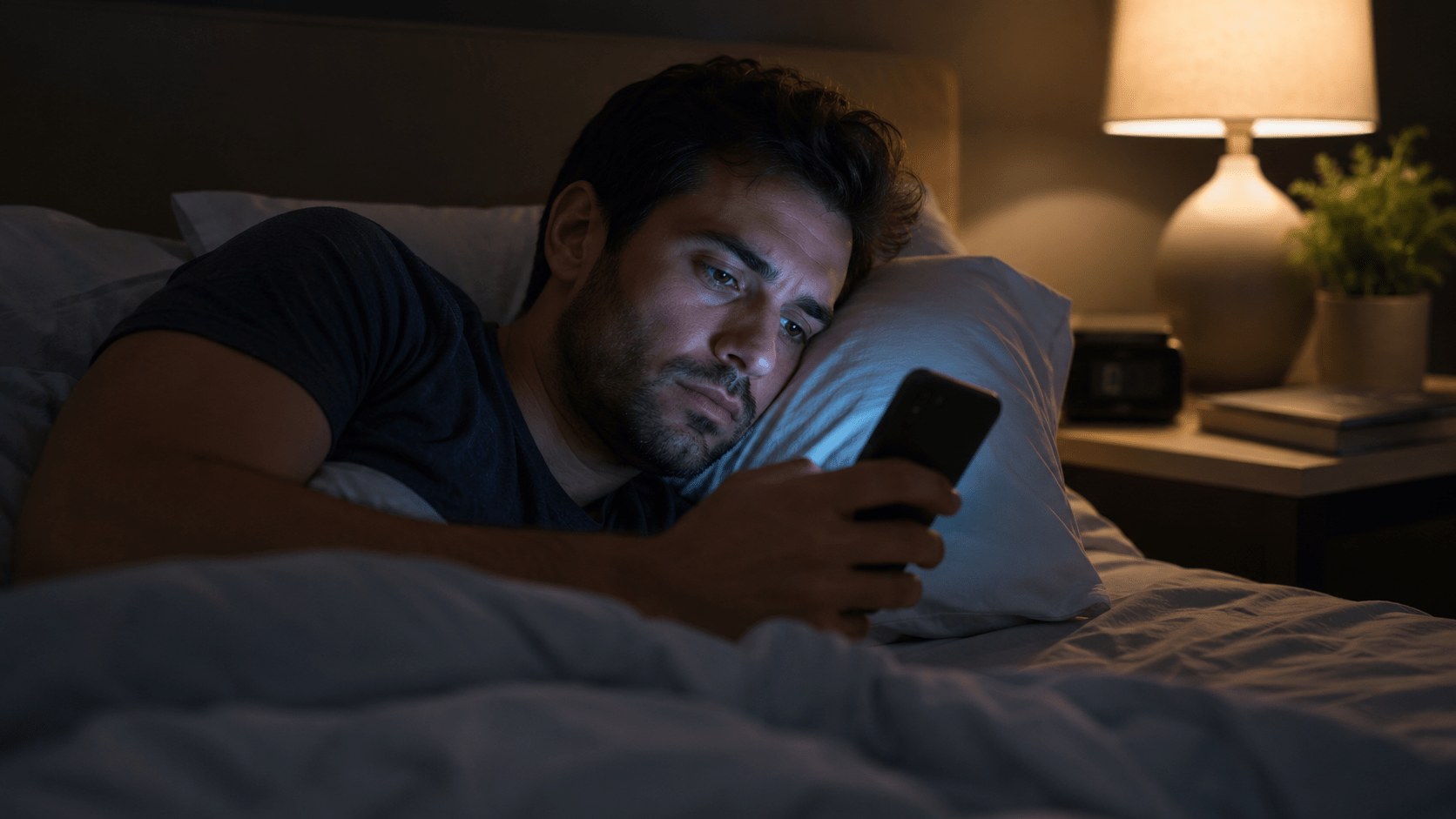
The brain learns by repetition. If you repeatedly get into bed and fall asleep easily, the bed becomes associated with rest. If you repeatedly get into bed and spend hours awake, frustrated, worried, or afraid, the bed can become associated with alertness.
This is why many people with insomnia feel sleepy on the couch but wide awake when they get into bed. That pattern can be confusing and discouraging. It does not mean the person is broken. It means the nervous system has learned an association. Learned associations can be unlearned, but usually not by forcing sleep.
Over time, the person may begin expecting insomnia. They may start thinking about sleep earlier in the evening. They may worry about whether tonight will be another bad night. That expectation alone can activate the body’s threat system.
What Is Conditioned Arousal?
Conditioned arousal means the body has learned to become alert in situations where it should be relaxed. With insomnia, the bed, bedroom, darkness, silence, or clock can become cues for wakefulness.
A person may turn off the light and immediately feel the mind speed up. They may check the clock and feel a surge of anxiety. They may wake during the night and instantly think, “Here we go again.” These reactions are not random. They are part of the insomnia habit loop.
One of the central goals of treatment is to break that association. The bed needs to become a cue for sleep again, not a cue for worry, effort, calculation, and defeat.
What Role Does Sleep Anxiety Play?
Sleep anxiety is the fear of not sleeping. It often develops after repeated bad nights. The person starts monitoring sleep, predicting failure, and treating wakefulness as proof that something is wrong.
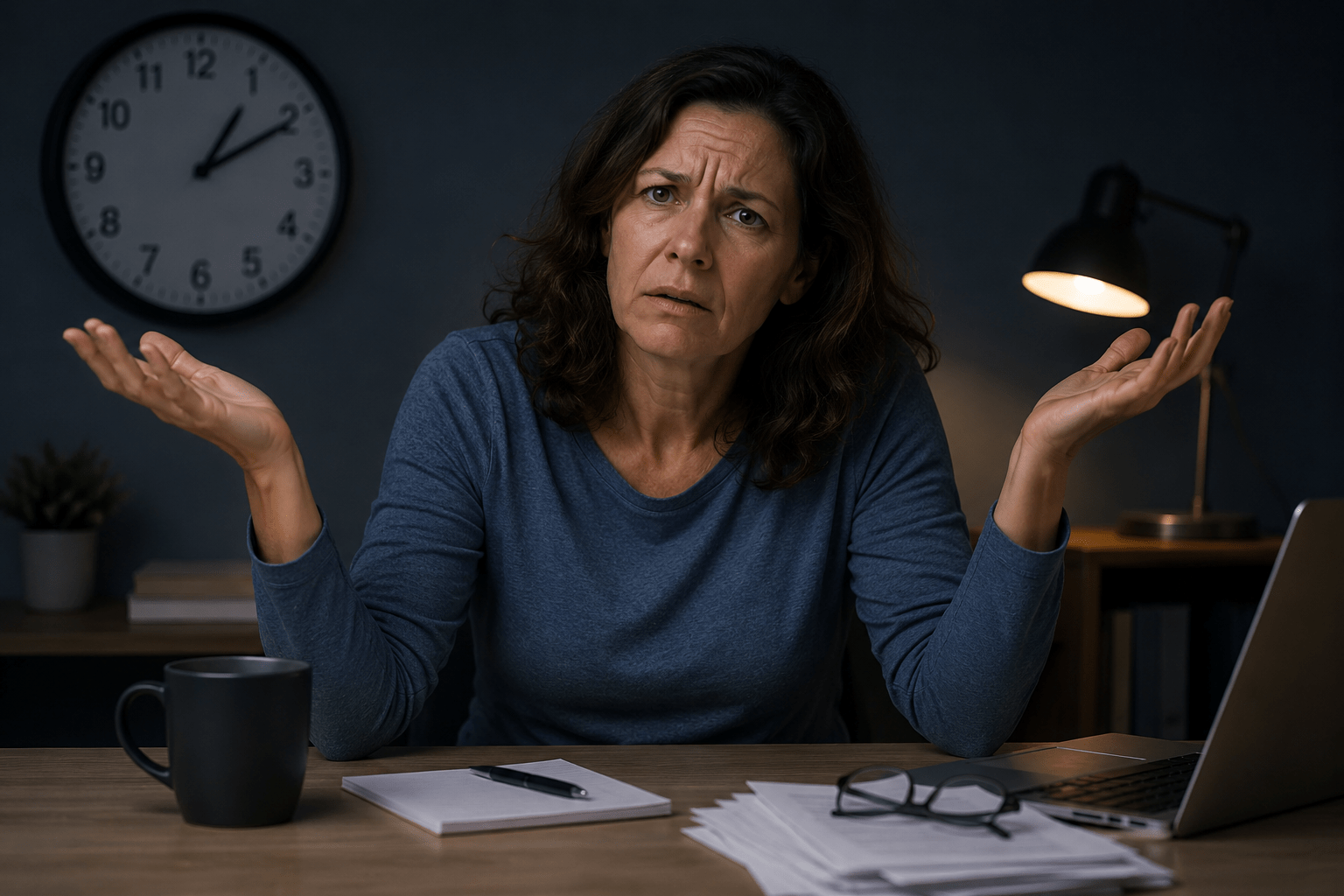
This is one of the most common patterns I see in chronic insomnia. A person wakes up during the night and immediately begins calculating: “How many hours do I have left? How bad will tomorrow be? What if I cannot function?” Those thoughts are understandable, but they send a threat signal to the nervous system.
For many patients, being awake is not the main problem. Panic about being awake is the problem. Recovery often begins when wakefulness stops feeling like an emergency.
Why Is Sleep Hygiene Usually Not Enough?
Sleep hygiene can help, but it is rarely enough for chronic insomnia by itself. Many patients already know the basics. They keep the room dark, avoid caffeine late in the day, limit screens, and try to keep a consistent routine.
Those habits are useful, but they do not necessarily treat conditioned arousal, trauma activation, pain, depression, anxiety, or fear of wakefulness. If the nervous system has learned that bed means danger or failure, a darker room will not fully solve the problem.
Good insomnia treatment looks at the whole pattern. What is the person doing before bed? How do they respond when they wake up? Are they checking the clock? Are they spending long periods awake in bed? Are they using alcohol, medication, or supplements out of desperation? These details matter because they can reinforce the habit.
Can Medication Keep the Insomnia Habit Going?
Medication may be appropriate in some situations, especially during acute grief, medical crisis, or severe short-term distress. Medication decisions should always be coordinated with the prescribing physician.
The concern is long-term reliance when the underlying insomnia pattern remains untreated. Medication may sedate the body without retraining the nervous system. Some patients sleep but do not feel restored. Others develop tolerance, rebound insomnia, dependence, or fear that they cannot sleep naturally.
The goal is not to shame medication. The goal is to help patients develop skills so sleep does not depend entirely on an external substance. Sustainable improvement usually comes from addressing the causes and the learned patterns that keep insomnia alive.
How Does CBT-I Break the Insomnia Habit?
CBT-I, or Cognitive Behavioral Therapy for Insomnia, is the gold-standard behavioral treatment for chronic insomnia. It helps change the thoughts, behaviors, schedules, and conditioned responses that keep the insomnia habit going.
CBT-I may include stimulus control, sleep scheduling, reducing time awake in bed, changing catastrophic thoughts about sleep, decreasing clock watching, and improving the way the patient responds to nighttime wakefulness. This is practical work. It is not just talking about sleep.
My approach is directive, collaborative, practical, and solution-focused. We identify what is maintaining the insomnia, create a plan, assign homework, review what happened, and fine-tune the tools. You are driving the car with your therapeutic goals, and I am the passenger helping guide the route.
What I Often See in Practice
I often meet people who are very capable during the day and discouraged at night. They work, parent, lead, solve problems, and care for others. Then they get into bed and feel helpless. Functioning is not the same as wellness.
Many patients have turned sleep into a nightly contest. They try to win by controlling every detail. They analyze, prepare, monitor, and pressure themselves. The same control style that helps them succeed during the day can keep the nervous system activated at night.
Sleep is one of the foundations of health. I often describe exercise, nutrition, sound sleep, and meaning or purpose as four legs of the table. When sleep is unstable, the whole table starts to wobble. Treatment focuses on rebuilding that foundation so the patient can regain confidence in natural sleep.
Key Takeaways
- Insomnia often becomes a habit when the bed becomes associated with wakefulness, fear, or frustration.
- Sleep anxiety can turn normal awakenings into long periods of insomnia.
- Sleep hygiene helps some people, but chronic insomnia often needs deeper treatment.
- Medication may provide short-term relief but may not retrain the nervous system.
- CBT-I helps break the insomnia habit by changing thoughts, behaviors, schedules, and conditioned arousal.
Frequently Asked Questions About Why Insomnia Becomes a Habit
Can insomnia really become a habit?
Yes. Insomnia can become a learned pattern when the brain repeatedly associates the bed, bedtime, or nighttime waking with alertness, frustration, worry, or fear.
Why am I sleepy on the couch but awake in bed?
This often happens when the bed has become associated with effort and wakefulness. The couch may feel emotionally neutral, while the bed has become linked with pressure to sleep.
Is insomnia just anxiety?
No. Anxiety is common, but insomnia can also involve trauma, PTSD, pain, depression, alcohol, medication rebound, medical symptoms, and conditioned arousal.
Can CBT-I help if insomnia has become a habit?
Yes. CBT-I is designed to treat the learned thoughts, behaviors, schedules, and nervous-system patterns that keep chronic insomnia going.
Does recovery mean I will never have a bad night?
No. Recovery usually means fewer bad nights, less fear when they happen, faster return to baseline, and greater confidence in the body’s ability to sleep again.
Conclusion
Insomnia often becomes a habit because the brain learns from repeated nights of wakefulness, worry, and frustration. The bed becomes connected with effort instead of rest. The clock becomes a trigger. Wakefulness starts to feel like an emergency.
The goal is not to force sleep harder. The goal is to retrain the nervous system, reduce fear, and address the root causes that keep the pattern alive. With CBT-I and the right clinical support, sleep can become less of a battle and more of a natural biological process again.
About the Author
 Dr. Charles R. Freeman, Ph.D., is a psychologist specializing in insomnia, sleep disorders, PTSD, anxiety, trauma, and Cognitive Behavioral Therapy for Insomnia (CBT-I). He has more than 25 years of experience helping individuals improve sleep, emotional well-being, and overall quality of life through evidence-based treatment approaches. If you would like to learn more about treatment options or schedule a consultation, please contact Dr. Freeman.
The information in this article is provided for educational purposes only and is not intended to replace professional medical or psychological advice. Individual circumstances vary, and readers should consult a qualified healthcare professional regarding their specific concerns.