
Sleep Deprivation: Why One Bad Night Isn’t a Crisis
By Dr. Charles R. Freeman, Ph.D.
Sleep deprivation can affect mood, concentration, energy, and overall health. However, many people with insomnia overestimate how little sleep they actually get and underestimate their ability to function after a poor night’s sleep. While chronic sleep deprivation deserves attention, one bad night is often less damaging than people fear. Many people become trapped in a cycle where anxiety about sleep becomes as problematic as the sleep loss itself. Learning to view occasional sleep disruption more realistically can reduce stress and improve both sleep and daytime functioning.
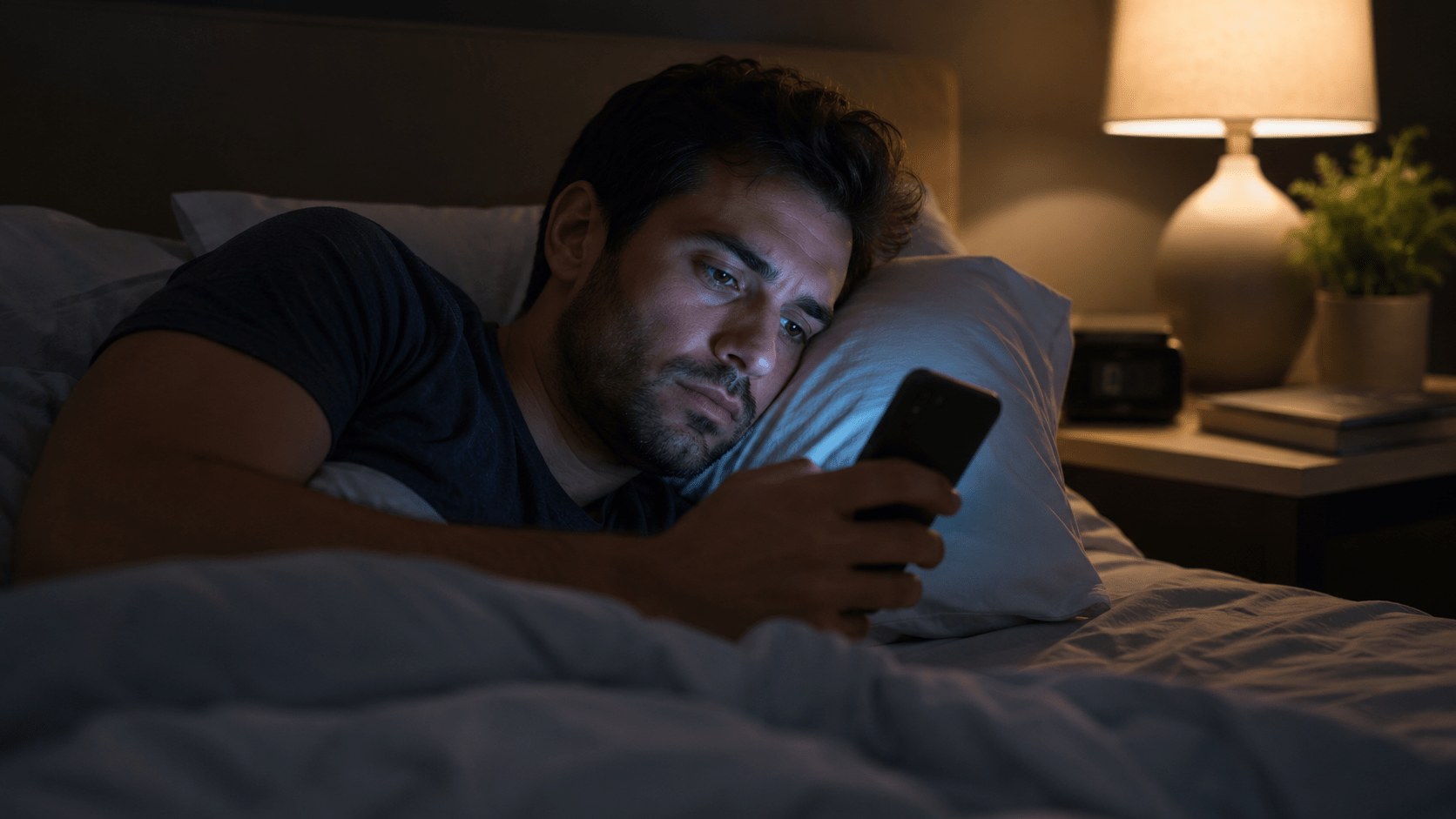
If you’ve ever looked at the clock at 3 a.m., 4 a.m., and 5 a.m. and then dragged yourself through the next day, you’ve probably worried about sleep deprivation. Many people assume that a poor night’s sleep automatically means they will have a miserable day. They expect severe fatigue, poor concentration, irritability, and reduced performance. While sleep deprivation certainly affects the body and mind, the reality is often more nuanced. One of the most common observations in sleep medicine is that people with insomnia frequently sleep more than they believe they do. They remember every awakening but forget many periods of light sleep that occurred throughout the night. As a result, they often conclude they barely slept at all when they actually obtained more rest than they realized.
What Is Sleep Deprivation?
Sleep deprivation occurs when you consistently obtain less sleep than your body requires for optimal functioning. Most adults need approximately seven to nine hours of sleep each night. However, individual needs vary. Some people function well with slightly less sleep, while others need more. There is an important difference between occasional sleep loss and chronic sleep deprivation. Missing a few hours of sleep during a stressful week is very different from spending months or years struggling with insomnia. Unfortunately, many people treat these situations as if they are identical.
What Are the Symptoms of Sleep Deprivation?
Common symptoms of sleep deprivation include fatigue, daytime sleepiness, reduced concentration, memory difficulties, irritability, increased anxiety, slower reaction time, reduced motivation, and greater emotional sensitivity. These symptoms often become more noticeable when sleep loss accumulates over time. After a single poor night of sleep, however, many people function much better than they expect. In some cases, the anticipation of feeling terrible creates more distress than the actual sleep loss itself.
Why Many People Overestimate Sleep Deprivation
One reason insomnia becomes so frustrating is that the brain tends to remember periods of wakefulness much more vividly than periods of sleep. You remember looking at the clock, tossing and turning; you remember feeling frustrated. What you often do not remember are the numerous periods of light sleep that occurred throughout the night. In sleep laboratories, it is common for patients to report sleeping only a few hours when objective monitoring shows significantly more sleep. This disconnect between perception and reality can increase anxiety and reinforce insomnia.
The Effects of Lack of Sleep on Mental Health
Sleep and mental health are deeply connected. Poor sleep can increase anxiety, stress sensitivity, irritability, symptoms of depression, and emotional reactivity. At the same time, mental health challenges often contribute to insomnia. Anxiety, trauma, PTSD, grief, chronic stress, and depression frequently interfere with sleep. In many cases, insomnia is not the root problem but a symptom of something deeper that requires attention. This is one of the most important principles I teach patients. When the underlying causes remain untreated, sleep often continues to suffer regardless of how many sleep aids a person tries.
Why Catastrophizing Sleep Loss Makes Things Worse
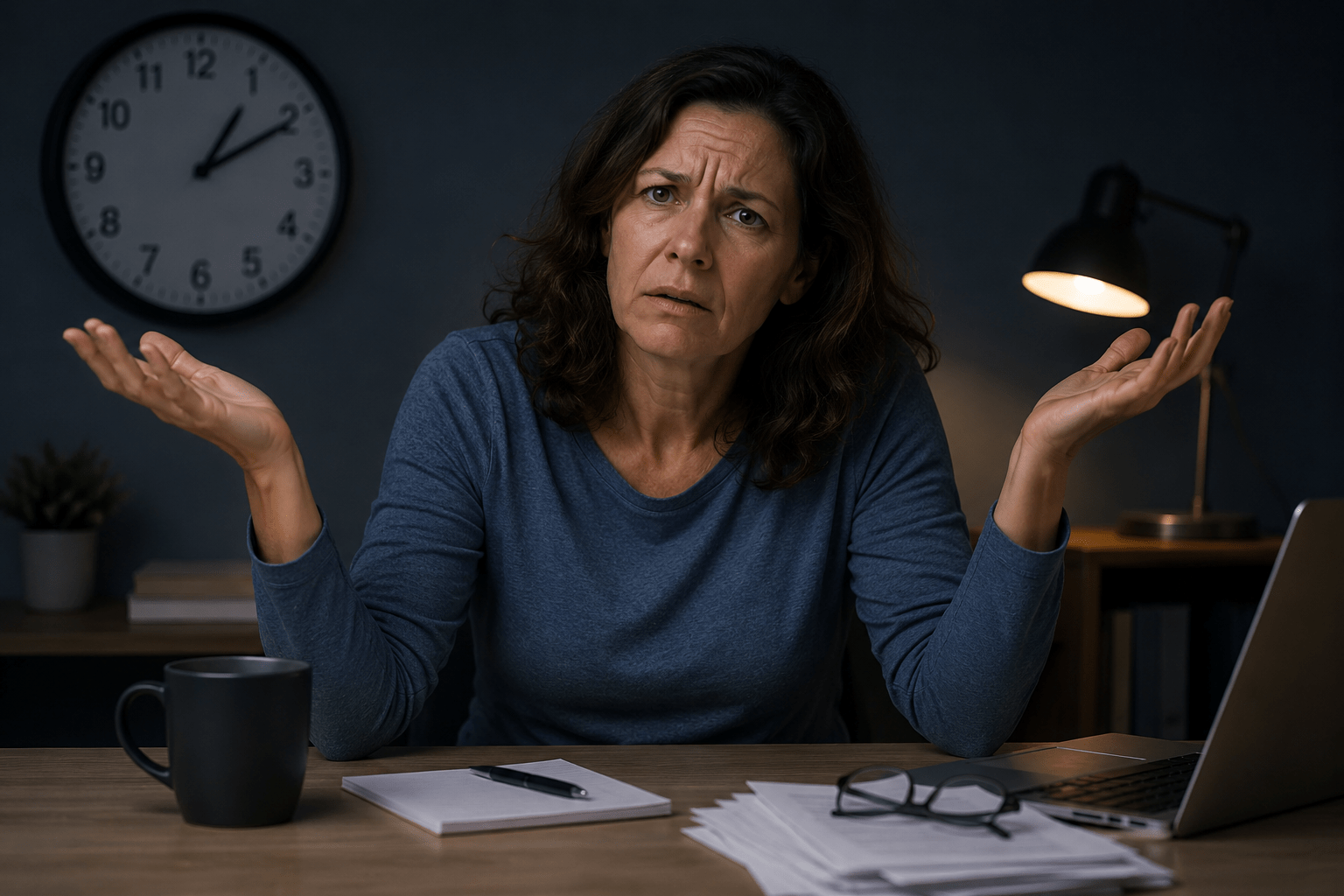
Many people wake up after a poor night’s sleep and immediately begin predicting the worst. They may assume they will be exhausted all day, unable to think clearly, perform poorly at work, or struggle through another sleepless night. These thoughts increase stress hormones and activate the nervous system. As anxiety rises, sleep often becomes more difficult, creating a self-perpetuating cycle in which fear about sleep contributes to additional sleep problems. One of the goals of Cognitive Behavioral Therapy for Insomnia (CBT-I) is to help people develop a more balanced and realistic perspective about sleep. CBT-I is considered the gold standard treatment for chronic insomnia because it addresses both the behavioral and psychological factors that maintain sleep difficulties.
Understanding Sleep Debt
Sleep debt refers to the cumulative effects of repeatedly getting less sleep than your body needs. If you consistently need eight hours of sleep but regularly get only six, that deficit can accumulate over time. Sleep debt may contribute to poor concentration, mood disturbances, lower productivity, increased reliance on caffeine, and greater vulnerability to stress. An important point is that sleep debt develops gradually. A single poor night of sleep does not automatically create a serious problem. Most healthy individuals can tolerate occasional sleep disruption remarkably well without experiencing significant long-term consequences.
Can You Recover From Sleep Deprivation?
Yes. For most people, recovery begins by returning to healthy sleep habits rather than trying to force extra sleep. Helpful strategies include maintaining a consistent wake time, exercising regularly, limiting alcohol use, reducing excessive caffeine consumption, practicing relaxation techniques, and addressing underlying stressors.
One common mistake is spending excessive time in bed trying to catch up on lost sleep. This often increases frustration and can worsen insomnia. A more effective approach is to return to a healthy routine and allow the body’s natural sleep drive to do its job.
Can You Die From Sleep Deprivation?
This is a surprisingly common question. Severe and prolonged sleep deprivation can have serious consequences for physical and mental health. However, most people searching this question are not experiencing the extreme sleep loss described in rare medical cases. The average person with insomnia is usually obtaining more sleep than they believe. The greater concern is chronic sleep disruption over many months or years, particularly when it is accompanied by anxiety, depression, trauma, chronic stress, or reliance on sleep medications without addressing the underlying causes.
What I Often See in Practice
Many patients arrive believing their lives are controlled by sleep. They monitor every hour of sleep, every awakening, and every daytime symptom. Sleep becomes a performance. The harder they try to force it, the more elusive it becomes. One of the most rewarding moments in treatment is when a patient realizes they can have a productive day even after imperfect sleep. That shift reduces anxiety, increases confidence, and often improves sleep naturally. Sleep does not need to be perfect for you to function well.
Key Takeaways
- Sleep deprivation can affect mood, concentration, and mental health.
- Many people with insomnia sleep more than they believe.
- Sleep deprived symptoms are often amplified by anxiety about sleep.
- One poor night is usually less harmful than people fear.
- Sleep debt develops over time through repeated sleep loss.
- CBT-I is the gold standard treatment for chronic insomnia.
- Sustainable improvement often comes from addressing the underlying causes of sleep problems rather than focusing only on sleep itself.
FAQ
What are the symptoms of sleep deprivation?
Common symptoms include fatigue, poor concentration, irritability, anxiety, memory difficulties, and daytime sleepiness.
How does sleep deprivation affect mental health?
Sleep deprivation can worsen anxiety, depression, irritability, and emotional reactivity while making it harder to cope with stress.
What is sleep debt?
Sleep debt is the cumulative effect of repeatedly getting less sleep than your body needs over time.
How do you recover from sleep deprivation?
Recovery involves maintaining a consistent sleep schedule, exercising regularly, managing stress, and returning to healthy sleep habits.
Can you die from sleep deprivation?
Severe and prolonged sleep deprivation can be dangerous, but most people with insomnia are not experiencing the extreme levels of sleep loss associated with rare medical conditions.
Conclusion
Sleep is one of the foundations of health, but perfection is not required. While chronic sleep deprivation deserves attention, many people overestimate the consequences of a single poor night’s sleep. Learning to evaluate sleep more realistically can reduce anxiety and help break the cycle that often maintains insomnia. Sometimes the most important step toward better sleep is recognizing that one bad night does not have to become a bad day.
About the Author
 Dr. Charles R. Freeman, Ph.D., is a psychologist specializing in insomnia, sleep disorders, PTSD, anxiety, trauma, and Cognitive Behavioral Therapy for Insomnia (CBT-I). He has more than 25 years of experience helping individuals improve sleep, emotional well-being, and overall quality of life through evidence-based treatment approaches. If you would like to learn more about treatment options or schedule a consultation, please contact Dr. Freeman.
The information in this article is provided for educational purposes only and is not intended to replace professional medical or psychological advice. Individual circumstances vary, and readers should consult a qualified healthcare professional regarding their specific concerns.