Dr. Charles Freeman – San Diego Insomnia and Sleep Problems Treatment – San Diego Trauma and PTSD Treatment

Cognitive Behavioral Therapy (CBT)

A calm bedroom at dawn with soft natural light suggesting recovery from insomnia and nighttime rumination

When Insomnia Is Not Really About Sleep

Sometimes insomnia is not really about sleep. The sleep problem is real, but the cause may be anxiety, trauma, perfectionism, stress, rumination, or a nervous system that has learned to stay on alert at night.

Many people come to treatment after trying sleep hygiene, supplements, medications, meditation apps, or advice from the internet. Some fall asleep but wake up at 2:00 or 3:00 AM. Others lie in bed reviewing mistakes, worrying about work, replaying conversations, or asking themselves why they cannot relax. By the time they seek help, they may feel afraid of the night itself.

In my practice, I often see patients who believe the problem is only sleep. As treatment begins, we often find that insomnia has become the place where unresolved stress shows up most clearly.

When Insomnia Is Not Really About Sleep Read More »

Mountain sunrise above a sea of clouds representing anxiety-related chronic insomnia, emotional recovery, and the return of restorative sleep

Can Anxiety Cause Chronic Insomnia?

Yes, anxiety can absolutely cause chronic insomnia. It can also maintain it long after the original stressor has passed. In my clinical work, I often see that people are not just struggling with sleep. They are struggling with a nervous system that has learned to stay alert, a mind that keeps scanning for problems, and growing fear about what will happen if they do not sleep.

That is why I often say that insomnia is frequently the symptom, not the root cause. Sleep is one of the foundations of health, but sleep does not exist in isolation. Thoughts, emotions, physical symptoms, and behavior all influence one another. When anxiety becomes chronic, sleep is often one of the first systems to break down.

Can Anxiety Cause Chronic Insomnia? Read More »

Calm notebook and pen on a desk representing cognitive distortions, anxiety, sleep, PTSD, and recovery

Cognitive Distortions: How Unhelpful Thinking Affects Sleep, Anxiety, PTSD, and Recovery

Yes, the way you think can make sleep, anxiety, PTSD symptoms, and emotional distress worse. That does not mean your symptoms are your fault. It means that thoughts, emotions, physical symptoms, and behavior influence one another. When the mind gets stuck in fear-based or extreme thinking, the body often follows with tension, alertness, worry, and poor sleep.

Cognitive distortions are unhelpful thinking patterns that make a situation seem more hopeless, dangerous, permanent, or personal than it really is. These patterns are common during stress, trauma, chronic insomnia, depression, and anxiety. The mind takes shortcuts, especially when the nervous system is tired or on high alert.

The cognitive distortion framework was popularized by psychiatrist David Burns, M.D., in his influential book Feeling Good: The New Mood Therapy. I use these well-known cognitive behavioral therapy concepts in practical ways with patients dealing with sleep, anxiety, trauma, and recovery. The purpose is not to blame people for their symptoms. The purpose is to help patients recognize when the mind is turning fear, exhaustion, or past trauma into conclusions that may not be accurate.

Cognitive Distortions: How Unhelpful Thinking Affects Sleep, Anxiety, PTSD, and Recovery Read More »

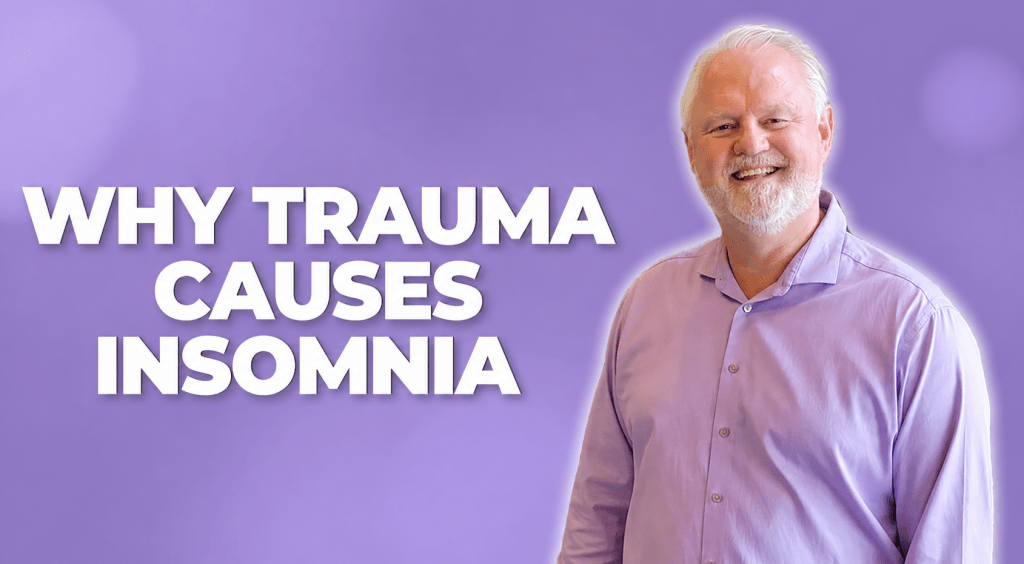
Dr. Charles R. Freeman standing against a purple background with the words Why Trauma Causes Insomnia, explaining how trauma affects sleep

Why Trauma Affects Sleep for Years

Trauma affects sleep for years because the body may continue operating as if danger is still nearby, even when the traumatic event is over. That is why trauma affects sleep long after the event has ended. A person may intellectually know, “I am safe now,” while the nervous system still reacts at night with alertness, nightmares, anxiety, muscle tension, racing thoughts, or early-morning waking.

If you are asking, “Why am I still having sleep problems years after the traumatic event ended?” the answer is usually not weakness, failure, or lack of willpower. Trauma can teach the brain and body to scan for threat. Sleep requires letting go of control. For trauma survivors, that letting go can feel unsafe, especially at night when distractions are gone and the mind becomes quieter.

As a behavioral medicine psychologist specializing in insomnia, PTSD, trauma, nightmares, and CBT-I, I often tell patients that insomnia is frequently the symptom, not the root cause. Sleep is one of the foundations of health, but when trauma has trained the nervous system to stay on guard, sleep can become one of the first areas to break down and one of the last areas to fully recover without proper treatment.

Why Trauma Affects Sleep for Years Read More »

A purple sleep hypnosis graphic showing a person holding a pendulum with the words Sleep Hypnosis

What Is Sleep Hypnosis?

Sleep hypnosis is a focused, guided therapeutic process that helps the mind and body move out of alertness and toward a calmer state that is more compatible with sleep. It is not magic, mind control, or stage entertainment. In clinical practice, sleep hypnosis is best understood as one possible tool within behavioral sleep medicine, especially for people whose insomnia is connected to tension, worry, conditioned alertness, trauma, or an overactive nervous system.

Can sleep hypnosis help you sleep better? For some people, yes. It may help by reducing mental and physical arousal, giving the mind a structured path away from rumination, and helping the body experience bedtime as safer and calmer. Research on sleep-directed hypnosis suggests it may improve subjective sleep quality, although it should not be presented as a cure for insomnia or as a replacement for a full evaluation when sleep problems are chronic, complex, or trauma-related.

In my work as a behavioral medicine psychologist, I think of insomnia as the visible part of a larger picture. The sleep problem is often the symptom, not the whole condition. Below the surface may be anxiety, sleep anxiety, PTSD, chronic pain, grief, medication dependence, perfectionism, or years of frustration from trying to force sleep. Sleep hypnosis can be useful, but the real question is not simply, “Can hypnosis make me sleep?” The better question is, “What is keeping my mind and body too activated to sleep naturally?”

What Is Sleep Hypnosis? Read More »

Why does my mind race at night in a quiet bedroom with notebook and clock

Why Does My Mind Race at Night?

Your mind races at night because your brain and nervous system have not fully shifted from problem-solving mode into sleep mode. This can happen because of stress, anxiety, trauma, over-responsibility, sleep anxiety, chronic insomnia, medication concerns, or habits that train the brain to become more alert in bed. Many people describe the same frustrating pattern. They are exhausted during the day, but the moment they lie down, their mind turns on. They replay conversations, worry about the next day, think about family problems, review mistakes, check the clock, calculate how little sleep they will get, and then become more awake because they are trying so hard to sleep. This is not a character flaw. It is usually a learned pattern of arousal. The bed, which should be associated with rest, becomes associated with thinking, monitoring, planning, worrying, and trying to force sleep. Once that pattern becomes established, the harder you push for sleep, the more your brain treats bedtime like a performance test.

Why Does My Mind Race at Night? Read More »

A calm therapy office prepared for an EMDR session with comfortable chairs and natural light

What to Expect During EMDR Therapy: Before, During, and After a Session

If you are considering EMDR therapy, you can expect a structured process that begins with preparation, not immediate trauma processing. EMDR stands for Eye Movement Desensitization and Reprocessing. It is used most often for PTSD and trauma-related distress, and it may also be helpful when nightmares, anxiety, or sleep problems are connected to disturbing experiences. The most important thing to understand is that EMDR is not about being pushed into painful material before you are ready. A good EMDR session is paced. You remain awake, aware, and able to stop. The therapist helps you work with difficult memories, emotions, beliefs, and body reactions while keeping one foot in the present. This article focuses on what the experience of EMDR is actually like as a patient: what happens before the first session, what you may be asked, what bilateral stimulation looks like, what you may feel during processing, and how the session closes.

What to Expect During EMDR Therapy: Before, During, and After a Session Read More »

Adult with sleep anxiety talks with a psychologist in a calm therapy office

Sleep Anxiety and Insomnia: Why Fear of Not Sleeping Keeps You Awake

Sleep anxiety can keep insomnia going because the fear of not sleeping activates the same nervous system response that prevents sleep. The person may be exhausted, but the mind starts monitoring, calculating, predicting failure, and worrying about tomorrow. At that point, the first treatment target is often not sleep itself, but fear of not sleeping.

This is a very common pattern. A person has a few bad nights. Then they start watching the clock. They worry about work, parenting, driving, health, mood, or whether insomnia is “coming back.” Bedtime stops feeling like rest and starts feeling like a test. Sleep is not a performance. It is a biological process that improves when the patient stops turning it into a test.

Many patients do not need more sleep rules. They need less fear around sleep. Sleep hygiene can be useful, but chronic insomnia usually needs more than a colder bedroom, a darker room, or a new supplement. Good treatment looks at the loop, not only the loudest symptom.

Sleep Anxiety and Insomnia: Why Fear of Not Sleeping Keeps You Awake Read More »

Adult participating in an online sleep coaching session to improve sleep habits and overall well-being

What Is Sleep Coaching and Can It Help You Sleep Better?

What Is Sleep Coaching and Can It Help You Sleep Better? By Dr. Charles R. Freeman, Ph.D. You might be wondering, what is sleep coaching and can it help you sleep better? You may have come across the term “sleep coach,” but  what exactly is sleep coaching, and can it actually help you sleep better? For many people, sleep problems are not caused by a single issue. Difficulty falling asleep, frequent awakenings, daytime fatigue, and restless nights are often influenced by stress, habits, lifestyle choices, health conditions, or anxiety. This approach helps people identify and address these factors while developing practical skills that support healthier sleep. What Is Sleep Coaching? Sleep coaching is a personalized process designed to help people improve sleep through education, behavioral strategies, accountability, and support. Unlike quick fixes that focus only on symptoms, sleep coaching looks at the bigger picture. A sleep coach helps individuals examine sleep habits, daily routines, stress levels, exercise patterns, nutrition, sleep environment, and thoughts and beliefs about sleep. The goal is to create sustainable changes that improve sleep over time. Who Benefits Most From Professional Sleep Guidance? Sleep coaching may help people who have difficulty falling asleep, wake up frequently during the night, feel tired despite spending enough time in bed, experience stress-related sleep problems, want to improve sleep without relying entirely on medication, or need accountability and guidance while making lifestyle changes. Sleep coaching can also be valuable for people who want to optimize their sleep, energy, and overall well-being. Why Sleep Problems Are Often More Complex Than They Seem One of the most important things I’ve learned throughout my career is that insomnia is often the symptom rather than the root cause. People frequently focus on what happens at bedtime, but sleep is influenced by what happens throughout the day. Stress, anxiety, trauma, health habits, excessive worry, and even nutrition can all affect sleep quality. This is why simply trying a new supplement or changing a bedtime routine does not always solve the problem. When the underlying causes are identified and addressed, sleep often improves naturally. What Does the Process Look Like? Every person’s sleep challenges are unique, so sleep coaching is tailored to individual needs and goals. The process typically begins with identifying factors that may contribute to poor sleep, followed by a review of current sleep habits, routines, and lifestyle patterns. Together, the client and coach establish realistic goals and develop a plan based on evidence-based sleep strategies. As new habits are introduced, progress is monitored and adjustments are made as needed. The goal is to create practical, sustainable changes that support healthy sleep and continue to benefit the client long after coaching has ended. CBT-I and Other Evidence-Based Sleep Strategies Many people are surprised to learn that Cognitive Behavioral Therapy for Insomnia (CBT-I) is considered the gold standard treatment for chronic insomnia. CBT-I helps people change the thoughts and behaviors that interfere with healthy sleep. Many sleep coaches incorporate CBT-I principles or related behavioral strategies when helping people improve sleep. Research consistently shows that skill-based approaches often provide longer-lasting benefits than relying solely on medication. What I Often See in Practice Many people come to me believing they have a sleep problem. As we work together, they often discover that sleep is connected to stress, anxiety, lifestyle habits, trauma, or other challenges that have been affecting them for years. One of the most rewarding aspects of this work is seeing people gain confidence in their ability to improve sleep naturally. When people learn the skills that support healthy sleep, they often experience improvements not only in sleep quality but also in mood, energy, focus, and overall well-being. Key Takeaways Sleep coaching helps people improve sleep through education, guidance, and behavioral strategies. Sleep problems are often influenced by factors beyond the bedroom. Insomnia is frequently the symptom rather than the root cause. This approach can help people build long-term skills for better sleep. CBT-I is considered the gold standard treatment for chronic insomnia. Better sleep often leads to improvements in mood, energy, and resilience. Frequently Asked Questions What is sleep coaching? Sleep coaching is a personalized process that helps people improve sleep through education, behavior change, accountability, and practical strategies. Can this approach help insomnia? Yes. Sleep coaching can help many people identify and address habits, stressors, and behaviors that contribute to insomnia. Is sleep coaching the same as therapy? No. Therapy focuses on diagnosing and treating mental health conditions, while sleep coaching focuses on guidance, education, and behavior change related to sleep and well-being. How long does this coaching take? The length of sleep coaching varies depending on the individual’s goals, sleep challenges, and progress. Conclusion Better sleep rarely comes from a single trick, supplement, or device. More often, it comes from understanding the factors that interfere with healthy sleep and developing practical strategies to address them. Sleep coaching provides guidance, accountability, and evidence-based tools that can help people create lasting improvements in sleep and overall quality of life. About the Author Dr. Charles R. Freeman, Ph.D., is a psychologist specializing in insomnia, sleep disorders, PTSD, anxiety, trauma, and Cognitive Behavioral Therapy for Insomnia (CBT-I). He has more than 25 years of experience helping individuals improve sleep, emotional well-being, and overall quality of life through evidence-based treatment approaches. If you would like to learn more about treatment options or schedule a consultation, please contact Dr. Freeman. The information in this article is provided for educational purposes only and is not intended to replace professional medical or psychological advice. Individual circumstances vary, and readers should consult a qualified healthcare professional regarding their specific concerns.


What Is Sleep Coaching and Can It Help You Sleep Better? Read More »

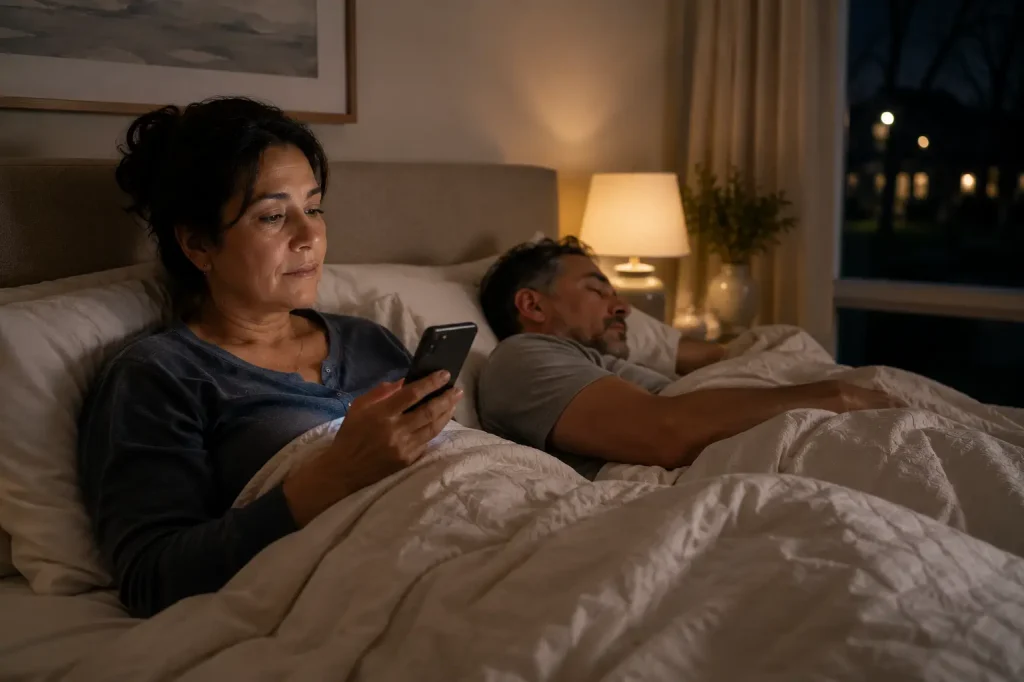
Why can't I put my phone down at night? A woman lies awake in bed holding a smartphone while her partner sleeps beside her.

Why Can’t I Put My Phone Down at Night?

Why Can’t I Put My Phone Down at Night? By Dr. Charles R. Freeman, Ph.D. If you find yourself scrolling through your phone long after you intended to go to sleep, and keep asking yourself, “Why can’t I put my phone down at night?” the problem is often not a lack of discipline. More often, it is a sign that something important is happening psychologically. Many people use late-night phone time to decompress from stress, reclaim personal time, avoid difficult thoughts, soothe anxiety, or regain a sense of control after a demanding day. The phone becomes less about entertainment and more about meeting emotional needs that were not addressed earlier in the day. The challenge is that while those extra hours may feel rewarding in the moment, they often come at the expense of sleep, leaving people more stressed, exhausted, and emotionally vulnerable the next day. Introduction One of the most common things I hear from patients is: “I know I should go to bed, but I just can’t seem to stop scrolling.” They are not confused about what they should do. They understand they need sleep. They know they will feel worse in the morning. Yet night after night, they stay awake reading articles, checking social media, watching videos, answering emails, or moving from one app to another without really intending to. Many people assume this is simply a technology problem. In my experience, it is usually something deeper. The phone is often just the vehicle. The real question is why someone feels compelled to stay awake in the first place. Why Can’t I Put My Phone Down at Night Even When I’m Tired? For many adults, the day feels like it belongs to everyone except themselves. They wake up early, rush to work, take care of responsibilities, respond to emails, manage family obligations, solve problems, and spend most of the day reacting to other people’s needs. By the time evening arrives, they finally have a moment that feels like their own. That is when the phone comes out. The scrolling itself may not even be particularly enjoyable. What often feels rewarding is the freedom. No one is asking for anything. No deadlines are looming. No responsibilities need immediate attention. For the first time all day, there is a sense of choice. Some researchers have referred to this pattern as “revenge bedtime procrastination.” The phrase sounds dramatic, but the concept is simple. People delay sleep because staying awake feels like a way to reclaim personal time they could not find during the day. I find that many patients immediately recognize themselves in this description. The issue is rarely that they love scrolling. The issue is that they feel deprived. What I Often See in Practice What surprises many people is how often late-night phone use is connected to stress. Someone spends the day feeling pressured, overwhelmed, or emotionally drained. Then they finally sit down at night. As soon as life becomes quiet, their mind starts speeding up. Worries emerge. Anxiety becomes noticeable. Thoughts that were pushed aside throughout the day suddenly demand attention. The phone becomes a convenient escape. Instead of sitting with uncomfortable thoughts or emotions, people keep scrolling. Every new article, video, notification, or post provides another distraction. The phone is not causing the stress. It is helping them avoid feeling it. I also see this pattern in patients struggling with PTSD and trauma. When the nervous system remains on high alert, quiet moments can feel uncomfortable. Distraction becomes easier than stillness. For some people, the phone functions almost like a form of emotional anesthesia. It keeps the mind occupied long enough to avoid difficult feelings. Unfortunately, it also keeps the brain awake. How Late-Night Phone Use Affects Sleep One reason phone use becomes so problematic is that it creates a state of ongoing mental engagement. The brain never gets a chance to slow down. Sleep requires a transition. The nervous system has to move from alertness into rest. Scrolling works against that process. Every new piece of information encourages the brain to remain engaged. Social media triggers emotional reactions. News headlines activate concern. Videos create stimulation. Text messages invite interaction. Instead of preparing for sleep, the brain remains in consumption mode. Over time, this can contribute to insomnia. One of the ways chronic insomnia develops is when the brain becomes conditioned to stay alert at bedtime. Rather than becoming a cue for sleep, the evening becomes a cue for stimulation, distraction, and wakefulness. Eventually, some people discover they can no longer fall asleep easily even when they put the phone away. When the Problem Is Not the Phone This is the part many people miss. Removing the phone does not automatically solve the problem. If the phone has become a coping strategy for stress, anxiety, loneliness, burnout, trauma, or emotional exhaustion, taking it away simply exposes what was already there. That is why I often tell patients that insomnia is frequently the symptom rather than the root cause. The same principle applies here. The late-night scrolling may be a symptom. The underlying issue may be chronic stress. It may be anxiety. It may be a life that feels overly controlled, overly demanding, or emotionally draining. It may be unresolved trauma. It may be a nervous system that never fully relaxes. When we focus only on the phone, we sometimes miss the real problem. How to Break the Cycle The first step is not forcing yourself to be more disciplined. The first step is becoming curious. Ask yourself what the phone is doing for you. What need is it meeting? What feeling are you avoiding? What are you trying to get more of? For many people, the answer is surprisingly simple. They need downtime, enjoyment,  emotional recovery, and a sense of control. Once those needs become visible, healthier solutions become possible. Sometimes that means creating intentional personal time earlier in the evening. Sometimes it means addressing chronic stress directly. Sometimes it means treating anxiety or trauma that is keeping the nervous system activated. For people with chronic insomnia, CBT-I for insomnia remains the gold standard treatment because it helps address the habits, thought patterns, and behaviors that keep sleep problems going. When anxiety, PTSD, or trauma are contributing factors, additional treatments such as CBT or EMDR may be appropriate. The goal is not simply spending

Why Can’t I Put My Phone Down at Night? Read More »