Dr. Freeman's Blog Posts

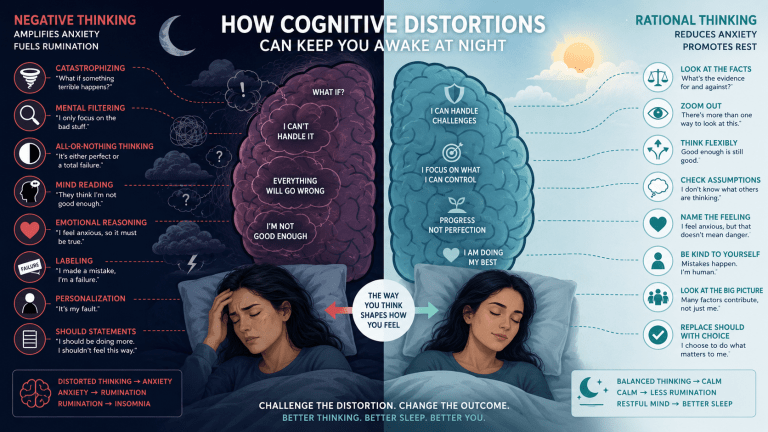
Illustration showing common cognitive distortions such as catastrophizing, personalization, mind reading, and all-or-nothing thinking that contribute to anxiety and insomnia.

How Cognitive Distortions Can Keep You Awake at Night

Cognitive distortions can keep you awake at night by turning normal worries into threats, mistakes into disasters, and wakefulness into panic. The body may be tired, but the mind stays active because it is interpreting thoughts as danger.

Many people with insomnia believe they have a sleep problem only. They

Read More »
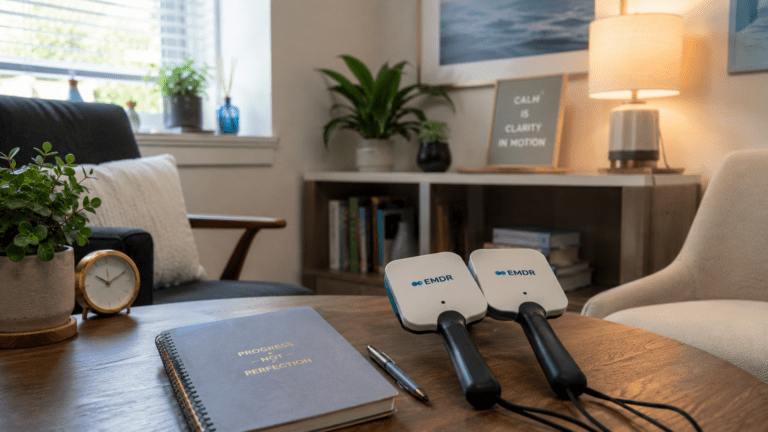
EMDR therapy tools on a calm office table showing how EMDR works for trauma, PTSD, nightmares, and sleep disruption

How EMDR Works

EMDR works by helping the brain reprocess disturbing memories so they no longer feel as emotionally intense, threatening, or present in daily life. The memory is not erased. The goal is that the nervous system no longer reacts to the memory as if the danger is happening right now.

EMDR

Read More »
A calm adult in a therapy office learning how CBT-I treats chronic insomnia and sleep anxiety

How CBT-I Treats Chronic Insomnia

How CBT-I Treats Chronic Insomnia By Dr. Charles R. Freeman, Ph.D. How CBT-I treats chronic insomnia is practical: it changes the thoughts, behaviors, sleep schedules, and nervous-system patterns that keep insomnia going. It does not simply give you more sleep hygiene rules. CBT-I helps retrain the brain and body so

Read More »
Hypervigilance and sleep problems shown by an anxious woman scanning a dim hallway, representing trauma-related insomnia and nighttime alertness

How Hypervigilance Causes Sleep Problems and Insomnia

How Hypervigilance Causes Sleep Problems and Insomnia By Dr. Charles R. Freeman, Ph.D. Hypervigilance can cause sleep problems and insomnia because the nervous system stays on alert when it should be resting. A person may be physically safe in bed, but the brain and body may still be scanning for

Read More »
Woman waking up refreshed and energized after improving sleep through Cognitive Behavioral Therapy (CBT) and healthy sleep habits.

How Changing Your Behaviors Changes Your Sleep

How Changing Your Behaviors Changes Your Sleep By Charles R. Freeman, Ph.D. You might be wondering, is it true that changing your behavior can affect your sleep?  And the answer is “yes,” this result can be achieved by applying Cognitive Behavioral Therapy (CBT). CBT includes changing thoughts and behaviors around

Read More »
Effects of sleep deprivation on physical health, mental health, and daily functioning

Effects of Sleep Deprivation: How Sleep Disorders Affect Health

Effects of Sleep Deprivation: How Sleep Disorders Affect Health By Dr. Charles R. Freeman, Ph.D. In my last post, I talked about the four main categories of sleep disorders. Let’s talk about the effects of sleep deprivation on your life. Sleep disorders can affect nearly every aspect of physical and

Read More »
How to help insomnia through practical questions and solutions written on a napkin beside a coffee mug

How to Help Insomnia: Focus on Solutions, Not Causes

How to Help Insomnia: Focus on Solutions, Not Causes By Dr. Charles R. Freeman, Ph.D. How to help insomnia is one of the most common questions I hear from patients. Many people spend years searching for reasons they cannot sleep, hoping that understanding the cause will solve the problem. While

Read More »

Dr. Freeman's Articles on Sleep, Trauma, and Behavioral Medicine