
Why Can’t I Put My Phone Down at Night?
By Dr. Charles R. Freeman, Ph.D.
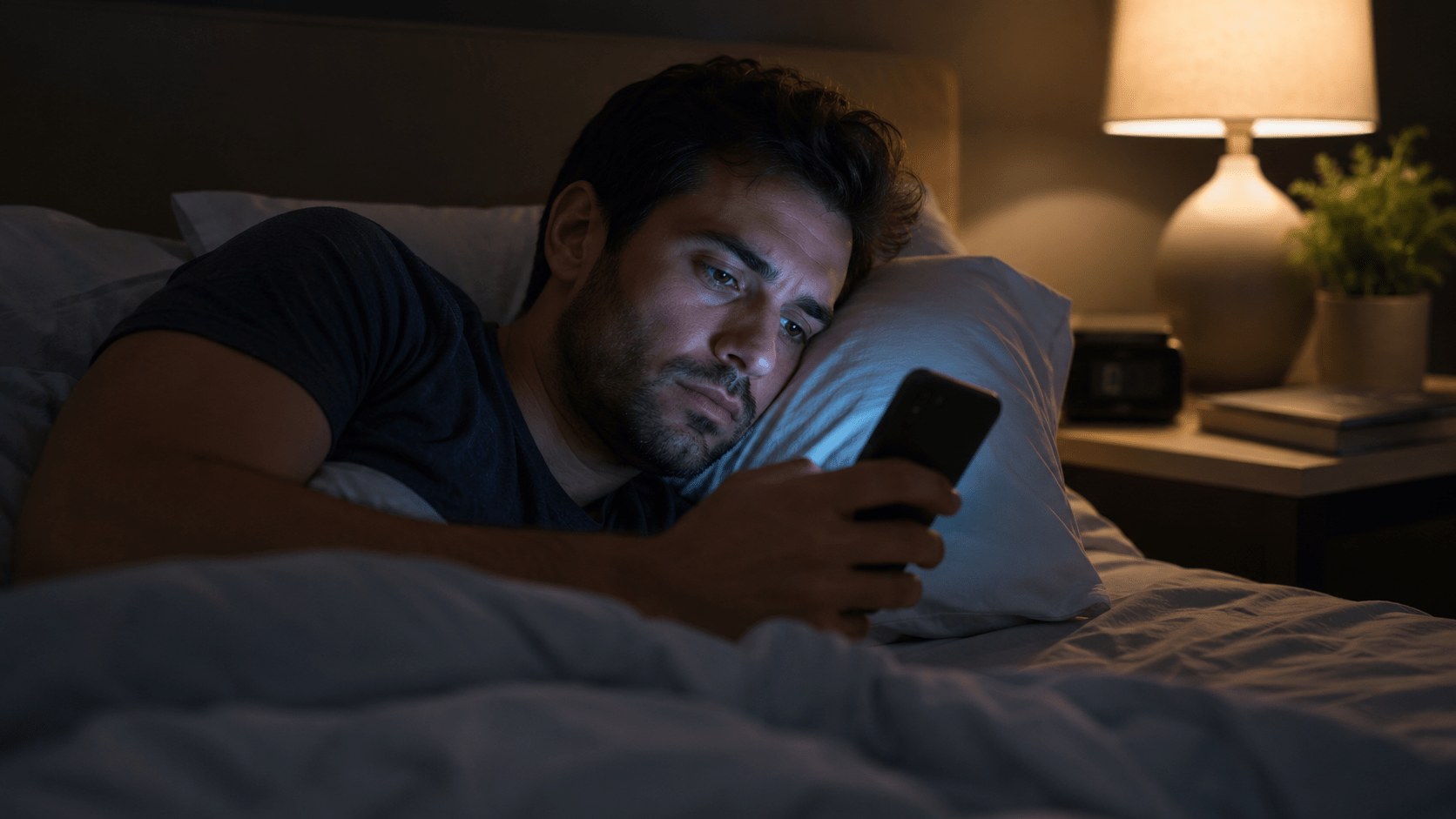
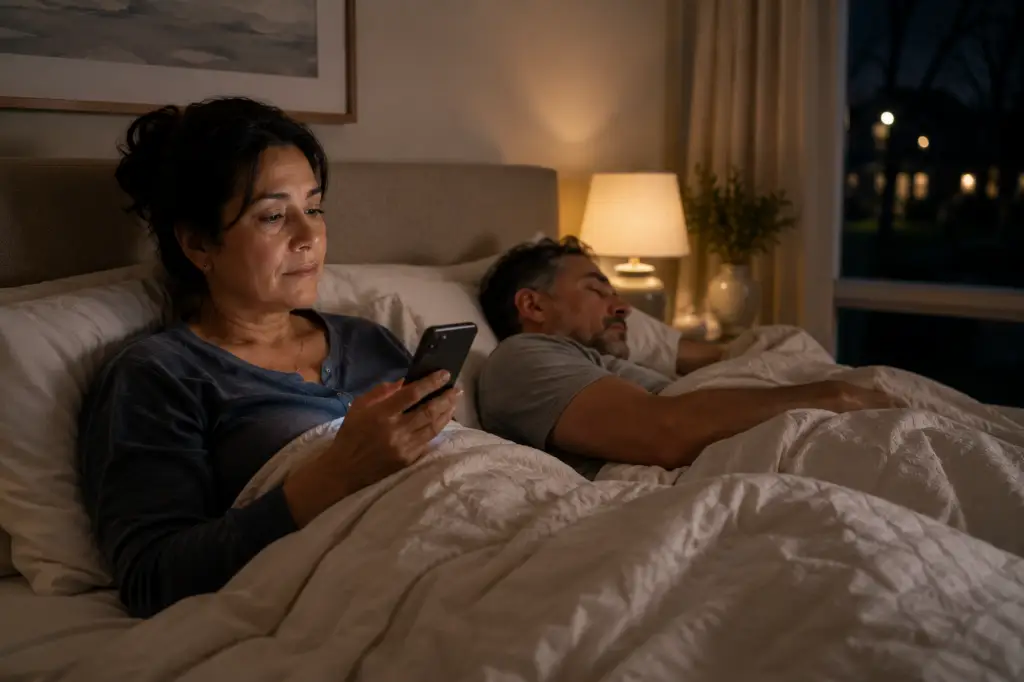
If you find yourself scrolling through your phone long after you intended to go to sleep, and keep asking yourself, “Why can’t I put my phone down at night?” the problem is often not a lack of discipline. More often, it is a sign that something important is happening psychologically. Many people use late-night phone time to decompress from stress, reclaim personal time, avoid difficult thoughts, soothe anxiety, or regain a sense of control after a demanding day. The phone becomes less about entertainment and more about meeting emotional needs that were not addressed earlier in the day. The challenge is that while those extra hours may feel rewarding in the moment, they often come at the expense of sleep, leaving people more stressed, exhausted, and emotionally vulnerable the next day.
Introduction
One of the most common things I hear from patients is: “I know I should go to bed, but I just can’t seem to stop scrolling.” They are not confused about what they should do. They understand they need sleep. They know they will feel worse in the morning. Yet night after night, they stay awake reading articles, checking social media, watching videos, answering emails, or moving from one app to another without really intending to. Many people assume this is simply a technology problem. In my experience, it is usually something deeper. The phone is often just the vehicle. The real question is why someone feels compelled to stay awake in the first place.
Why Can’t I Put My Phone Down at Night Even When I’m Tired?
For many adults, the day feels like it belongs to everyone except themselves. They wake up early, rush to work, take care of responsibilities, respond to emails, manage family obligations, solve problems, and spend most of the day reacting to other people’s needs. By the time evening arrives, they finally have a moment that feels like their own. That is when the phone comes out. The scrolling itself may not even be particularly enjoyable. What often feels rewarding is the freedom. No one is asking for anything. No deadlines are looming. No responsibilities need immediate attention. For the first time all day, there is a sense of choice.
Some researchers have referred to this pattern as “revenge bedtime procrastination.” The phrase sounds dramatic, but the concept is simple. People delay sleep because staying awake feels like a way to reclaim personal time they could not find during the day. I find that many patients immediately recognize themselves in this description. The issue is rarely that they love scrolling. The issue is that they feel deprived.
What I Often See in Practice
What surprises many people is how often late-night phone use is connected to stress. Someone spends the day feeling pressured, overwhelmed, or emotionally drained. Then they finally sit down at night. As soon as life becomes quiet, their mind starts speeding up. Worries emerge. Anxiety becomes noticeable. Thoughts that were pushed aside throughout the day suddenly demand attention. The phone becomes a convenient escape. Instead of sitting with uncomfortable thoughts or emotions, people keep scrolling. Every new article, video, notification, or post provides another distraction. The phone is not causing the stress. It is helping them avoid feeling it. I also see this pattern in patients struggling with PTSD and trauma. When the nervous system remains on high alert, quiet moments can feel uncomfortable. Distraction becomes easier than stillness. For some people, the phone functions almost like a form of emotional anesthesia. It keeps the mind occupied long enough to avoid difficult feelings. Unfortunately, it also keeps the brain awake.
How Late-Night Phone Use Affects Sleep
One reason phone use becomes so problematic is that it creates a state of ongoing mental engagement. The brain never gets a chance to slow down. Sleep requires a transition. The nervous system has to move from alertness into rest. Scrolling works against that process. Every new piece of information encourages the brain to remain engaged. Social media triggers emotional reactions. News headlines activate concern. Videos create stimulation. Text messages invite interaction. Instead of preparing for sleep, the brain remains in consumption mode. Over time, this can contribute to insomnia. One of the ways chronic insomnia develops is when the brain becomes conditioned to stay alert at bedtime. Rather than becoming a cue for sleep, the evening becomes a cue for stimulation, distraction, and wakefulness. Eventually, some people discover they can no longer fall asleep easily even when they put the phone away.
When the Problem Is Not the Phone
This is the part many people miss. Removing the phone does not automatically solve the problem. If the phone has become a coping strategy for stress, anxiety, loneliness, burnout, trauma, or emotional exhaustion, taking it away simply exposes what was already there. That is why I often tell patients that insomnia is frequently the symptom rather than the root cause. The same principle applies here. The late-night scrolling may be a symptom. The underlying issue may be chronic stress. It may be anxiety. It may be a life that feels overly controlled, overly demanding, or emotionally draining. It may be unresolved trauma. It may be a nervous system that never fully relaxes. When we focus only on the phone, we sometimes miss the real problem.
How to Break the Cycle
The first step is not forcing yourself to be more disciplined. The first step is becoming curious. Ask yourself what the phone is doing for you. What need is it meeting? What feeling are you avoiding? What are you trying to get more of? For many people, the answer is surprisingly simple. They need downtime, enjoyment, emotional recovery, and a sense of control. Once those needs become visible, healthier solutions become possible. Sometimes that means creating intentional personal time earlier in the evening. Sometimes it means addressing chronic stress directly. Sometimes it means treating anxiety or trauma that is keeping the nervous system activated.
For people with chronic insomnia, CBT-I for insomnia remains the gold standard treatment because it helps address the habits, thought patterns, and behaviors that keep sleep problems going. When anxiety, PTSD, or trauma are contributing factors, additional treatments such as CBT or EMDR may be appropriate. The goal is not simply spending less time on your phone. The goal is understanding why the phone became necessary in the first place.
Key Takeaways
- Most late-night phone use is not simply a willpower problem.
- Many people stay awake because they feel deprived of personal time during the day.
- Scrolling often serves as a coping strategy for stress, anxiety, burnout, or emotional discomfort.
- Phones can keep the brain mentally activated when it should be winding down for sleep.
- Chronic bedtime scrolling may contribute to insomnia over time.
- Lasting improvement usually comes from addressing the underlying causes, not just removing the phone.
Frequently Asked Questions
Why do I keep scrolling even when I’m tired?
Often because the scrolling is meeting an emotional need such as relaxation, distraction, control, or personal freedom that feels missing during the day.
Is staying on my phone causing my insomnia?
It may contribute to insomnia, especially if it becomes a regular bedtime habit that keeps your brain alert and engaged.
What is revenge bedtime procrastination?
It is the tendency to delay sleep in order to reclaim personal time that feels unavailable during the day.
Can anxiety make it harder to put my phone down?
Yes. Many people use their phones to distract themselves from worry, stress, or uncomfortable emotions.
What treatment helps if this has become a chronic problem?
CBT-I is the gold standard treatment for chronic insomnia. If anxiety, trauma, PTSD, or chronic stress are involved, treatments such as CBT and EMDR may also help.
Conclusion
If you find yourself asking, “Why can’t I put my phone down at night?” the answer is usually more complicated than poor sleep habits. The phone is often serving a purpose. It may be helping you decompress, avoid stress, reclaim personal time, or create a sense of control after a difficult day. The problem is that the temporary relief often comes at the expense of sleep. When the pattern continues long enough, it can contribute to insomnia, fatigue, emotional distress, and a cycle that becomes increasingly difficult to break. The solution is not simply putting the phone away. The solution is understanding what keeps drawing you back to it. When we address the underlying stress, anxiety, trauma, or deprivation that fuels the behavior, both sleep and overall well-being tend to improve.
References
- What Is CBT-I?
- Why Sleeping Pills Sometimes Stop Working
- Paradoxical Insomnia (Sleep State Misperception): Symptoms, Causes, and Treatment
- Why Can’t I Sleep When It’s Hot?
About the Author
 Dr. Charles R. Freeman, Ph.D., is a psychologist specializing in insomnia, sleep disorders, PTSD, anxiety, trauma, and Cognitive Behavioral Therapy for Insomnia (CBT-I). He has more than 25 years of experience helping individuals improve sleep, emotional well-being, and overall quality of life through evidence-based treatment approaches. If you would like to learn more about treatment options or schedule a consultation, please contact Dr. Freeman.
The information in this article is provided for educational purposes only and is not intended to replace professional medical or psychological advice. Individual circumstances vary, and readers should consult a qualified healthcare professional regarding their specific concerns.