

How Hypervigilance Causes Sleep Problems and Insomnia
By Dr. Charles R. Freeman, Ph.D.
Hypervigilance can cause sleep problems and insomnia because the nervous system stays on alert when it should be resting. A person may be physically safe in bed, but the brain and body may still be scanning for threat. This can lead to trouble falling asleep, waking during the night, nightmares, panic awakenings, and feeling exhausted even after spending enough time in bed.
Hypervigilance means the body is watching, listening, bracing, and preparing for danger. It is common after trauma, PTSD, military service, unsafe relationships, abuse, chronic stress, medical crises, or years of living with unpredictability. The person is not weak. The nervous system learned to survive by staying ready.
The problem is that survival mode does not always turn off at bedtime. Sleep requires letting go. Hypervigilance tells the body, “Do not let go yet.”
Why Does Hypervigilance Get Worse at Night?
At night, the world becomes quieter. There are fewer distractions. The structure of the day falls away. For some people, that is when the body starts releasing what it held in during the day: fear, anger, grief, shame, resentment, or old memories.
Many people with hypervigilance function well during the day. They work, lead, parent, care for others, and handle pressure. From the outside, they may look fine. Then they get into bed and their body goes on alert. A patient may say, “I hear every sound in the house, even when I know nothing is wrong.”
This is one reason insomnia is often the symptom, not the root cause. The visible problem is poor sleep. Underneath may be trauma, anxiety, PTSD, over-responsibility, pain, or a nervous system that has not learned that it is safe to rest.
How Does Hypervigilance Turn Into Insomnia?
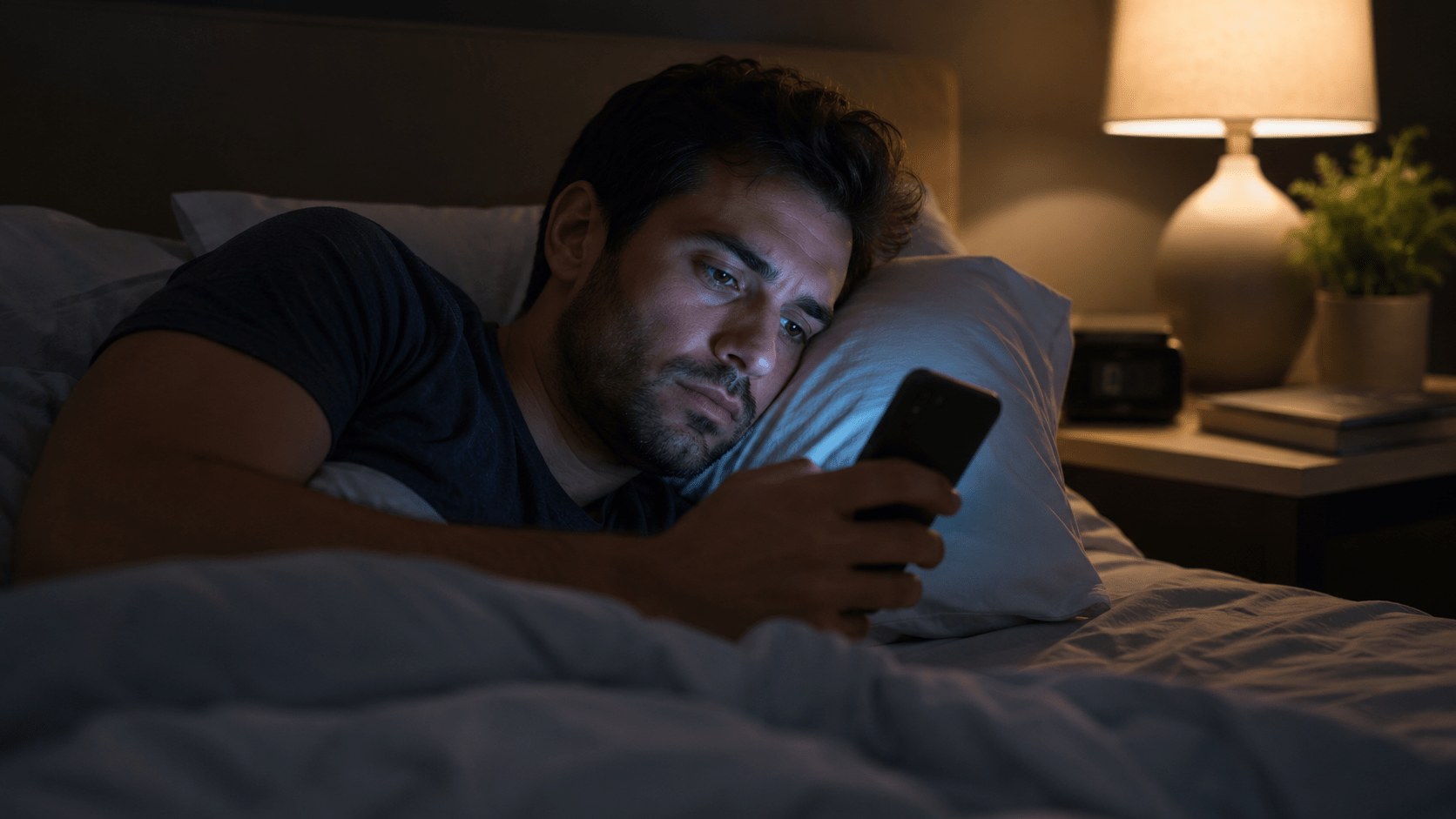
Hypervigilance can train the brain to associate the bed with alertness. If someone spends months or years lying in bed tense, frustrated, watchful, or afraid, the bedroom can become connected with wakefulness instead of sleep.
That is why some people feel sleepy on the couch but wide awake in bed. It does not mean the person is broken. It means the nervous system has learned a pattern. Learned patterns can be unlearned, but usually not by trying harder. Sleep does not respond well to pressure.
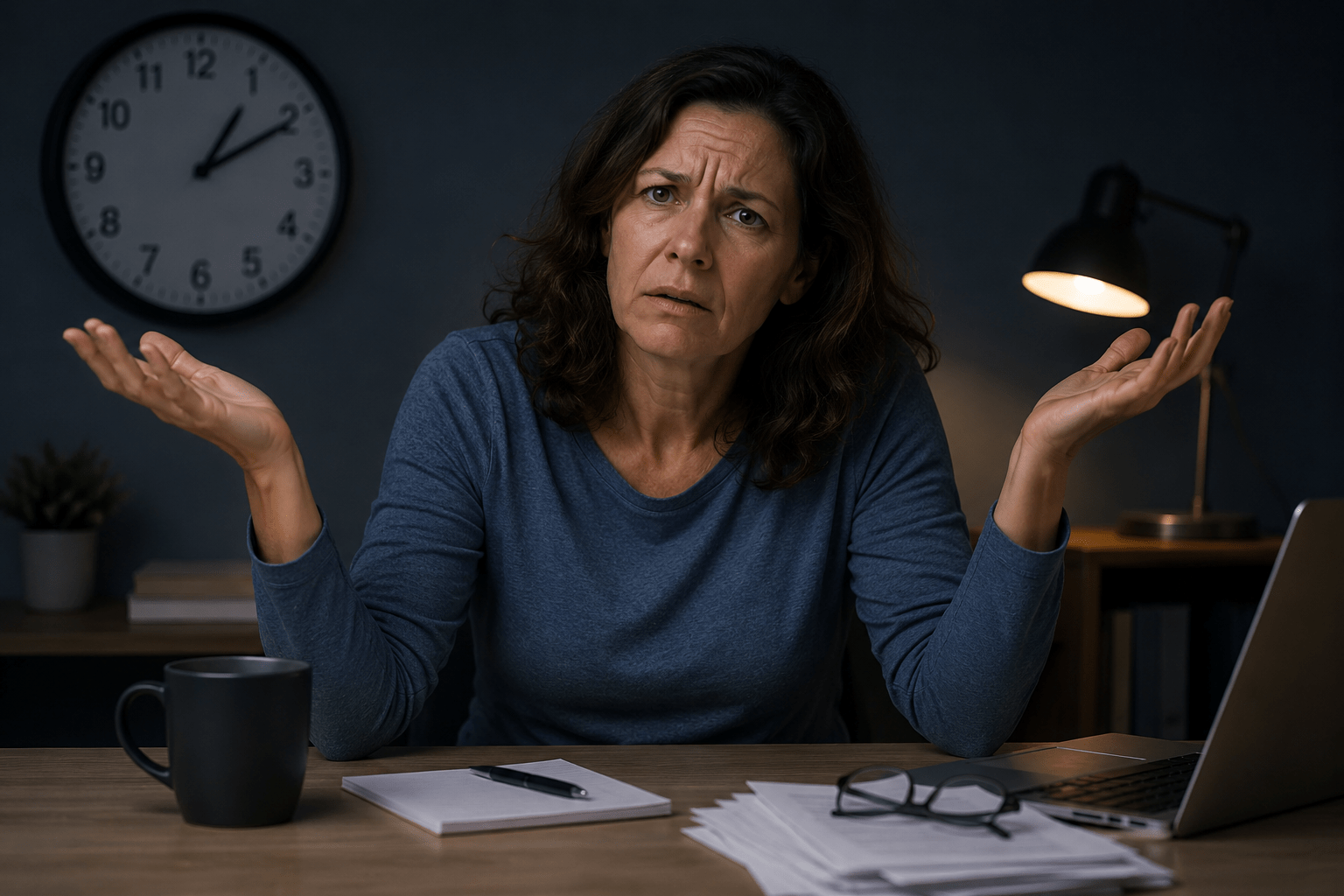
When a person wakes at 2:00 or 3:00 a.m., the mind may start checking for danger. “Why am I awake?” “What if I cannot function tomorrow?” “What is wrong with me?” That fear response can turn a normal awakening into a long period of insomnia.
What Helps Hypervigilance and Sleep Problems?
Treatment needs to address both sleep and the nervous system. Sleep hygiene alone is usually not enough. A darker room, less caffeine, and a better bedtime routine may help, but they may not resolve the deeper pattern of threat scanning.
CBT-I, or Cognitive Behavioral Therapy for Insomnia, is the gold-standard behavioral treatment for chronic insomnia. It helps reduce conditioned wakefulness, clock watching, catastrophic thinking, and fear of being awake. When trauma is part of the pattern, EMDR, grounding skills, hypnosis, relaxation training, and trauma-focused therapy may also be needed.
Sleep is one of the foundations of health. I often describe exercise, nutrition, sound sleep, and meaning or purpose as four legs of the table. When sleep is unstable, the whole table starts to wobble. The goal is not simply to knock someone out. The goal is restorative sleep and a nervous system that can relearn safety.
What I Often See in Practice
I often meet patients who say, “I know I am safe, but my body does not believe it.” That is a very important distinction. Trauma recovery and insomnia treatment often involve helping the body catch up with what the mind already understands.
My approach is directive, collaborative, practical, and solution-focused. We identify what is keeping the nervous system activated, create a plan, practice specific tools, review what happened, and adjust treatment as needed. The goal is for patients to develop skills they can use for the rest of their lives, rather than relying only on medication or willpower.
Key Takeaways
- Hypervigilance keeps the nervous system on alert when it should be resting.
- It can cause insomnia, nightmares, panic awakenings, and non-restorative sleep.
- The bed can become associated with fear, frustration, and wakefulness.
- CBT-I can help retrain sleep patterns, especially when combined with trauma treatment when needed.
- Recovery often begins when wakefulness stops feeling like an emergency.
Frequently Asked Questions About Hypervigilance and Sleep Problems
What is hypervigilance?
Hypervigilance is a state of increased alertness in which the brain and body scan for possible danger. It is common after trauma, PTSD, chronic stress, or prolonged exposure to unsafe situations.
Can hypervigilance cause insomnia?
Yes. Hypervigilance can make it difficult to fall asleep or stay asleep because the nervous system remains activated. The person may feel tired but unable to fully let go.
Why do I wake up alert in the middle of the night?
Middle-of-the-night alertness can happen when the body interprets wakefulness as a threat. Clock checking, worrying, and scanning for danger can keep the nervous system activated.
Can CBT-I help with hypervigilance-related insomnia?
Yes. CBT-I can reduce conditioned wakefulness, sleep anxiety, and fear of being awake. If trauma is driving the hypervigilance, CBT-I may work best alongside EMDR or trauma-focused therapy.
Conclusion
Hypervigilance and sleep problems are closely connected. When the nervous system is still trying to protect you, sleep can feel unsafe even in a quiet bedroom. The solution is not simply to try harder to sleep. The solution is to help the body relearn safety, reduce conditioned arousal, and rebuild trust in natural sleep.
With the right treatment, sleep can become less of a battle and more of a restorative process again.
About the Author
 Dr. Charles R. Freeman, Ph.D., is a psychologist specializing in insomnia, sleep disorders, PTSD, anxiety, trauma, and Cognitive Behavioral Therapy for Insomnia (CBT-I). He has more than 25 years of experience helping individuals improve sleep, emotional well-being, and overall quality of life through evidence-based treatment approaches. If you would like to learn more about treatment options or schedule a consultation, please contact Dr. Freeman.
The information in this article is provided for educational purposes only and is not intended to replace professional medical or psychological advice. Individual circumstances vary, and readers should consult a qualified healthcare professional regarding their specific concerns.