

Can Sugar Keep You Awake? The Connection Between Sugar and Sleep
By Dr. Charles R. Freeman, Ph.D.
Can sugar keep you awake? Many people are surprised to learn that the answer is yes. While stress and anxiety are common causes of insomnia, sugar can also affect sleep quality, energy levels, and nighttime awakenings. As a behavioral medicine psychologist specializing in insomnia, I often encourage patients to examine whether their evening sugar consumption is contributing to their sleep difficulties. When people think about the causes of insomnia, they often focus on stress, anxiety, trauma, or sleep habits. Those factors are certainly important. However, one area that is frequently overlooked is nutrition. As a behavioral medicine psychologist specializing in insomnia, I often encourage patients to examine what they are putting into their bodies, particularly during the afternoon and evening hours. Many people are surprised to discover that sugar may be contributing to their sleep difficulties. Sleep does not occur in isolation. It is connected to your physical health, emotional well-being, exercise habits, stress levels, and nutrition. When one area is out of balance, the others often suffer as well.
Can Sugar Keep You Awake at Night?
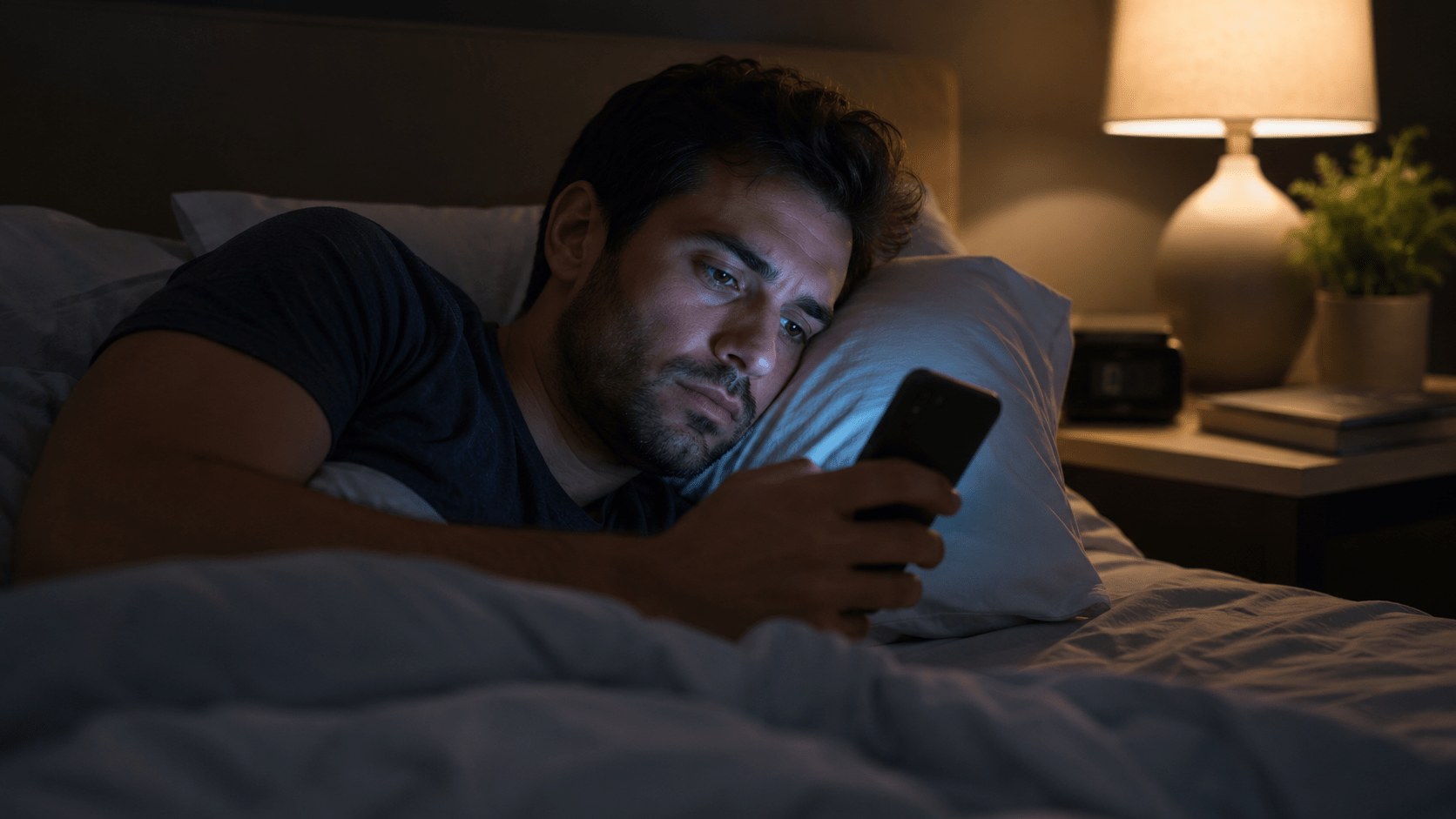
One of the most common questions people ask is whether sugar can keep them awake. The answer is yes. Sugar affects the body in complex ways. After consuming a large amount of sugar, blood sugar levels rise rapidly. The body then releases insulin to bring those levels back down. These fluctuations can affect energy, mood, and alertness. Some people become restless, experience increased energy, develop racing thoughts, have difficulty falling asleep, wake up during the night, or feel unusually wired at bedtime. Others may initially feel sleepy after eating sugar, only to awaken later when blood sugar levels begin to shift. This is one reason many sleep specialists recommend limiting sugar consumption in the hours before bedtime.
Does Sugar Keep You Awake or Make You Tired?
Interestingly, sugar can have the opposite effect as well. Many people report feeling exhausted after eating sweets. This can occur because the body responds to large amounts of sugar with significant changes in blood sugar and insulin levels. The result may be temporary fatigue, sluggishness, or what many people describe as a sugar crash. This helps explain why both of these questions can have the same answer. Sugar can keep some people awake, while it can make others feel tired. In some cases, the same person may experience both effects at different times. The response often depends on the individual, the amount of sugar consumed, and when it is consumed.
Can Sugar Keep You Awake and Increase Anxiety?
One of the most important relationships I see clinically is the connection between sugar and anxiety. People often think of anxiety as purely psychological. In reality, anxiety is influenced by both the mind and the body. For some individuals, large fluctuations in blood sugar can contribute to nervousness, irritability, restlessness, increased worry, and a general feeling of being on edge. Patients sometimes describe feeling anxious without recognizing that nutrition may be contributing to their symptoms. This does not mean sugar causes anxiety disorders. It does mean that excessive sugar intake may worsen symptoms in people who already struggle with anxiety. Because anxiety and insomnia are so closely connected, this creates another pathway through which sugar can interfere with sleep.
Can Eating Sugar Before Bed Affect Sleep Quality?
Many people enjoy dessert after dinner. The question is whether eating sugar before bed affects sleep quality. For some people, the answer is clearly yes. Consuming sugary foods within two to four hours of bedtime may increase the likelihood of restless sleep, frequent awakenings, difficulty falling asleep, and non-restorative sleep. This does not mean every person must completely avoid sugar in the evening. If you are struggling with insomnia, however, reducing nighttime sugar consumption can be a worthwhile experiment. Small changes in eating habits sometimes produce surprisingly meaningful improvements in sleep quality.
Why Sleep Matters for Weight Loss
Many people focus on nutrition and exercise while overlooking sleep. In reality, sleep is one of the foundations of health. Poor sleep can affect appetite regulation, food cravings, energy levels, motivation to exercise, and the production of stress hormones. When people are sleep deprived, they often crave sugary foods and processed carbohydrates. These foods may provide temporary energy, but they can also contribute to a cycle that further disrupts sleep and overall health. I frequently remind patients that improving sleep often makes healthy eating easier, and healthy eating often improves sleep. The relationship works in both directions.
Sugar and Sleep: Why They Are Closely Connected
One of the most common mistakes people make is searching for a quick fix. Many hope that a pill, supplement, or sleep aid will solve the problem. Unfortunately, chronic insomnia is rarely that simple. Insomnia is often the symptom rather than the root cause. Sleep difficulties may be connected to anxiety, PTSD, trauma, depression, chronic stress, pain disorders, lifestyle habits, and nutrition choices. When we focus only on the symptom, we miss the opportunity to address the underlying factors that contribute to poor sleep. Identifying and addressing those factors often leads to more meaningful and lasting improvement.
What I Often See in Practice
Patients frequently arrive focused entirely on what happens at bedtime. As treatment progresses, they begin to see the bigger picture. They notice that reducing sugar improves their sleep. They discover that exercise reduces anxiety. They learn that managing stress during the day leads to better rest at night. The most successful patients typically stop searching for a single solution and begin creating a collection of healthy habits that support sleep naturally. That approach produces sustainable results.
Key Takeaways
- Sugar can contribute to sleep disruption, especially when consumed close to bedtime.
- Some people experience increased energy after sugar, while others experience fatigue.
- Sugar and anxiety are often connected through changes in blood sugar and nervous system activation.
- Reducing evening sugar may improve sleep quality.
- Sleep and nutrition influence one another in powerful ways.
- Lasting improvement in insomnia usually requires addressing underlying causes rather than relying on a single solution.
FAQ
Can sugar keep you awake?
Yes. Sugar can increase alertness, restlessness, and nighttime awakenings in some individuals, particularly when consumed in large amounts before bed.
Does sugar make you tired?
It can. Some people experience fatigue or a sugar crash after consuming sugary foods.
Is eating sugar before bed bad?
For individuals with insomnia or sleep difficulties, eating sugar before bed may contribute to poorer sleep quality and more nighttime awakenings.
Can sugar cause anxiety?
Sugar does not directly cause anxiety disorders, but large fluctuations in blood sugar may worsen anxiety symptoms in susceptible individuals.
Does reducing sugar improve sleep?
Many people report improvements in sleep quality, energy, and overall well-being after reducing excessive sugar consumption, particularly during the evening hours.
Conclusion
If you’ve ever wondered, “Can sugar keep you awake?” the answer may depend on how much sugar you consume and when you consume it. When people think about improving sleep, nutrition is often overlooked. Yet what you eat during the day, and especially in the hours before bed, can have a significant impact on sleep quality. If you are struggling with insomnia, nighttime awakenings, anxiety, or non-restorative sleep, it may be worth taking a closer look at your sugar intake. Sometimes meaningful improvements begin with small, sustainable changes rather than dramatic interventions.
About the Author
 Dr. Charles R. Freeman, Ph.D., is a psychologist specializing in insomnia, sleep disorders, PTSD, anxiety, trauma, and Cognitive Behavioral Therapy for Insomnia (CBT-I). He has more than 25 years of experience helping individuals improve sleep, emotional well-being, and overall quality of life through evidence-based treatment approaches. If you would like to learn more about treatment options or schedule a consultation, please contact Dr. Freeman.
The information in this article is provided for educational purposes only and is not intended to replace professional medical or psychological advice. Individual circumstances vary, and readers should consult a qualified healthcare professional regarding their specific concerns.