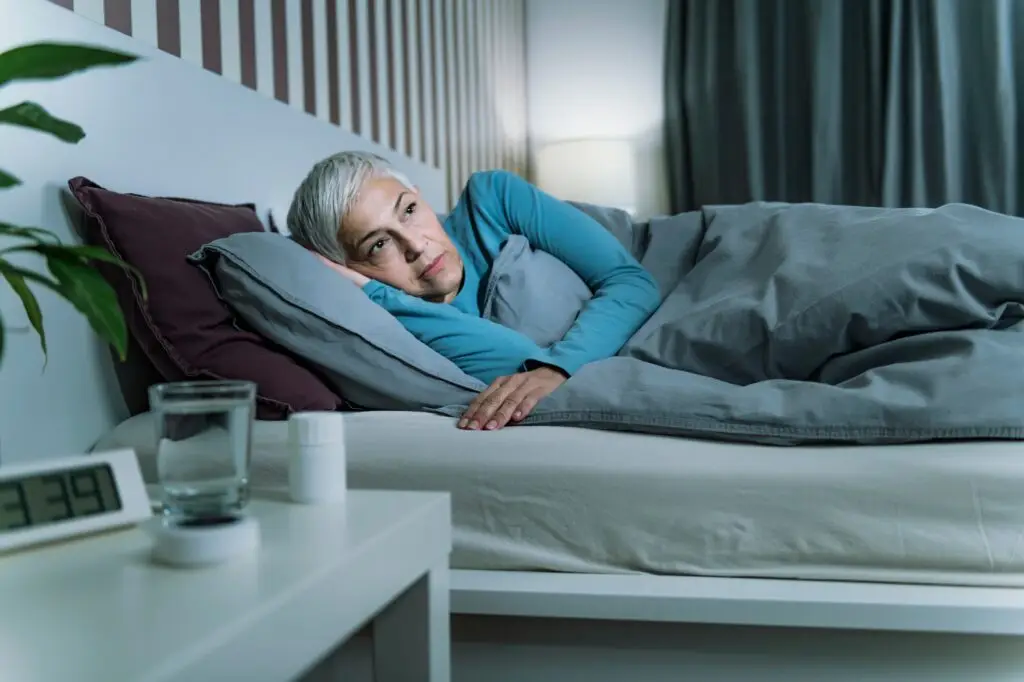
Why Can’t I Fall Asleep at Night? Causes and Remedies That Work
By Dr. Charles R. Freeman, Ph.D.
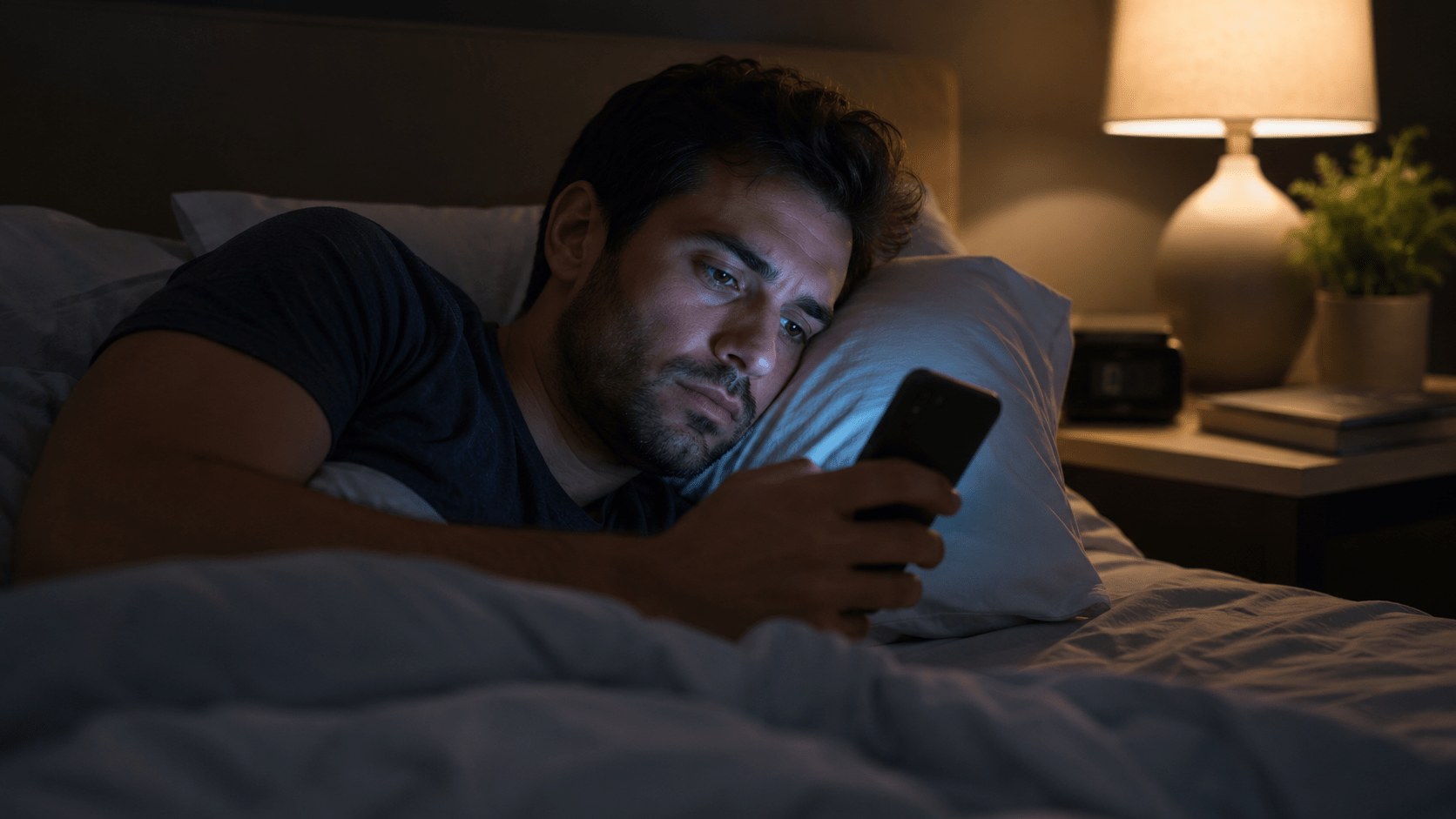
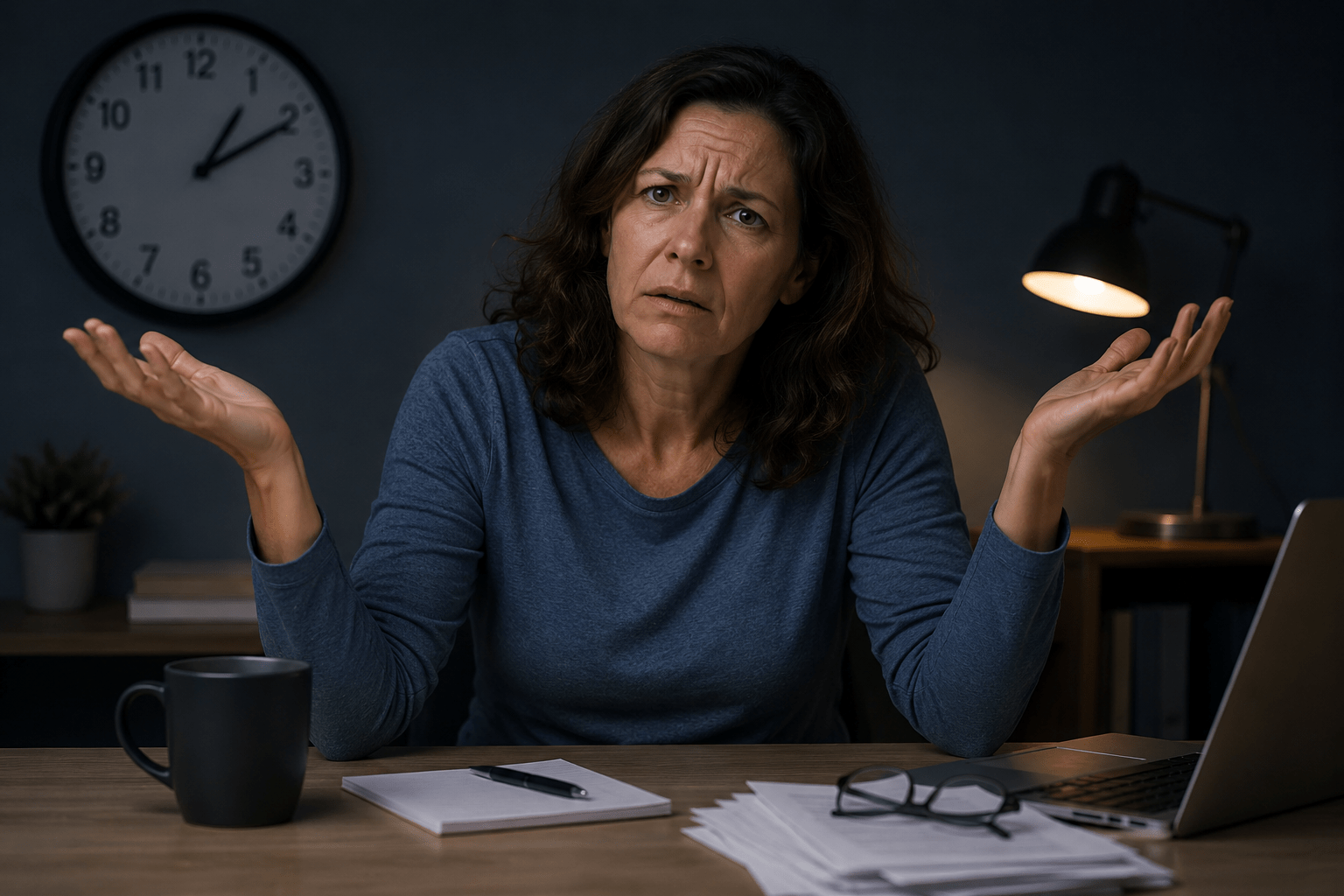
Many people struggle to fall asleep even when they feel tired. Lying awake at night, thinking, “Why can’t I fall asleep?” is not only frustrating but can also affect health, mood, and daytime functioning. Understanding why falling asleep becomes difficult is the first step toward finding real solutions.
What Is Difficulty Falling Asleep?
Difficulty falling asleep, also called sleep onset insomnia, means taking longer than 30 minutes to fall asleep at night, despite having the opportunity to sleep. People with this problem often lie in bed feeling anxious, restless, or mentally alert even when physically exhausted. Over time, nights of tossing and turning can create a cycle of sleep anxiety and worsen the problem (Kryger, 2017). Difficulty falling asleep is considered clinically significant when it causes daytime fatigue, poor concentration, mood swings, or impacts work, school, or relationships (Lee, 2020).
Common Causes of Difficulty Falling Asleep
Difficulty falling asleep rarely has a single cause. It usually results from a combination of habits, stress, environmental factors, and sometimes medical conditions.
Stress and Anxiety
Stress is one of the most common reasons people cannot fall asleep. Life events, work pressure, relationship problems, or health concerns can activate the brain’s alertness system and make it hard to relax at night. Even positive stress, such as excitement about a trip, can delay sleep (Kryger, 2017). Over time, people may develop conditioned insomnia, where simply getting into bed triggers anxiety about not sleeping.
Poor Sleep Habits
Behavioral habits can unintentionally keep the brain alert. Irregular sleep schedules, screen use before bedtime, and spending long periods in bed awake all teach the brain to associate bedtime with wakefulness instead of sleep. For example, adolescents who engage in late-night gaming often have more difficulty falling asleep than those with earlier shutdown times (Hamre et al., 2022).
Environmental Disruptions
Sleep requires a quiet, dark, and cool environment. Exposure to bright lights, noise, or warm temperatures at night can delay the body’s natural sleep processes. Research shows that high ambient temperatures, even indoors without air conditioning, make falling asleep significantly harder by preventing the body from cooling down naturally for sleep (Zheng et al., 2019).
Diet and Stimulants
Caffeine consumed late in the day can linger in the body and prevent sleep. Heavy evening meals, spicy foods, or alcohol can also cause discomfort or disrupt normal relaxation before bedtime. Among teenagers, unhealthy eating patterns are associated with more difficulty falling asleep (André et al., 2020).
Medical Conditions
Some medical issues, such as chronic pain, gastrointestinal reflux, or restless legs syndrome, can create discomfort that delays sleep. Psychiatric conditions, particularly anxiety disorders, are also strongly linked to difficulty initiating sleep (Kryger, 2017).
Symptoms of Difficulty Falling Asleep
Difficulty falling asleep typically presents as:
- Lying awake for more than 30 minutes before falling asleep
- Feeling wide awake at bedtime despite feeling tired earlier
- Becoming anxious or frustrated during bedtime
- Experiencing racing thoughts or inability to “shut off” the mind
- Worrying about how little sleep you will get
Over time, these patterns may create a self-perpetuating cycle of poor sleep and increased nighttime anxiety (Lee, 2020).
Effective Solutions for Falling Asleep More Easily
While sleeping pills might seem like a quick fix, they are not recommended for long-term use. Lasting improvement usually comes from addressing habits, thoughts, and environment.
Cognitive Behavioral Therapy for Insomnia (CBT-I):
CBT-I is the gold standard treatment for difficulty falling asleep. It teaches people to change behaviors that worsen insomnia and to reframe unhelpful thoughts about sleep. Techniques such as stimulus control (getting out of bed if unable to fall asleep within 20 minutes) and sleep restriction (limiting time spent awake in bed) help retrain the brain to associate bed with sleep, not wakefulness (Lee, 2020).
Sleep Hygiene Practices
Improving basic habits can make a large difference. Key strategies include
- Keeping a consistent bedtime and wake-up time every day
- Turning off electronic devices at least 30 minutes before bed
- Creating a cool, quiet, and dark sleep environment
- Avoiding caffeine after mid-afternoon
- Using the bed only for sleep, not for TV, work, or worry
Even small adjustments, like dimming lights an hour before bed, can help signal the body that it is time to wind down (Kryger, 2017).
Relaxation Techniques
Practices such as progressive muscle relaxation, deep breathing, or mindfulness meditation can calm the mind and body before bed. Relaxation reduces physical tension and mental hyperarousal, two common barriers to falling asleep.
When to Seek Help
If difficulty falling asleep persists for more than a month and affects your daytime life, it is time to consult a sleep specialist. Treatments like CBT-I have high success rates and do not rely on medications. With the right support, restful sleep is within reach.
Getting professional help early can prevent short-term sleep problems from becoming long-term insomnia.
Related Blog Posts
- Why Sleeping Piills Sometimes Stop Working
- How a Psychologist and Coach Can Help You Sleep Better
- How Changing Your Behavior Changes Your Sleep
References
André, B., Canhão, H., Espnes, G. A., Rodrigues, A. M. F., Gregorio, M. J., Nguyen, C., Sousa, R., & Grønning, K. (2020). Association between food patterns and difficulties in falling asleep among adolescents in Norway—A descriptive Young-HUNT3 study. Journal of Public Health, 29, 1373–1378. https://doi.org/10.1007/s10389-020-01249-4
Hamre, R., Smith, O. R. F., Samdal, O., & Haug, E. (2022). Gaming behaviors and the association with sleep duration, social jetlag, and difficulties falling asleep among Norwegian adolescents. International Journal of Environmental Research and Public Health, 19(1765). https://doi.org/10.3390/ijerph19031765
Kryger, M. (2017). The Mystery of Sleep: Why a Good Night’s Rest Is Vital to a Better, Healthier Life. Yale University Press.
Lee, E. (2020). Cognitive behavior therapy for insomnia. Journal of the Korean Medical Association, 63(8), 477–483. https://doi.org/10.5124/jkma.2020.63.8.477
Zheng, G., Li, K., & Wang, Y. (2019). The effects of high-temperature weather on human sleep quality and appetite. International Journal of Environmental Research and Public Health, 16(270). https://doi.org/10.3390/ijerph16020270
About the Author
 Dr. Charles R. Freeman, Ph.D., is a psychologist specializing in insomnia, sleep disorders, PTSD, anxiety, trauma, and Cognitive Behavioral Therapy for Insomnia (CBT-I). He has more than 25 years of experience helping individuals improve sleep, emotional well-being, and overall quality of life through evidence-based treatment approaches. If you would like to learn more about treatment options or schedule a consultation, please contact Dr. Freeman.
The information in this article is provided for educational purposes only and is not intended to replace professional medical or psychological advice. Individual circumstances vary, and readers should consult a qualified healthcare professional regarding their specific concerns.